

Acupuncture Books in Medical Books



![The Systematic Classic of Acupuncture & Moxibustion = : [Huang-Ti Chen Chiu Chia I Ching] (Hardcover)](https://i5.walmartimages.com/seo/The-Systematic-Classic-of-Acupuncture-Moxibustion-Huang-Ti-Chen-Chiu-Chia-I-Ching-Hardcover_fb7da8fa-504b-4737-86ee-54b7c765f77e.94fe52cb151e7967772bcbf9749f28a1.jpeg?odnHeight=576&odnWidth=576&odnBg=FFFFFF)


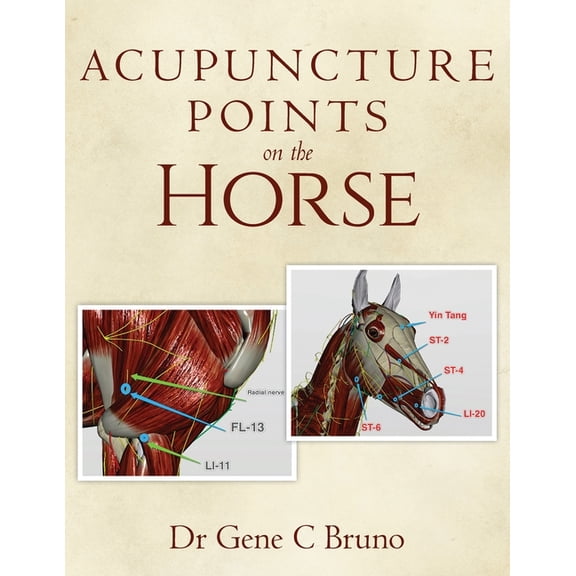
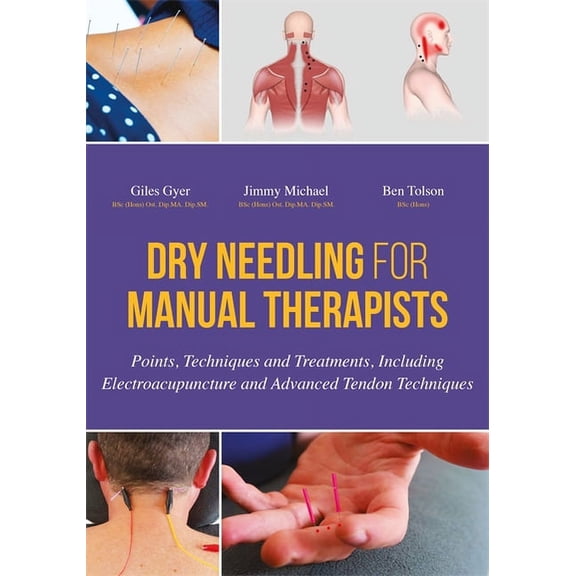











About Acupuncture Books in Medical Books - Walmart.com
Acupuncture books help you compare study paths, chart styles, and treatment approaches before you choose the right reference for your learning goals. You can use this category to sort through acupuncture textbooks, self-guided manuals, and visual chart books with clearer buying criteria.
If you're building a course list or expanding your clinic library, you need titles that match your reading level and preferred medical philosophy. You can also narrow your options by format, from paperback guides to spiral-bound meridian charts you can reference quickly.
How to choose acupuncture books by reading level
You should start with reading level because beginner titles and professional texts serve very different purposes. You can often tell the difference by how much theory, terminology, and case-based detail each book includes.
If you're new to the subject, you may prefer plain-language introductions and acupressure guides with diagrams you can follow easily. If you're a student, you may need acupuncture textbooks that explain point location, meridian pathways, and foundational treatment concepts.
For professional practitioner use, you may look for advanced references with detailed terminology, chart-heavy layouts, and clinical case studies. You can use those resources when you need deeper review material for classroom work, office reference, or continuing study.
What to look for in traditional chinese medicine books
You should compare medical philosophy next because different schools shape how you study diagnosis, point selection, and treatment planning. You may want traditional chinese medicine books if your coursework centers on meridians, organ systems, and classic theory.
If you study Five Element approaches, you can look for titles that explain relationships, correspondences, and pattern-based interpretation in a structured way. If you prefer anatomical or western acupuncture, you may choose books that connect point work to muscles, landmarks, and modern body mapping.
You can make a cleaner choice when a title matches the framework used in your class, training program, or personal study plan. That alignment helps your notes stay organized and makes comparisons across chapters easier.
Key differences between formats and visual tools
You should check book format carefully because the right layout can change how easily you study charts, tables, and treatment notes. You may prefer paperback editions for portable reading, while hardcover copies can suit long-term shelf reference.
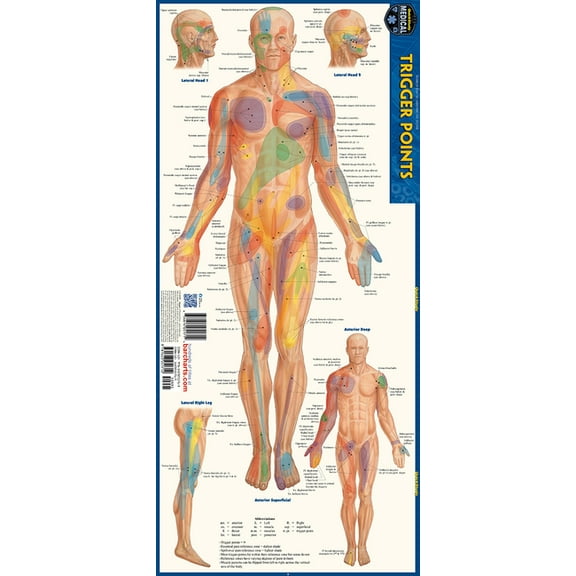
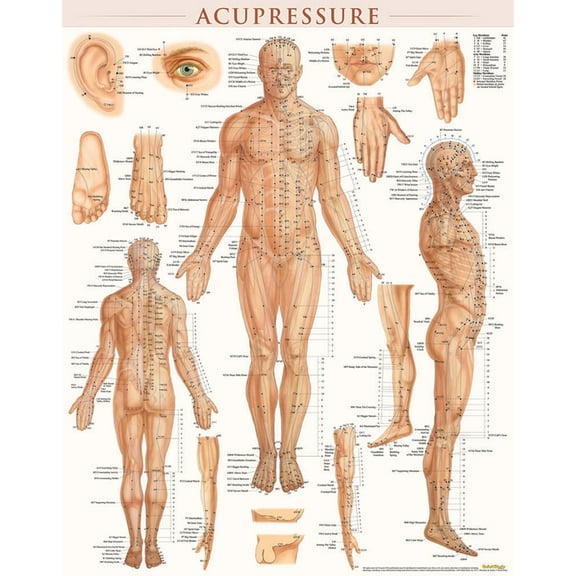
If you learn visually, you can compare spiral-bound charts and atlases that stay open on a desk. You may find meridian charts and point maps especially useful when you want quick visual confirmation during review sessions.
- You can use paperback titles for everyday reading and lighter carrying.
- You can keep hardcover references on a shelf for repeated consultation.
- You can spread out spiral-bound charts when you need point pathways at a glance.
- You can compare books with diagrams if you learn faster from labeled visuals.
You should also look at image density, labeling style, and page organization before you choose. Those details help you tell whether a book supports close study, quick reference, or broad subject review.
Choosing between meridian points, needle technique, and acupressure guides
You should compare focus area because not every title covers the same modality or level of hands-on detail. You may need one book for meridian points, another for needle technique, and another for non-invasive acupressure.
If you want point-location support, you can look for acupuncture study guides with labeled pathways and landmark-based illustrations. If your course covers technique, you may prefer needling therapy books that explain depth, angle, and sequencing in an educational format.
If you want a simpler, touch-based approach, you can choose acupressure books that focus on manual pressure methods and self-guided routines. That distinction matters when you want practical reading without a textbook-heavy structure.
How acupuncture books fit different study and reference needs
You can use beginner titles when you want an overview of concepts before moving into denser classroom texts. You may use student books when you need chapter-by-chapter support for exams, lab work, or assigned reading.
In a clinic or office, you can keep chart books nearby for fast point review and visual confirmation. At home, you may prefer general guides that explain terminology clearly and avoid an overly technical tone.
If you compare reading level, philosophy, format, and focus area together, you can narrow your search with less guesswork. You end up with acupuncture books that fit your course demands, your study habits, and your preferred way to learn.
You can feel more confident when your selected titles match your terminology needs, visual preferences, and intended use. That kind of fit helps you study more efficiently and reference key concepts with less friction.