

Dictionaries & Terminology Books in Medical Books

















About Dictionaries & Terminology Books in Medical Books - Walmart.com
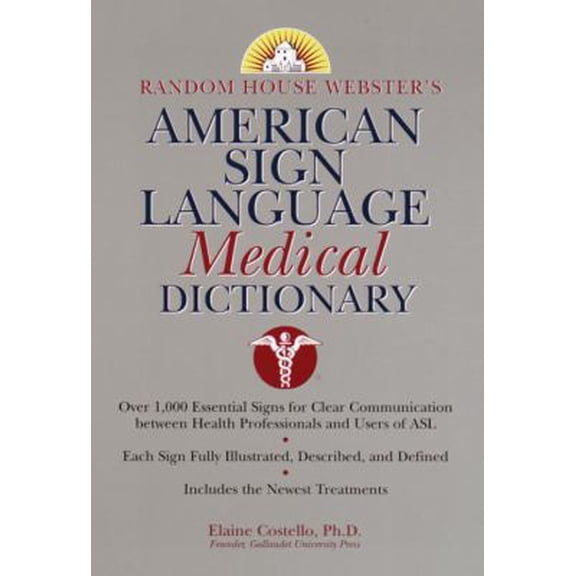
You can compare medical dictionaries and terminology books by specialty coverage, format, and study support, so your reference fits your coursework or daily documentation. You'll find this category useful when your classes, clinical settings, or coding tasks require fast, clear definitions.
Because your needs can vary, you may want a compact guide for rounds or a fuller reference for desk study. You'll also notice that different editions, audiences, and learning aids can shape how easily you use each title.
How to choose medical dictionaries and terminology books
When you compare book types, you should start with how you plan to use the material each day. You may prefer dictionaries for direct definitions, while terminology guides can help you learn word parts and usage patterns.
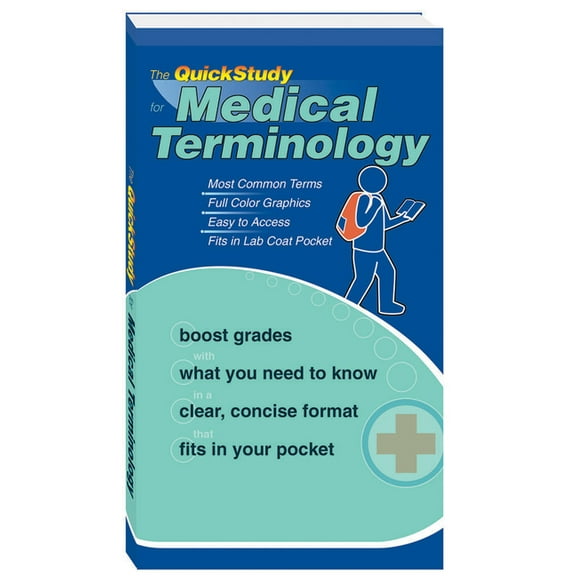
Pocket references can suit your quick lookups during class, labs, or office work. Word books can help you review prefixes, suffixes, and root terms when your assignments focus on vocabulary building.
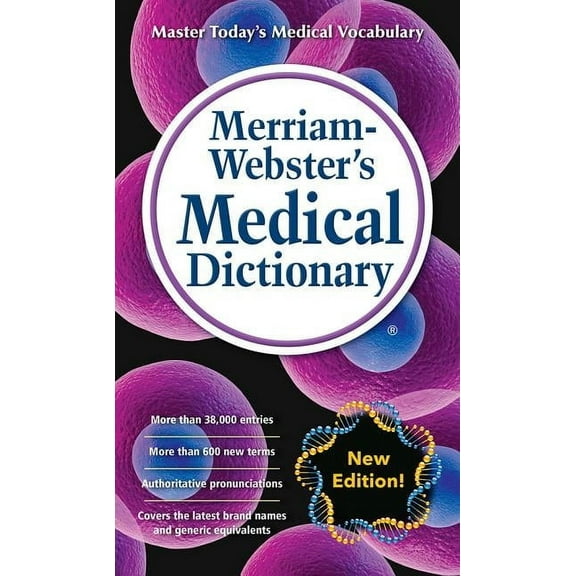
- You can use dictionaries for direct term lookup and spelling support.
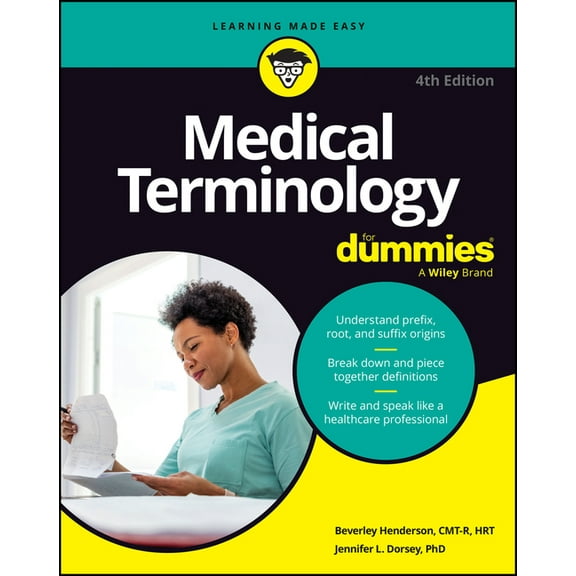
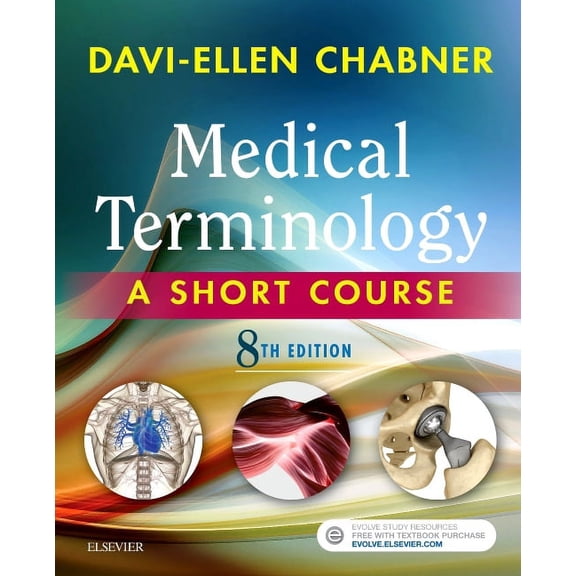
- You can choose terminology guides when your coursework emphasizes word building and context.
- You can carry pocket references when your routine needs fast access in smaller formats.
- You can study with word books when your review centers on pronunciation and term structure.
Your specialty also matters because general medicine and focused disciplines use different terminology sets. You may want broad coverage for mixed coursework, or narrower coverage for nursing, dental, allied health, or veterinary study.
If your classes include clinical jargon, you should check whether a title explains specialized terminology in plain language. You'll benefit when your reference matches the vocabulary style used in your program, charting practice, or exam prep.
Choosing between medical dictionaries and medical terminology books
You should compare portability against depth before you choose a format. Paperback and spiral-bound options can feel easier to handle during study sessions, while hardcover editions can suit your long-term shelf reference.
If you move between campus, clinics, and home, you may want a lighter option with quick tabs or compact trim size. If you study at one desk, you might prefer a larger reference with more entries and diagrams.
Digital formats can help you search terms quickly when your workflow stays on a screen. Print formats can help you flip between nearby entries when your review style is more visual and less search-driven.
Edition currency is another key decision because your coursework may follow current terminology and updated usage. You should compare publication details and course alignment, especially when your syllabus lists a recommended edition.
A newer title can help you match classroom language, workbook assignments, and exam review materials. If you're buying for general reference, you may still prefer broad foundational coverage over strict edition matching.
What to look for in a medical dictionary for students
If you're shopping for a medical dictionary for students, you should focus on learning aids that support fast understanding. You'll often want pronunciation keys, illustrations, abbreviations, and cross-references that connect related terms.
Pronunciation help can make your class discussions and presentations feel smoother. Illustrations can help you connect a term to body systems, instruments, or procedures without relying only on memorization.
You should also look for appendices, common abbreviations, and tables that organize terms by topic. These extras can help your review sessions move faster when you need a summary instead of a full definition.
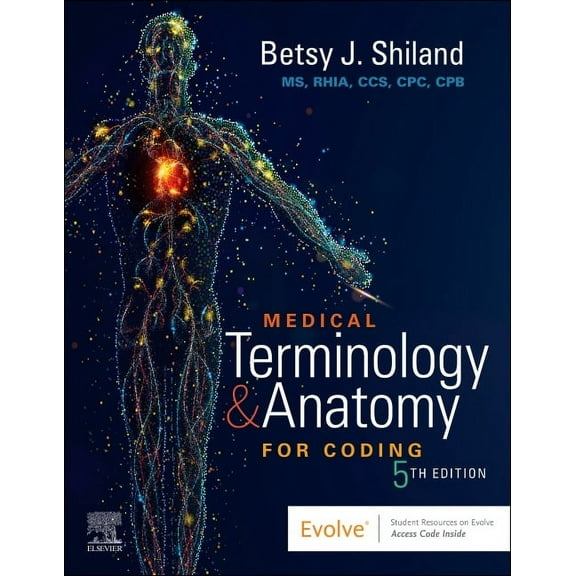
If your assignments involve coding or office tasks, you may want a medical terminology dictionary with clear indexing. You'll appreciate an organized layout when your goal is quick confirmation, not extended reading.
Audience fit matters because your background shapes how much explanation you need on each page. You may want student-focused definitions for early coursework, while experienced professionals may prefer denser references with less teaching support.
Using medical dictionaries for study, work, and reference
You can use these resources in several ways, depending on your program or role. During study time, you might review root words, test pronunciation, and compare related terms before quizzes or practical exams.
In nursing or allied health courses, you may need quick confirmation of charting language and classroom vocabulary. In dental or veterinary settings, you may need subject-specific wording that doesn't always appear in a general desk reference.
If you work in an office or coding setting, you may use a reference to confirm spelling and terminology consistency. You'll find that clear definitions and structured entries support faster lookups during repeated documentation tasks.
General medicine titles can work well when your work crosses several subjects in one week. Specialty-focused titles can fit better when your classes or job center on one field with narrower terminology.
When you compare options, you should think about where the book will stay and how often you'll open it. That simple choice can help you decide whether your priority is compact access, broad coverage, or guided learning support.
You can shop this category with a clearer plan when you match book type, specialty, format, and audience to your routine. That approach helps your reference feel useful from your first lookup through your next course or work task.