

Caregiving Books in Medical Books




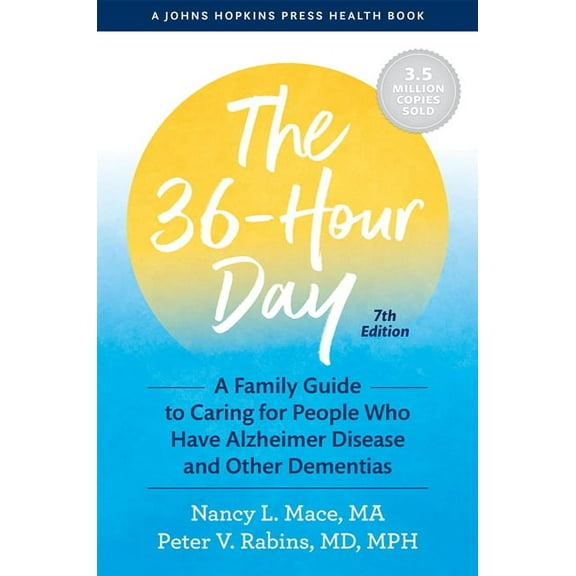












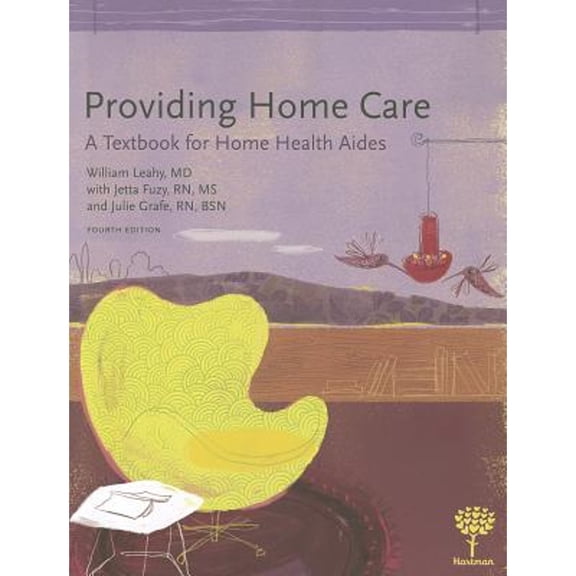


About Caregiving Books in Medical Books - Walmart.com
Caregiving books help you organize daily routines, planning details, and family conversations with clearer guidance. You can compare condition-specific topics, readable formats, and practical focus areas that fit your caregiving role.
If you're caring for a parent, spouse, or client, you may want support that feels clear and usable. You can find titles that cover dementia routines, paperwork, family communication, and everyday caregiving decisions.
How to choose caregiving books
You should start with the care recipient's condition, because that choice shapes the advice you need. You can narrow your search to dementia, Alzheimer's, aging parents, or general eldercare topics.
When you compare by condition, you can find books that explain diagnosis stages and daily changes in plain language. You may also prefer books that define medical terminology clearly, so your reading feels easier to use.
Your role matters too, because a family caregiver guide often differs from a professional reference. You might want step-by-step help for home routines, or you may need broader communication and planning support.
- You can use condition-specific titles to focus on memory care routines, communication cues, and changing daily needs.
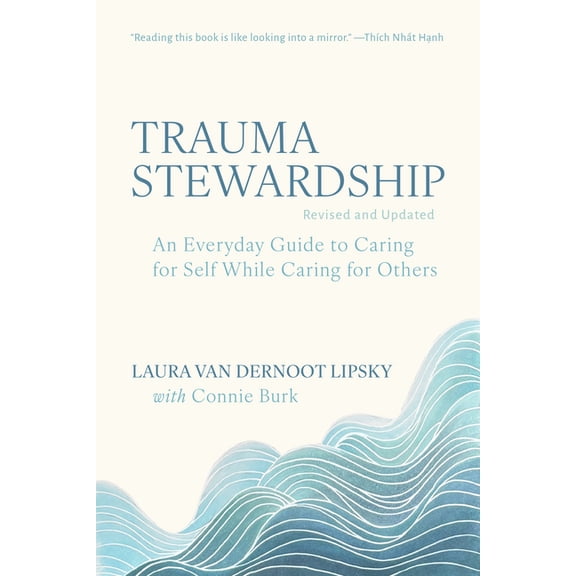
- You can choose emotional support books when you want personal stories, encouragement, and reflective guidance.
- You can compare practical guides when you need checklists, schedules, care notes, and planning worksheets.
- You can select paperback, hardcover, e-book, or audiobook formats based on how and where you read.
Books on caring for aging parents
You may want books on caring for aging parents when you're balancing appointments, home responsibilities, and family conversations. You can look for titles that break complex topics into short sections and clear action steps.
Some books focus on daily activities, including meal routines, bathing support, transportation planning, and household organization. You can also find eldercare books that cover financial planning, paperwork, and long-term family coordination.
Author background can guide your choice when you want more structured information. You should look for credentials, professional experience, or caregiving expertise that match the topic you're reading.
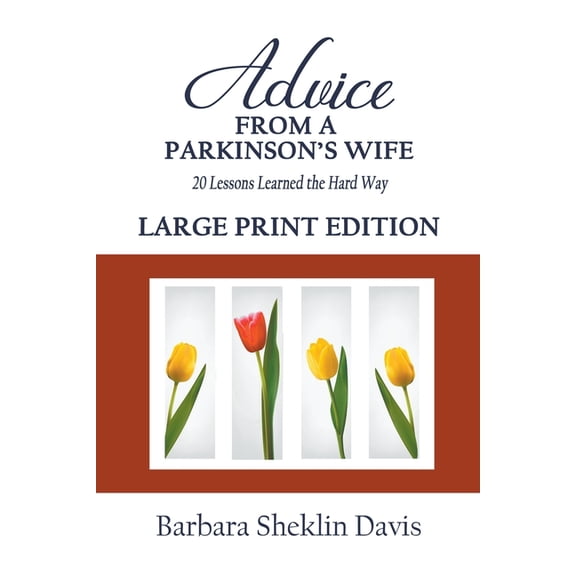
If you prefer a calmer reading experience, you can check whether the layout includes headings, charts, or quick-reference summaries. You may also want larger print, shorter chapters, or workbook-style pages for easier use.
Choosing dementia caregiving books
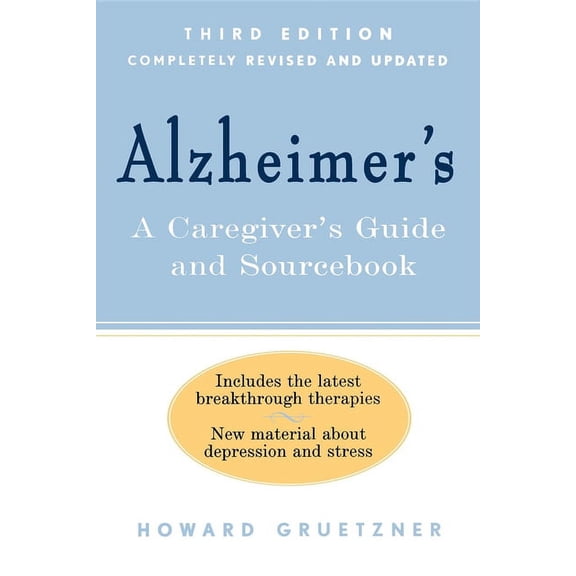
You may need dementia caregiving books when memory changes affect routines, communication, and supervision. You can focus on titles that explain stages, behavior patterns, and daily structure without overwhelming language.
Condition-specific books often help you compare broad overviews with stage-based guidance. You can choose introductory titles for early learning, or you can select detailed references for ongoing care planning.
If Alzheimer's topics are your priority, you can look for books that distinguish Alzheimer's from broader dementia terms. You may find that this distinction helps your reading feel more relevant to your situation.
You should also compare tone, because some books lean on personal stories while others emphasize checklists and care plans. You can match that style to whether you want reassurance, structure, or both.
Comparing formats, focus areas, and author authority
You can choose paperback or hardcover when you want a physical reference beside your notebook or calendar. You may prefer an e-book for quick searching, or an audiobook for listening during commutes.
Your focus area can narrow the category fast. You can choose emotional support, financial planning, health-related information, or daily activities based on the questions you're facing now.
Health-related information feels easier to trust when you can verify the author's credentials and topic background. You should check whether the writer is a clinician, educator, researcher, or experienced caregiver with relevant expertise.
Practical books often include forms, lists, and sample schedules that you can use right away. Story-driven books may help you process changing family roles, expectations, and conversations with more context.
How caregiving books fit real caregiving situations
If you're new to caregiving, you can start with a broad family caregiver guide that explains terms and common responsibilities. You may then add a condition-focused title as your needs become more specific.
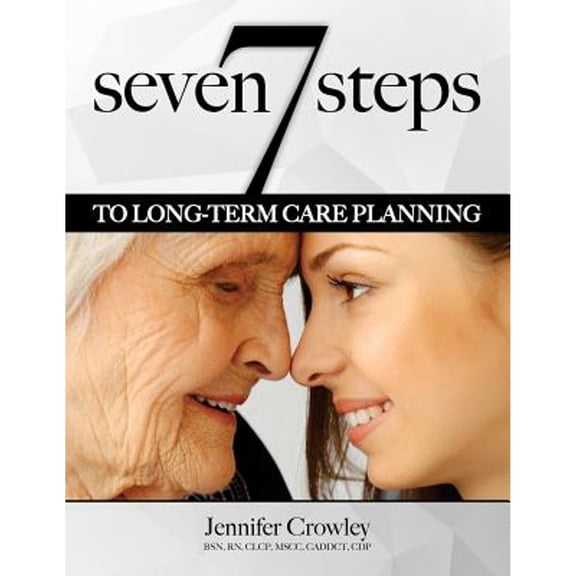
If you're supporting aging parents from a distance, you can use books that cover coordination, scheduling, and shared family responsibilities. You might also want planning titles that organize paperwork and next-step discussions.
When your day feels packed, you can choose short chapters, bullet lists, or workbook sections for faster reference. If you absorb information better by listening, you can consider caregiving audiobooks for flexible reading time.
For ongoing eldercare, you can build a small home reference library around one condition guide, one planning book, and one emotional support title. That mix can help your caregiving decisions feel clearer and more organized.
You can use caregiving books to create a steadier routine, clearer conversations, and more informed planning. With the right mix of condition focus, format, and guidance style, your next caregiving step can feel easier to navigate.