

Anatomy Books in Medical Books














About Anatomy Books in Medical Books - Walmart.com
Anatomy books help you match your coursework, study style, and subject focus from the start. You can compare textbooks, atlases, and workbooks that fit classroom study, lab review, and visual practice.
If you're building a study shelf, you may want anatomy books that align with your current academic level. You can also compare formats that support note-taking, image review, and repeated practice before exams.
Choosing anatomy books by academic level
When you compare academic levels, you should look for content that matches your course sequence and terminology. You can start with introductory titles if you want broad body system coverage and simpler diagrams.
For undergraduate classes, you may prefer books with chapter summaries, labeled illustrations, and review questions. If you're in medical school, you may need deeper detail, clinical correlations, and stronger curriculum alignment.
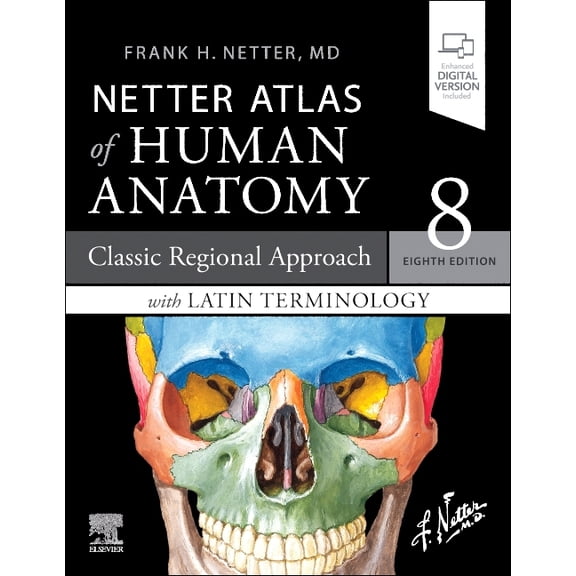
As you move into advanced study, you can look for a human anatomy book for medical students with atlas-style plates. You may also want a medical anatomy textbook that supports intensive review and USMLE prep.
How to compare anatomy and physiology workbooks
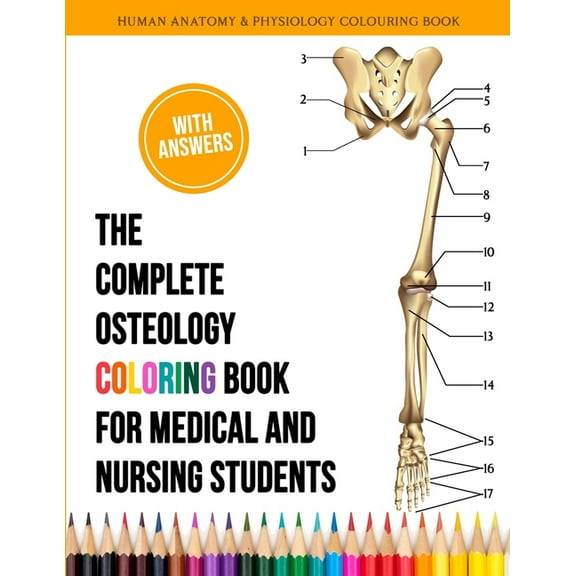
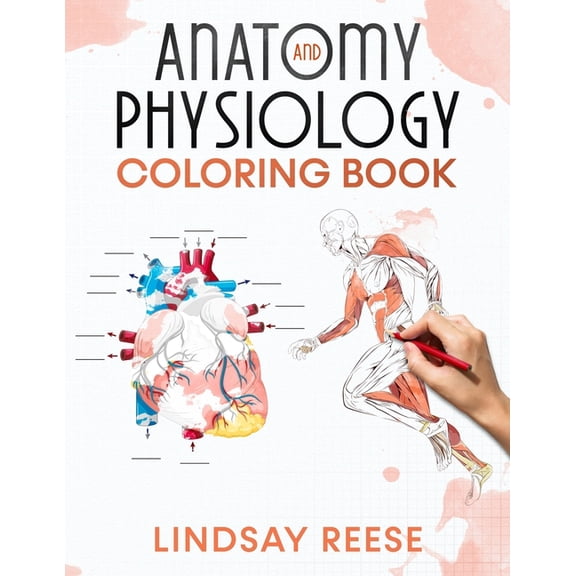
If you learn by doing, anatomy and physiology workbooks can give you space to label, match, and review. You can use written exercises to reinforce structures, systems, and vocabulary across repeated study sessions.
An anatomy and physiology workbook often works well when you need guided practice beside a lecture text. You may prefer this format if your course includes quizzes, labs, or weekly assignments.
- You can write directly in many workbook pages for active recall practice.
- You can review diagrams, labeling tasks, and chapter checks in one place.
- You can pair workbook exercises with lectures, labs, and test prep sessions.
- You can compare beginner-friendly pages with more advanced clinical review content.
When you choose between a workbook and a reference title, you should consider how you actually study. If you highlight and answer prompts, you may benefit from interactive pages instead of text-heavy chapters.
Picking the right format for your study style
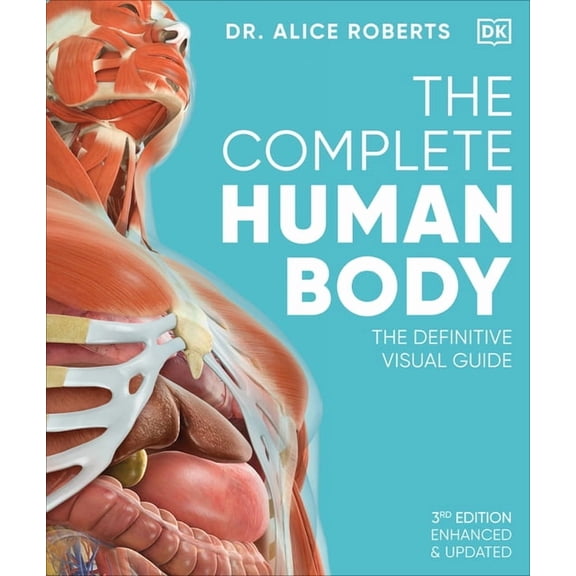
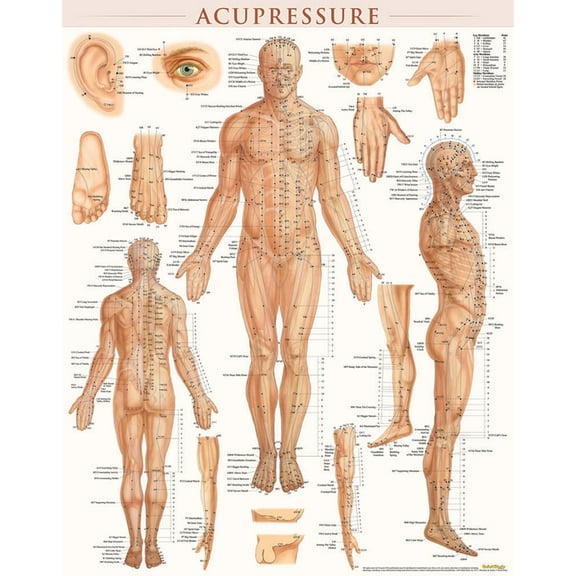
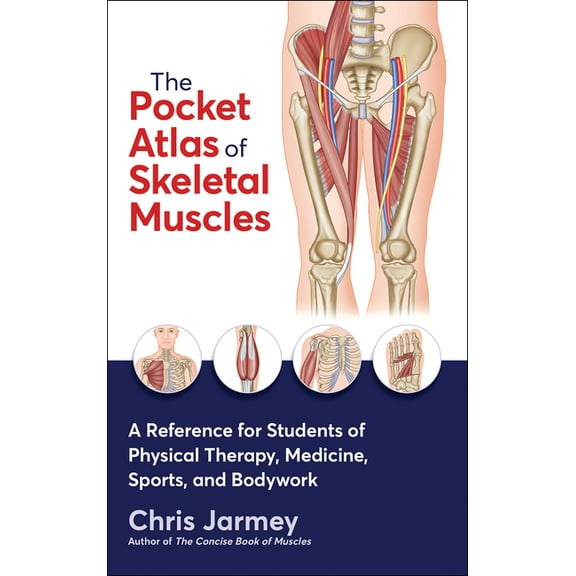
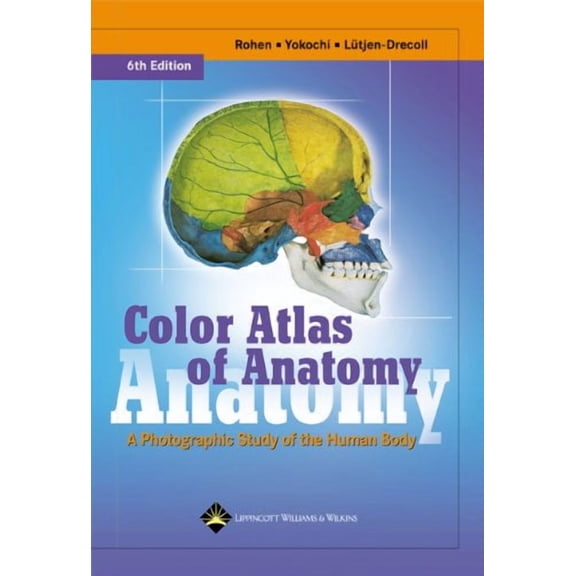
You can choose a textbook when you need structured lessons, long explanations, and chapter-based learning. You may choose an atlas when you want strong visual reference and region-by-region image study.
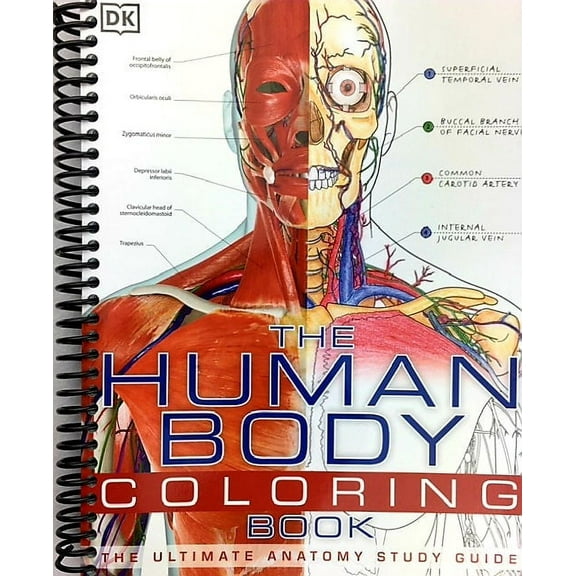
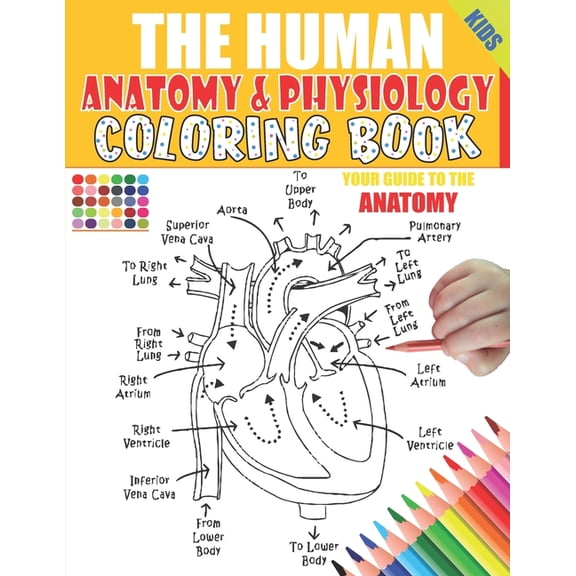
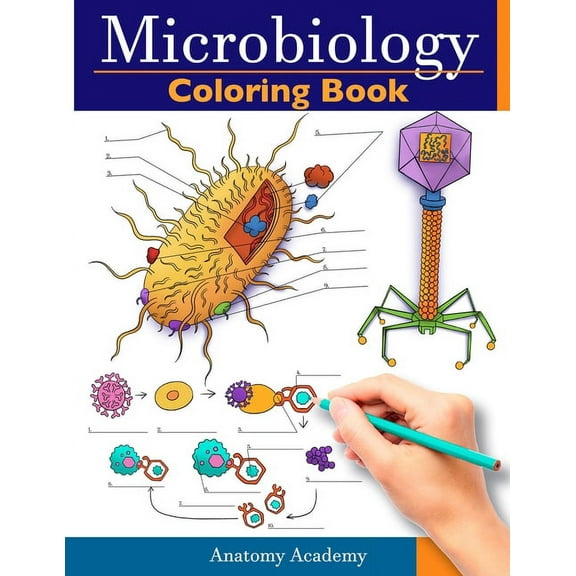
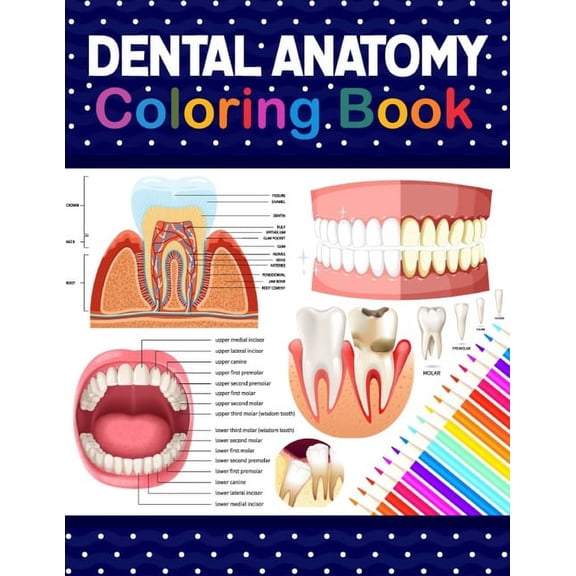
If you prefer hands-on review, you can compare coloring books, flashcards, and workbook formats. You may know netter's anatomy coloring book as a familiar option when you want line art and labeling practice.
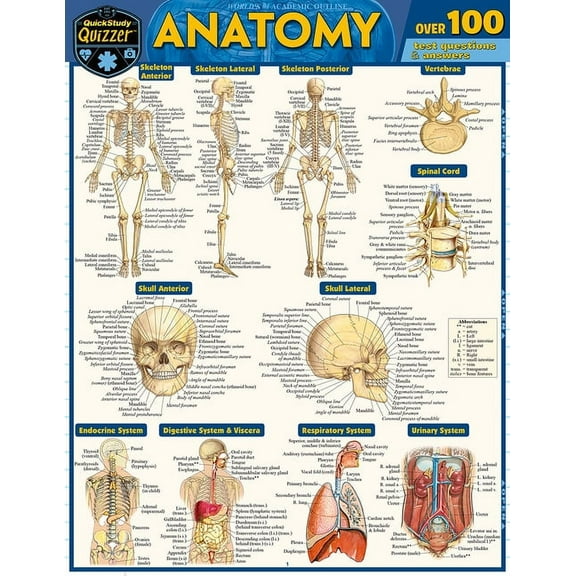
Visual style matters when you study anatomy for hours at a time. You can compare photographic plates for realistic detail or line illustrations for cleaner structure recognition.
Some books also include online study access codes, which can add quizzes or digital review tools. You should check whether access is included if your course uses online assignments or mobile review.
Matching subject focus to your course needs
You can narrow your choice by subject focus before you compare covers, page counts, or extras. Gross anatomy titles often help you study regions, structures, and relationships across the whole body.
If your class emphasizes systems, you may want physiology coverage alongside structural anatomy lessons. You can use combined texts when you need both function and form in one study path.
Neuroanatomy books can support brain, spinal cord, and pathway study with focused diagrams and terminology. Clinical anatomy titles may fit you when you want case-based context and application to patient-facing learning.
When your course shifts between lab and lecture, you should compare books with tables, labels, and image captions. You can often study faster when the visual layout mirrors your classroom sequence.
Finding anatomy books for different audiences
Anatomy books for medical students usually emphasize dense terminology, layered detail, and exam-focused organization. If you're in nursing courses, you may prefer books that connect body systems to everyday clinical coursework.
If you're an artist or hobbyist, you may want anatomy books with clear muscle groups and surface landmarks. You can focus on proportion, movement, and visual structure without needing a full medical curriculum.
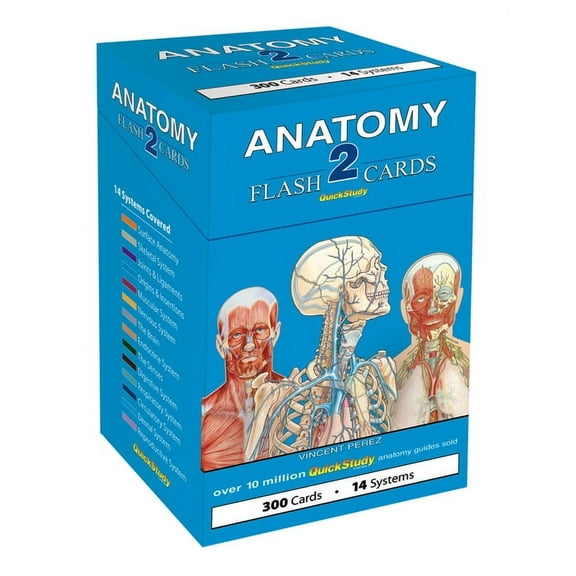
For mixed learning goals, you can compare books that blend reference images with workbook tasks. You may also want flashcards or atlases when you need portable review between classes or study sessions.
As you compare options, you should measure how much detail you need now and later. You can choose a format that supports your current class while still helping you review key structures clearly.
With the right anatomy books, you can study in a way that fits your level, your format preference, and your course goals. You can move from chapter reading to visual review with materials that make complex structures easier to organize.