

Public Health Books in Medical Books

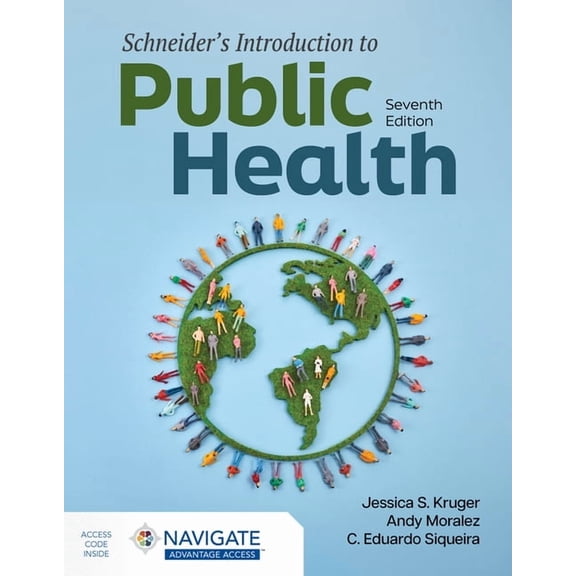




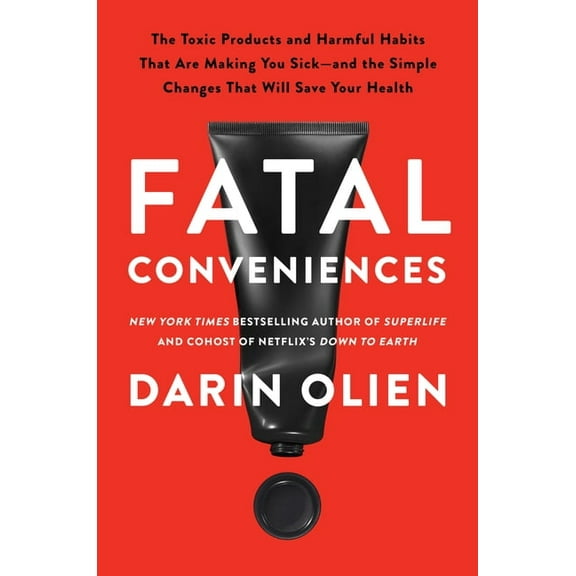


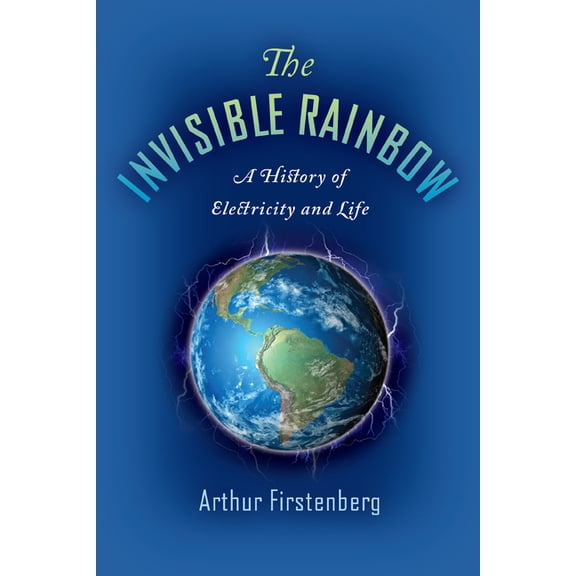



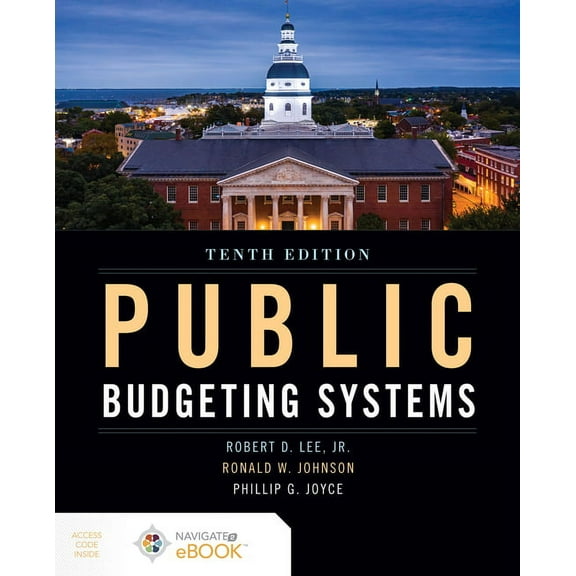
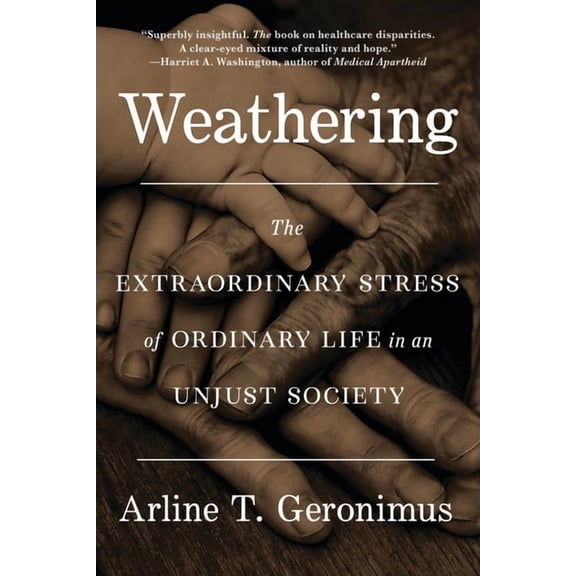
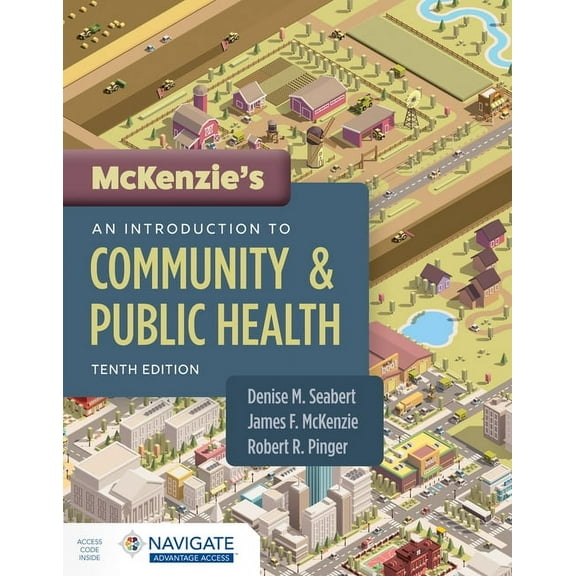

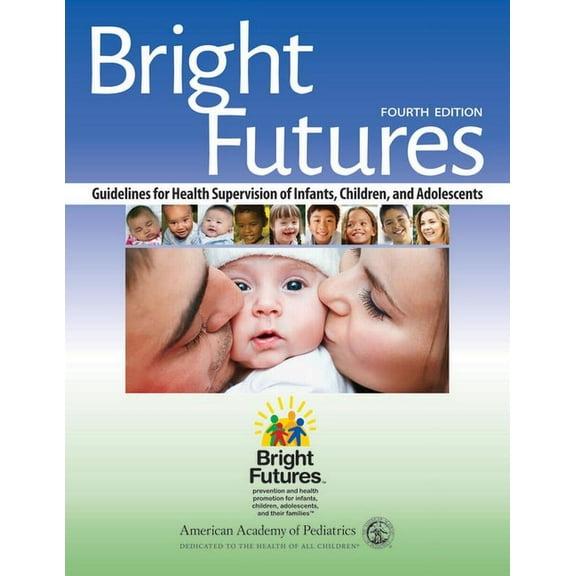







About Public Health Books in Medical Books - Walmart.com
Public health books help you compare course materials, policy reading, and field references in one focused place. You can narrow your search by format, topic, audience level, and publication era.
How to choose public health books
You'll want to start with your reading goal before you compare covers or editions. Your needs may center on a public health textbook, a professional reference, or narrative books about public health.
For classwork, you'll usually need structured chapters, review sections, and citation support. For independent reading, you may prefer books on public health that connect policy, community systems, and current events.
You can also use this category to compare broad survey titles with specialized texts. Your search becomes more simplified when you match the book's scope to your coursework or professional focus.
Choosing the right format and audience level
You'll see format options that shape how you read, annotate, and carry your materials. Your choices may include paperback, hardcover, eBook, and textbook editions for different study habits.
- You can choose paperback when your reading list changes often and your bag space matters.
- You may prefer hardcover when your shelf includes long-term references you revisit across multiple terms.
- You can select eBook formats when your notes, search tools, and device access guide your workflow.
- You may need textbook formats when your course syllabus requires chapter order, edition matching, and end-of-unit review content.
Audience level matters just as much as format when you compare titles. You'll usually find introductory books for foundation concepts, academic texts for coursework, professional references for practice, and general reader titles for accessible context.
If you're new to the field, you'll benefit from plain-language explanations and broad overviews. If your work is advanced, you'll likely need detailed analysis, research methods, and discipline-specific terminology.
Comparing a public health textbook by topic focus
You'll make decisions more quickly when you sort by the subject area you actually need. Your primary options often fall into epidemiology, global health, health policy, biostatistics, or environmental health.
In epidemiology titles, you'll usually look for study design, outbreak investigation, and population trends. In biostatistics texts, you'll often compare data interpretation, formulas, and examples that support classroom assignments.
Global health books can help you follow cross-border systems, development issues, and international program planning. Health policy titles often guide your understanding of legislation, access, financing, and public program design.
Environmental health books often focus your reading on exposure pathways, regulation, and community conditions. You'll notice each topic supports a different class requirement or professional interest.
What to look for in edition year and publication era
You'll want to check whether your title is a current release, a classic text, or a historical perspective. Your choice depends on whether you need current data, foundational theory, or context for how the field evolved.
For current coursework, you'll often need the current edition year and clear revision notes. You'll benefit when recent editions reflect updated case studies, refreshed charts, and current policy discussions.
Classic texts can still matter when your instructor assigns foundational frameworks or landmark ideas. Historical perspectives help you trace how public health practice, research methods, and policy debates changed over time.
You should compare edition details closely when a syllabus lists a required version. Your assignments may align with chapter numbers, terminology updates, or revised problem sets in a specific edition.
Matching public health books to real reading scenarios
If you're building a semester reading list, you'll likely start with an academic text in your subject area. Your next step may be adding a companion title that explains policy, data, or field history in plain language.
When your work centers on community programs, you may prefer practical books on public health with case examples. You'll often get more useful context from books that connect systems, populations, and program evaluation.
If you're preparing for discussions, presentations, or research papers, you'll want books with comprehensive references and clear chapter structure. Your review process becomes more simplified when tables, glossaries, and indexes are easy to use.
For broader reading, you may choose general reader titles that explain complex issues without dense classroom formatting. You'll still gain useful perspective on epidemiology, environmental health, and global health topics.
You can also combine publication eras to build a more comprehensive understanding of the field. Your reading may include one current textbook, one classic framework, and one policy-focused narrative for balance.
Why this category works for focused research
You'll find this category especially useful when your subject crosses science, policy, and social systems. Your comparison process stays clear because the main decisions center on format, topic focus, audience level, and edition currency.
With the right public health books, you'll support coursework, professional development, and informed reading with materials that fit your exact study path. Your final choice can give you clear structure, broad context, and relevant reference support.