

Cardiology Books in Medical Books
















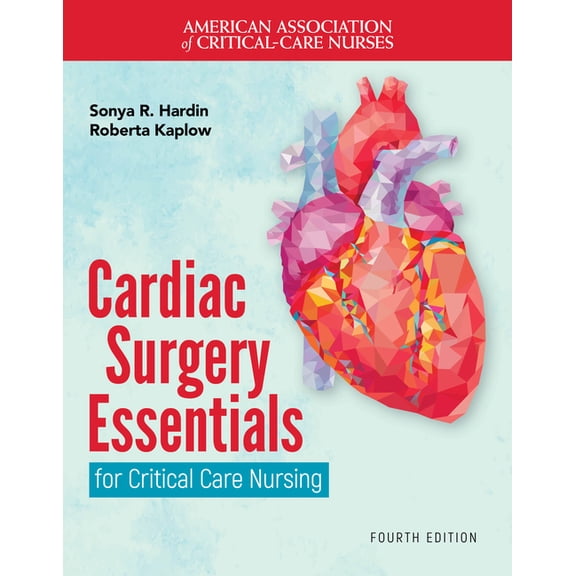




About Cardiology Books in Medical Books - Walmart.com
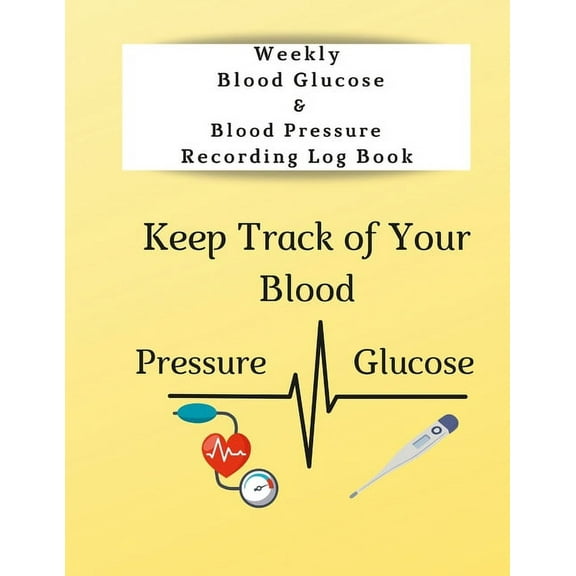
Medical tracker journal options help you organize readings, symptoms, appointments, and study notes in one place. You can also compare heart health books and ECG guides that match your experience level and daily routine.
How to choose a medical tracker journal
When you choose a medical tracker journal, you should first match the format to how you record information. You may prefer spiral-bound pages for quick entries or hardcover books for shelf reference.
If you carry your book between classes or visits, you may want a paperback that travels easily. If you read across devices, you may prefer an e-book for searchable notes.
Your content type matters just as much as the cover style. You may want journals and trackers for daily logs, or you may need textbooks and reference manuals for deeper study.
Choosing heart health books by audience
Your experience level should guide your choice before you compare page counts or layouts. You may need plain-language heart health books for everyday tracking, or more technical texts for coursework.
If you're a patient, you may look for books with room for blood pressure notes, medication lists, and appointment questions. If you're a nurse or student, you may look for organized tables, rhythm examples, and exam review sections.
As a cardiologist or advanced learner, you may prefer reference manuals with denser terminology and current edition details. You should check whether the language matches your training, so your reading feels useful immediately.
- You can keep daily readings, provider notes, and symptom timelines together.
- You can compare technical study guides with plain-language heart health books.
- You can choose formats that fit your desk, bag, or digital routine.
- You can focus on ECG study, preventive heart health, or general cardiology topics.
What to look for in formats and content types
You should compare book format and content type as one decision, not two separate steps. You may find that a spiral-bound tracker works for daily entries, while a hardcover reference supports repeated lookup.
For textbooks, you should look for chapter structure that helps you review concepts in sequence. For study guides, you should check whether summaries, diagrams, and practice questions support faster recall.
With journals and trackers, you should look for dated or undated pages, clear writing space, and sections for appointments. With reference manuals, you should compare indexes, tables, and topic organization.
Your specialty focus also changes what you should prioritize. You may want electrocardiography content for rhythm interpretation, preventive heart health topics for daily management logs, or broader cardiology coverage.
Comparing ECG guides and edition details
If you're studying rhythm interpretation, you should compare ECG titles by clarity and edition currency. You may search for ecgs made easy when you want step-by-step explanations instead of dense theory.
You should also review edition details before you commit to a study guide. If you need ecgs made easy 7th edition, you should confirm that the content matches your course or exam list.
Older editions may still help you review tracing basics, page layout, and learning style. Newer editions may matter when you need updated terminology, refreshed diagrams, or current teaching emphasis.
Your ideal ECG resource should make waveform patterns easier to follow at your pace. You may prefer books with annotated strips, margin notes, and short chapter recaps for quicker review.
Matching specialty focus to your routine
If you track daily information at home, you may prefer preventive heart health titles with logs and prompts. You can use those pages to keep readings, questions, and visit summaries together.
If you're building coursework knowledge, you may need general cardiology texts that explain anatomy, terminology, and common diagnostic concepts. You should look for chapter flow that supports steady review across a semester.
When your focus is electrocardiography, you may want books that move from basic rhythm recognition to more advanced tracing practice. You can compare study guides with reference manuals based on how much explanation you need.
Your routine can also shape how often you open the book. If you write every day, you may want durable binding and flat pages, while occasional reference use may suit hardcover storage.
How these books fit real scenarios
If you're a medical student, you may pair a study guide with a tracker for lecture notes and rhythm practice. You can keep formulas, instructor reminders, and assigned readings in one workflow.
If you're a nurse, you may prefer a portable format that supports quick review during a busy schedule. You can use a slim guide for refreshers and a journal for follow-up notes.
If you're supporting your own care, you may want heart health books that explain terms in everyday language. You can bring a tracker to appointments, so your questions and observations stay organized.
If you're building a home reference shelf, you may combine a hardcover manual with an e-book for search convenience. You can then review core concepts at home and check notes on the go.
You can choose more confidently when you compare format, audience, content type, and specialty focus together. Your right pick supports clearer notes, faster review, and more organized heart-related reading.