

Chemotherapy Books in Medical Books

















![Pre-Owned Mosby's Drug Guide for Nurses with 2010 Update [With Mini CDROM] (Paperback) 0323069398 9780323069397](https://i5.walmartimages.com/seo/Mosby-s-Drug-Guide-for-Nurses-with-2010-Update-Paperback-9780323069397-by-Linda-Skidmore-Roth_611357f6-e923-4e87-bb27-2371fe64fc69.9d7b9ff552bba5e33818ff2bb8a0414c.jpeg?odnHeight=576&odnWidth=576&odnBg=FFFFFF)

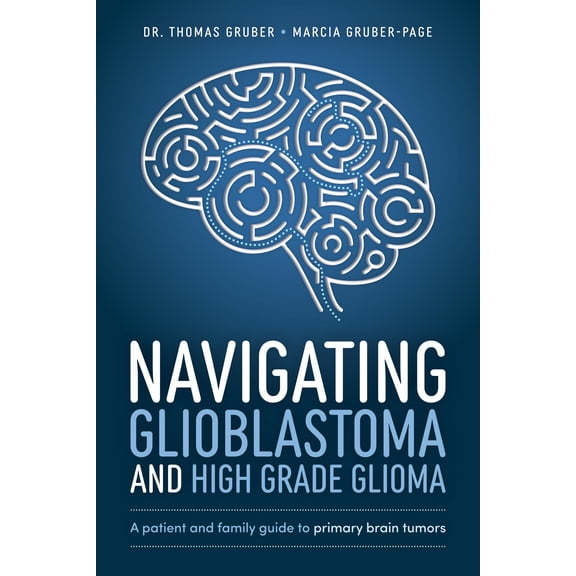

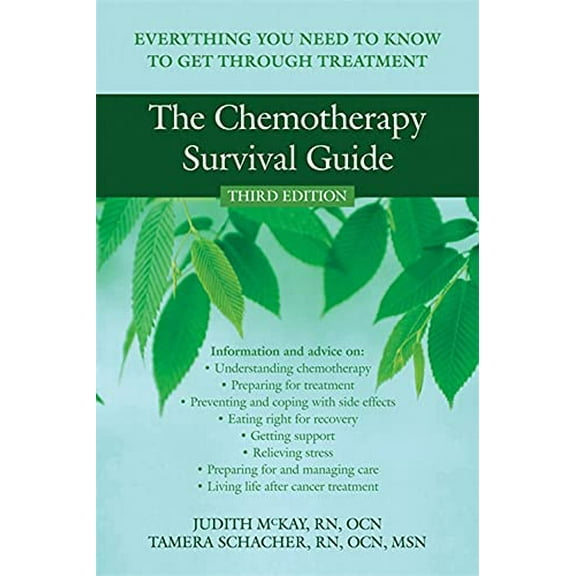


About Chemotherapy Books in Medical Books - Walmart.com
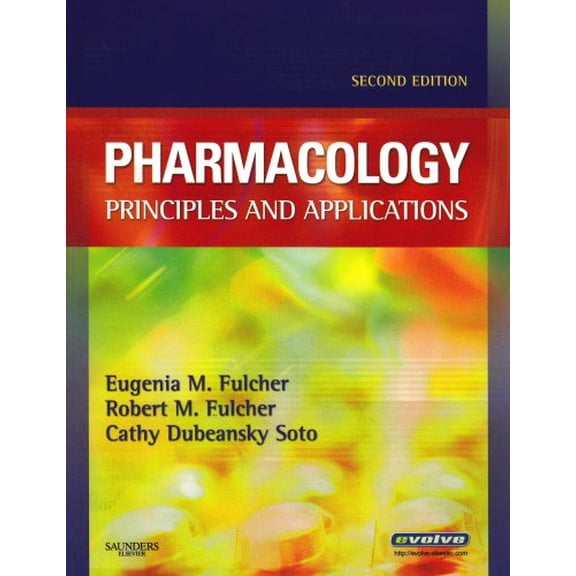
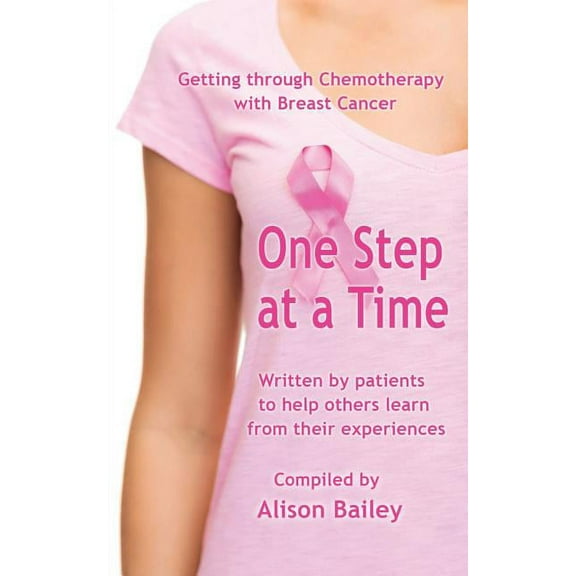
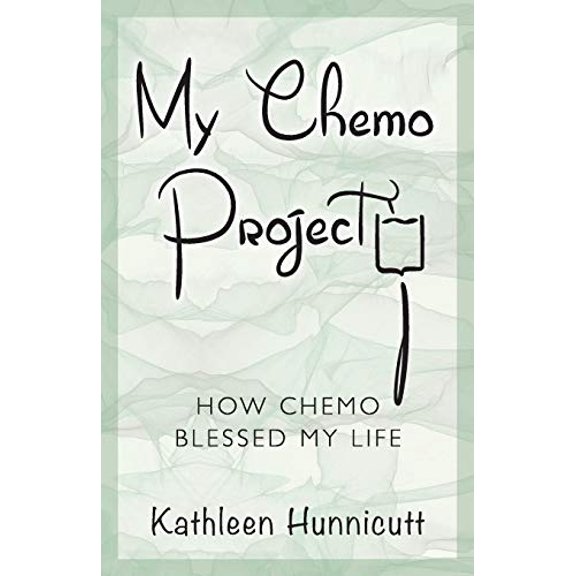
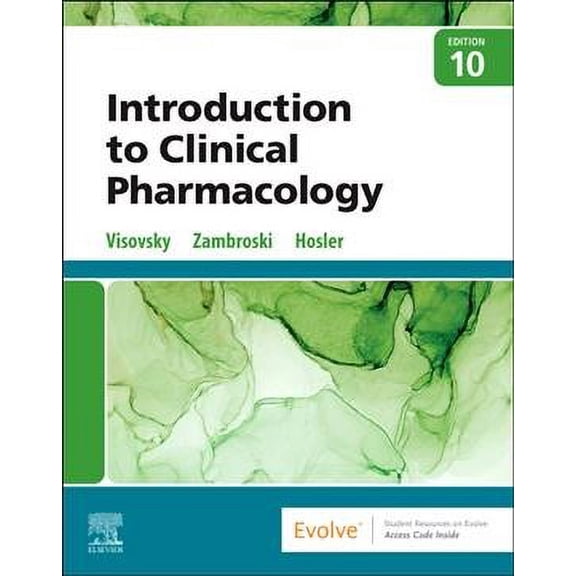
Chemotherapy books help you compare patient guides, caregiver resources, and practical reading formats before you choose titles that fit your situation. You can use this category to focus on books written for treatment routines, meal planning, emotional support, and daily tracking.
How to choose chemotherapy books for your audience
If you're shopping for yourself, you may want chemotherapy patient guides that explain treatment steps in plain language. If you're supporting someone else, you may prefer caregiver-focused titles with communication tips and scheduling tools.
Children and family members often need a different tone than adult patients. You can look for age-appropriate books that explain appointments, routines, and changing emotions in simpler words.
Your audience matters because the same topic can feel very different in each book. You should compare whether a title speaks to patients, caregivers, family members, or children before you choose.
What to look for in books on chemotherapy
Books on chemotherapy can give you structure when you want clear explanations and practical next steps. You can compare medical guides, memoirs, nutrition plans, and journals based on how you like to learn.
- You can choose medical guides when you want organized explanations, treatment terms, and question lists for appointments.
- You can pick memoirs when you want personal stories, shared routines, and relatable reflections during treatment.
- You can use nutrition plans when you want recipe ideas, grocery guidance, and simple food organization.
- You can select journals when you want space for notes, symptom logs, and daily questions.
Your reading style also shapes the right choice. You may want a clinical tone for facts, or you may want an empathetic tone that feels more personal.
Practical utility can make a title easier to use every day. You should look for meal plans, trackers, checklists, reflection prompts, and space for appointment notes.
Choosing focus areas in cancer treatment books
Cancer treatment books often center on a specific need instead of covering everything at once. You can narrow your choice by deciding whether you want coping strategies, diet guidance, emotional support, or tracking tools.
If you want coping with chemotherapy resources, you may prefer books with routines, journaling prompts, and conversation starters. If you want food guidance, you can compare cancer nutrition books with recipes, ingredient lists, and meal planning pages.
You may also want titles that organize treatment details in one place. Books with logs and guided pages can help you keep questions, schedules, and observations together.
Some readers want straightforward explanations, while others want encouragement and reflection. You should check the table of contents or summary to see whether the focus matches your current priorities.
Comparing formats and everyday usability
Your preferred format can change how often you use a book. You can compare paperback, hardcover, and e-book options based on portability, note-taking, and reading habits.
Paperbacks can feel easier to carry in a tote or waiting room bag. Hardcovers may suit you if you want a sturdier format for frequent reference at home.
E-books can help you switch between devices and read whenever you have a few minutes. You may prefer digital access if you want quick searching, bookmarking, and adjustable text size.
You should also think about how you plan to use the book each week. If you want to write directly on pages, you may lean toward journals or printed guides.
Matching use cases to the right chemotherapy books
If you're newly building a reading list, you can start with one guide for treatment basics and one journal for notes. That combination can give you both explanations and a place to track daily details.
If you're shopping for a caregiver, you may want books that cover support roles, appointment planning, and conversation tips. Those titles can help you stay organized while keeping information easy to revisit.
If you're choosing for a family member or child, you should look for a gentler tone and clear structure. Books with stories, short sections, or guided prompts can feel easier to follow.
You may also want to pair memoirs with practical guides. That mix can give you both personal perspective and usable tools for meals, questions, and routines.
When you compare chemotherapy books by audience, book type, focus area, and format, you can narrow choices with more confidence. You end up with reading support that fits your schedule, your note-taking style, and your information needs.