

Drug Guide Books in Medical Books


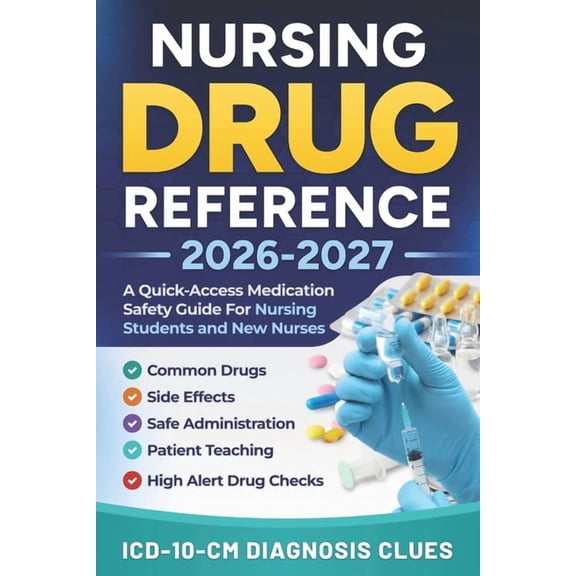

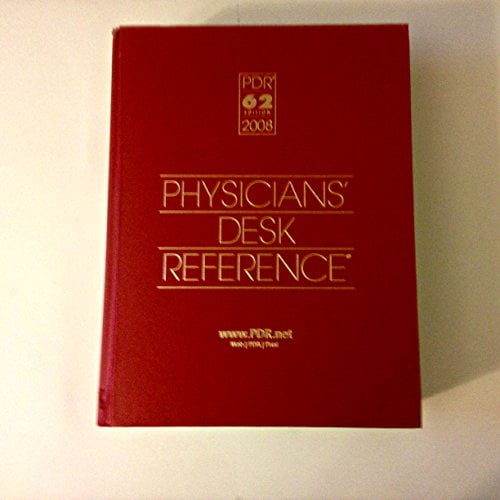
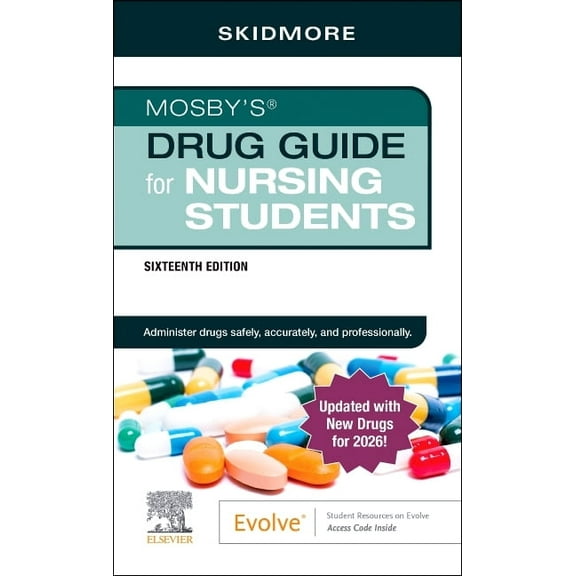


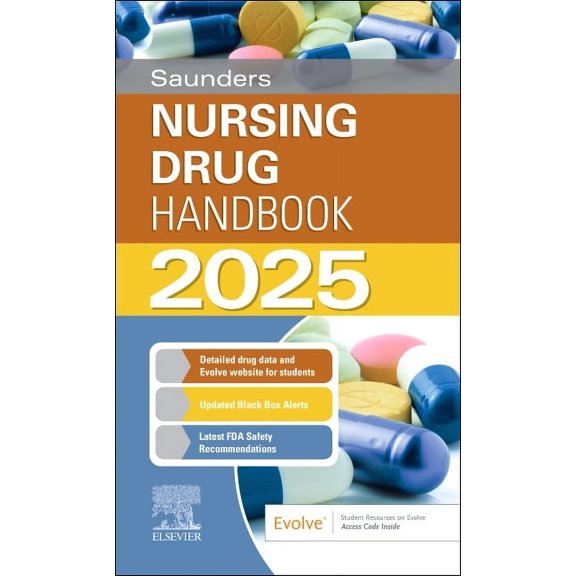












![Pre-Owned Litt's Drug Eruption Reference Manual Including Drug Interactions, 11th Edition [With CDROM] (Paperback) 1841844934 9781841844930](https://i5.walmartimages.com/asr/39afa4d9-c910-4536-ac57-adcd7237ca18.1bfcd80357d811b738cff7ad03f2a071.jpeg?odnHeight=576&odnWidth=576&odnBg=FFFFFF)



About Drug Guide Books in Medical Books - Walmart.com
You can compare a medication dictionary book more easily when you focus on audience, format, edition year, and reference depth. You may need quick lookups for class, rounds, pharmacy study, or home reading, so your guide should match how you use drug information.
You’ll notice this category includes choices that work differently for nurses, pharmacists, doctors, students, and general readers. You can also compare pocket guides with desk references, plus newer editions that reflect current naming, dosage listings, and prescribing details.
How to choose a medication dictionary book
You should start with the intended reader because terminology and layout vary across audiences. You may want simpler definitions for home use, while your coursework or clinical setting may call for denser pharmacology language.
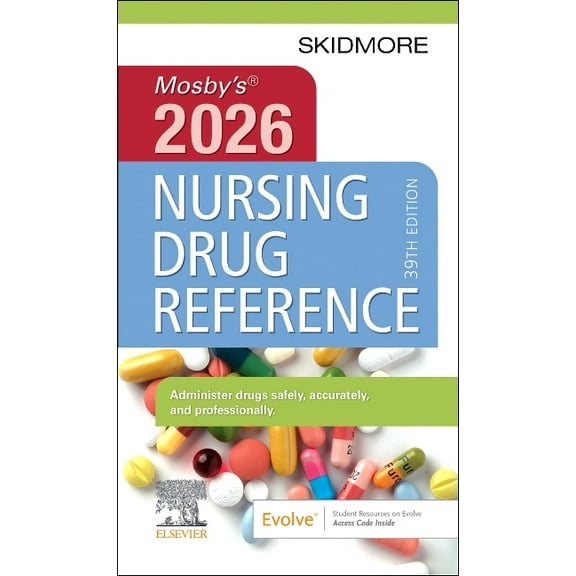
If you’re a nursing student or practicing nurse, you may look for administration notes, common classifications, and organized charts. If you’re choosing a medication book for doctors or pharmacists, you may prefer broader monographs and more detailed prescribing reference sections.
You can also compare books for students who need review-friendly layouts and books for professionals who need faster indexing. You’ll often find that audience fit matters as much as page count when you need reliable daily reference.
Choosing the right prescription drug reference book format
You should compare format next because portability affects how and where you use the book. You may prefer a medication pocket book for a bag, coat pocket, or study tote when you need fast checks away from your desk.
Spiral-bound options can help you keep pages open during note-taking or coursework. Paperback formats can feel lighter in your hands, while hardcover editions may suit shelves, offices, and repeated reference use.
You can think of a pocket guide as a quick lookup tool and a larger prescription drug reference book as a deeper study source. You’ll usually trade compact size for wider coverage, appendices, and longer drug entries.
- You can carry pocket size formats more easily during classes, labs, or rounds.
- You can use spiral-bound layouts when your notes and page visibility matter.
- You can choose paperback or hardcover based on how often you move the book.
- You can compare quick-reference layouts with comprehensive desk-reference organization.
What to look for in drug reference books by edition year
You should check the edition year before anything else if you rely on current information. You may prefer 2024, 2025, or 2025-2026 editions when your coursework or practice expects newer drug data.
You can use edition year as a shortcut for freshness, especially in a prescription drug book with annual updates. You’ll want to compare copyright pages and edition labels when similar covers make two books look alike.
Newer editions may organize recently added medications, revised brand and generic naming, and updated tables more clearly. You can also look for indexes, appendices, and study aids that reflect current classroom and workplace expectations.
Comparing content focus in a drug reference book
You should match the content focus to the kinds of lookups you make frequently. You may want a nursing drug guide, a pill identification reference, a pharmacology dictionary, or a broader prescription drug book.
If your work centers on administration details and nursing considerations, you may lean toward nursing-focused guides. If your reading centers on terminology and classifications, you may prefer a medication dictionary book with dictionary-style entries.
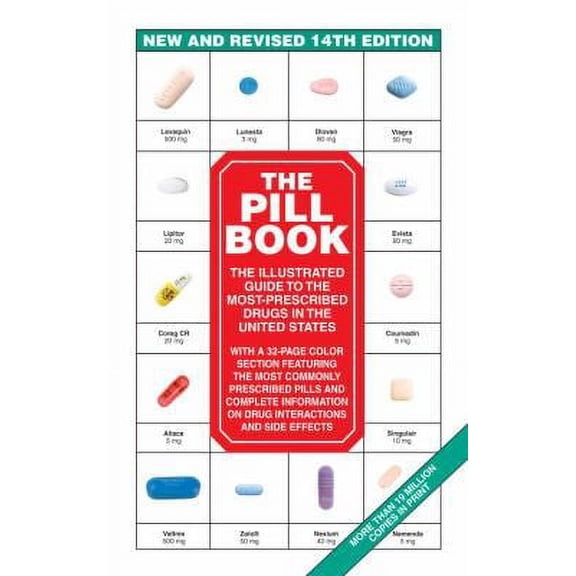
You can also compare books that emphasize pill appearance and identification tools with books that emphasize monographs and class summaries. You’ll get more useful reference support when the book’s structure matches your daily questions.
Understanding publisher and authority cues
You should compare publisher cues because established medical reference lines often signal a familiar structure. You may recognize names like Davis's, Lippincott, Mosby, or PDR when your school list or workplace references a specific series.
You can use publisher familiarity to predict layout style, indexing approach, and study support. You’ll still want to check the target audience and edition year, since a trusted publisher may offer several very different drug books.
When you compare drug reference books across publishers, you may notice some lean academic and others lean practical. You can narrow choices faster when you know whether your priority is coursework review, pocket access, or fuller prescribing detail.
Matching use cases to the right drug books
You may need a drug book for nurses during clinical rotations, where quick tabbed access matters. You can pair that need with pocket size or spiral-bound formats when portability and open-page use are essential.
If you’re building a shelf reference for office or classroom study, you may prefer hardcover or larger paperback formats. You’ll usually get more complete entries, wider appendices, and easier side-by-side review in those editions.
You can choose a medication pocket book for commuting students, exam prep bags, and fast in-class checks. You may prefer a broader drug reference book when your assignments require deeper comparison across classifications and prescribing details.
For home use, you may want plain-language definitions and alphabetical organization that feels easy to scan. For professional use, you may look for denser terminology, monograph depth, and current edition labeling that supports routine reference.
You can shop this category with more confidence when you compare audience, format, year, focus, and publisher together. You’ll end up with a reference that fits your workflow, keeps lookups faster, and makes study or practice more organized.