

Bariatrics Books in Medical Books


















About Bariatrics Books in Medical Books - Walmart.com
Bariatric books give you practical guidance for meal planning, recovery stages, and surgery-specific routines. You can compare cookbooks, journals, and reference titles that match your procedure and reading goals.
How to choose bariatric books for your needs
When you compare bariatric books, you should start with the type of help you want most. You may need recipes, daily tracking pages, clinical explanations, or a step-by-step bariatric surgery recovery guide.
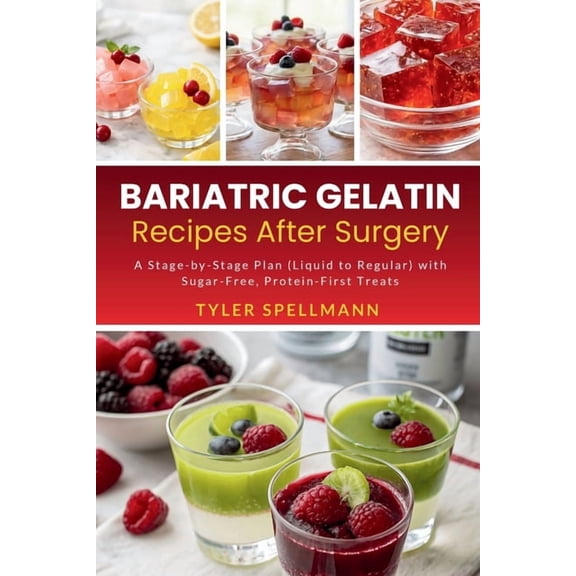
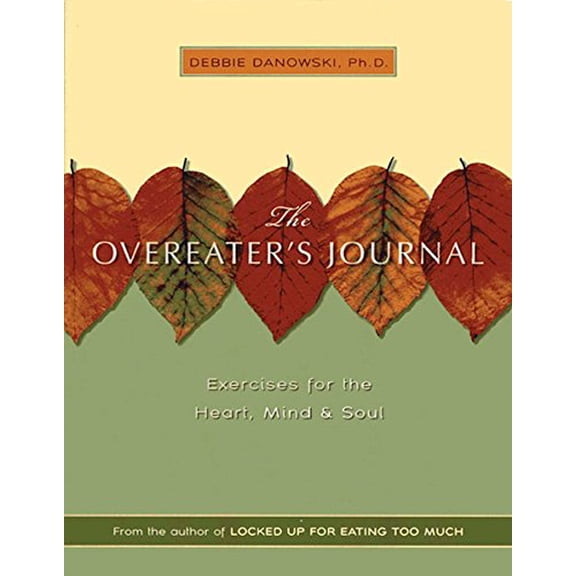
If you want kitchen support, you can look for bariatric surgery cookbooks with simple recipes and stage-based meal ideas. If you want progress tracking, you can choose journals that help you record meals, goals, and routines.
You may also want medical textbooks when you need deeper explanations of procedures, nutrition terms, or care planning. You can use memoirs and patient-focused titles when you want lived experiences alongside practical guidance.
Choosing book type and author expertise
You should check who wrote the book before you decide which title fits your goals. You can look for registered dietitians, bariatric surgeons, or patient authors, depending on the guidance you want.
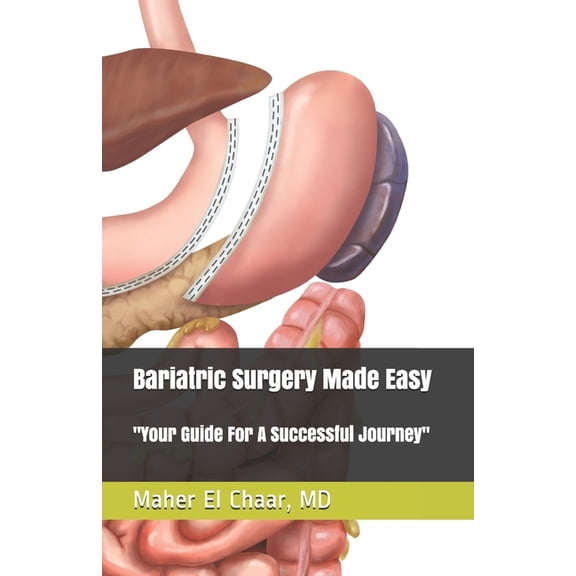
Books from registered dietitians usually help you compare portions, ingredients, and meal structure in plain language. Books from bariatric surgeons may help you understand procedure details, follow-up routines, and common post-op milestones.
Patient memoirs and journals can help you focus on everyday routines and personal organization. You can pair those titles with clinician-written books when you want practical guidance and technical context.
- You can choose cookbooks when you want recipe ideas for each diet phase.
- You can choose recovery guides when you want stage-based eating instructions and planning tips.
- You can choose journals when you want space for tracking meals, hydration, and appointments.
- You can choose medical textbooks when you want detailed terminology and procedure explanations.
Comparing gastric sleeve books and gastric bypass diet book options
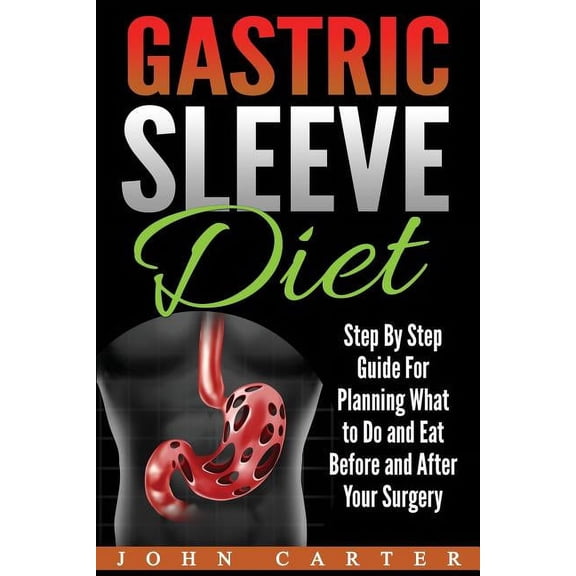
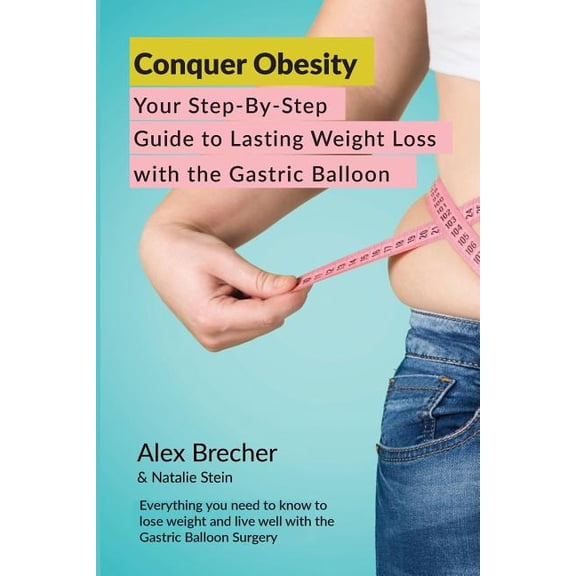
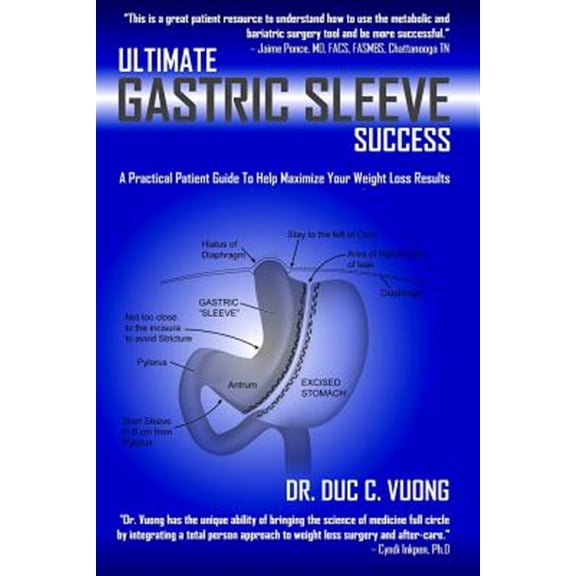
You should compare surgery-specific titles because eating guidance can differ by procedure. You may want gastric sleeve books if you need advice centered on sleeve-friendly portions and meal progression.
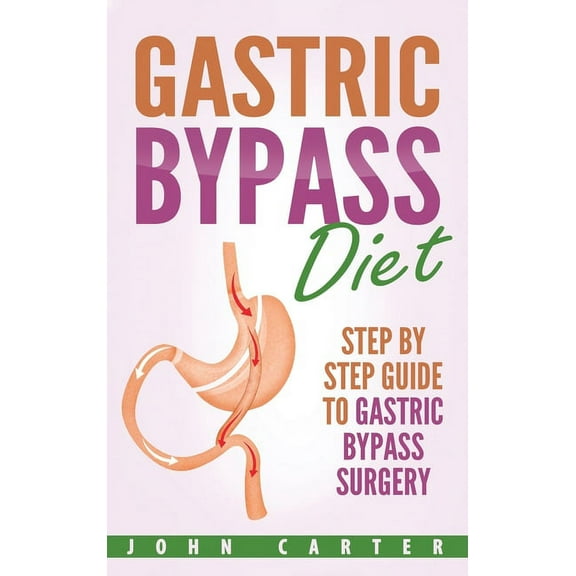
You can look for a gastric bypass diet book when you want procedure-focused food planning and recipe structure. You should check whether the title explains long-term maintenance as clearly as early recovery stages.
If you had lap-band surgery, you may prefer books that discuss adjustable eating routines and gradual meal changes. You can compare chapter outlines to see whether your procedure appears throughout the book.
Decision-critical terms can help you narrow choices when you understand what they mean for daily use. You should look for surgery-specific menus, portion guidance, and sample schedules that match your routine.
Matching books to each dietary phase
You should choose titles that line up with your current food stage, not just your surgery type. You may need liquid diet ideas first, then pureed food plans, soft foods, and long-term maintenance guidance.
Liquid diet sections usually help you understand simple menus, timing, and ingredient choices for early recovery. Pureed food chapters can help you compare texture-friendly meals that still feel varied and practical.
Soft food guidance can help you move into more familiar meals with clear preparation steps. Long-term maintenance chapters can help you build repeatable habits, weekly menus, and everyday meal structure.
You should also check whether the book labels recipes by phase for easier planning. You can move through recipes with less guesswork when each chapter matches a clear stage.
What to look for in bariatric surgery cookbooks
You should look for recipes that use familiar ingredients and clear prep steps. You may want books with short ingredient lists when you need meals that fit regular grocery trips.
Recipe simplicity matters because you can repeat easy meals more often during recovery and maintenance. You should compare serving sizes, protein-forward meal ideas, and snack options that fit smaller portions.
You can also check whether the cookbook includes meal plans, shopping lists, or texture notes. Those details help you connect recipes to real weekly routines instead of isolated dishes.
If you want variety, you can look for breakfast ideas, soups, soft entrees, and long-term meal options. You may also prefer books that organize recipes by dietary phase instead of course type.
Using bariatric books in real routines
You can use these books in several ways, depending on where you are in your journey. You might keep a recovery guide by your bedside and a cookbook in your kitchen for daily planning.
If you're preparing for surgery, you can compare procedure-specific chapters and author credentials before you choose a title. If you're already recovering, you can focus on phase-based recipes and weekly tracking pages.
You may use gastric sleeve books for meal progression, or you may choose a bariatric surgery recovery guide for structured daily reference. You can also combine journals with cookbooks when you want both planning support and recipe variety.
Bariatric books help you choose titles that match your procedure, diet phase, and preferred level of detail. You can find guidance that supports clearer meal planning, easier tracking, and more confident day-to-day routines.