

Occupational & Industrial Medicine Books in Medical Books






















About Occupational & Industrial Medicine Books in Medical Books - Walmart.com
Occupational industrial medicine books help you build clinical knowledge, support workplace programs, and prepare for specialized study. You can use this category to compare textbook formats, sub-specialties, and reference types that match your professional goals.
How to choose occupational industrial medicine books
When you compare occupational industrial medicine books, you should start with your primary purpose. You may need ABPM board review content, a daily clinic reference, or a regulatory handbook for workplace guidance.
Your next step is checking how each publication type supports your work. You can use textbooks for structured learning, reference guides for quick lookups, exam prep for review, and handbooks for policy details.
You should also match the format to how you study and document notes. You may prefer hardcover for long-term shelving, paperback for portability, e-book access for search, or spiral-bound layouts for desks.
Choosing occupational medicine textbooks for study and practice
Occupational medicine textbooks can help you follow core concepts in exposure assessment, fitness-for-duty topics, and preventive workplace care. You can compare chapter depth, edition details, and index quality before you commit.
If you study for exams, you should look for clearly organized review sections and updated terminology. You may also want tables, case examples, and summaries that support faster retention.
- You can use textbook formats for semester coursework and structured professional reading.
- You can use reference guides when your workday calls for fast topic checks.
- You can use exam prep titles when your timeline centers on certification review.
- You can use regulatory handbooks when your role involves OSHA-focused documentation and policy reading.
Your format choice can shape how easily you revisit complex subjects. You may find e-books useful for keyword search, while spiral-bound editions can stay open during note-taking.
Comparing industrial health books by sub-specialty
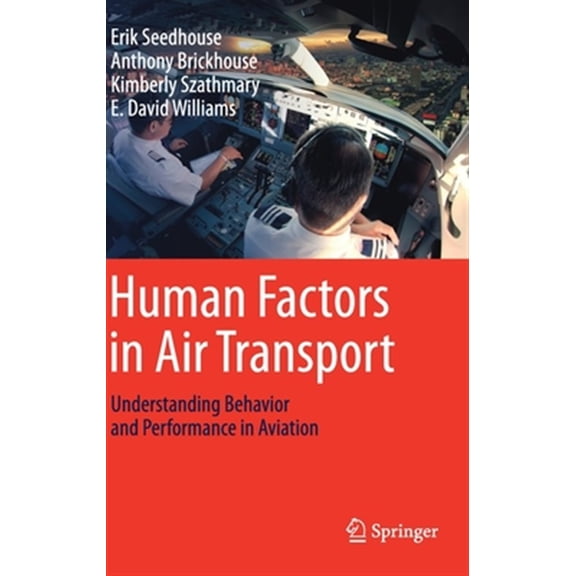
Industrial health books usually vary by scope, so you should decide whether you need broad coverage or focused depth. You may want one area like toxicology, ergonomics, aviation medicine, hyperbaric medicine, or public health.
If your work centers on exposure pathways and workplace agents, you should compare toxicology coverage carefully. You can look for chapters that explain monitoring concepts, workplace sources, and practical interpretation.
When your role involves job design and task analysis, you may prefer ergonomics-focused titles. You can use those books to review workstation factors, lifting considerations, and human performance topics.
If your setting includes specialized environments, you should check for aviation medicine or hyperbaric medicine content. You may need those focused references when your reading supports unique occupational settings and protocols.
Public health titles can help you connect workplace issues with population-level planning. You can compare how each book handles surveillance, policy context, and prevention frameworks.
Matching occupational safety literature to your audience
Your professional role should guide the level of detail you choose. You may need foundational explanations as a medical student or more practice-ready language as a clinical practitioner.
Medical students often need organized learning paths and clearly defined terms. You can compare introductions, review questions, and chapter sequencing when your coursework drives the decision.
Safety officers may prefer occupational safety literature with regulatory context and workplace applications. You can look for handbooks and references that connect standards, documentation, and inspection-related topics.
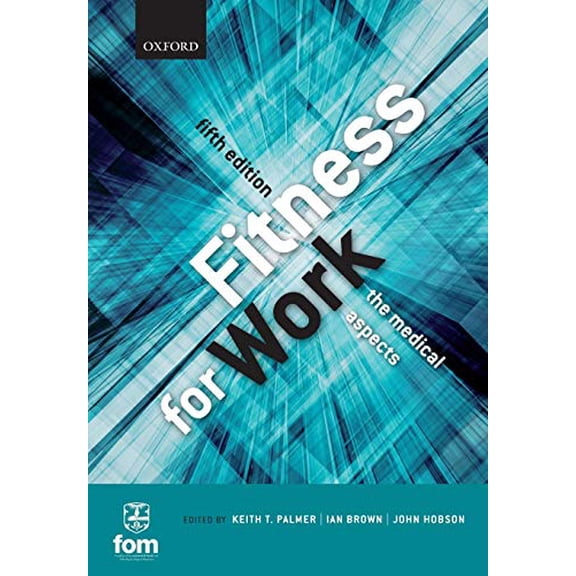
Occupational therapists and clinical practitioners may focus on function, return-to-work planning, and practical evaluation topics. You should compare books that explain workplace demands, task fit, and interdisciplinary coordination.
Your audience also affects the right balance between academic depth and quick usability. You may want detailed textbooks for long study sessions or concise guides for daily consultation.
What to look for in editions, scope, and publication type
You should check whether the edition is current enough for your course, clinic, or safety program. Your review should include publication dates, revised chapters, and updated regulatory references.
Scope matters because narrow titles and broad surveys serve different needs. You may want preventive medicine books that introduce core principles, or focused texts that go deeper into one discipline.
Your decision can become easier when you compare front matter and back matter details. You should look for glossaries, citations, appendices, and indexes that support faster follow-up reading.
Reference guides can work well when you need concise topic access across a busy schedule. You may prefer textbooks when your goal is sequential learning from foundations through advanced applications.
Exam prep titles often fit shorter timelines and structured review plans. You can pair them with broader texts when your preparation needs both recall practice and fuller explanations.
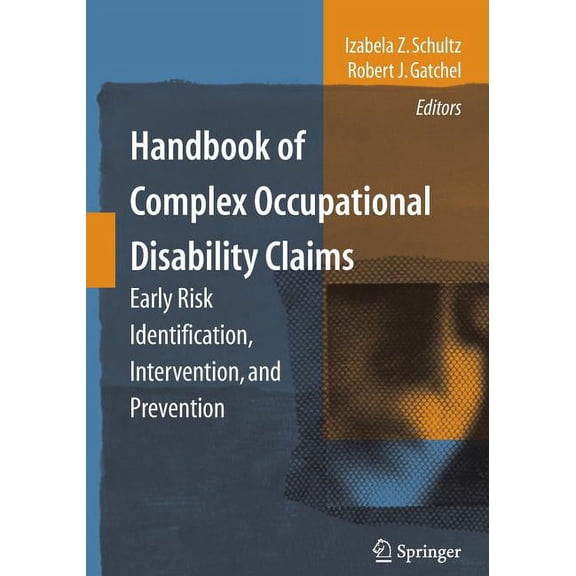
Regulatory handbooks can support readers who track workplace rules and policy language. You should compare whether the coverage aligns with your industry setting, documentation needs, and training responsibilities.
With the right combination of format, sub-specialty, audience fit, and publication type, you can choose resources that support accurate study and practical workplace decision-making. Your library becomes more useful when each title matches how you learn, review, and apply occupational health knowledge.