

Forensic Medicine Books Medical Library


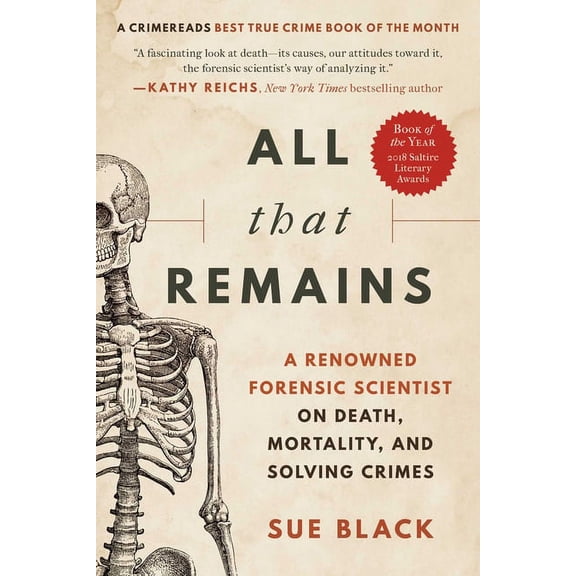




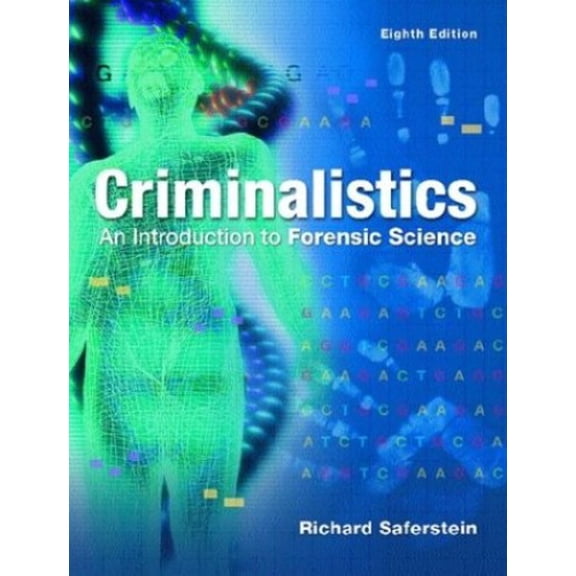
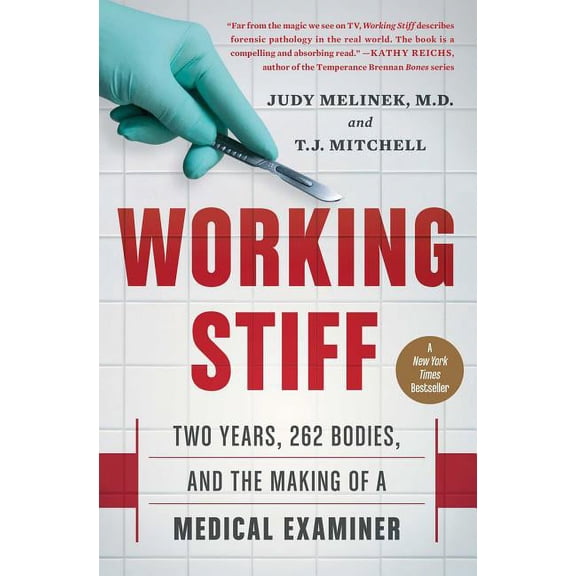















About Forensic Medicine Books Medical Library - Walmart.com
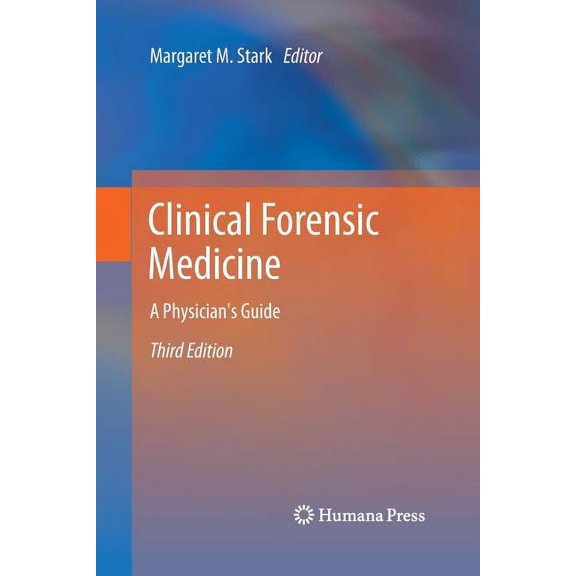
Forensic medicine books help you compare technical textbooks, practical handbooks, and focused references for study, teaching, and professional review. You can use this category to narrow choices by sub-discipline, format, audience, and content type before you commit to a title.
Choosing the right forensic medicine books
You should start by matching the book to your academic level and your daily work. You may need an introductory overview, or you may need detailed chapters with dense terminology and advanced case analysis.
Another key decision is scope, because you might want a broad survey or a narrow specialty text. You can compare forensic pathology books, medical jurisprudence textbooks, and forensic science reference guides based on your exact coursework or practice area.
You should also check the edition and publication date before you choose. You can often use newer editions to review current procedures, updated terminology, and revised legal context.
- You can compare broad textbooks with focused specialty references.
- You can match content depth to your course level or professional role.
- You can check editions when you need current terminology and updated examples.
- You can choose formats that fit note-taking, travel, or desk reference use.
How to compare sub-disciplines and coverage
You should look closely at the sub-discipline first, because each area supports a different kind of study. You may prefer forensic pathology for postmortem examination topics, or forensic toxicology for substance analysis and lab-focused interpretation.
If your work connects medicine and law, you can compare medical jurisprudence textbooks with broader legal medicine references. You may also consider forensic anthropology titles when you need skeletal identification, human remains analysis, and field recovery context.
You can use content type as another filter when you compare titles in this category. You may want textbooks for structured learning, case studies for applied examples, reference manuals for quick checks, or handbooks for compact review.
When you review tables of contents, you should check whether chapters cover autopsy workflow, toxicology methods, courtroom documentation, or expert witness context. You can quickly tell whether a title supports lectures, exam prep, or office reference from that structure.
What to look for in format and usability
You should compare book format based on how and where you read. You may want hardcover copies for long-term shelf use, paperback copies for easier carrying, or spiral-bound options for flat desk reading.
If you study across campus, work sites, or libraries, you can consider e-book access for quick searching and portable reading. You should check whether your preferred format supports highlighting, note review, and frequent return to key sections.
Usability matters when you need to move between foundational chapters and precise reference details. You can look for clear indexes, glossary sections, image labels, chapter summaries, and references that help you review efficiently.
You should also compare whether a book reads like a teaching text or a working manual. You may find that step-by-step layouts, annotated images, and structured case notes make dense subjects easier to follow.
Matching forensic medicine books to your audience
You should match the title to the audience named in the description or preface. You may need a student-focused text with review questions, or you may need an advanced source written for pathologists and academic researchers.
Medical students often need organized explanations, foundational vocabulary, and chapter progression that supports course sequencing. Legal professionals may look for books that explain terminology clearly and connect medical findings to legal interpretation.
If you work in pathology, you can compare references that emphasize documentation, specimen discussion, or postmortem findings. If you teach or publish, you may prioritize citations, edition updates, and topic depth for continued research use.
You should also measure how practical the writing feels for your purpose. You can compare theoretical texts with books built around case studies, sample scenarios, and reference tables for faster consultation.
Using forensic medicine books for study and reference
You can use forensic medicine books in several specific settings, and each setting changes what matters most. You may want broad textbooks for semester courses, concise handbooks for rotation review, or reference manuals for office shelves.
During exam preparation, you should look for chapter summaries, key terms, and case-based discussion that reinforces core concepts. You can benefit from structured layouts when you need to revisit pathology, toxicology, and legal medicine in one study plan.
For classroom support, you may prefer books with diagrams, references, and organized sections that align with lectures. For professional reading, you can look for deeper discussions, updated editions, and focused coverage of one discipline.
If you need practical context, you can compare autopsy books and case-study collections with theory-heavy texts. You should choose the balance that fits your coursework, courtroom reading, research project, or departmental reference needs.
You can shop this category with more clarity when you compare discipline, format, audience, and edition together. Your final choice will support more focused reading, faster review, and more relevant reference use.
Popular in Forensic Medicine Books Medical Library - Walmart.com
- Medical Society Of The University Of
- Medical Society Of The State Of Calif; California Medical Association
- Homeostasis Anatomy
- Professor Of Neurological Rehabilitation Michael P Barnes
- Medical Society Of The State Of North
- Medical Society Of The County Of Kings
- Doctor Medics
- Best Sellers In Radiology
- Rx Doctor
- Medical Society Of The District Of Co
- National Medical Association