

Prosthesis Books in Medical Books


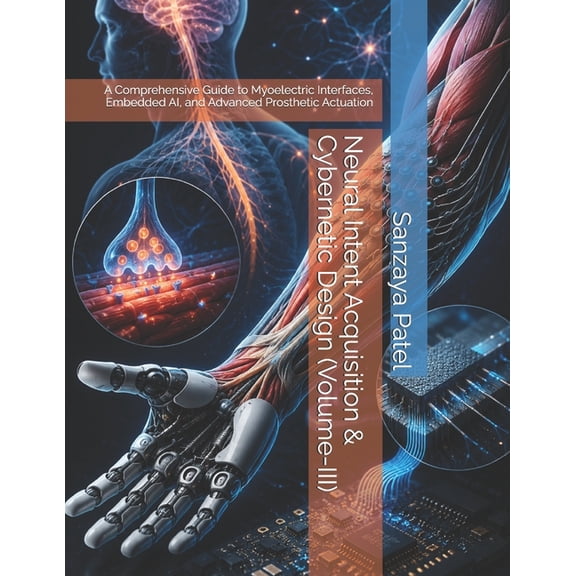

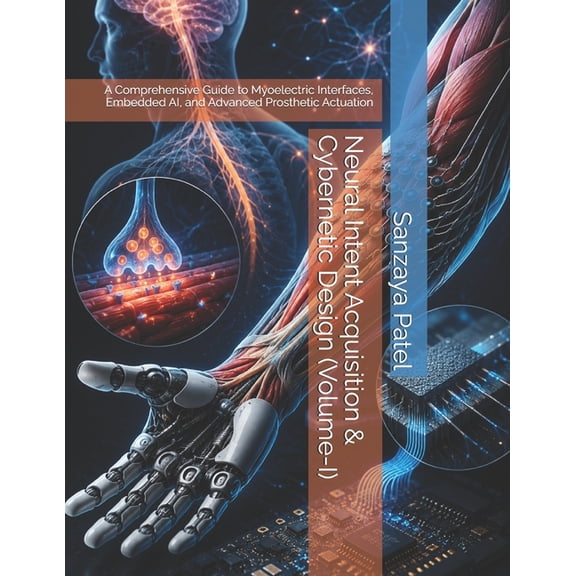





















About Prosthesis Books in Medical Books - Walmart.com
Prosthesis books help you compare clinical textbooks, patient guides, and memoirs in one focused category. You can use this page to narrow formats, audiences, and medical topics before choosing a title.
You may need a textbook for coursework, a reference for practice, or a readable guide for daily life. You may also find this subject differs from general medical books because it centers on limb replacement, orthotics, and rehabilitation planning.
How to choose prosthesis books
When you compare prosthesis books, you should first check the target audience of each book. You can find more useful information when the reading level matches your training, goals, and day-to-day questions.
If you work in clinical settings, you may look for clinical jargon, anatomical terms, and structured chapters. If you read for personal support, you may prefer clearer language and practical examples.
You should also compare the book format before you commit to a title. Paperback copies can be easy to carry, hardcovers can suit frequent reference, and e-books can fit flexible reading routines.
Textbooks usually organize material for coursework, exams, or professional study. Memoirs and practical guides often give you a more personal or step-by-step reading experience.
- You can match the audience level to your background and goals.
- You can choose a format that fits study sessions, reference use, or portable reading.
- You can focus on topics like rehabilitation, engineering, memoirs, or surgical techniques.
- You can compare upper limb, lower limb, bionics, and orthotics coverage.
Choosing formats, audiences, and medical focus
You should look at format and audience together because they shape how authors present information. An e-book for caregivers may feel very different from a hardcover textbook for clinical study.
If you’re studying in a formal program, you may want chapter summaries, references, and diagrams. If you’re reading for personal understanding, you may prefer plain explanations and a more narrative structure.
You’ll also want to check whether a title covers upper limb or lower limb prostheses. That distinction matters because hand and arm topics often differ from foot, leg, and gait topics.
Books on upper limb prostheses may discuss grasp patterns, socket design, and daily task adaptation. Books on lower limb topics often focus on walking mechanics, alignment, and mobility training.
You may also see books that cover bionics or orthotics alongside prosthetic topics. Bionics titles often explore powered components and control systems, while orthotics books focus on supportive braces and body alignment.
When you review technical content, you should check whether the author explains clinical jargon clearly. Anatomical terms can help you study body structures, but plain definitions make that information easier to use.
Comparing subject areas in prosthesis books
You can narrow prosthesis books by the type of knowledge you want to build. Rehabilitation titles usually guide you through therapy stages, mobility goals, and everyday adaptation after limb loss.
Surgical technique books often speak to clinical readers who need procedural context and detailed terminology. You may use those titles when you want operative planning, post-surgical considerations, or anatomy-focused reference material.
Biomechanical engineering books help you understand how components, forces, and movement work together. You’ll often see discussions of load transfer, joint motion, materials, and design logic in these texts.
Memoirs give you a different kind of insight because you can follow lived experience over time. You may appreciate those books when you want perspective on recovery, identity, and daily routines.
You should compare practical guides with theoretical texts before choosing. A practical rehabilitation guide can support day-to-day understanding, while an engineering text can support coursework or technical research.
If you’re shopping for study support, you may want organized chapters and visual explanations. If you’re shopping for personal context, you may want a voice that feels direct, clear, and grounded.
Matching prosthesis books to real reading needs
You may need a textbook for prosthetics and orthotics coursework, where references and diagrams matter. In that case, you should look for textbook formatting and a professional audience focus.
If you’re a clinician, you may prefer books that discuss assessment, fitting concepts, and rehabilitation planning. You’ll likely benefit from titles that use anatomical terms with clear chapter organization.
When you’re a patient or caregiver, you may want approachable explanations of prosthetic options and recovery stages. You may also prefer memoirs that show how real people adapt at home, work, and school.
You can also choose by body region when your questions are more specific. A lower limb title may fit gait and mobility interests, while an upper limb title may fit reach and hand-function questions.
If your interest is technology, you should compare bionics books with engineering-focused textbooks. Those books can help you understand powered systems, component design, and the thinking behind modern devices.
You’ll make a more confident choice when you compare audience, body focus, and subject together. That approach helps you find a title that matches your reading purpose instead of just the book format.
With prosthesis books, you can build a focused reading list that supports study, clinical reference, or personal understanding. You can find an ideal fit when you match the format, audience, and medical focus to your exact goal.