

Endocrinology & Metabolism Books in Medical Books


















About Endocrinology & Metabolism Books in Medical Books - Walmart.com
You can use endocrinology metabolism books to compare textbooks, study guides, and patient titles that fit your coursework or reading goals. You’ll find this category especially useful when you need focused coverage of hormones, thyroid topics, diabetes, and metabolism in one place.
How to choose endocrinology metabolism books
When you choose a book, you should first match the academic level to your background and purpose. You may want technical language for coursework, or you may prefer plain explanations for everyday reading.
Publication date matters because you’ll often want newer editions for current terminology, updated charts, and recent clinical guidance. You should also compare how deeply a title covers the thyroid, pancreas, adrenal glands, and broader metabolic topics.
Book type can shape how you study and reference information during classes, rotations, or independent reading. You might prefer a textbook for structured learning, a reference manual for quick lookups, or a study guide for exam review.
- You can use textbooks for chapter-based learning and detailed concept building.
- You can choose reference manuals when your work calls for fast topic checks.
- You can rely on study guides when you need summaries, review questions, and focused refreshers.
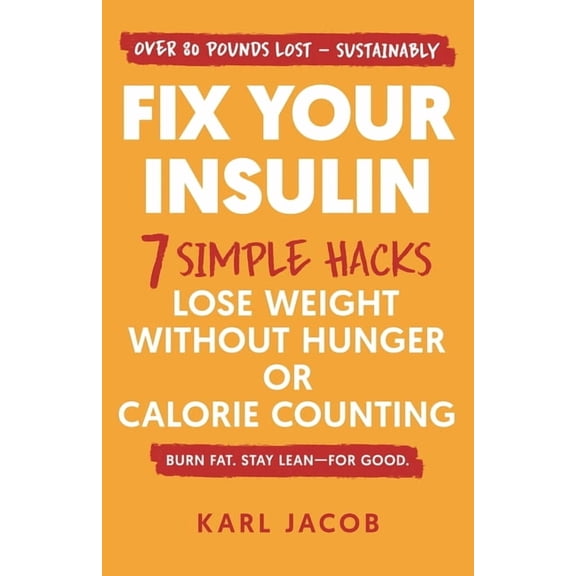
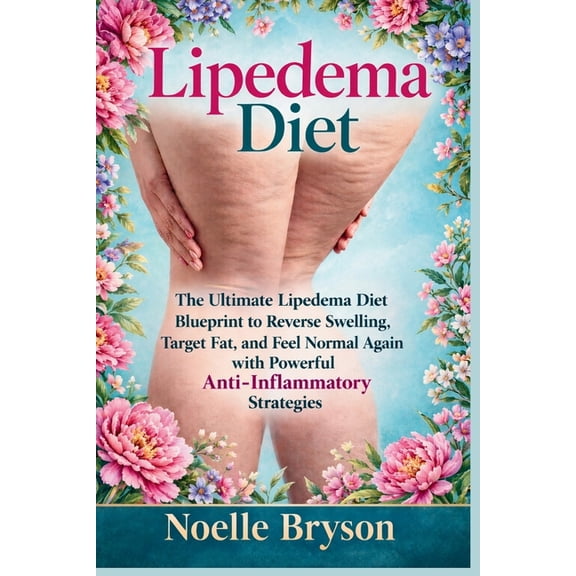
- You can pick patient guides when you want approachable explanations and less technical language.
Choosing endocrinology textbooks by subject focus
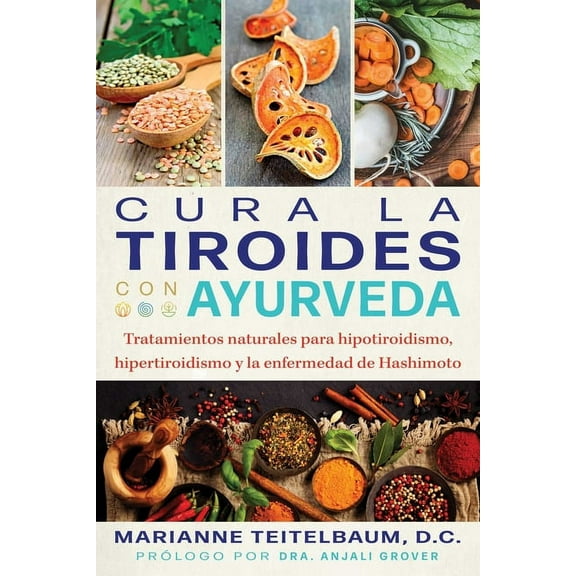
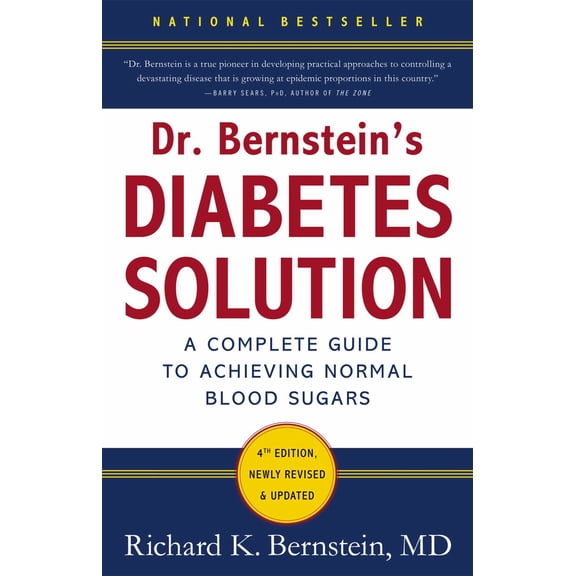
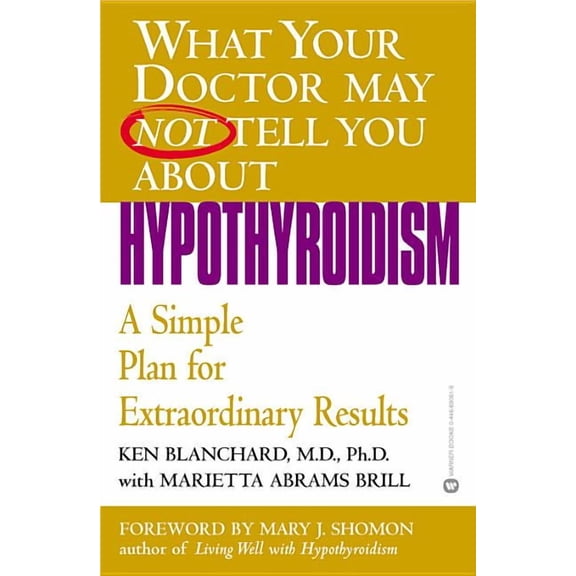
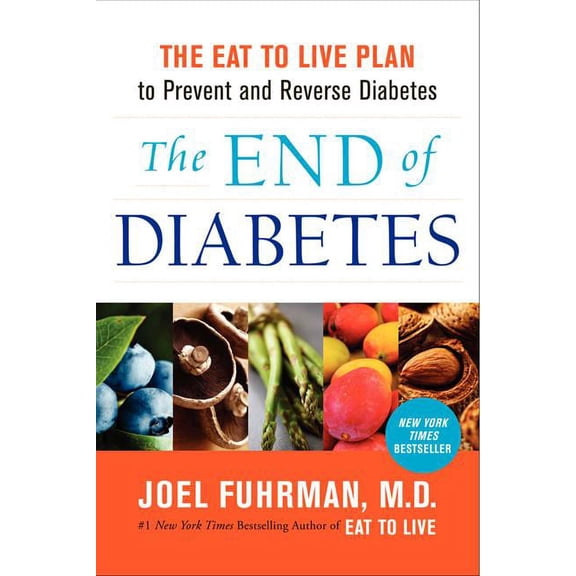
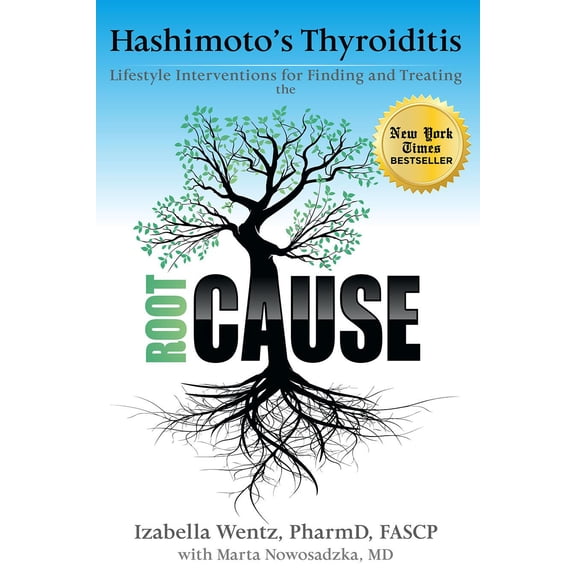
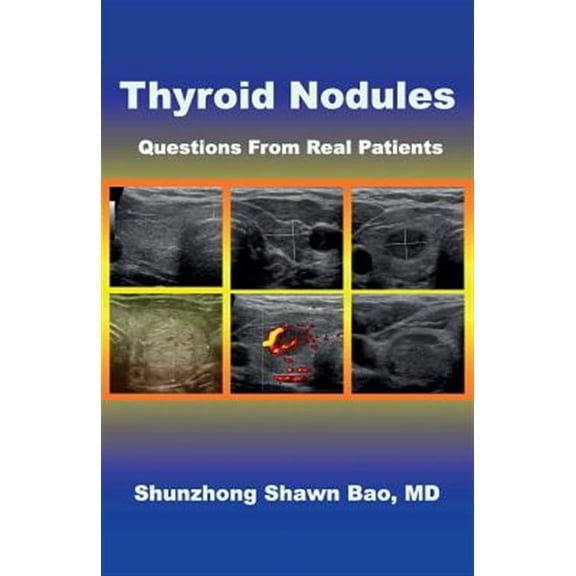
If your coursework centers on diabetes, you should look for books that explain insulin pathways, glucose regulation, and related metabolism concepts clearly. If your focus is thyroid content, you may want chapters that organize testing, anatomy, and common endocrine topics in a logical sequence.
Some endocrine system books cover broad organ systems, while others focus on one area in depth. You should compare tables, illustrations, and chapter layouts so you can review hormone pathways without losing context.
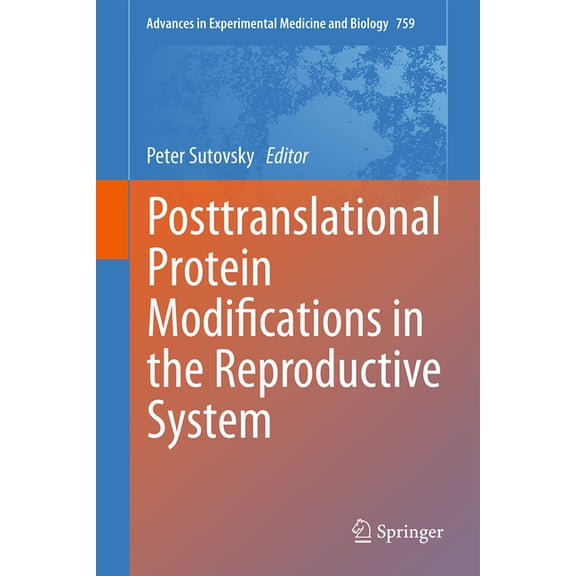
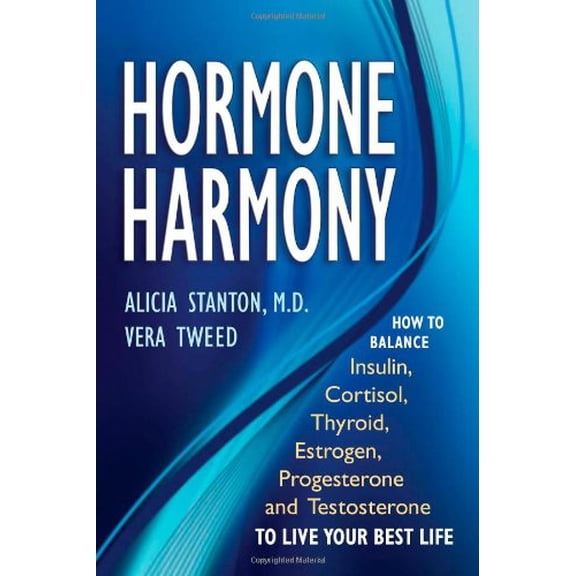
Hormone health books often work well when you want less specialized reading and clearer everyday explanations. Medical endocrinology books usually fit you better when you need clinical vocabulary, detailed references, and stronger exam support.
What to look for in audience level and edition
Your target audience matters because medical students, nurses, specialists, and general readers often need different depth and terminology. You should check whether a title explains core concepts first or assumes you already know endocrine pathways.
If you’re preparing for exams, you may want end-of-chapter questions, diagrams, glossaries, and concise review sections. If you’re building a professional library, you may prefer expanded references, citations, and detailed indexing for fast navigation.
Edition details deserve a close look because older titles may organize information differently than current course materials. You should compare publication year and edition notes when you want alignment with newer classroom or professional expectations.
Comparing format options for your study style
Format affects how you read, annotate, and return to key sections during study sessions. You may like hardcover copies for desk use, paperback copies for easier carrying, or e-book access for quick searching.
If you highlight heavily, you might prefer a physical format that supports tabs, notes, and margin marking. If you switch between class, work, and home, you may prefer digital access that keeps your reading portable.
You should also think about how often you revisit charts, endocrine pathways, or organ-specific sections. A searchable e-book can help you find terms quickly, while a printed book can make side-by-side comparison easier.
Using endocrine system books for real learning goals
You can use these books for course prep, board review, patient education reading, or ongoing professional reference. You may need one title for structured learning, or you may combine a reference manual with a study guide.
For classroom learning, you’ll often want a textbook with progressive chapters, diagrams, and review tools. For clinic or office reference, you may prefer concise manuals that let you locate thyroid, pancreas, or adrenal content quickly.
If your reading goal is broader understanding, you may want patient guides or hormone health books with straightforward language. If your goal is advanced study, you’ll likely want medical endocrinology books with denser terminology and deeper metabolic coverage.
When you compare endocrinology metabolism books by book type, subject focus, audience, and format, you can narrow choices with less guesswork. You’ll end up with resources that fit your reading level, match your subject needs, and support more efficient study.