

Nursing Home Care Books in Medical Books





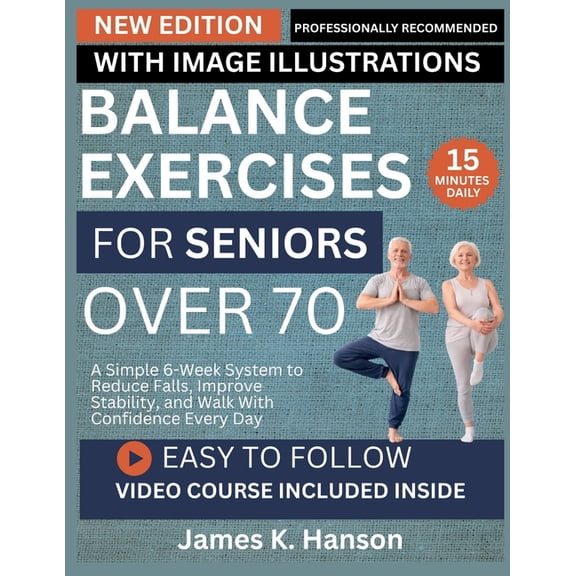


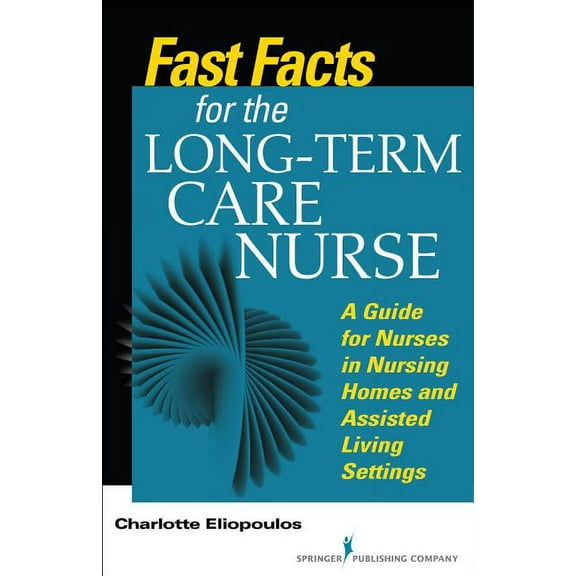


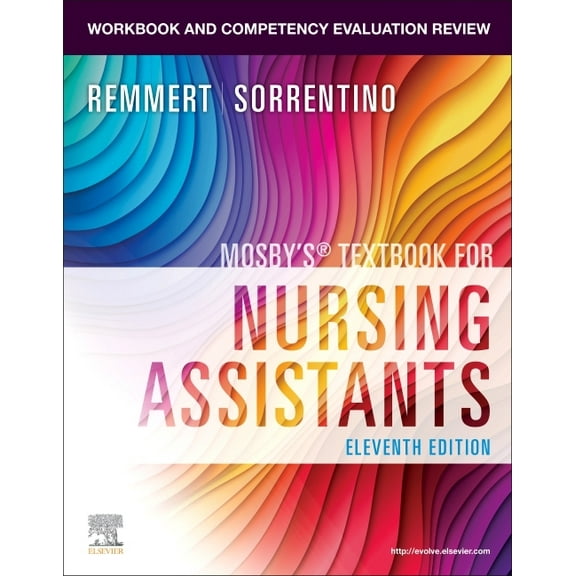
![Coloring Book of Hummingbirds: Coloring Pages for Adults with Dementia [Creative Activities for Adults with Dementia], (Paperback)](https://i5.walmartimages.com/seo/Coloring-Book-of-Hummingbirds-Coloring-Pages-for-Adults-with-Dementia-Creative-Activities-for-Adults-with-Dementia_f465d54d-2ad4-4de2-a1c2-dc3d5e5aa782.3ef801846368ff16caee728e71cdad4c.jpeg?odnHeight=576&odnWidth=576&odnBg=FFFFFF)







![Memories: Classic TV Memory Lane For Seniors with Dementia [In Color, Large Print Picture Book]](https://i5.walmartimages.com/seo/Memories-Classic-TV-Memory-Lane-For-Seniors-with-Dementia-In-Color-Large-Print-Picture-Book-9798679983618_210a5a65-d555-4061-a34d-07980f95e2c8.bad0b4c0b23dd689c954d2308bd5d439.jpeg?odnHeight=576&odnWidth=576&odnBg=FFFFFF)


About Nursing Home Care Books in Medical Books - Walmart.com
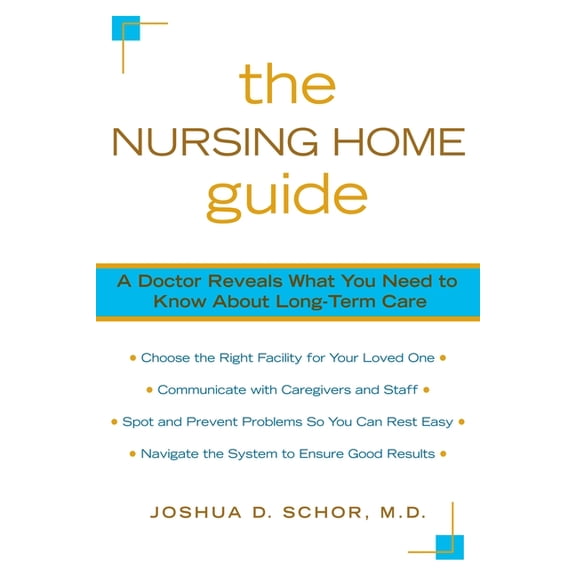
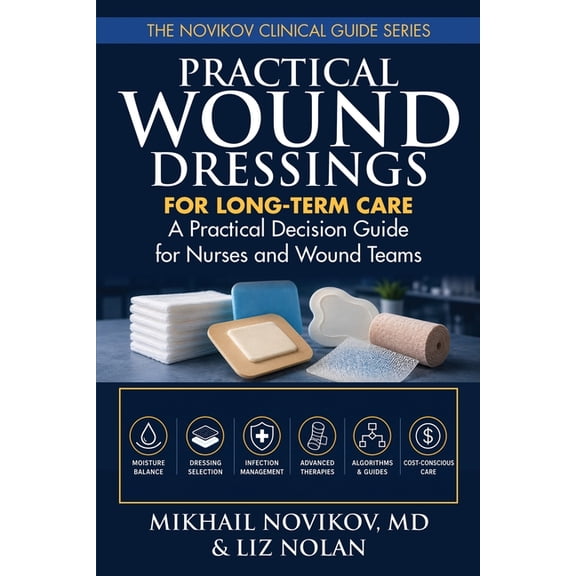
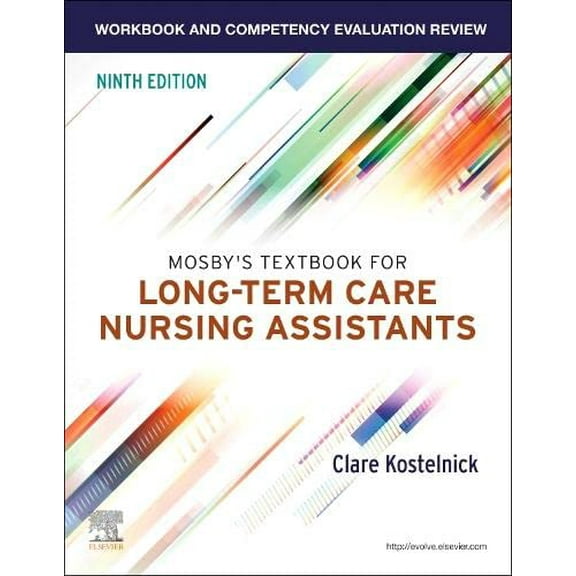
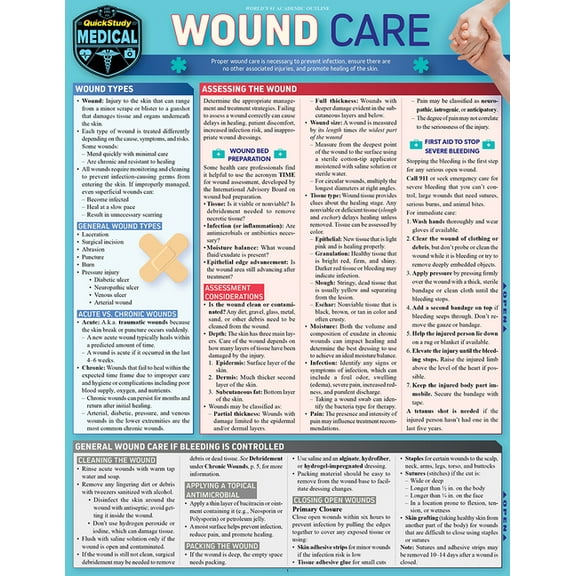
You can use nursing home care books to compare clinical guides, compliance references, and exam prep titles for daily facility work. You'll find category options that speak to administrators, nurses, caregivers, and students preparing for long term care roles.
Because this topic is specialized, you should look for books that match your role, your setting, and your current learning goal. You can narrow choices by topic, format, audience, and education level, which makes this page easy to use.
How to choose nursing home care books
You should start with the topic or focus that fits your responsibilities in a facility or classroom. If your work centers on resident care, you may prefer geriatric nursing books with bedside procedures, charting guidance, and care planning examples.
When your responsibilities include staffing, surveys, or operations, you may need nursing home administration books instead. You can also compare titles focused on regulations and compliance, including CMS guidelines, F-tags, and OBRA regulations.
If your setting extends beyond skilled nursing, you may also look for assisted living management books with occupancy, staffing, and resident services coverage. You should match the subject to your daily decisions, so your reference feels practical from the first chapter.
What benefits you get from long term care books
You can use long term care books to organize learning around real facility tasks instead of broad nursing theory alone. You'll often get role-specific explanations that connect policies, documentation, and resident routines in one place.
Many shoppers use these books to support classroom study, onboarding, or continuing professional development. You can compare texts that explain survey readiness, administration workflows, and geriatric care standards in plain language.
- You can target your role with books for administrators, registered nurses, caregivers, or nursing students.
- You can support exam prep with practice questions, review outlines, and terminology used on NAB or NHA pathways.
- You can review compliance topics like CMS guidelines, F-tags, and OBRA regulations in a structured format.
- You can choose formats that fit your routine, including paperback, hardcover, e-book, and spiral-bound options.
You may also benefit from having one category that covers both clinical and administrative learning needs. That mix helps you compare caregiving manuals with policy references without jumping between unrelated medical book pages.
Choosing formats, audiences, and education levels
You should compare format first if you study in different settings during the week. A spiral-bound option may sit flat during note-taking, while an e-book may fit your phone, tablet, or laptop.
Paperback and hardcover choices can also shape how you use a title at work or in class. You may prefer a lighter book for commuting, or you may want a sturdier reference for repeated desk use.
Your target audience matters just as much as the cover or binding. You should check whether the title speaks to nursing home administrators, registered nurses, caregivers, or nursing students before you commit.
Administrator-focused titles often cover staffing, budgeting, surveys, resident rights, and operational procedures in depth. Clinical references usually focus your attention on assessment, documentation, communication, and care planning for older adults.
You should also measure the education level against your immediate goal. If you're preparing for a credential, you may want exam prep books with review sections, practice tests, and current licensing references.
When you need a desk reference, you may prefer professional reference books or textbooks with indexes, tables, and chapter summaries. If you're new to the field, a general guide can help you build context before moving into dense regulations.
How nursing home administration books support specific tasks
You can narrow your choices by the work you need to complete each day or each term. If you manage a facility, you may look for coverage of CMS guidelines, F-tags, survey processes, and OBRA regulations.
Those terms are decision-critical because they point to the rules and inspection standards you may encounter in long term care settings. You should look for clear explanations, current terminology, and examples that connect those standards to routine operations.
If you're studying for an administrator pathway, you may compare books that mention NAB or NHA exam alignment. You should check whether the content includes practice questions, answer rationales, or chapter reviews for steady preparation.
For direct care roles, you may want geriatric nursing books that focus on communication, mobility support, charting, and person-centered routines. You can also look for books that explain dementia care approaches, team coordination, and daily documentation expectations.
When you work across skilled nursing and assisted living settings, you may need blended coverage. Assisted living management books can help you compare operations topics with resident service models that differ from nursing home workflows.
Using these books in class, training, and facility routines
You can use this category for semester courses, licensing study, or workplace training plans. A textbook may fit your syllabus, while a professional reference may support quick lookups during meetings or care plan reviews.
Some shoppers need a broad guide before moving into technical material. Others need focused exam prep that tracks current testing expectations and helps you review terms, scenarios, and administrative concepts.
You may also build a small reference set around your responsibilities instead of relying on one title alone. For example, you could pair a compliance handbook with a clinical care text and a spiral-bound review guide.
That approach helps you separate policy study from bedside learning without losing context. You can keep one book for survey preparation, one for classroom reading, and one for daily operational questions.
With nursing home care books, you can choose resources that reflect the real language of long term care work. You get clear role alignment, strong study support, and useful guidance for resident-centered facility decisions.