

Neuroscience Books in Medical Books


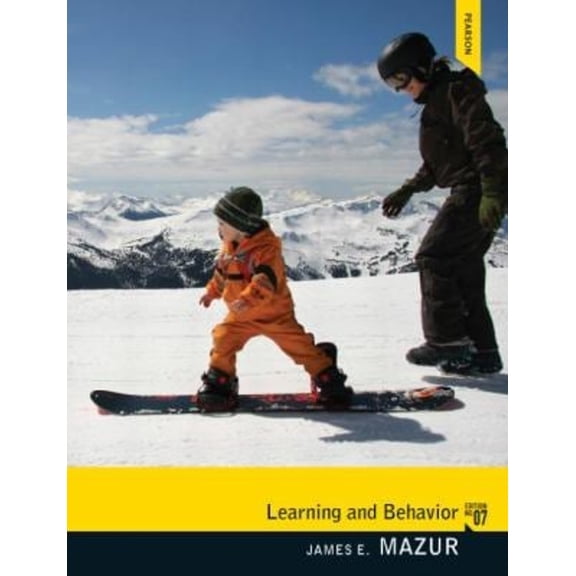


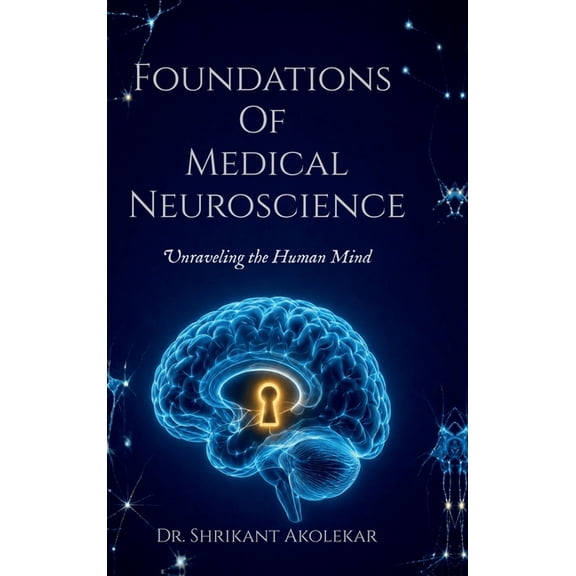
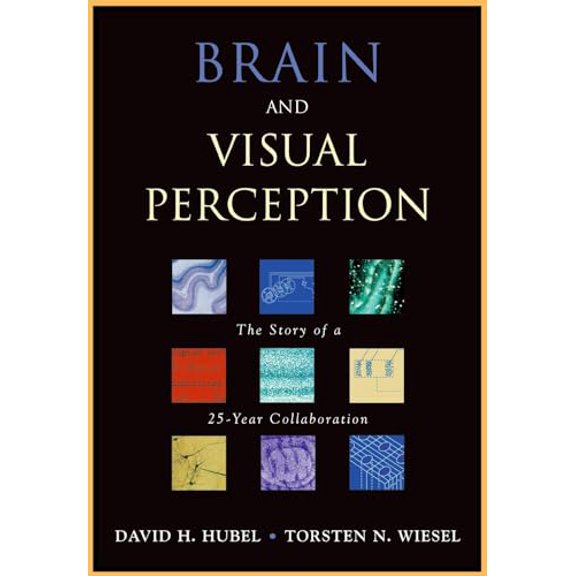
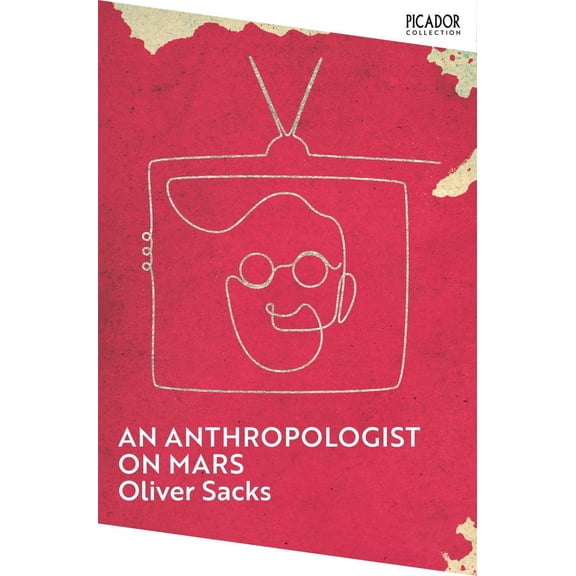
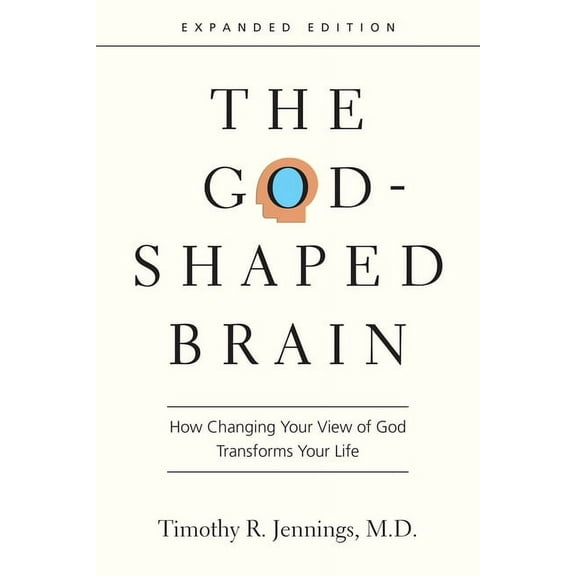


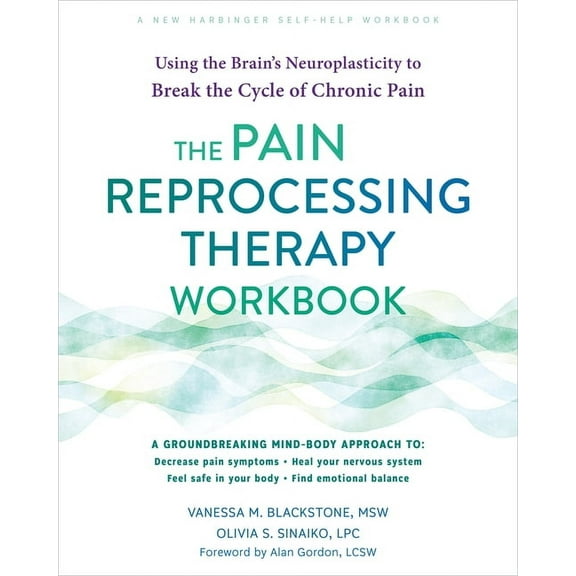

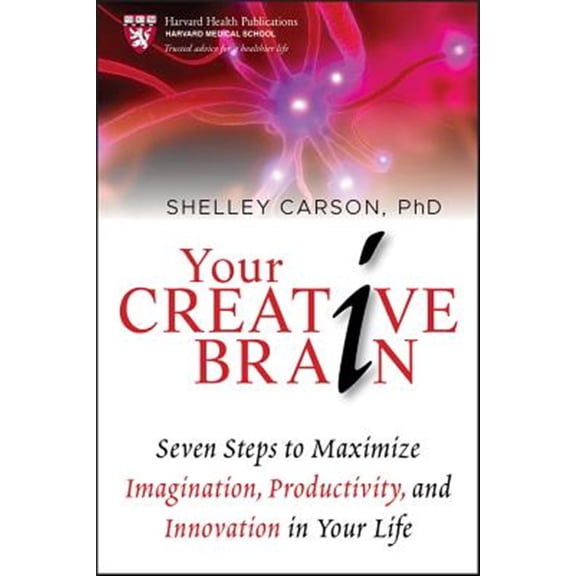










About Neuroscience Books in Medical Books - Walmart.com
Children's coloring books help you turn quiet time into creative time with age-based formats, themed pages, and activity options that fit real routines. You'll find category choices that make sense for toddlers, school-age kids, travel days, and rainy afternoons.
How to choose children's coloring books by age
You should start with age range because page complexity affects how easily your child can color, trace, or complete simple activities. You'll usually want larger shapes and bolder outlines for toddlers and preschoolers.
As your child grows, you can compare smaller details, scene-based pages, and mixed activities that hold attention longer. You'll often see toddler coloring books focus on simple animals, shapes, and familiar objects.
For ages four through eight, you may want coloring books for kids with letters, counting pages, mazes, or matching games. You'll give older kids more to do when you choose books with detailed patterns, word games, or themed puzzle pages.
Key benefits of coloring books for kids
You can use these books for screen-free play, car rides, waiting rooms, classroom rewards, and after-school downtime. You'll also appreciate how a single book can combine coloring pages, stickers, tracing, and simple puzzles.
When you match the format to your child's stage, you make it easier to stay engaged without frustration. You'll often get more use from activity books for kids when the pages feel achievable and varied.
- You can encourage creative play with animals, dinosaurs, princesses, vehicles, and educational themes.
- You can keep little hands busy with coloring, sticker scenes, dot-to-dot pages, and beginner puzzles.
- You can choose travel-friendly formats, including water-reveal books and compact pads for mess-free coloring.
- You can pick page styles that fit crayons, colored pencils, or markers based on paper thickness.
You may also like how themed books support everyday interests without needing extra setup. You'll keep kids focused longer when the pictures match favorite topics like trucks, zoo animals, or fairy-tale scenes.
Comparing book types and themes
You should compare book type before you choose a cover or character theme. You'll see standard coloring books work well for open-ended creativity, while activity books add games and prompts.
If you want more interaction, you can look for sticker books with scenes to complete or decorate. You'll also find water-reveal books useful when you want color play with less visible mess.
Theme matters because your child is more likely to return to pages that match current interests. You can narrow choices quickly by checking for animals, dinosaurs, princesses, educational topics, or vehicles.
Educational activity books can add letters, numbers, shapes, and early learning tasks alongside coloring. You'll get a clearer fit when you compare whether the book leans toward free coloring or guided learning.
What to look for in paper quality and page design
You should check paper quality if your child likes markers or tends to press hard while coloring. You'll often notice standard pages suit crayons and pencils, while thicker pages can handle heavier coloring tools.
If you use markers, you may want bleed-resistant paper to help reduce color showing through the next page. You'll sometimes see this described by paper weight or GSM, which simply means how substantial the page feels.
Perforated pages can matter when you want to remove finished art for display, folders, or sharing. You'll find that this detail makes a difference when your child wants to keep favorite pictures separate.
Page design also affects how easy a book feels to use. You should look for bold lines, roomy spaces, and clear prompts for younger kids, while older kids may prefer finer detail.
Matching activity books for kids to real routines
You can match different formats to different moments in your day instead of using one style for everything. You'll often want water-reveal books for travel, sticker books for short bursts, and full coloring books for longer quiet time.
At home, you may prefer larger books with perforated pages if your child likes to display finished work. You'll keep supplies simple when you pair them with crayons, colored pencils, washable markers, or nearby kids' crafts.
For early learners, you can choose books that mix coloring with tracing, counting, or shape recognition. You'll support practice in a playful format when pages combine simple tasks with familiar pictures.
During gift-giving seasons, you may want theme-led sets that reflect hobbies and favorite characters without requiring batteries or screens. You'll also find toddler coloring books useful for diaper bags, grandparents' homes, and restaurant outings.
When siblings share supplies, you can compare age ranges and page detail to avoid frustration. You'll create smoother playtime when each child has a book that matches attention span and hand control.
Choosing children's coloring books with confidence
You can narrow the page faster when you compare age range, theme, book type, and paper quality together. You'll make a practical choice when the book matches your child's interests, coloring tools, and everyday routine.
That combination helps you pick children's coloring books that stay engaging beyond the first few pages. You'll end up with creative time that feels easier to start and easier to repeat.