

Healing Books in Medical Books




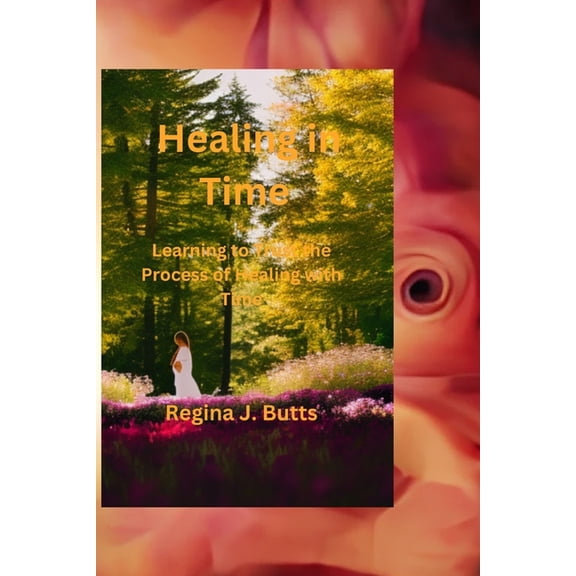


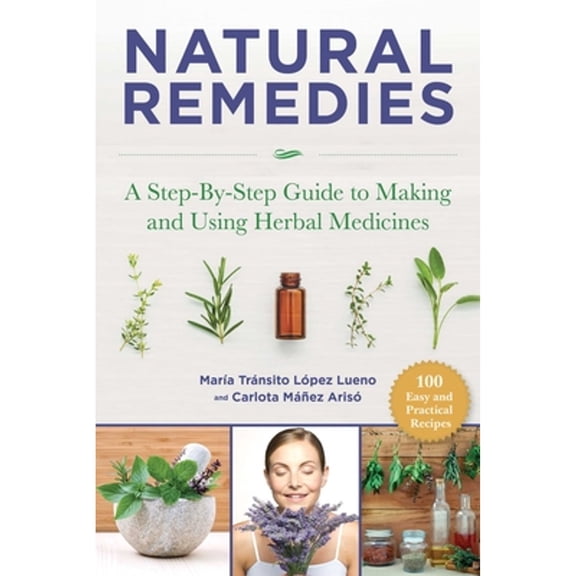



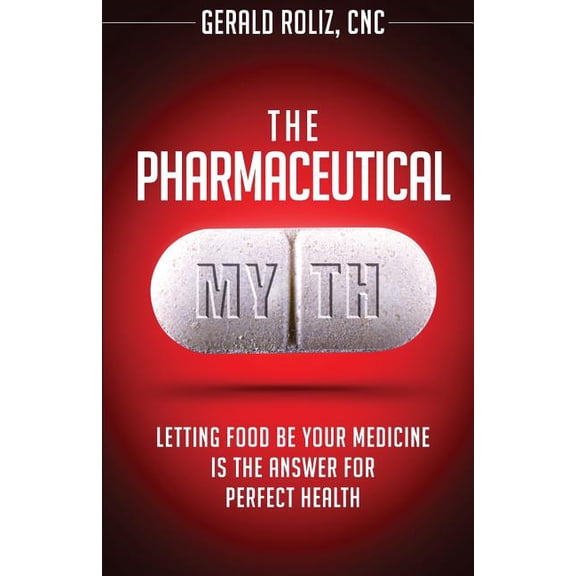









About Healing Books in Medical Books - Walmart.com
Healing books help you compare emotional, spiritual, mental, and physical reading paths with clear guidance for your goals and your preferred format. As you review this category, you can sort by healing focus, author background, and approach, so your next title feels relevant from the first chapter.
When you want structured reflection, you can choose healing books with prompts, personal stories, and practical exercises in one place. If your routine changes each day, you can also compare paperback, hardcover, audiobook, and ebook options that fit your reading habits.
How to choose healing books by healing focus
You should start by identifying the kind of support you want your reading to center on. Depending on your goals, you might compare books on emotional healing, spiritual healing books, mental healing guides, or physical healing books.
By narrowing your focus first, you can avoid broad titles that don't match your current interests. For example, your emotional reading may emphasize reflection, while your spiritual reading may center on meaning, ritual, or meditative practice.
- You can use books on emotional healing for journaling prompts, relationship reflection, and grief-centered reading.
- You can choose spiritual healing books when you want meditations, affirmations, or faith-informed guidance.
- You can look at mental healing guides when you want structured exercises, reframing tools, and step-by-step insight.
- You can consider physical healing books when you want habit-focused reading about rest, movement, and daily wellness routines.
As you compare these themes, you should look for language that fits your comfort level and your current reading goals. Sometimes your preference leans toward gentle narratives, while other times your preference leans toward direct instruction or workbook pages.
What to look for in books on emotional healing
You should check whether the author background matches the kind of guidance you prefer. In this category, you may compare therapists, spiritual guides, medical doctors, and survivors who write from lived experience.
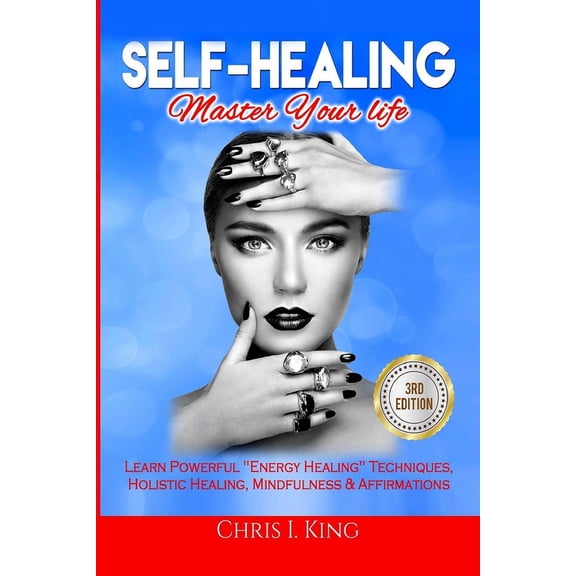
If your reading style leans clinical, you can look for titles that explain concepts clearly and connect them to daily exercises. If your reading style feels more personal, you can choose self healing books with stories, reflections, and journal-based prompts.
Another useful step is comparing the book's approach before you commit your time. You may prefer holistic themes, clinical explanations, mindfulness practices, or interactive journals that turn your reading into a hands-on routine.
Once you review those differences, you can match the book's voice to your learning style. Some readers want plain language and steady structure, while others want storytelling and chapter-by-chapter reflection they can revisit often.
Choosing the right healing books format
You can make your reading habit easier by choosing a format that fits your day. If you like underlining passages, your paperback or hardcover choice may feel practical, while your ebook or audiobook choice may fit flexible reading.
When you like to pause and write, you should consider formats that work well with note-taking and nearby journaling. During busy routines, your audiobook choice may support listening during commutes, chores, or quiet walks.
It also helps to compare format with content style as you narrow your options. You may find guided meditations easier in audio, while reflection prompts and exercises often feel simpler in print or ebook.
As you decide, you can think about how often you'll revisit key chapters and highlighted ideas. Your hardcover may suit repeated reference, while your lightweight ebook may support reading across devices and travel plans.
Using healing books for real-life goals
You can use healing books in ways that match specific moments, routines, and reading preferences. For instance, your morning practice may call for short reflections, while your weekend routine may leave room for longer narrative chapters.
If your focus is emotional reflection, you can look for chapter prompts, guided questions, and personal narratives. If your focus is spiritual exploration, you may want meditations, rituals, or reflective passages that encourage slower reading.
You can also compare evidence style and tone as part of your decision. Your preference may lean toward clinical writing from therapists or medical doctors, or toward experiential writing from survivors and spiritual guides.
When you want steady structure, you should look for self healing books with worksheets, trackers, or end-of-chapter exercises. When you want a broader perspective, you can choose narrative-driven titles that help you absorb ideas through stories and examples.
Reader feedback can give you another useful filter before you choose a title. By checking reviews, you can learn whether other readers found the language accessible, the prompts useful, and the tone supportive for regular reading.
How healing books support your choice
You can feel more confident when you compare healing focus, author background, approach, and format together instead of choosing by cover alone. With that clear comparison, you can find a title that fits your reading habits and gives your reflection time more direction.