

Hepatology Books in Medical Books


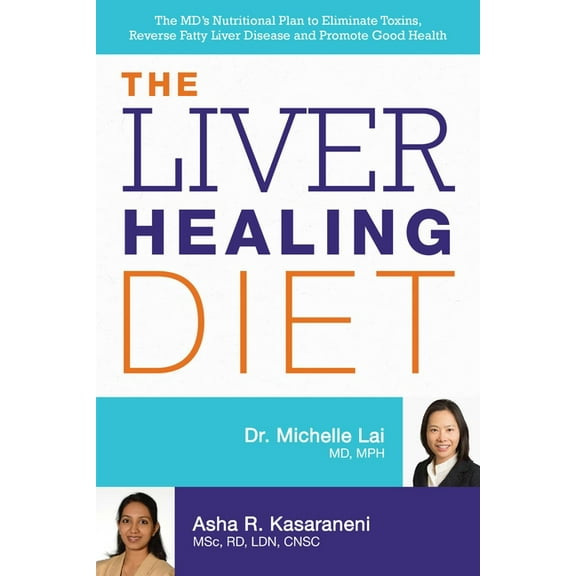










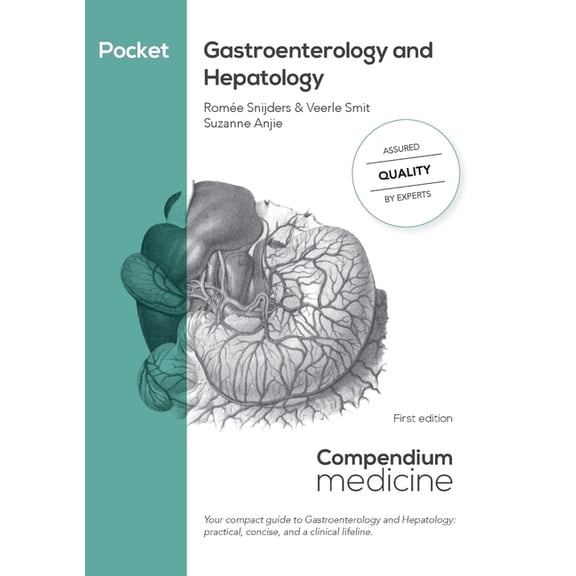















About Hepatology Books in Medical Books - Walmart.com
Hepatology books help you compare clinical references, study guides, and books on liver health for different learning needs. You can use this category to separate technical medical texts from patient-friendly reading before you choose a format or topic.
How to choose hepatology books by audience
Your first decision is who will use the book. You may need advanced terminology for training, or you may want plain language for everyday reading.
If you're a clinical professional, you may look for detailed discussions of hepatology, pathology, and treatment pathways. If you're a medical student, you may prefer organized chapters, review tables, and case-based explanations.
When you're a patient or consumer, you may want books on liver health with clear definitions and practical guidance. You can focus on approachable language that explains liver function, common conditions, and lifestyle topics.
- You can match the reading level to your training or comfort with medical terms.
- You can compare professional references with consumer liver health guides.
- You can focus on a specific liver topic instead of a broad internal medicine text.
- You can choose a format that fits studying, research, or casual reading.
Choosing format and authority in hepatology books
Your next decision is how you want to read and reference the material. You may prefer hardcover copies for desks, paperbacks for portability, or eBooks for quick searching.
If you study for long sessions, you may like a hardcover that stays open on a table. If you travel between classes or clinics, you may choose a paperback that fits your bag.
When you need quick lookups, you may prefer eBooks with searchable chapters and digital notes. You can compare formats based on how often you'll annotate, highlight, or revisit specific sections.
Your author choice also matters when you compare hepatology books. You may look for board-certified gastroenterologists, hepatologists, academic editors, or recognized medical educators.
If you're shopping for consumer reading, you may compare books written for general audiences by wellness educators or physicians. You can decide whether you want a clinical tone or a simpler explanation style.
What to look for in clinical focus and coverage
Your topic focus can narrow the field quickly. You may want broad hepatology coverage, or you may need a book centered on one liver condition.
If your work or coursework is specialized, you may compare titles covering hepatitis, cirrhosis, fatty liver disease, or liver transplant topics. You can also look for atlases, handbooks, or board review materials that match your purpose.
When you want a broad reference, you may prefer chapters on anatomy, diagnostics, imaging, pathology, and disease progression. You can use that structure to support coursework, rounds, or independent reading.
If you want books on liver health for personal reading, you may focus on general liver wellness, nutrition discussions, and plain-language overviews. You can avoid dense jargon when readability matters more than clinical depth.
Your comparison can also include edition date and scope. You may prefer newer editions when you want current terminology, updated chapters, and refreshed references.
How hepatology books fit different study and reading goals
Your use case shapes which book type makes sense. You may need an exam review, a clinic reference, or an introductory guide for home reading.
If you're a medical student, you may choose concise hepatology books with chapter summaries and visual aids. You can use them for course support, shelf prep, or focused review before rotations.
When you're a clinician, you may choose detailed references for subspecialty reading and topic refreshers. You can keep them available for teaching, discussion, or deeper background on liver disorders.
If you're a patient or caregiver, you may choose books on liver health that explain terms in a direct way. You can use them to build understanding before conversations, appointments, or ongoing learning.
Your format and topic can work together for specific situations. You may want an eBook on fatty liver disease for searchable reading, or a hardcover transplant reference for repeated desk use.
As you compare hepatology books, you can focus on audience, format, clinical focus, and author authority. You can narrow your options faster and choose reading that fits your goals with less guesswork.