

Nephrology Books in Medical Books

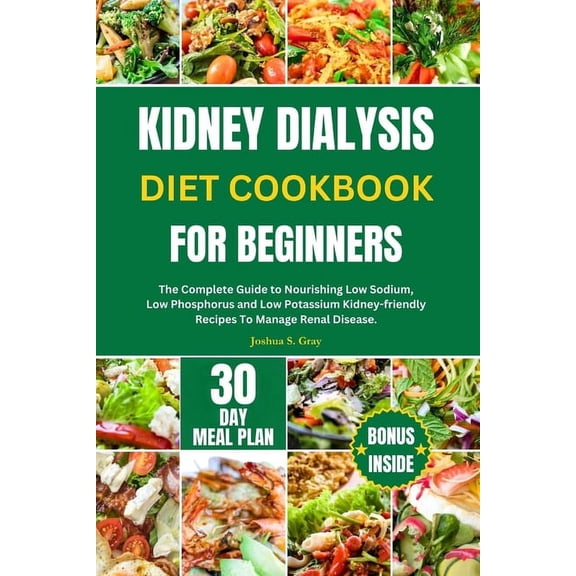



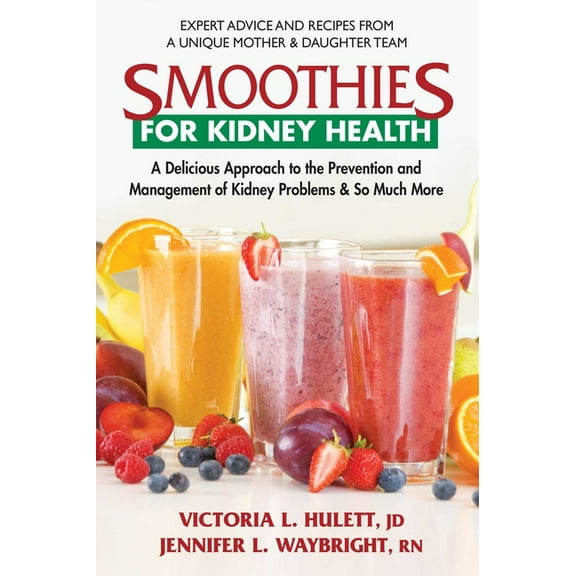

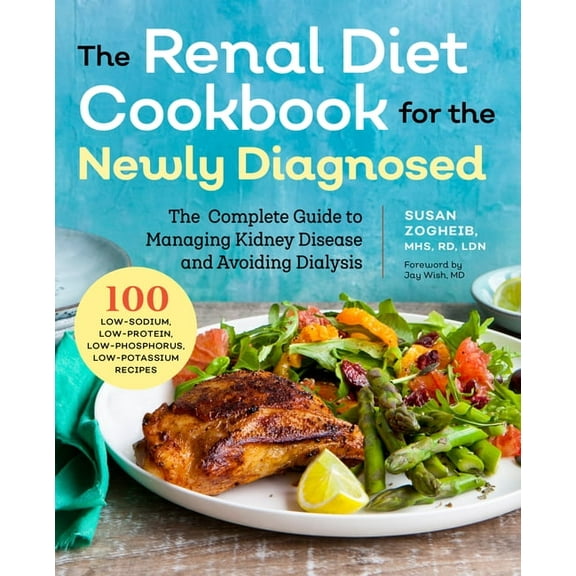

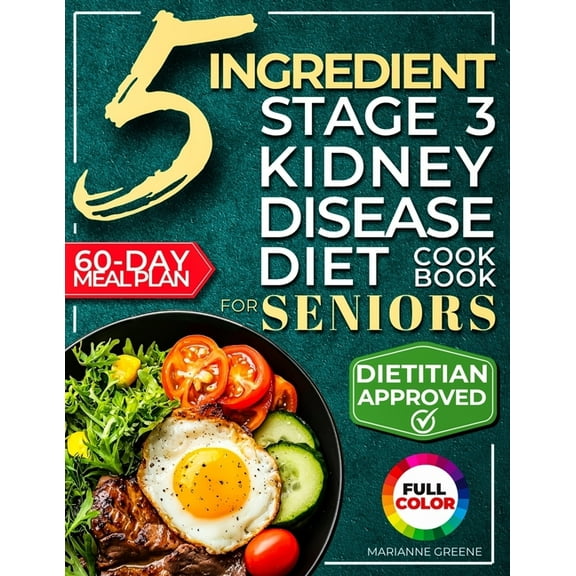




















About Nephrology Books in Medical Books - Walmart.com
Nephrology books help you study renal medicine with focused, decision-ready content. You can compare formats, specialty topics, and study tools that fit your coursework, rounds, or daily reference needs.
If you're building a learning library, you need titles that match your professional level and clinical focus. You can use this guide to compare clinical nephrology textbooks, board prep resources, and reference options with more confidence.
How to choose nephrology books
When you compare nephrology books, you should start with your training stage and reading habits. You may need broad foundations for classwork or narrower coverage for dialysis, pathology, or transplant topics.
Format also shapes how you study and review material during busy schedules. You might prefer hardcover for long-term shelving, paperback for portability, digital access for quick lookup, or spiral-bound pages for note-heavy sessions.
Edition recency matters when you want content aligned with current terminology, guideline updates, and newer treatment frameworks. You should check publication details so your reading supports present-day education and reference needs.
Choosing by professional level
Your role should guide the depth, pace, and terminology you choose. Medical students often need structured explanations, while residents may look for denser clinical nephrology textbooks with stronger diagnostic detail.
If you're a practicing clinician, you may prefer concise reference guides with fast access to tables, algorithms, and staging frameworks. If you're a renal nurse, you may want clearer workflow-focused explanations and practical dialysis books.
- You can choose introductory texts when you need core renal physiology, electrolyte concepts, and step-by-step explanations.
- You can choose resident-level resources when you need board-style review, clinical cases, and more detailed management frameworks.
- You can choose professional references when you need quick consultation support during teaching, chart review, or care planning.
- You can choose nursing-focused materials when you need dialysis terminology, procedural context, and patient-care documentation support.
Study aids can narrow your options even further when exam prep is your priority. You may benefit from a nephrology board review guide with practice questions, summaries, and case-based discussion.
Comparing clinical focus areas
Your specialty interest should shape which sections deserve the most space and depth. You might need renal pathology books for biopsy interpretation concepts or dialysis books for modality-specific learning.
Dialysis-focused titles often help you review hemodialysis principles, peritoneal dialysis workflows, and access-related terminology. You can use these books when your coursework or unit responsibilities center on treatment delivery and monitoring.
Kidney transplantation resources usually emphasize immunology concepts, donor and recipient evaluation, and post-transplant follow-up frameworks. You should look for organized chapters if your reading supports transplant rotations or multidisciplinary review.
Pediatric nephrology books can help you compare age-specific presentations, congenital conditions, and growth-related considerations. You may need this focus when adult-centered references don't match your patient population or study goals.
Kidney disease books with broad coverage can support you when you want one shelf staple for many renal topics. You can use them for CKD foundations, acute kidney injury review, hypertension overlap, and fluid balance concepts.
What features to look for in study and reference tools
Practical features can make your study time more efficient and easier to organize. You should compare chapter layout, image quality, tables, question sets, and index depth before choosing a title.
Case studies help you connect textbook concepts to real clinical reasoning. You can use them to follow workups, compare differential thinking, and reinforce how lab trends shape next steps.
Practice questions support active recall when you're preparing for quizzes, shelf exams, or certification review. You may want answer explanations that show why one option fits a renal scenario.
Reference guides can work well when you need fast access during rounds, teaching sessions, or chart review. You should look for tabs, concise summaries, and consistent organization across chapters and appendices.
Visual content also matters in nephrology because many topics rely on patterns and comparison. You may find diagrams, pathology images, and flowcharts useful when dense concepts need quicker review.
Matching format and focus to real study scenarios
If you commute or move between classrooms and clinics, you may prefer paperback or digital formats. You can carry lighter materials while keeping subspecialty reading available during breaks or between assignments.
When you annotate heavily, spiral-bound options can support your note-taking style and page handling. You might choose this format for board prep sessions, conferences, or repeated review at a desk.
If you're preparing for exams, you may pair a comprehensive text with a nephrology board review guide. You can build stronger retention by combining detailed reading with practice questions and shorter recap sections.
During a dialysis rotation, you may want one title centered on modalities and another broader renal reference. You can compare terminology, prescriptions, and workflow concepts without losing the larger clinical picture.
For pathology-heavy coursework, you might choose renal pathology books with strong image support and clear captions. You can review morphologic patterns alongside clinical context, which helps connect findings to diagnosis.
If your learning spans multiple settings, you may combine pediatric nephrology books with adult-focused references. You can compare presentations across age groups and keep your study plan aligned with your rotation mix.
With the right nephrology books, you can build a study shelf that matches your level, specialty, and schedule. You gain clearer review paths, faster reference access, and stronger alignment with current renal education needs.