

Medical Essay Books in Medical Books

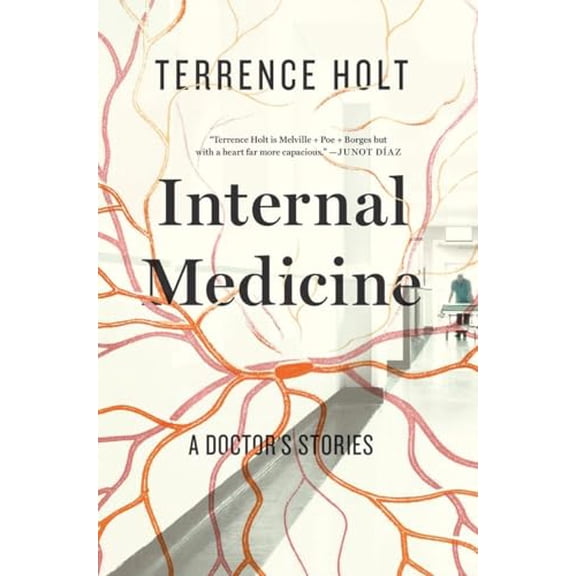


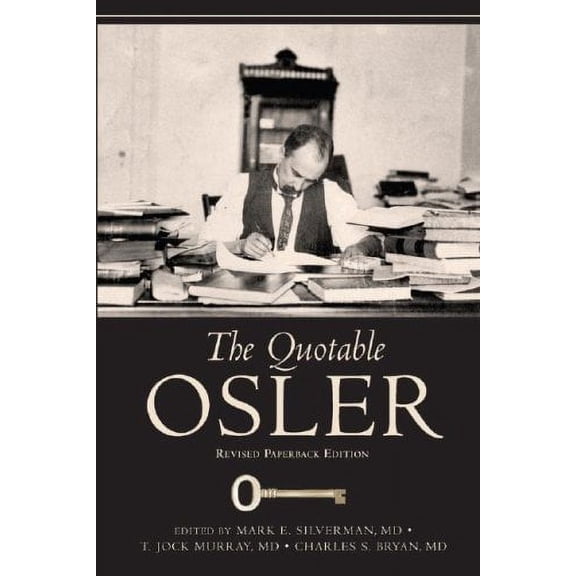



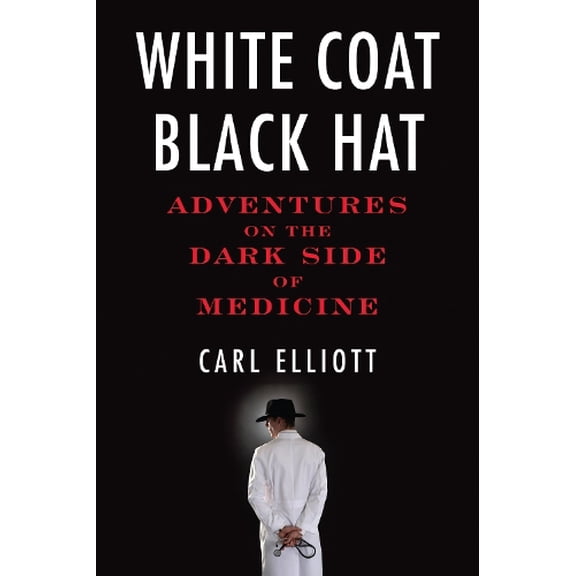

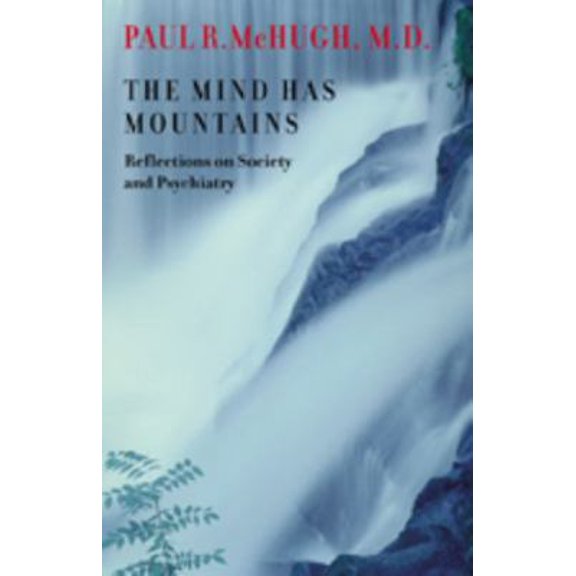

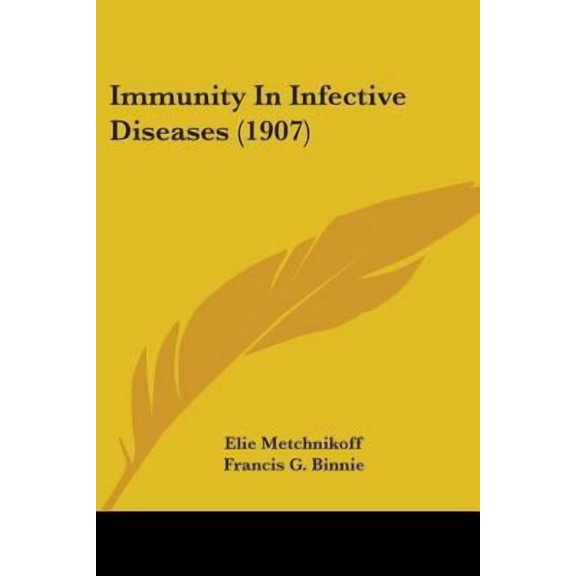

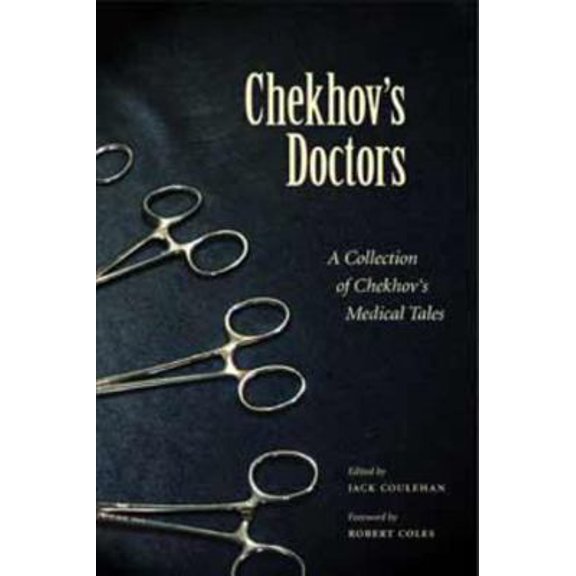
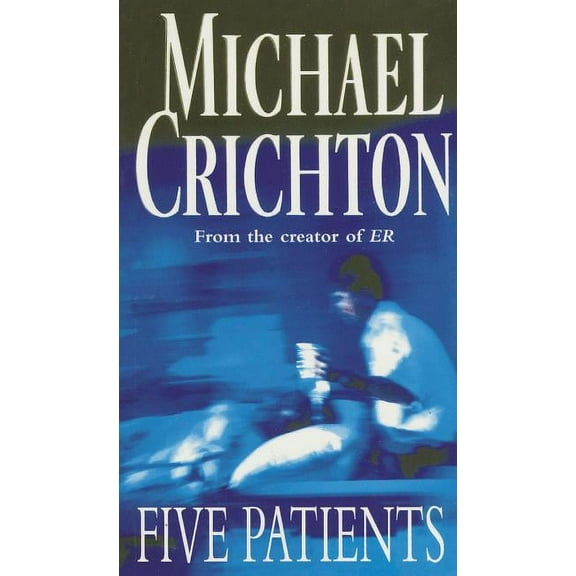









About Medical Essay Books in Medical Books - Walmart.com
Medical essay books help you explore healthcare through real voices, reflective storytelling, and field-specific insight. You can compare memoirs, anthologies, and specialty-focused titles that fit your reading style and interests.
If you want thoughtful nonfiction, you can use this category to narrow choices by author profession, narrative style, medical focus, format, and theme. You can find a clearer path to books that match how deeply and how emotionally you want to read.
How to choose medical essay books
When you choose medical essay books, you’re often choosing a point of view as much as a subject. You can start with the author’s role, because that perspective shapes every page you read.
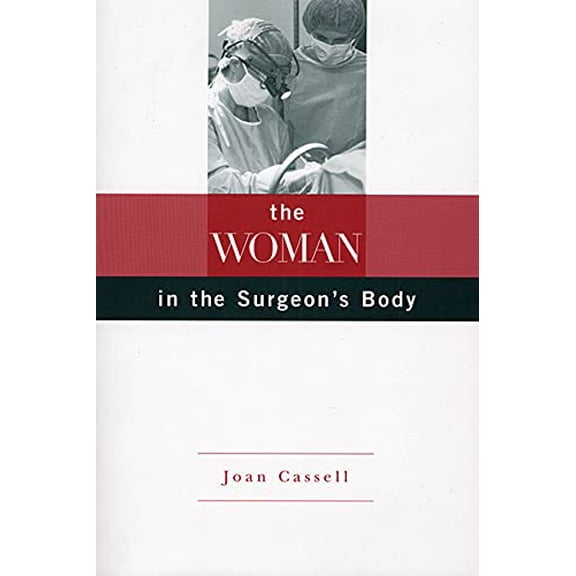
Books by doctors often place you close to diagnosis, training, and long hospital shifts. Narratives from nurses can give you a bedside view, while surgeon perspectives can feel procedural, intense, and sharply detailed.
You may also want patient or medical student voices when you prefer vulnerability, discovery, or first encounters with care systems. Those viewpoints can help you compare lived experience with professional reflection.
- You can choose doctor essays for clinical insight paired with personal reflection.
- You can choose nurse narratives when you want patient-centered moments and team-based care stories.
- You can choose surgeon memoirs when you want focused, high-pressure scenes and specialty detail.
- You can choose patient accounts when you want healthcare stories shaped by lived experience.
- You can choose medical student writing when you want growth, uncertainty, and training milestones.
Choosing between medical memoirs and essay collections
You should next compare narrative style, because structure changes how you experience the subject. A memoir gives you one continuous arc, while an anthology lets you read in shorter bursts.
If you like immersion, you may prefer medical memoirs that follow one career path or one defining chapter. If you read in smaller sessions, you may prefer essays on medicine that stand alone.
Case studies can work well when you want organized, episode-based reading with a stronger clinical frame. Philosophical essays may fit you if you want reflection on ethics, training, identity, and patient care.
You can also sort by emotional tone as you compare titles in this category. Some books feel uplifting or humorous, while others feel intense, contemplative, or matter-of-fact.
That difference matters when you’re reading after work, during travel, or between classes. You may want a reflective collection one week and a fast-moving memoir the next.
What to look for in medical narrative books by specialty
Medical specialty is another useful filter when you already know the field that interests you. You can focus your reading on neurology, cardiology, oncology, emergency medicine, or general practice.
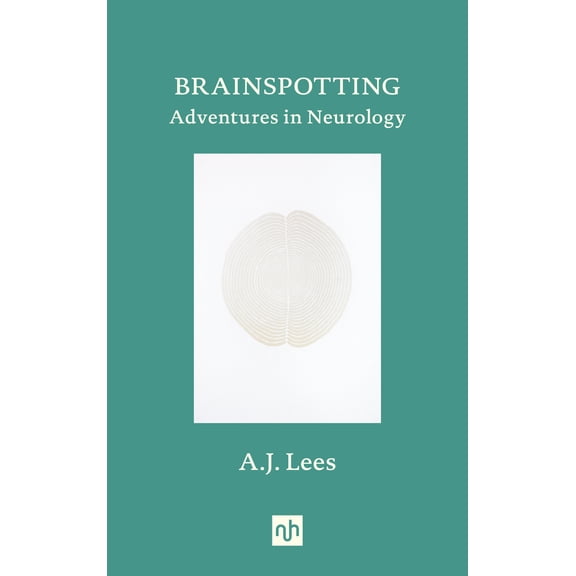
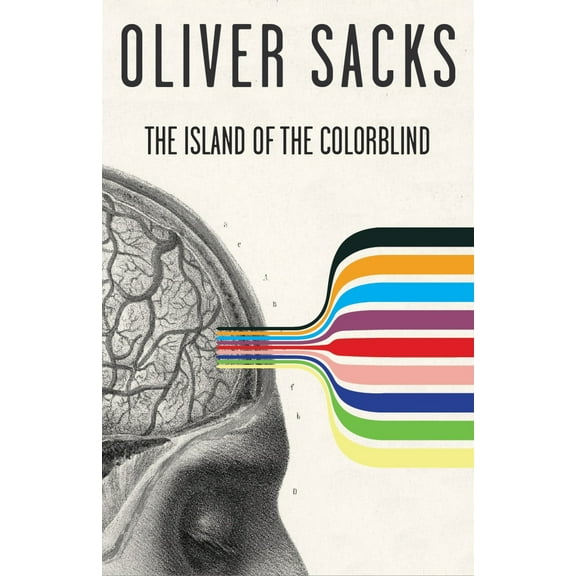
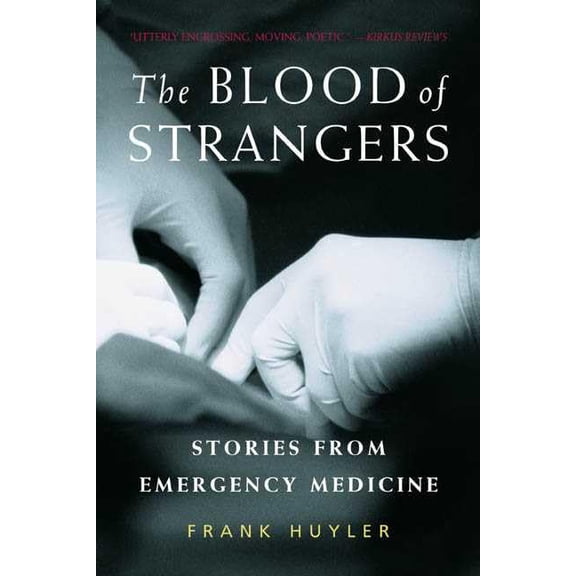
Neurology titles may draw you into brain science, identity, and recovery stories with strong reflective depth. Emergency medicine books can give you fast-paced scenes, shift-based structure, and urgent decision making.
If you’re interested in long-term patient relationships, general practice narratives may feel more grounded and community-centered. Oncology writing can offer layered perspectives on treatment, uncertainty, and the human side of sustained care.
Cardiology-focused books may appeal to you when you want procedure-centered narratives mixed with broader health system observations. These specialty differences help you choose medical narrative books that match your curiosity.
Comparing format and reading habits
You should also compare format, because reading habits often shape which books you finish. Paperback can suit flexible reading, while hardcover can feel more giftable and shelf-ready.
If you read on the go, you may prefer eBook access for instant portability across devices. If you listen during commutes or chores, audiobook editions can keep complex stories easy to follow.
Your format choice can also support the narrative style you prefer. Short doctor essays may work well in audio sessions, while dense reflective passages may feel easier to revisit in print.
You can use format as a practical filter instead of treating it like an afterthought. That approach helps you choose titles that fit your routine as naturally as your subject interests.
Matching themes to your interests
Theme is often the final decision point that turns a good pick into the right one. You can narrow by ethics, resilience, history of medicine, or patient care.
If you want big questions, you may gravitate toward ethics and philosophical reflection. If you want personal endurance and professional growth, resilience-centered collections can give you a stronger emotional throughline.
History of medicine titles can help you connect present-day practice with older methods, institutions, and ideas. Patient care themes may suit you when you want attention to communication, compassion, and daily clinical encounters.
These themes also help you compare books by doctors with writing from nurses, students, and patients. You can build a reading list that balances practical detail with human experience.
How you might use books by doctors and other voices
You might choose books by doctors for a book club that wants discussion beyond plot alone. These books can give you questions about training, ethics, authority, and emotional distance.
If you’re a student reader, you may use essays on medicine to sample different specialties before committing your attention. Short collections can help you compare tone, setting, and perspective quickly.
You may also choose medical memoirs when you want narrative nonfiction that feels intimate and career-focused. A single-author memoir can fit weekend reading, while an anthology can fit brief nightly sessions.
For gift giving, you can match specialty and format to the reader’s habits and interests. A hardcover surgeon memoir may feel substantial, while an audiobook by a physician may fit a busy schedule.
If you enjoy reflective nonfiction, you can mix medical essay books with biography, science, and health system history. That combination gives you a richer view of care, training, and the stories behind clinical work.
When you compare author profession, narrative style, specialty, format, and theme, you can choose with more confidence. Medical essay books reward that thoughtful approach by giving you stories that feel relevant from the first chapter.