

Biostatistics Books for Medical Research


















About Biostatistics Books for Medical Research - Walmart.com
Biostatistics books help you build course-ready skills for data analysis, study design, and evidence review in medical and public health settings. You can compare formats, academic levels, software focus, and application areas, so your next text fits your syllabus and workflow.
How to choose biostatistics books for your studies
When you compare biostatistics books, you should start with the format that matches how you read and study. You may prefer paperback for carrying to class, hardcover for repeated reference, or an eBook for searchable notes.
If your course requires online exercises, you should check whether a digital access card is included. You can use that option when your instructor assigns quizzes, video lessons, or publisher portals.
Your academic level matters just as much as format when you choose introductory biostatistics or advanced graduate texts. You should look for chapter pacing, worked examples, and notation that match your current math background.
- You can pick introductory titles when you want plain-language explanations and slower step-by-step problem solving.
- You can choose intermediate books when your coursework includes regression, hypothesis testing, and applied data interpretation.
- You can compare advanced graduate texts when your program covers likelihood methods, survival analysis, or multivariable modeling.
- You can check study aids like practice problems, answer keys, and online resources before you commit to a title.
Choosing medical biostatistics textbooks by application area
Medical biostatistics textbooks often organize material around real research settings, so you can study methods in a clearer context. You should compare whether your text emphasizes clinical trials, epidemiology, public health, or genetics applications.
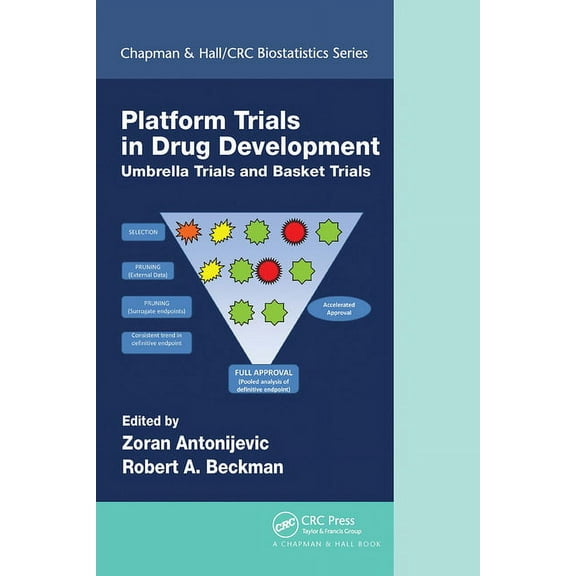
If you work through clinical trial statistics books, you can focus on randomization, endpoints, sample size, and data interpretation. You may want that emphasis when your coursework connects statistics to protocol design and published trial results.
For biostatistics for public health, you should look for population-based examples, surveillance data, and rate comparisons. You can use those texts when your assignments cover screening programs, community outcomes, or health survey analysis.
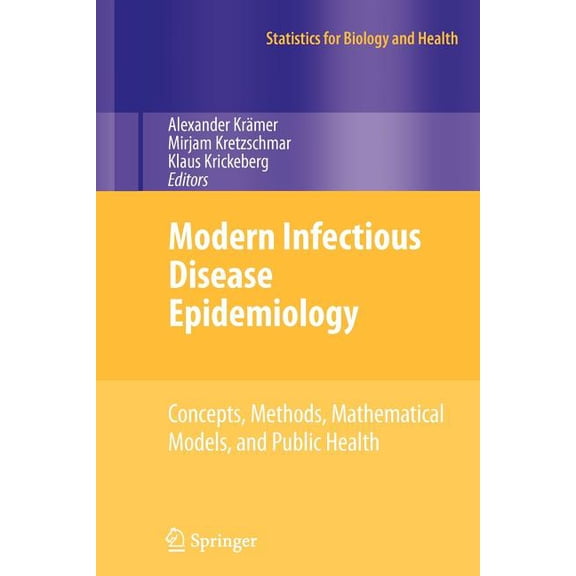
Epidemiology-focused options help you connect study design with measures like risk ratios and confidence intervals. You should consider that direction when your reading list includes cohort studies, case-control studies, or outbreak data.
Genetics applications can introduce probability models, inheritance data, and population sampling in a specialized way. You may prefer that focus when your program blends biological data analysis with statistical reasoning.
Comparing biostatistics with R and other software guides
Software focus can shape how quickly you move from formulas to usable analysis, especially in applied courses. You should check whether a title teaches concepts first, code first, or both together.
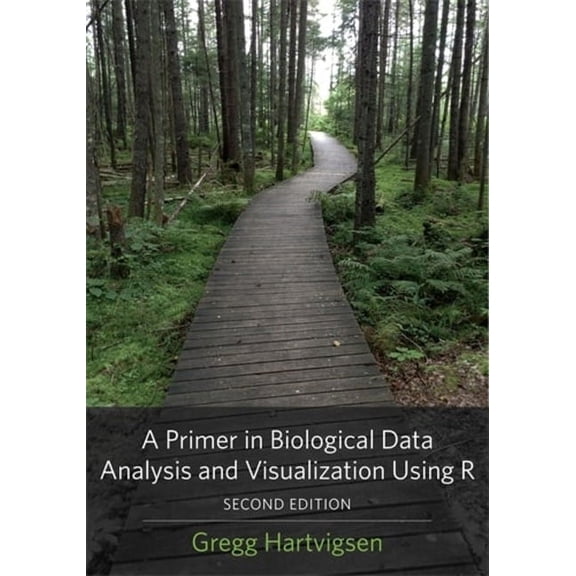
Biostatistics with R titles usually pair commands with datasets, so you can practice scripts while learning statistical logic. You should compare package requirements and version notes, because your class may expect specific libraries or syntax.
If your department uses SAS, SPSS, Python, or Stata, you should confirm that the text matches your assigned platform. You can avoid extra setup work when your book aligns with the software already used in labs or lectures.
Programming syntax matters when you follow examples line by line, especially in software-heavy assignments. You should look for annotated code, screenshots, and output explanations, so your results make sense as you work.
Package dependencies and software version details also matter when you install tools for homework or research projects. You can reduce confusion when your guide clearly notes required packages, menus, or command updates.
What to look for in introductory biostatistics and advanced texts
You should match the book's math level to your course expectations before you focus on page count or binding. Some introductory biostatistics texts rely mostly on algebra, while others assume calculus from the start.
If you want a smoother entry point, you should look for books that explain symbols, formulas, and graphs in plain terms. You can build confidence faster when examples walk through each step instead of skipping intermediate work.
For intermediate or graduate study, you may need denser explanations, larger datasets, and stronger theory sections. You should compare coverage of regression, analysis of variance, logistic models, and survival methods.
Study aids can make a major difference when you review before exams or work independently between classes. You should look for chapter summaries, problem sets, answer sections, and online portals that reinforce key methods.
If you're studying on your own, you may benefit from texts that balance explanation with applied exercises. You can stay on track when each chapter includes review questions, datasets, and interpretation practice.
Matching biostatistics books to real coursework and professional goals
You can choose different combinations of format, level, software, and application area based on how you'll use the material. A paperback introductory guide with practice problems may suit a first biostatistics course with weekly homework.
An eBook with searchable chapters may work well when you need quick review before lectures, labs, or exams. You can jump to formulas, definitions, and examples without flipping through long print sections.
If you support clinical research, you may want clinical trial statistics books with protocol examples and software walkthroughs. You can connect methods to research tasks like endpoint review, data tables, and result interpretation.
For public health programs, you may prefer texts that explain rates, populations, and observational study designs in a practical sequence. You can connect classroom concepts to surveillance reports, community datasets, and policy-focused assignments.
If your course includes coding, you should compare biostatistics with R or other platform-specific manuals alongside concept-driven texts. You can pair a theory book with a software guide when your class expects both interpretation and code execution.
Biostatistics books become easier to choose when you compare your syllabus, math background, and software requirements before you decide. You can narrow the field quickly and end up with a text that supports accurate studying and clearer analysis.
Popular in Biostatistics Books for Medical Research - Walmart.com
- Medstudy Internal Medicine
- American Medical Association; Highwire Press
- Medication Administration Nursing
- Advanced Medical Life Support
- Pathophysiology Nursing
- Diagnostic Pathologist
- Diagnostic Medicine
- Homeostasis Physiology
- Pharmacology Ati Nursing
- Best Sellers In Nursing Psychiatry Mental Health
- Neuroanatomy Textbook