

Pediatrics Books in Medical Books


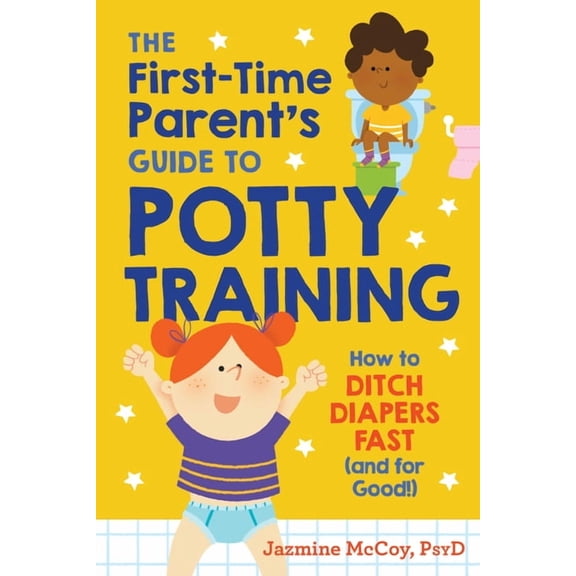
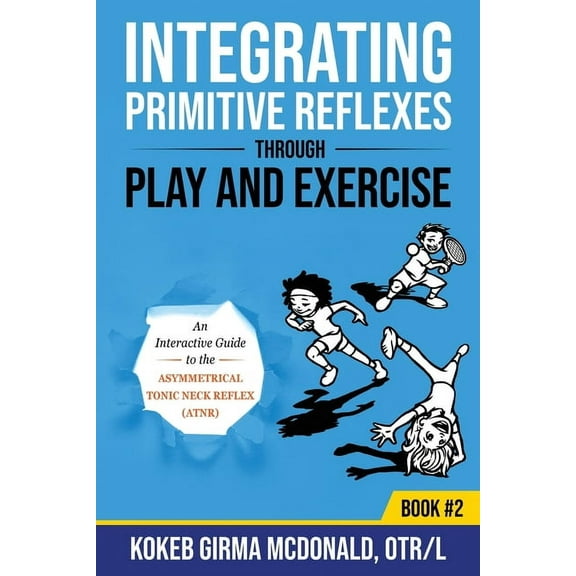


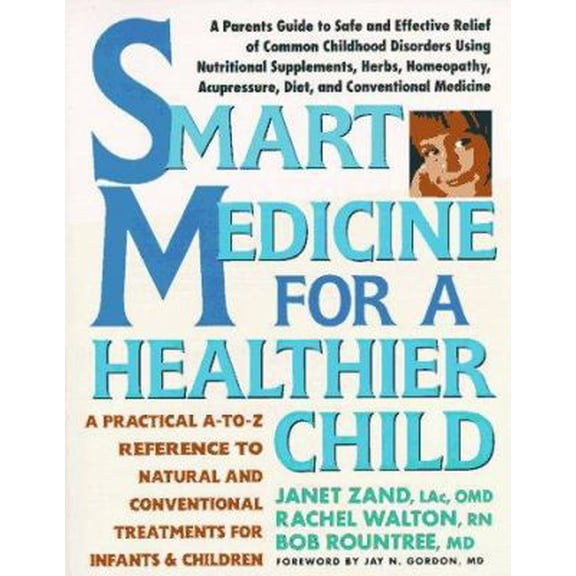

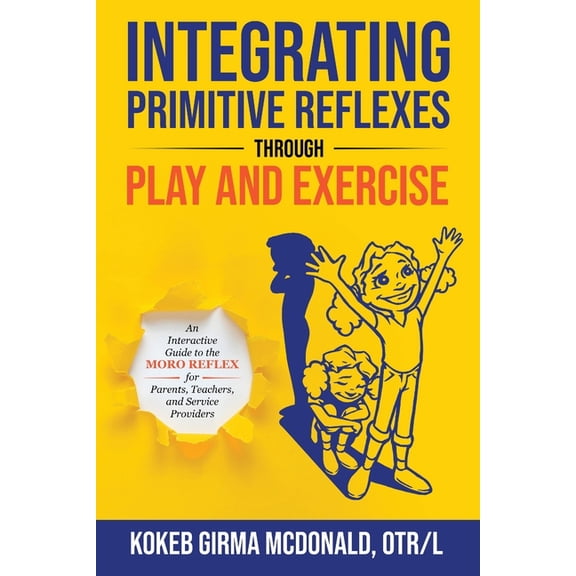

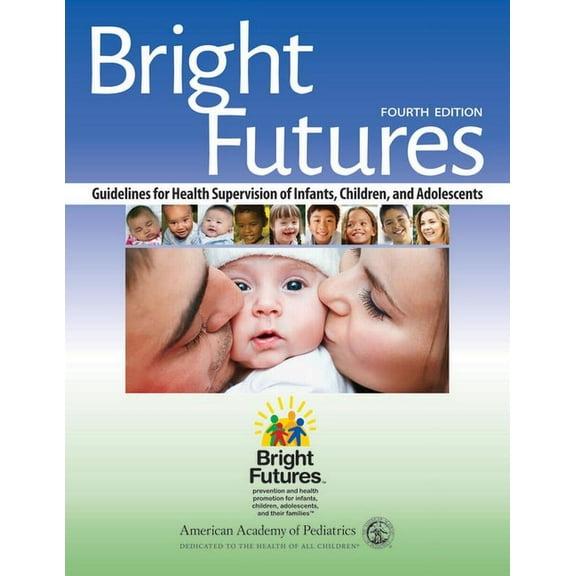






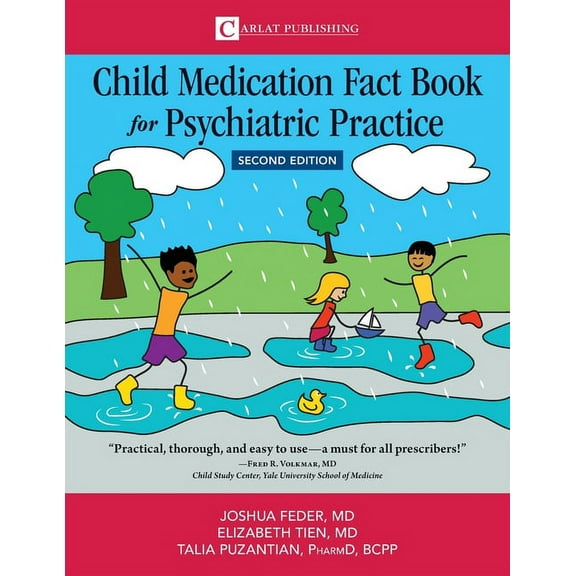
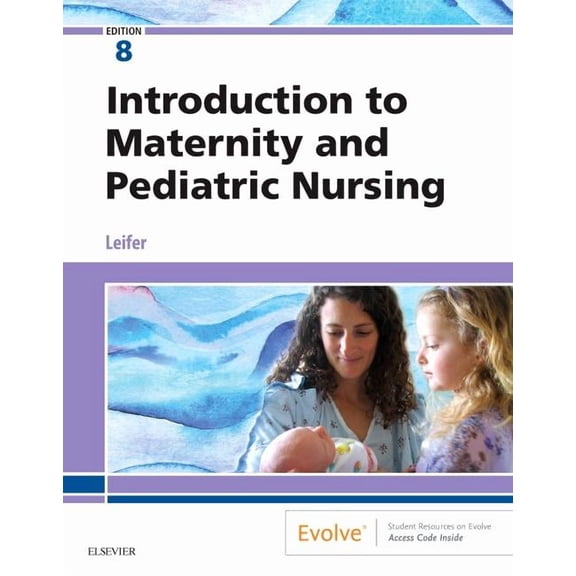



About Pediatrics Books in Medical Books - Walmart.com
Pediatrics books help you compare study tools, reference formats, and audience levels before you choose titles for coursework or daily clinical use. You can use this category to narrow pediatric medicine textbooks by edition, format, subspecialty focus, and content type.
How to choose pediatrics books for your role
If you're building a course list, you should first match your books to your training stage and daily responsibilities. You may need different depth, terminology, and case detail than another reader.
Medical students often look for structured explanations, review questions, and visuals that support exam prep. Residents may prefer rapid access to algorithms, differential diagnosis tables, and pediatrics board review content.
If you're in practice, you may compare references that support quick lookups and current pediatric clinical guidelines. Pediatric nurses may focus on pediatric nursing books with medication tables, care planning, and bedside workflows.
- You can compare audience level to avoid overly basic or overly advanced material.
- You can check publication year and edition when guideline updates matter to your coursework or practice.
- You can choose a content type that fits studying, rounding, chart review, or teaching.
- You can select a format that matches how you read at a desk, on the go, or during shifts.
Choosing pediatric medicine textbooks by format
When you compare formats, you should think about where and how you plan to read each title. Your routine can shape whether portability, note-taking, or shelf durability is highly important.
Hardcover editions can suit your long-term reference shelf when you want a sturdy book for repeated consultation. Paperback options may work well when you carry texts between class, clinic, and home.
Ebook formats can help you move between chapters, search terms, and highlighted passages with minimal physical bulk. Spiral-bound titles can fit your desk or workstation when you want pages to stay open.
You should also check whether your preferred format supports the way you annotate and review material. Your choice can affect how quickly you revisit growth charts, dosing tables, or case summaries.
Comparing audience levels and pediatric nursing books
Your audience level should guide how technical the language feels and how much prior knowledge each title assumes. You can often tell the fit by looking at chapter structure, review sections, and clinical emphasis.
If you're a medical student, you may want foundational pediatric medicine textbooks with systems-based organization and clear illustrations. If you're preparing for rotations, you may also look for case-based learning and concise pearls.
If you're a resident, you may compare books that balance pathophysiology with bedside application and rapid review. Your study plan may also favor pediatrics board review titles with practice questions and answer explanations.
Practicing pediatricians may prioritize references that support quick topic refreshers and focused subspecialty consultation. Pediatric nurses may compare pediatric nursing books that emphasize assessment, documentation, and care coordination.
What to look for in subspecialty and content type
You should narrow by subspecialty when your coursework, clinic, or service line centers on a specific patient population. Your needs may point you toward neonatology, pediatric cardiology, pediatric emergency medicine, or developmental pediatrics.
Neonatology titles can focus your reading on newborn physiology, nursery care, and early-life management frameworks. Pediatric cardiology books may help you review murmurs, congenital findings, and imaging-oriented concepts.
Pediatric emergency medicine references can support rapid topic review around acute presentations and triage-driven decision paths. Developmental pediatrics books may fit your needs when milestones, behavior, and longitudinal follow-up guide your work.
You should also compare content type before choosing a title for your shelf or study plan. Board review books support exam preparation, while atlases, case studies, and clinical guidelines support different reading goals.
If you're studying for exams, you may prefer pediatrics board review books with question banks and concise summaries. If you're teaching or presenting, you may want atlas content or case studies that make findings clearer to visualize.
For practice-focused reading, you may compare pediatric clinical guidelines and handbook-style references for quick consultation. Your choice should match whether you need deep explanation, image support, or fast point-of-care context.
Using edition currency to match study and practice needs
Edition currency matters when you rely on evolving recommendations, updated terminology, and current care pathways. You should verify the publication year when your course, exam, or workflow depends on recent standards.
If you're buying for a class, you may need a specific edition listed on your syllabus or departmental reading list. If you're buying for practice, you may prefer recent references that reflect current pediatric clinical guidelines.
You can also compare prior and current editions based on your purpose and reading style. Your needs may favor a prior edition for broad review, while a current edition may fit active clinical use.
How combinations of attributes fit real scenarios
If you're a student starting pediatrics, you may want a paperback or ebook with foundational chapters and end-of-chapter review. Your selection may work well when it combines general pediatrics with board-style questions.
If you're a resident on inpatient service, you may prefer an ebook or spiral-bound title for quick access during long shifts. Your choice may focus on pediatric emergency medicine, dosing references, and concise algorithms.
If you're a pediatric nurse, you may compare pediatric nursing books in paperback or spiral-bound formats for note-friendly reading. Your workflow may benefit from care-focused organization, tables, and scenario-based case studies.
If you're in subspecialty practice, you may look for hardcover references that stay accessible in your office or workroom. Your reading may center on neonatology or pediatric cardiology with detailed illustrations and focused chapters.
When you choose by format, audience, subspecialty, and content type together, you can narrow options with minimal guesswork. Your final pick should align with how you study, how often you reference it, and what decisions you face daily.
With pediatrics books organized around practical decision points, you can compare titles with a clearer academic or clinical purpose. Your selection becomes direct when format, audience, edition, and content type all match your real work.