

Health Policy Books in Medical Books



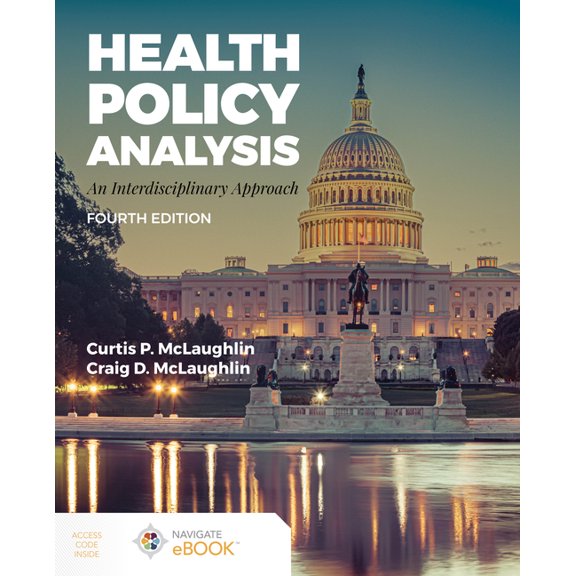

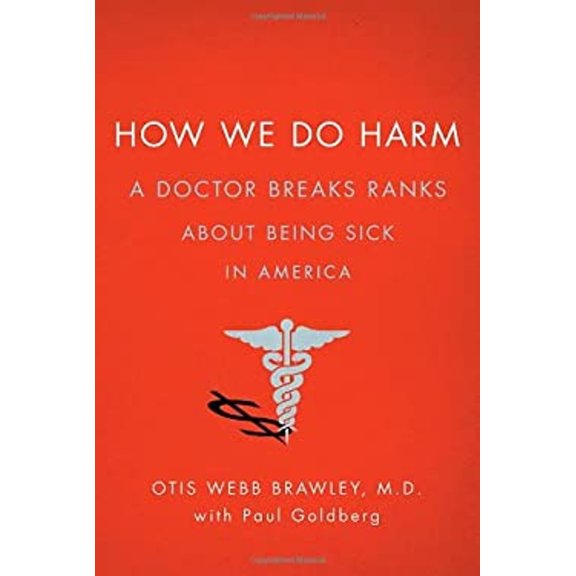



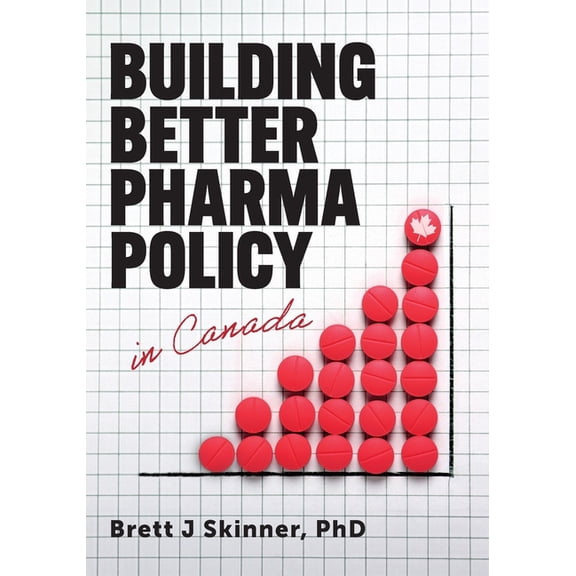




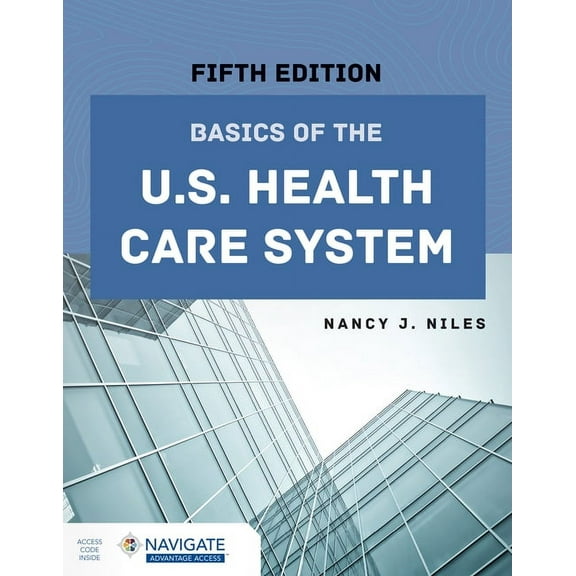
















About Health Policy Books in Medical Books - Walmart.com
Health policy books help you study healthcare systems, policy debates, and reform topics with clearer direction. You can compare academic levels, formats, and subject areas so your course reading fits your goals.
How to choose health policy books
When you compare health policy books, you should start with your academic level and syllabus needs. You can narrow choices faster when your reading matches introductory, undergraduate, graduate, or professional expectations.
If you're starting a survey course, you may prefer broad explanations and chapter summaries. If you're in advanced study, you may need denser analysis, citations, and policy frameworks.
You should also check whether the edition reflects recent policy changes and current debates. You can avoid outdated material when you compare publication details and edition notes before choosing.
Choosing healthcare policy textbooks by academic level
Healthcare policy textbooks often vary by course level, writing style, and depth of analysis. You can use those differences to match foundational learning, seminar work, or professional reference needs.
- You can choose introductory titles when you want plain-language overviews of healthcare systems and policy terms.
- You may prefer undergraduate texts when your class covers core concepts, case studies, and chapter review tools.
- You can select graduate resources when your coursework expects deeper theory, policy analysis, and research references.
- You might need professional titles when your work involves administration, regulation, finance, or organizational decision-making.
You should compare whether a book supports classroom use or independent reading. You can often tell by chapter structure, glossary coverage, and the balance between explanation and analysis.
Some titles focus on policy theory, while others emphasize practical cases and system operations. You can choose more confidently when you know whether your assignment favors concepts or applied examples.
Comparing sub-disciplines and public health policy books
Public health policy books can guide you through population-based topics, prevention frameworks, and policy planning. You may also compare health economics books, health law titles, and healthcare administration texts for a narrower focus.
If your coursework covers financing and incentives, you should look at health economics books. You can use those titles to understand spending, insurance markets, and resource allocation in policy decisions.
If your classes center on institutions and operations, you may want healthcare administration coverage. You can also review health law books when your reading list includes regulation, rights, and legal frameworks.
Global health and public health subjects often emphasize systems, access, and policy responses across populations. You can compare those topics with U.S. healthcare system texts when your class scope is domestic or international.
What to look for in format and edition details
You should compare paperback, hardcover, and e-book options based on how you read and annotate. You may prefer print for highlighting, while digital access can support quick searching and portable study.
Format matters when you carry books across campus, share titles in an office, or reference chapters often. You can choose paperback for lighter weight, hardcover for shelf durability, or e-book access for flexible reading.
Edition currency is a key decision point when policy topics shift over time. You should check whether your selected title covers recent healthcare reform books themes, insurance changes, and updated policy discussions.
If your instructor lists a specific edition, you should match that requirement closely. You can reduce confusion during class discussions when page numbers, chapter order, and case references align.
Matching focus areas to your coursework or role
You can narrow your options by matching the book's focus area to your course or professional task. You may need titles on the U.S. healthcare system, global healthcare systems, health insurance reform, or bioethics.
Books on the U.S. healthcare system often explain coverage structures, payment models, and federal programs. You can use them when your class examines policy design, institutional roles, and current reform debates.
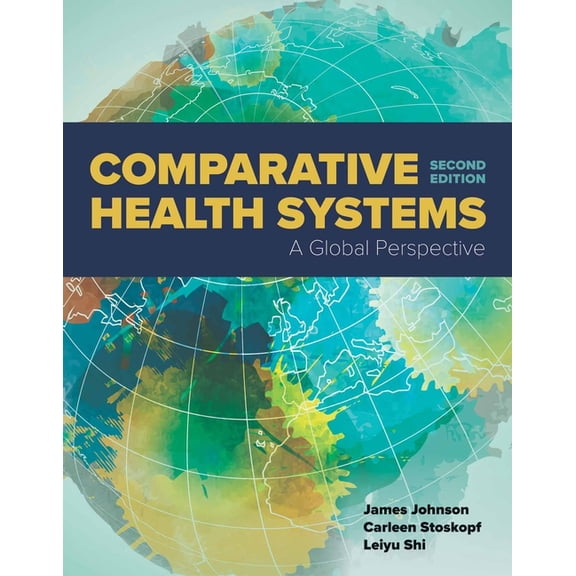
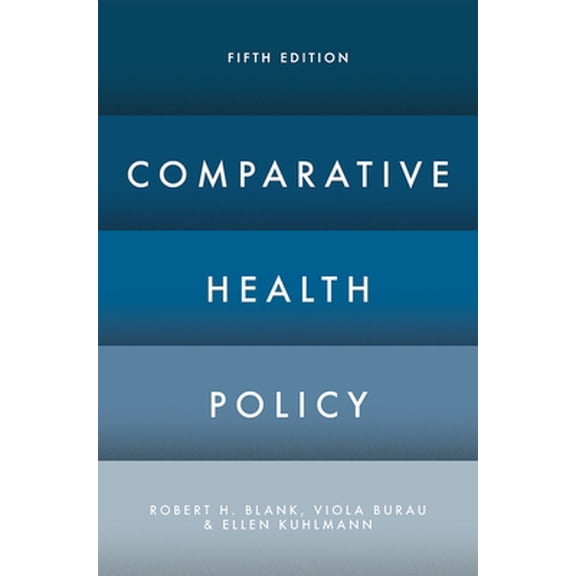
Global healthcare systems titles usually compare delivery models, funding approaches, and policy outcomes across countries. You may choose them when your reading emphasizes comparative analysis and international health governance.
Healthcare reform books can fit courses on policy change, insurance structures, and legislative developments. You can also select bioethics-focused titles when your work explores ethics, regulation, and public decision-making.
Using health policy books for study and professional reference
You may need one title for a semester course or several for broader research support. You can build a stronger reading list when you combine theory texts with case-based policy analysis.
Students often need books that align with lectures, assignments, and exam review. You can look for organized chapters, references, and topic coverage that support note-taking and structured study.
Professionals may need practical reading for administration, planning, or policy review. You can compare titles that explain system design, reimbursement topics, governance issues, and reform frameworks in usable terms.
Whether you're studying policy foundations or reviewing specialized issues, you can find clearer direction through category-specific comparisons. You can choose titles that fit your level, format needs, and policy focus with fewer mismatches.