

Geriatrics Books in Medical Books


















About Geriatrics Books in Medical Books - Walmart.com
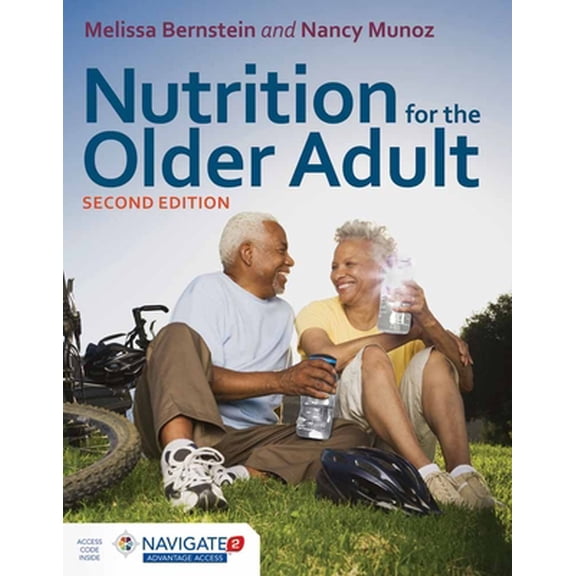
You can compare geriatrics books by audience, specialty, and format, so your next title fits your coursework, clinical setting, or caregiving needs. You’ll also find category-specific options like board-focused textbooks, geriatric nursing books, and practical caregiver guides.
How to choose geriatrics books
When you choose a title, you should first match the book’s depth to your role. You may want concise caregiver guidance, or you may need detailed chapters for rotations and exams.
Another key decision is book type, because each format supports a different goal. You can use a textbook for structured learning or a clinical guide for point-of-care review. You can use a reference book for broad coverage, while a study guide supports exam prep.
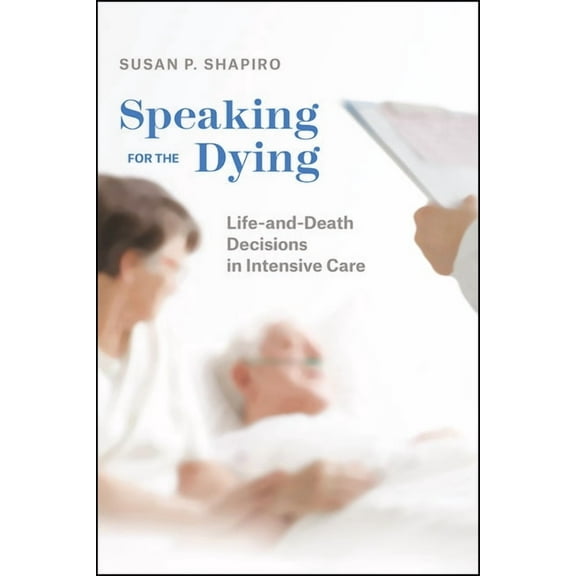
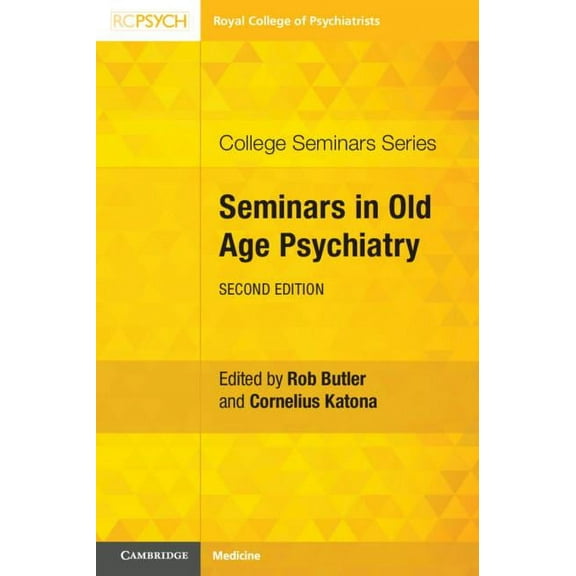
You should also compare the medical specialty focus before you commit. You may need books on aging that center on geriatric nursing, geriatric psychiatry, or palliative care workflows.
- You can use textbooks for chapter-based study, course support, and board review planning.
- You can turn to clinical guides when your shift, rotation, or care routine calls for quick topic lookup.
- You can compare specialty titles when your work centers on cognition, long-term care, mobility, or end-of-life planning.
- You can pick hardcover, paperback, or e-book formats based on where and how you read.
Comparing geriatric medicine books by book type
If you’re building a coursework library, you should start with geriatric medicine books in textbook form. You’ll usually get organized units, clinical frameworks, and review material that support step-by-step learning.
If you need faster consultation, you may prefer a clinical guide or reference book. You can scan focused chapters, tables, and summaries when your time is limited.
Study guides make sense when your attention is on exams, certifications, or shelf prep. You should check whether the content follows current editions and recent guideline references.
Edition currency matters because you need information that reflects current practice language and modern care models. You can often compare publication details, revised editions, and companion materials before you choose.
Choosing geriatric nursing books and specialty focus
You should narrow your options by specialty when your coursework or daily responsibilities are highly specific. You may need geriatric nursing books for bedside routines, documentation priorities, and team-based elder care.
If your studies focus on cognition, behavior, or memory-related topics, you can look for geriatric psychiatry titles. You’ll often find content that explains assessment approaches, communication strategies, and age-related mental health considerations.
If your work includes comfort-focused planning, you may want palliative care resources within this category. You can compare how each title covers symptom context, family communication, and interdisciplinary coordination.
These specialty differences matter because a broad text and a focused guide serve different purposes. You should compare chapter outlines and subject emphasis before you select a title.
Matching target audience and technical depth
You should decide early whether your book needs academic depth or practical plain-language guidance. Medical students and residents often need geriatric textbooks with terminology, case discussions, and exam-relevant structure.
Practicing physicians may look for concise updates, reference sections, and specialty refreshers they can revisit between appointments. You can benefit from books that balance depth with quick navigation.
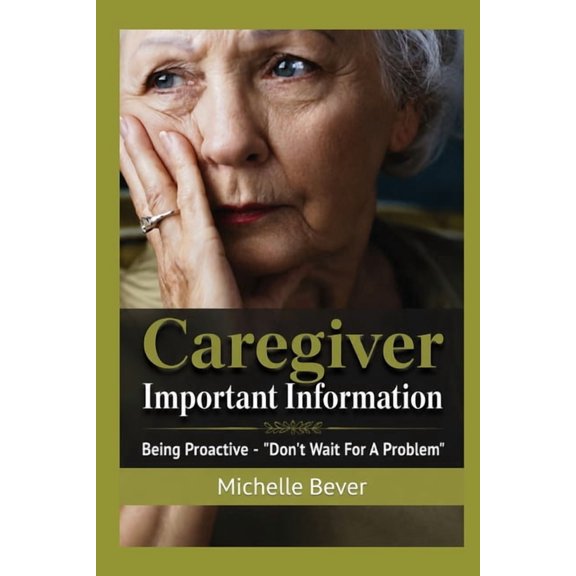
Caregivers usually need a different reading experience, with clearer explanations and daily care context. You may prefer geriatrics books for caregivers that explain aging, routines, communication, and support planning in more accessible language.
This audience match is one of the key purchase decisions in the category. You’ll avoid overly technical material when you compare intended readers before checkout.
Checking format and digital companion materials
You should also compare format because reading habits affect how often you use a book. Hardcover editions may suit your desk or office, while paperback options can feel easier to carry between classes or shifts.
If you study across devices, you may want an e-book for searchability and portable access. You should check whether your selected title includes digital companion materials or online access codes.
Those extras can matter when your coursework includes quizzes, case questions, or downloadable charts. You can use that information to decide whether a print copy alone meets your needs.
Format also shapes how you annotate and revisit key sections over time. You may want print margins for notes, or you may prefer digital search tools for faster review.
Using geriatrics books in real scenarios
If you’re preparing for rotations, you can pair a textbook with a study guide for structured review. You’ll get broader foundations from one title and targeted reinforcement from the other.
If you’re working in long-term care, you may want geriatric nursing books that support daily reference. You can focus on mobility, medication organization, care planning, and communication with older adults.
If you’re supporting a family member, you may prefer books on aging with practical language and home-centered topics. You’ll likely want guidance that feels readable during busy routines.
If your role spans hospice discussions or advanced illness support, you can compare palliative care titles closely. You should look for books that match your setting, reading level, and intended use.
When your needs are highly clinical, geriatric medicine books with updated editions can help you study with more confidence. You can choose titles that align with current training goals and modern clinical references.
When your needs are broader, a well-matched category choice helps you spend less time sorting through irrelevant material. You’ll move faster toward a book that supports real reading and repeat use.
You can feel more confident when your selection matches your audience, specialty, edition needs, and format preferences. The right category fit helps your geriatrics reading stay useful from first chapter to final reference.