

Hospital Administration & Care Books in Medical Books
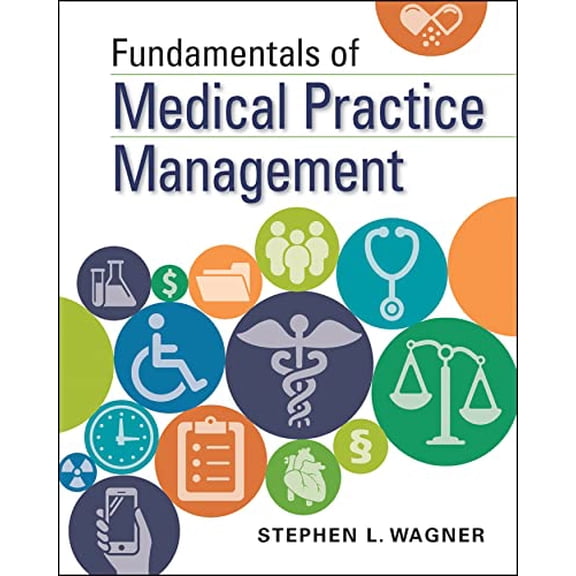



















About Hospital Administration & Care Books in Medical Books - Walmart.com
Hospital administration books help you build strong course support and clear workplace reference tools. You can compare formats, focus areas, and edition details that fit hospital operations study and daily leadership tasks.
How to choose hospital administration books
When you choose hospital administration books, you should start with your syllabus, certification plan, or department goals. You can narrow options quickly when you match content depth to your current role.
If you need hospital books for class, you should check the ISBN and edition year first. You can avoid mismatched assignments when your required text matches your instructor's listed version.
For workplace learning, you may prefer current guidance over classroom theory. You can compare publication dates, chapter layouts, and case studies before you commit to a reference title.
Comparing book format and study tools
You can choose paperback when you want a light book for commuting, class, or shared office use. You may choose hardcover when your reference title needs to stay durable through repeated consultation.
If you study across devices, you may prefer an eBook for searchable chapters and quick note lookup. You can move between work and study smoothly when your material travels with you.
You might choose spiral-bound formats when you need a book to stay open on a desk. You can review charts, reimbursement models, or workflow diagrams with less page shifting.
- You can carry paperback formats easily between campus, office, and meetings.
- You can keep hardcover references in a department library for repeated consultation.
- You can search eBook terms quickly when you review policy or finance topics.
- You can lay spiral-bound pages flat during note taking and chapter comparison.
You should also check whether your title includes digital access codes or study guides. You can support exam prep and structured review when your assignments require access through those materials.
Choosing the right focus area
You can compare focus areas by the decisions you face in school or at work. You may want healthcare policy, financial management, leadership and ethics, or quality and safety.
If your work centers on regulation, you should look for healthcare policy coverage with reimbursement, governance, and compliance frameworks. You can understand system-level decisions clearly when chapters connect policy to hospital operations.
When budgets shape your daily work, you may need financial management titles with forecasting, revenue cycle concepts, and cost allocation examples. You can review terminology and reporting structures used in hospital settings.
If you supervise teams, you should compare leadership and ethics books with staffing models, communication cases, and decision frameworks. You can apply those lessons during hiring, meetings, and service line planning.
For process improvement, you may prefer quality and safety texts with dashboards, accreditation topics, and performance measurement examples. You can connect abstract concepts to practical hospital workflows and reporting habits.
Matching the book to your role
You should choose content depth based on whether you're a student, clinical leader, hospital administrator, or researcher. You can avoid overloaded reading when the writing style matches your experience level.
As a student, you may need structured chapters, glossary support, and review questions. You can prepare for exams efficiently when your textbook explains finance, policy, and leadership in a clear sequence.
If you lead clinical teams, you may prefer practical handbooks with case examples and implementation guidance. You can translate concepts into staffing plans, department communication, and operational reviews.
As a hospital administrator, you might look for books that balance strategic planning with day-to-day management. You can compare titles that cover budgeting, organizational behavior, and service delivery systems.
When you research the field, you may want detailed references, citations, and broad policy context. You can assess academic rigor by checking contributors, edition updates, and source lists.
Checking technical details before you choose
You should verify the ISBN, because course lists often require an exact match. You can prevent ordering confusion when your number aligns with the assigned edition and format.
You also need to check the edition year before you choose a textbook or handbook. You can find new discussions of reimbursement models, policy shifts, and leadership practice in updated editions.
If your title includes digital access codes, you should confirm whether your assignments require access. You can avoid gaps in quizzes or companion materials when the listing clearly notes included resources.
You may also compare books by publisher when you want a familiar editorial style or academic approach. You can review options from major academic publishers based on your needs.
Using hospital books for study and professional growth
You can use these books for semester coursework, onboarding support, or leadership development plans. You may build strong notes when your text matches your program focus and workplace responsibilities.
During classes, you can use chapter summaries and study guides to review policy, finance, and ethics. You can connect lectures to real hospital settings when your book includes case-based examples.
At work, you may keep a reference title nearby for planning meetings, team development, or departmental projects. You can revisit models for budgeting, quality reporting, and organizational structure as questions arise.
If you balance academic and professional goals, you should compare practical handbooks with theory-heavy textbooks. You can choose a title that supports current assignments and long-term career growth.
With the right hospital administration books, you can study with clear direction and reference hospital topics with confidence. You can move from course requirements to real administrative decisions with strong context.