

Histology Books in Medical Books















About Histology Books in Medical Books - Walmart.com
Histology books help you compare atlases, textbooks, and lab manuals for coursework, slide review, and exam prep. You can narrow choices by syllabus fit, visual style, and study format.
If you're building a medical or biology reading list, you need resources that match both lectures and practical sessions. You can also compare books on histology by audience, content type, and included study tools.
How to choose histology books for your coursework
Start with your course requirements, because you may need a specific format or coverage level. You should check whether your class expects a color atlas, a histology textbook, or a laboratory manual.
Curriculum alignment matters when you need chapter order that follows lectures, labs, and review blocks. You may also want USMLE prep material when your program connects tissue study with board-style questions.
Edition timing is another decision point when your instructor lists a required version. You should compare publication dates if your class depends on updated terminology, images, or chapter order.
- You can pick a color atlas when you need image-heavy plate review for tissue identification.
- You can choose a theoretical text when you need fuller explanations of tissue structure and function.
- You can use board review and Q&A titles when you want recall practice for exams.
- You can check whether the publisher includes access codes or online question banks for digital review.
- You can compare editions when your syllabus requires matching page numbers and current labels.
Choosing format and audience for histology textbooks
Book format changes how you study during long weeks of reading and lab work. You may prefer paperback for portability, hardcover for repeated reference, or spiral-bound for easier page turning.
If you study across devices, you might choose a digital e-book for searchable text and quick highlighting. You should confirm whether your e-book matches the print version for images, tables, and navigation.
Your audience level also shapes the right fit for histology textbooks. You may need simpler language for undergraduate biology, or denser clinical context for pathology residents.
Medical students often need coverage that connects normal tissue patterns with board-style interpretation. Dental students may look for oral tissue emphasis that supports craniofacial and tooth-related coursework.
Comparing content type in a histology book
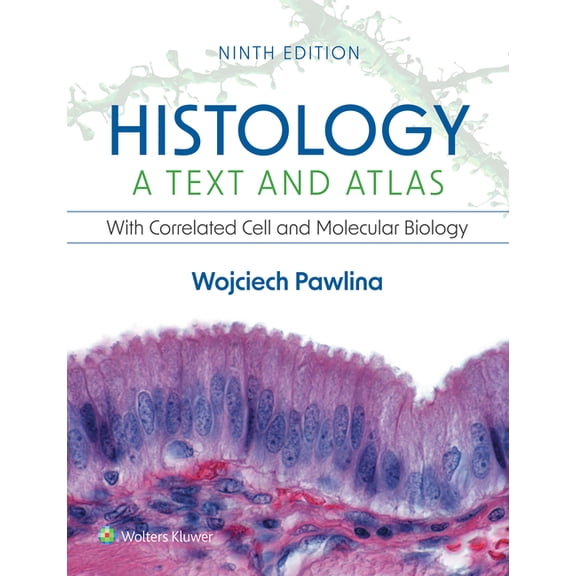
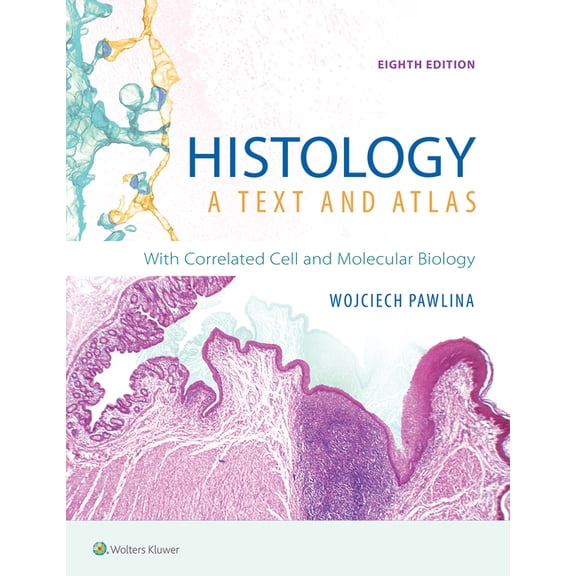
A color atlas works well when you need fast visual recognition of epithelium, connective tissue, muscle, and nerve tissue. You can scan labeled plates and compare structures side by side during review.
A theoretical histology book fits you when you want full explanations of organization, terminology, and tissue function. You can move beyond identification and understand why structures appear the way they do.
Board review and Q&A titles support shorter study sessions and repeated self-testing. You can use them for USMLE prep, quiz review, or end-of-unit checks.
Laboratory manuals help you when your course includes microscope sessions, slide sets, or guided observations. You can follow exercises that mirror practical labs and reinforce what you see in class.
What visual features to look for in histology books
Visual quality can shape how easily you recognize tissue patterns during practical review. You should look for color micrographs when you need realistic slide views and clear contrast.
Three-dimensional diagrams help you understand how layers and structures relate in space. You may prefer illustrated schematics when you want simplified comparisons before detailed images.
Electron microscopy images matter when your coursework covers organelles and fine cellular detail. You can use those views to connect ultrastructure with standard light microscopy images.
Digital resources can make a histology textbook easier to use between class, lab, and review sessions. You should check whether the publisher includes companion sites, question banks, or searchable study tools.
Matching histology books to real study scenarios
If you're starting a first histology course, you may want a color atlas plus a clear textbook. You can use the atlas for identification and the text for concept review.
If you're preparing for exams, you might lean toward histology books with review questions and concise summaries. You can revisit weaker topics without rereading full chapters.
When your lab moves quickly, a spiral-bound manual or portable paperback can support bench-side note taking. You may find that page layout matters as much as content depth.
If your program assigns independent reading, a hardcover reference or digital title can support longer sessions. You can search key terms, compare chapters, and organize highlights for later review.
Students balancing anatomy, pathology, and cell biology often need books on histology that connect across subjects. You can look for integrated diagrams, clinical notes, and review tables.
When your instructor requires a specific version, you should verify the exact match before class starts. You can avoid mismatched page numbers, outdated labels, and missing digital extras.
With the right histology books, you can match your format, visuals, and study depth to your course. You can study more efficiently with resources that fit your syllabus, lab work, and exam plan.