

Biotechnology Books in Medical Books














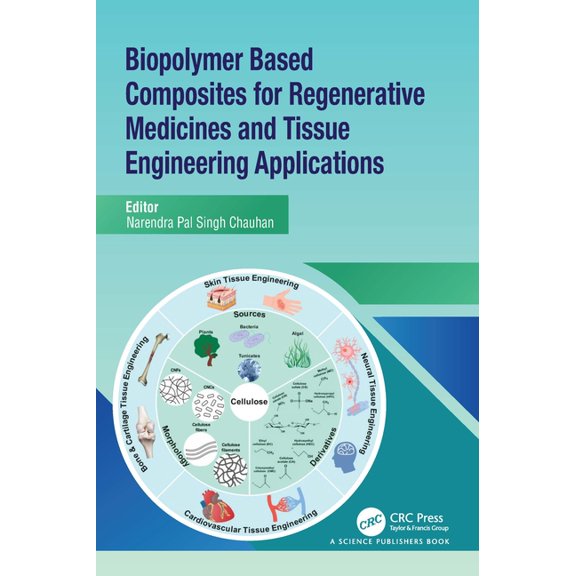




About Biotechnology Books in Medical Books - Walmart.com
You can use biotechnology books to study fast-moving scientific fields with clearer focus and stronger course alignment. You’ll find titles that support classroom learning, lab reference needs, and deeper subject review across several biotechnology specialties.
How to choose biotechnology books by academic level
You should start with your academic level before you compare topics, formats, or edition dates. You’ll usually need broader explanations for introductory study and denser reference material for graduate work.
For introductory reading, you may want biotechnology books with glossaries, chapter summaries, and basic diagrams. You’ll often prefer plain explanations of DNA methods, cell processes, and laboratory foundations.
If your coursework is more advanced, you may need texts with data interpretation, case studies, and detailed experimental workflows. You’ll also want recent editions when your classes cover changing methods.
- You can choose introductory texts for foundational vocabulary and core concepts.
- You may compare undergraduate books for structured chapters, review questions, and course support.
- You’ll often need graduate texts for dense theory, research context, and advanced analysis.
- You can use professional reference titles for ongoing consultation in labs, clinics, or technical workplaces.
Choosing medical biotechnology books and other sub-disciplines
You should compare sub-disciplines carefully because each branch emphasizes different methods, applications, and terminology. You’ll get more useful study support when your book matches your exact program focus.
Medical biotechnology books often center on diagnostics, biologics, cell culture, and therapeutic development concepts. You may look for chapters that connect molecular mechanisms with clinical research workflows.
Agricultural biotechnology books usually discuss crop science, trait development, plant genetics, and food production systems. You’ll want examples that explain how laboratory techniques connect with field applications.
Industrial biotechnology books often cover fermentation, enzymes, scale-up, and manufacturing process design. You may prefer environmental biotechnology titles when your work involves bioremediation, waste systems, or microbial applications.
What to look for in genetic engineering books and core subjects
You can narrow your options by core subject when your assignment or project targets a specific technical area. You’ll often save time when the table of contents matches your syllabus terms.
Genetic engineering books usually focus on cloning methods, genome editing concepts, vectors, and recombinant DNA books topics. You may also want molecular biology textbooks when your coursework emphasizes gene expression and regulation.
Bioprocess engineering books can help you compare upstream and downstream production steps in a clearer sequence. You’ll often see reactor design, process control, purification, and scale considerations explained together.
If your interests include data-heavy coursework, you may need bioinformatics coverage alongside wet-lab content. You’ll benefit from texts that connect sequence analysis, databases, and computational interpretation with biotechnology practice.
How to compare editions, exercises, and formats
You should check publication currency because biotechnology fields can shift quickly across methods, terminology, and classroom standards. You’ll usually want newer editions for active subjects like gene editing and modern bioprocess design.
Some books emphasize theory, while others include practice questions, lab exercises, figures, and applied case studies. You can choose theory-focused texts for concept building or exercise-rich titles for course preparation.
Format also shapes how you study across class, research, and travel. You may prefer hardcover for repeated reference, paperback for portability, or e-book access for searchable reading.
When you compare formats, you should also think about note-taking habits and reading time. You’ll often appreciate digital search tools for technical terms and print copies for longer study sessions.
How biotechnology books fit your study and reference needs
You can use these books for semester courses, lab support, independent review, and professional development. You’ll often need different combinations of depth, examples, and visuals depending on your setting.
For a college course, you may choose a structured textbook with chapter objectives, figures, and end-of-chapter review material. You’ll usually benefit from books that mirror common biotechnology class sequences.
In research settings, you might need professional references that explain specialized methods with greater detail. You can also look for books that connect molecular biology, analytics, and process development in one place.
If you’re preparing presentations or papers, you may want focused texts on medical biotechnology, genetic engineering, or bioinformatics. You’ll gain clearer context when your source matches your project’s vocabulary and scope.
You can also compare books by how they balance fundamentals with applications across medicine, agriculture, industry, and environmental work. You’ll make a stronger choice when the book’s depth, subject, and format fit your exact learning goals.