

Epidemiology Books in Medical Books
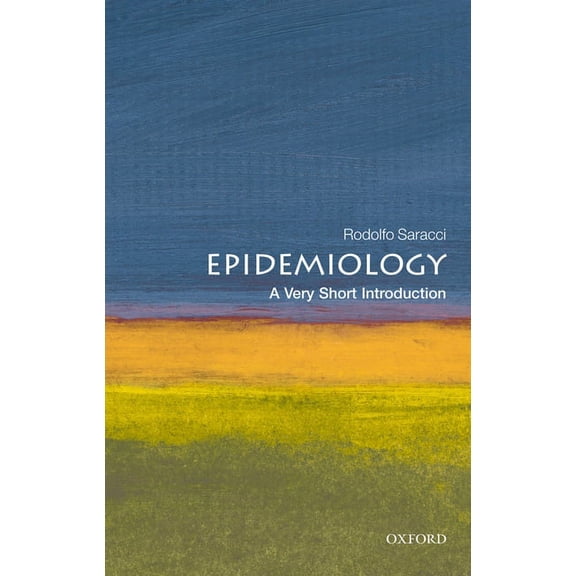

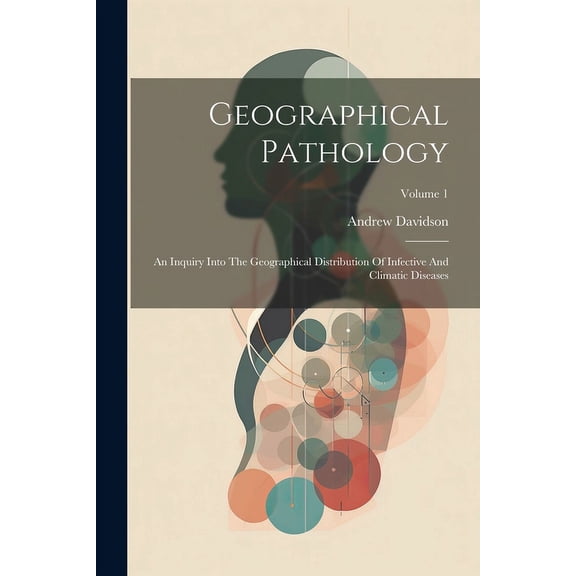



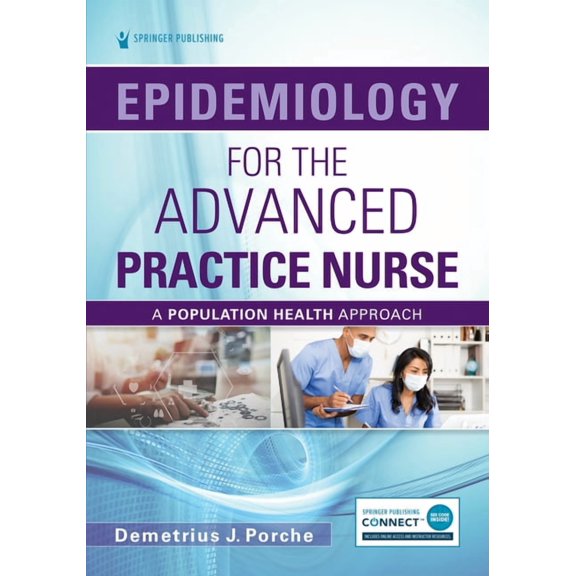


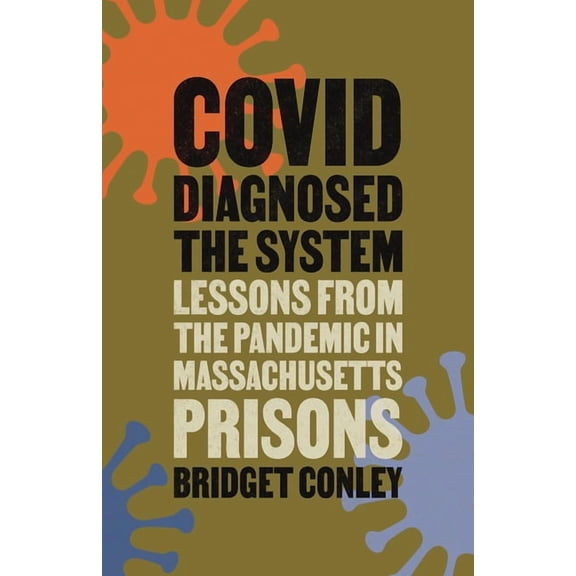



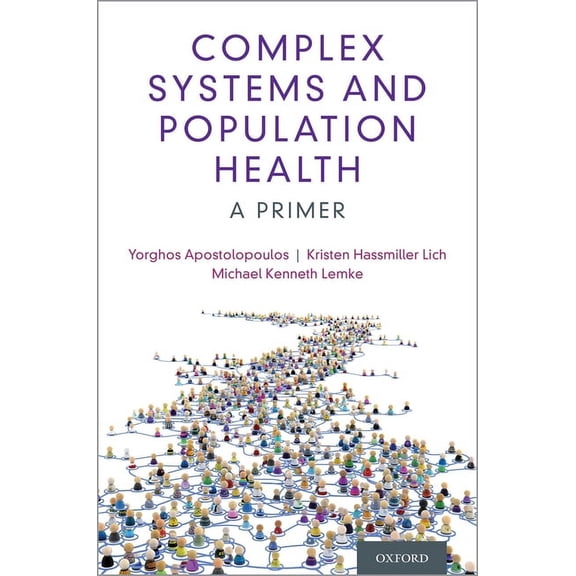
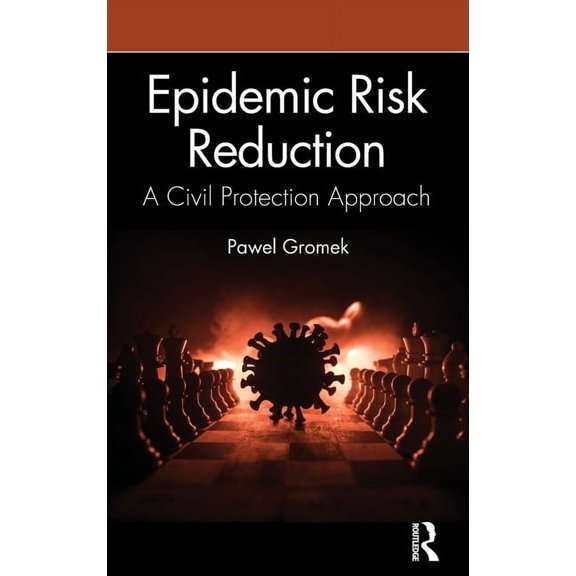

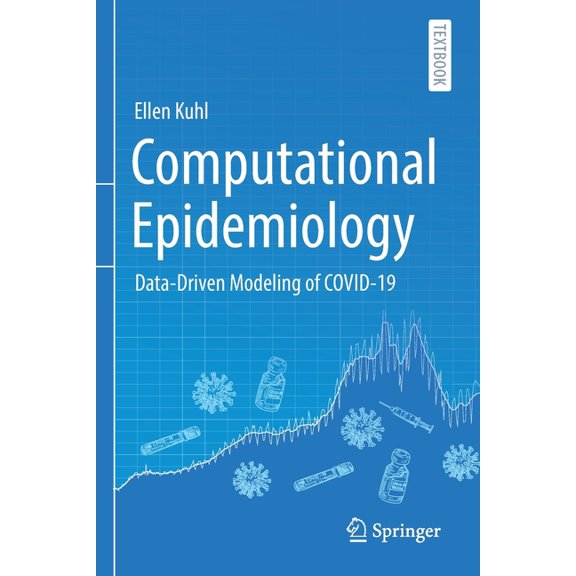








About Epidemiology Books in Medical Books - Walmart.com
Epidemiology books help you build a clear foundation in disease patterns, study design, and population data. You can use this category to compare academic levels, formats, and focus areas before choosing the right text.
If you're starting a public health course, you may want approachable explanations and chapter summaries. If you're advancing your training, you may need deeper coverage of research methodology, modeling, and data interpretation.
How to choose epidemiology books
You should start with your education level because the reading depth changes across introductory, graduate, professional, and reference titles. You can narrow choices faster when you match the book to your course demands.
Introductory titles usually help you understand incidence, prevalence, study types, and population trends in simpler language. Graduate texts often ask you to interpret methods, compare evidence, and work through more technical examples.
Professional and reference options support ongoing learning when you need fast access to definitions, frameworks, and current practice topics. You may prefer those formats when your work or research calls for quick consultation.
What to look for in medical epidemiology textbooks
You should check edition currency before anything else because your syllabus may require recent case studies and updated terminology. You can avoid mismatches when your textbook aligns with current course requirements.
Look for medical epidemiology textbooks that explain research methodology in plain language alongside technical detail. You can understand cohort studies, case-control studies, and trial design more easily with that balance.
You may also want practice problems, review questions, datasets, or digital access for coursework support. You can study more efficiently when your materials include guided exercises and online resources.
- You can match introductory books to survey courses and first-term public health classes.
- You can compare graduate texts when your coursework includes mathematical modeling or advanced methods.
- You can choose reference titles when your work depends on fast topic lookup and concise explanations.
- You can look for digital access when your classes, notes, and assignments happen across multiple devices.
Choosing sub-disciplines and focus areas
You should match the sub-discipline to your class or career path because epidemiology covers several distinct subject areas. You can narrow your options by deciding whether you need infectious disease, chronic disease, clinical epidemiology, or environmental health.
Infectious disease books often focus on transmission patterns, outbreak tracking, and surveillance concepts. You may prefer that focus when your coursework centers on spread patterns and population monitoring.
Clinical epidemiology books usually connect evidence review, study quality, and clinical decision support. You can use those texts when you need stronger grounding in trials, outcomes, and applied research reading.
Environmental health titles often address exposure patterns, population risk comparisons, and policy context. You may choose chronic disease topics when your classes cover long-term trends and prevention frameworks.
You should also compare focus areas such as biostatistics, research methodology, and public health policy. You can find stronger alignment when the main focus matches your assignments, lab work, or professional goals.
Biostatistics textbooks help you interpret tables, rates, probability, and common analytical approaches in clearer terms. You may want that emphasis when your course includes data analysis or quantitative problem sets.
Comparing format and study support
You can choose paperback, hardcover, e-book, or digital access based on how you study each week. You may prefer print for highlighting, or you may choose digital formats for portable reading and search tools.
Paperback options can feel easier to carry between class, work, and study sessions. Hardcover editions may suit you when you want a durable desk reference for repeated use.
E-book and digital access formats can help you move between chapters, notes, and bookmarks quickly. You should check whether your course also expects online quizzes, companion content, or downloadable datasets.
You may benefit from built-in glossaries, chapter recaps, and end-of-unit questions when you're reviewing dense concepts. You can reinforce key terms faster when those study aids sit inside the same resource.
Using public health books for real coursework
You can use public health books in undergraduate survey classes, graduate seminars, and professional certificate programs. You should pick the reading level and focus area that matches your current assignments.
If your class covers outbreaks and surveillance, you may want infectious disease reference books with current examples and clear frameworks. If your course covers evidence appraisal, you may need clinical epidemiology books instead.
You can pair biostatistics textbooks with broader epidemiology reading when your course mixes methods and population concepts. You may find that combination useful for exams, literature reviews, and data-focused discussions.
When your work includes policy, planning, or community health, you should compare titles with public health policy coverage. You can stay aligned with class themes when the text connects data, systems, and decision-making.
You should feel more confident once you've matched education level, sub-discipline, format, and support tools. You can choose epidemiology books that fit your coursework, strengthen your understanding, and make dense material easier to use.