

Orthopedics Books in Medical Books





















About Orthopedics Books in Medical Books - Walmart.com
Orthopedics books help you study musculoskeletal care with focused content for training, reference, and daily clinical review. You can compare sub-specialties, formats, and content types that match coursework, residency demands, and practice needs.
How to choose orthopedics books
When you compare orthopedics books, you should start with the sub-specialty that fits your work or study goals. You can narrow options by surgery, pediatric orthopedics, physical therapy, sports medicine, or trauma.
If you're building a focused library, you should match the text to your learning stage and clinical setting. You may need orthopedic surgery textbooks for operative concepts or orthopedic physical therapy books for movement-based care.
As you review choices, you should also compare content depth and image support. You can use surgical atlases for step visuals, while clinical manuals support quick chairside or bedside reference.
What you gain from orthopedic surgery textbooks and related texts
You can strengthen exam preparation when your books align with board review goals and residency coursework. You can also reinforce anatomy, pathology, and technique review with chapter structures built for repeated study.
In clinical settings, you need references that support fast lookups and organized decision-making. You can benefit from tables, illustrations, and orthopedic clinical examination manuals that keep key points easy to find.
For broader learning, you may want musculoskeletal medicine books that connect diagnosis, imaging, and treatment planning. You can build continuity across classes, rotations, and professional development with a more organized shelf.
- You can compare surgery, trauma, pediatric, sports medicine, and therapy topics in one category.
- You can choose board review, textbooks, clinical manuals, or atlases based on how you study.
- You can select hardcover, paperback, e-book, or spiral-bound formats that fit your routine.
- You can support residency prep, classroom study, or active practice with audience-specific texts.
Choosing by audience, edition, and format
You should match the audience level before you choose a title. If you're a medical student, you may want broad foundational coverage, while residents often need orthopedic residency books with procedural depth.
If you're in active practice, you may prefer orthopedic reference guides that support quick consultation and updated terminology. If you're a physical therapist, you may focus on rehabilitation pathways, movement assessment, and care planning.
You should also check the edition and publication date because orthopedic guidance evolves over time. You can compare newer editions when you want updated classifications, imaging discussions, and operative approaches.
Format matters when you study in different settings across home, campus, clinic, or call rooms. You may prefer hardcover for long-term shelving, paperback for portability, e-book access for searchability, or spiral-bound layouts for open-desk use.
Some titles include digital resources or online access codes that extend how you review material. You can use those extras for searchable content, image libraries, or companion materials that support flexible study sessions.
How to match content type to your daily use
You should compare textbooks, board review titles, clinical manuals, and surgical atlases as different tools. Each format supports a different task, so you can choose based on how you plan to use the book.
Textbooks usually help you build structured knowledge across anatomy, pathology, biomechanics, and treatment principles. You can use them during courses, clerkships, or long-form review when you need full topic development.
Board review titles support condensed preparation with summaries, key facts, and question-focused organization. You can use them when you want faster recall during exam prep or rotation review.
Clinical manuals help you access practical information in a compact, direct layout. You can keep orthopedic clinical examination steps, measurement methods, and common findings easier to reference during busy days.
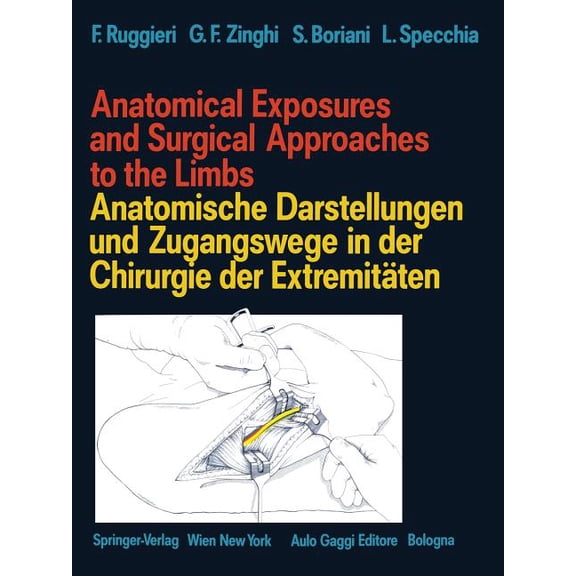
Surgical atlases support visual learning with sequential images and approach-based organization. You can use them when you want to review positioning, exposure, instrumentation concepts, and operative flow before study sessions.
Using orthopedics books for study, residency, and practice
If you're starting coursework, you can use broad texts to understand bones, joints, soft tissue, and injury patterns. You can then add sub-specialty titles as your rotations or interests become more specific.
During residency, you may need layered resources that cover both foundational science and procedural detail. You can pair orthopedic residency books with atlases and board review titles to support conference prep and case review.
In rehabilitation settings, you may want orthopedic physical therapy books that explain assessment frameworks and functional progression. You can match those resources to sports medicine or pediatric topics when your caseload shifts.
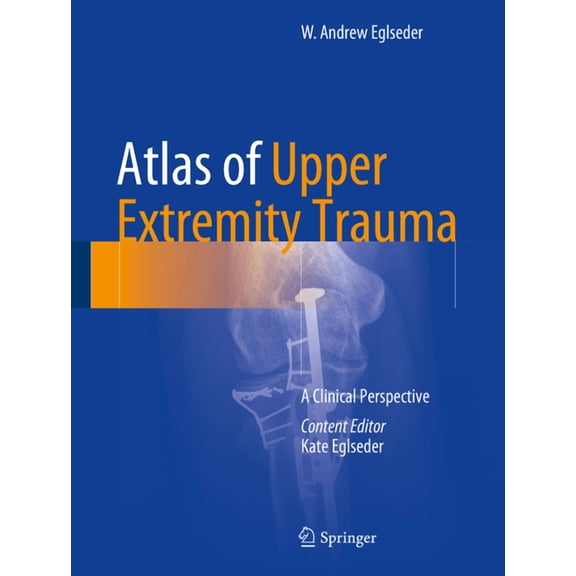
If your work centers on trauma or surgery, you may look for books with detailed illustrations and current editions. You can review fracture patterns, surgical approaches, and postoperative planning with clearer visual support.
For long-term reference, you should build a shelf that balances depth, portability, and current content. You can create a practical library that supports learning today and smoother reference later.
With the right orthopedics books, you can study with clearer direction and choose resources that fit your specialty, format, and training level. You can move from classroom review to clinical reference with materials that stay relevant to your work.