

Diagnosis Books in Medical Books


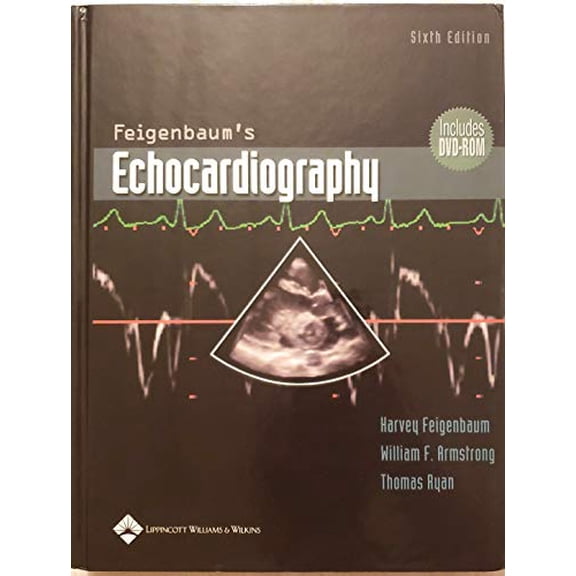





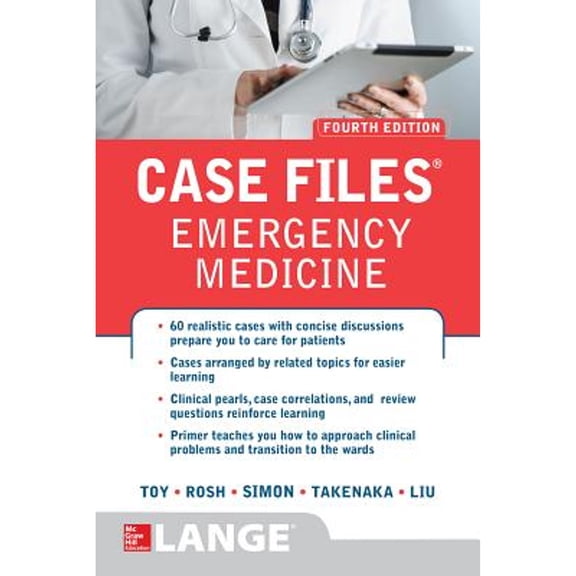




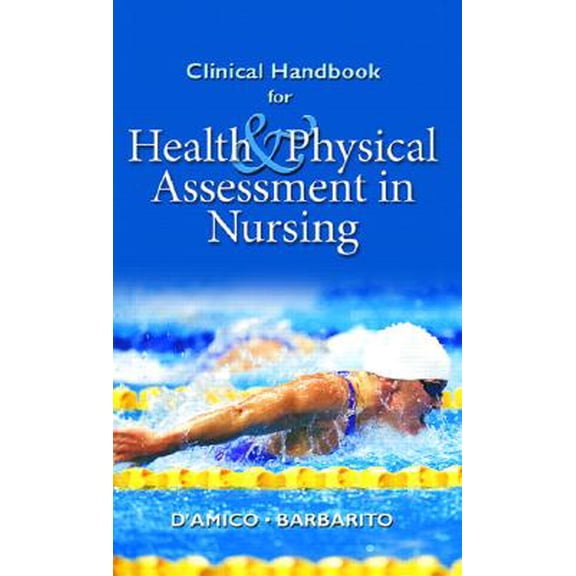









About Diagnosis Books in Medical Books - Walmart.com
You can compare a medical diagnosis book by audience, specialty, and format so your reference fits coursework, clinical study, or personal research. You'll want guidance that explains textbook depth, handbook speed, and condition-focused coverage before you choose.
If you're studying, practicing, or learning at home, you may need diagnosis books that match your terminology comfort and reading goals. You can use this guide to compare editions, lab references, and condition-specific topics with more confidence.
How to choose a medical diagnosis book
You should first decide whether your medical diagnosis books need professional language or a more reader-friendly explanation. You'll usually see textbooks and manuals use denser clinical terms than patient guides.
When you compare book type, you can match the structure to how you'll use it each day. You'll often use a handbook for quick lookups, while your textbook supports longer study sessions.
You may also want a study guide if you're reviewing terms, test categories, or exam-style summaries. You'll often find that a manual helps you follow organized reference sections and repeated topics.
- You can choose a handbook when you need quick table and chart access.
- You can choose a textbook when you need deeper explanations and structured chapters.
- You can choose a manual when you want step-by-step reference organization.
- You can choose a study guide when you want review-focused summaries and terminology refreshers.
Choosing book type, specialty, and condition focus
You should compare specialty coverage before you pick a medical book of diagnosis for class, work, or home reference. You'll find nursing, laboratory medicine, pathology, and general practice each organize information differently.
If you work in nursing, you may look for books that connect tests with nursing implications and care planning context. You'll often prefer quick-reference layouts, abbreviations, and lab value tables.
If you study laboratory medicine, you may want clearer test descriptions, specimen notes, and interpretation frameworks. You'll usually compare how the book groups chemistry, hematology, microbiology, and other lab sections.
When pathology is your focus, you may need stronger coverage of disease processes, tissue findings, and differential thinking. You'll often want diagrams, terminology support, and chapter organization that follows body systems.
If you need broader coverage, you can choose general medicine titles that summarize signs, symptoms, and common diagnostic pathways. You'll often use that approach when your work or study crosses several specialties.
You should also compare whether your diagnostic medical book covers general medicine or a specific condition area. You'll find some readers need autoimmune topics, thyroid health, chronic illness guides, or a hashimotos book.
For condition-focused reading, you may want a hashimoto diet book or a diet for hashimoto guide alongside broader references. You'll benefit when your reading list separates lifestyle topics from clinical diagnostic content.
What to look for in formats, editions, and reference tools
You should check format early because your reading habits affect how useful diagnostic books feel over time. You'll usually choose paperback for portability, hardcover for shelf use, or digital formats for searchable access.
If you carry books between class, work, and home, you may prefer a lighter paperback or e-book. You'll often appreciate digital search when you need terms, lab entries, or chapter jumps quickly.
When you build a home or office reference shelf, you may prefer hardcover copies that stand up to repeat use. You'll often keep those editions nearby for steady consultation and note review.
You should also compare publication date and edition because medical guidance and terminology can change. You'll want to check whether your medical diagnosis textbook reflects current standards, coding language, and reference updates.
Reference tools matter just as much as chapter titles when you choose a book of medical diagnosis. You'll often look for indexes, quick tabs, lab value charts, summary tables, and glossary sections.
If you're balancing technical language with readability, you should check sample pages or descriptions for tone. You'll usually notice whether a medical book for diagnosis explains jargon plainly or assumes prior training.
Matching diagnosis books to real-world use
You can narrow your options quickly when you match attribute combinations to your actual routine. You'll make clearer choices when you connect book type, specialty, condition focus, and format together.
If you're a student in nursing courses, you may choose a handbook or study guide with lab charts and bedside context. You'll often want paperback or digital access for easier transport and quick review.
When you work in laboratory settings, you may choose a manual or textbook with detailed test categories and interpretation notes. You'll usually benefit from strong indexing and chapter layouts that support repeated lookups.
If you're reviewing pathology topics, you may want a textbook with system-based chapters and differential diagnosis discussion. You'll often prefer hardcover when your copy stays at a desk for regular reference.
For general practice reading, you may prefer broader diagnosis books that summarize common presentations across body systems. You'll often use these titles when you need context without a narrow specialty lens.
If your focus is thyroid health or autoimmune diseases, you may choose a reader-friendly guide plus a broader reference. You'll often separate a hashimoto diet book from a more technical diagnostic handbook.
When you want family research or personal education, you may prefer clearer language and fewer abbreviations. You'll usually benefit from guides that explain terminology before presenting charts or test discussions.
You can feel more prepared when your chosen reference matches your specialty, your reading level, and your preferred format. You'll get a clearer path to textbook depth, handbook speed, or condition-focused guidance.