

Medical Education & Training Books in Medical Books


![NHA Phlebotomy Study Guide 2025-2026: 650+ Practice Questions and NHA Exam Prep Book [4th Edition], (Paperback)](https://i5.walmartimages.com/seo/NHA-Phlebotomy-Study-Guide-2025-2026-650-Practice-Questions-and-NHA-Exam-Prep-Book-4th-Edition-Paperback-9781637986547_0800be84-df7b-4963-ac3a-2f138c9a0078.acc7ea7e8f4a4630b6c6a119cdba97ff.jpeg?odnHeight=576&odnWidth=576&odnBg=FFFFFF)


















About Medical Education & Training Books in Medical Books - Walmart.com
You can compare medical education training books by exam focus, specialty, format, and edition details, so your study time stays organized and relevant. You may need core references for class, targeted review for boards, or quick refreshers for clinical rotations.
How to choose medical education training books
When you compare book types first, you can narrow your options faster and match your materials to the way you study. You may want medical textbooks for deep reading, study guides for summaries, exam prep titles for practice, or flashcards for recall.
If you’re building a semester plan, you can start with textbooks and add anatomy study guides for visual review. If you’re preparing for a test window, you can focus on practice-heavy titles that keep your review structured.
- You can use medical textbooks when you need detailed explanations, charts, and longer chapter coverage.
- You can choose nursing study guides when you want condensed review, key terms, and exam-style reinforcement.
- You can pick medical training manuals when you need step-by-step instruction and skill-based reference.
- You can add flashcards when you want portable review for terminology, anatomy landmarks, and pharmacology facts.
As you compare options, you should look for clear organization, readable diagrams, and question styles that match your course or exam. You’ll usually benefit from books that separate fundamentals, review content, and practice sections.
Choosing by specialty and exam alignment
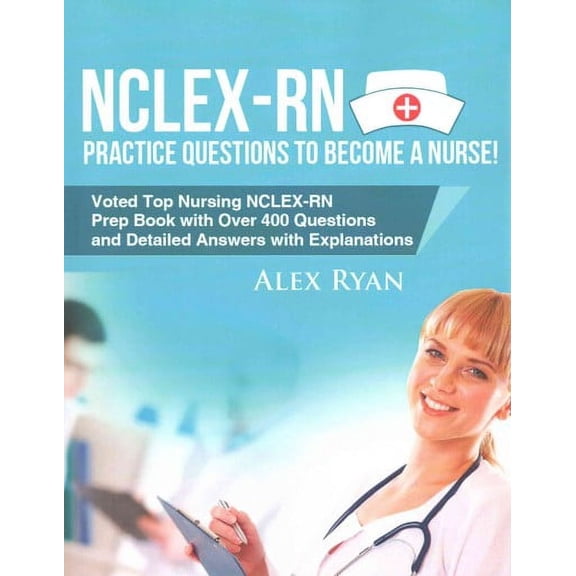
You can make stronger choices when your books match your specialty track and the exam you’re preparing to take. You may need nursing study guides for NCLEX-RN review, or usmle prep books for Step one, Step two, or Step three.
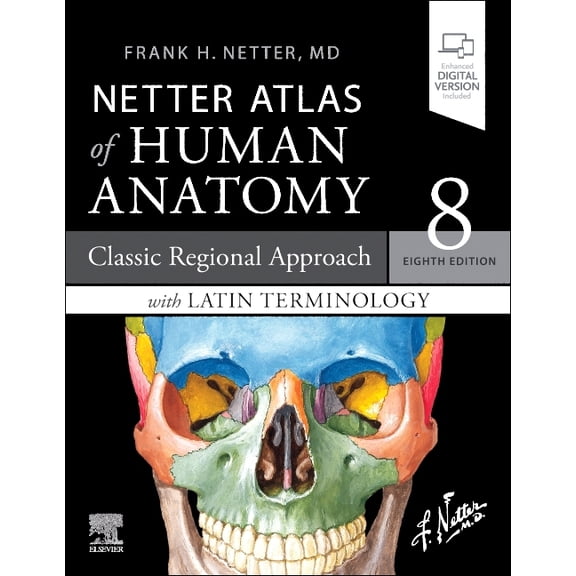
For anatomy, you should look for visual labeling, regional organization, and image-based review that supports memorization. For pharmacology, you may prefer drug classes, mechanisms, and dosage concepts explained in short, repeatable sections.
If you’re a medical student, you may want broad foundational coverage with integrated review questions and clinical correlations. If you’re a resident, you may lean toward concise refreshers that support busy schedules and rapid reference.
Nursing students often compare care planning content, delegation topics, and question rationales before choosing a guide. Allied health learners may prefer focused materials that cover terminology, body systems, and practical procedures.
What to look for in editions and study formats
You should check edition currency before you commit, because updated versions often reflect newer guidelines, refreshed questions, and revised illustrations. You can also compare publication details to see whether a title fits your current syllabus or exam outline.
Study format matters because you may learn differently from diagrams, outlines, full explanations, or repeated quizzes. You can choose spiral-bound books for desk study, paperback for portability, hardcover for long-term reference, or e-book access for flexible reading.
If you retain information visually, you may gravitate toward anatomy study guides with labeled figures, color coding, and summary tables. If you learn through repetition, you may prefer exam prep books with question banks and answer explanations.
You should also check whether your materials include digital resources like online access codes, mobile review tools, or practice tests. Those extras can help you switch between class review, commuting study sessions, and timed practice blocks.
Matching resources to your education level
You can avoid overload by choosing content that fits your training stage instead of buying the densest option available. Medical education training books for early coursework often emphasize foundations, while later-stage review often emphasizes integration and exam pacing.
If you’re entering a nursing program, you may want broad coverage with definitions, charts, and stepwise explanations. If you’re preparing for clinical exams, you may want shorter sections, case-based review, and targeted practice questions.
Medical students often compare organ-system organization, board-style questions, and review summaries before selecting materials. Residents may look for compact references that help them revisit pharmacology, anatomy, and diagnostic concepts efficiently.
When you compare across levels, you should ask whether the content supports daily coursework, cumulative review, or final exam preparation. That simple filter can help you build a more useful study stack without unnecessary overlap.
Using medical textbooks, guides, and manuals in real study routines
You can combine several formats to support different moments in your week and keep your review balanced. A textbook can anchor your reading, a study guide can condense key points, and flashcards can reinforce memory between classes.
During board preparation, you may use usmle prep books for timed sets and detailed rationales after each block. During nursing review, you may pair nursing study guides with practice questions that mirror exam pacing and content domains.
For lab-heavy courses, you might keep anatomy study guides nearby for quick visual review before quizzes or practicals. For skills training, you may prefer medical training manuals that break procedures into clear, sequential steps.
You can also build a mixed library that supports long-term study and quick lookup during demanding semesters. With the right combination, you’ll spend less time sorting materials and more time focusing on the content you need next.
You’ll feel more confident choosing resources when you compare book type, specialty, education level, and format together. That approach helps you find medical education training books that fit your coursework, exam timeline, and daily study habits.