

Medicaid & Medicare Books in Medical Books









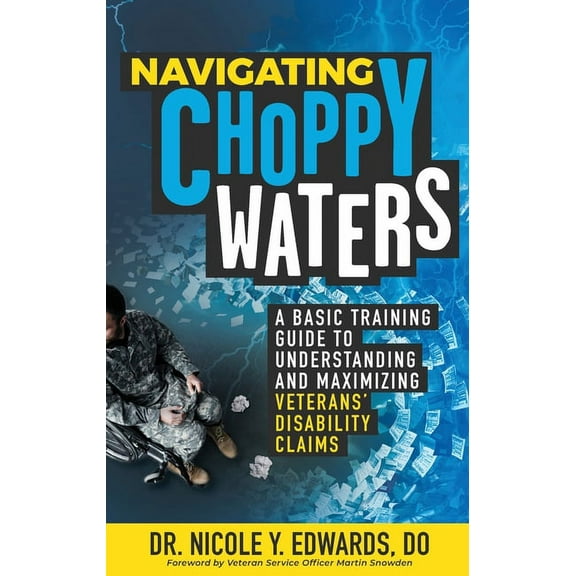


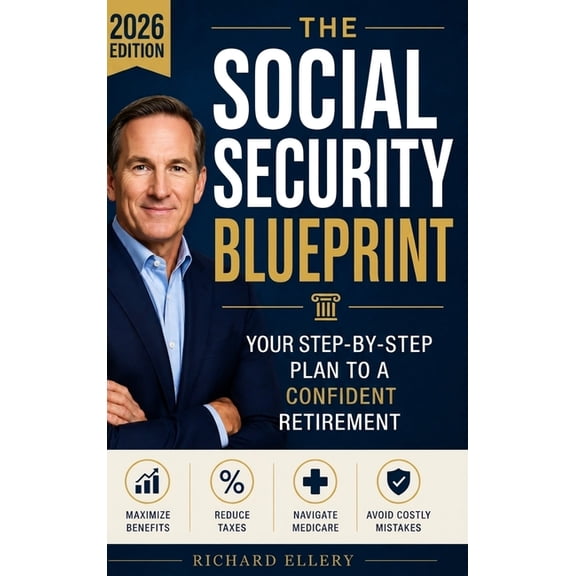
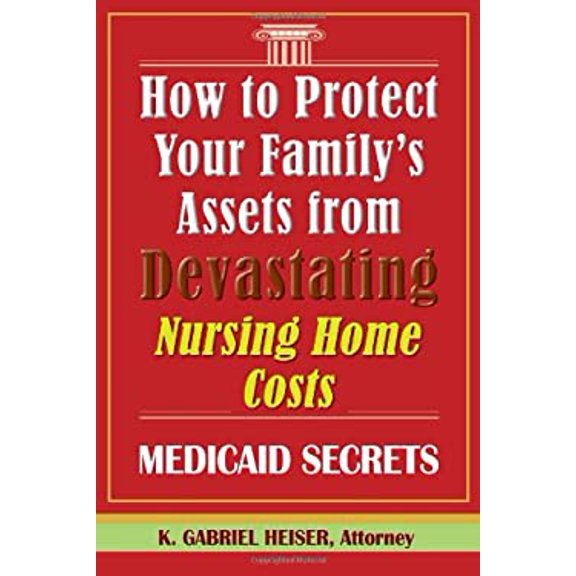


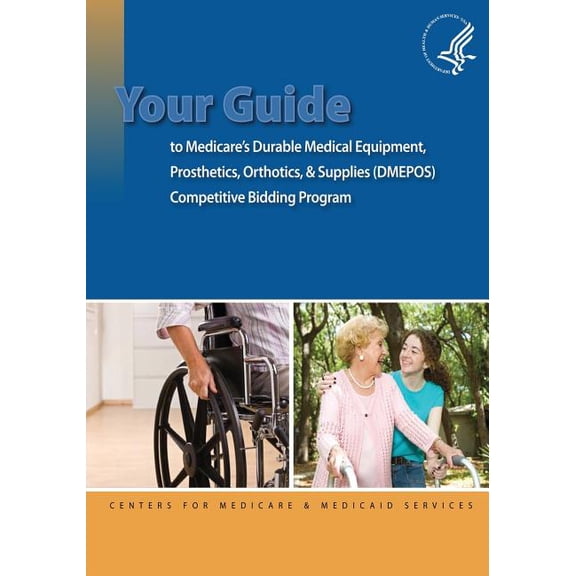




About Medicaid & Medicare Books in Medical Books - Walmart.com
You'll find medicaid medicare books that help you compare programs, follow rule changes, and choose guides that match your planning needs. You can use this category to sort through enrollment help, legal references, and caregiver-focused titles with clearer intent.
If you're planning for retirement, supporting family, or reviewing public coverage rules, you need books built for those exact questions. You can focus on current editions, practical checklists, and topic-specific guidance that fits real Medicare and Medicaid decisions.
How to choose medicaid medicare books
When you compare medicaid medicare books, you should start with the kind of reading support you need. You may want a guidebook for plain explanations, a handbook for quick reference, or a legal reference for detailed rules.
Your choice often depends on how deeply you plan to research coverage, timelines, and paperwork. If you're new to the topic, you may prefer shorter chapters, glossaries, and step-by-step explanations.
- You can use guidebooks for broad overviews of Medicare parts, enrollment windows, and common coverage terms.
- You can choose handbooks when you want quick tables, checklists, and side-by-side comparisons during planning.
- You can review legal references when your work involves estate planning, elder law, or state program rules.
- You can look for textbooks when you need structured learning for coursework or professional training.
You should also compare whether a book speaks to seniors, caregivers, planners, or legal professionals. Your reading experience becomes easier when the examples match your role and your decisions.
Choosing medicare guide books by update cycle
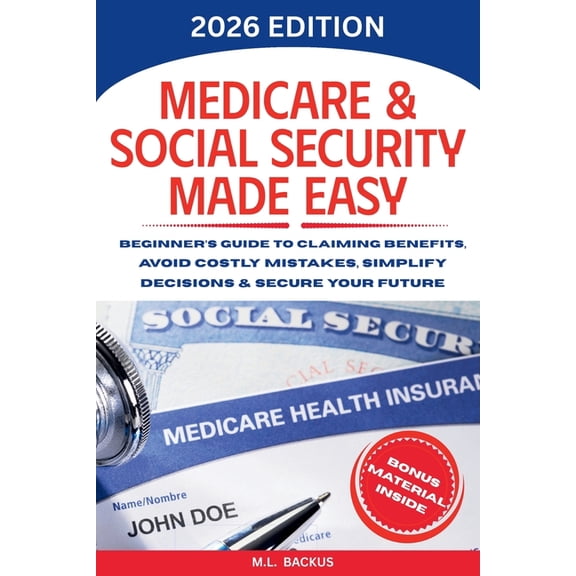
You should check publication year first, because plan years and legislative changes can affect what you read. Your search may be easier when you compare a 2024 edition, a 2025 edition, or another current year update.
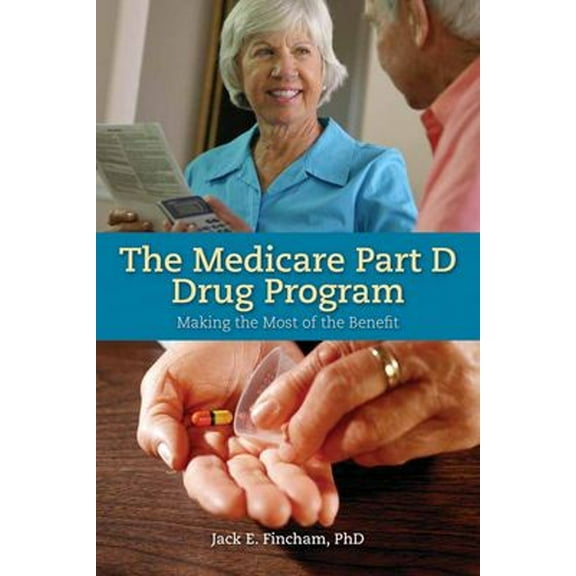
If you want books on medicare, you should look for editions that explain enrollment periods, plan options, and cost-sharing terms in plain language. You can use updated titles to understand annual changes without piecing together older information.
Your decision should also include how a book handles federal rules versus plan-year details. You may want charts, timelines, and chapter summaries that help you track what changed and when.
Comparing medicaid planning books by topic
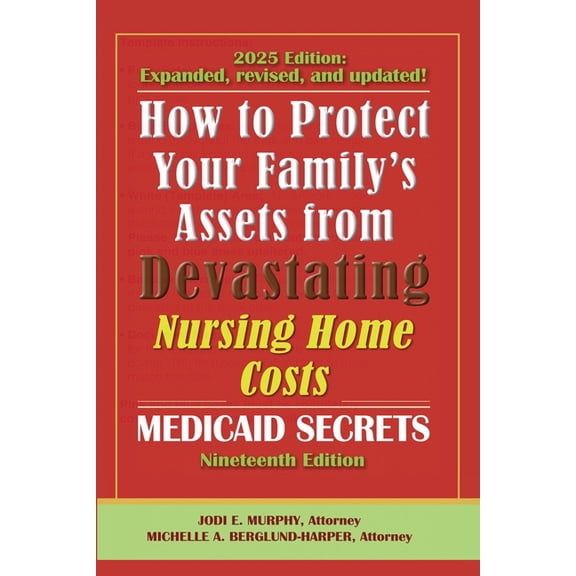
You should choose medicaid planning books based on the exact question you're trying to answer. Your options may center on enrollment, asset protection, social security coordination, or long-term care planning.
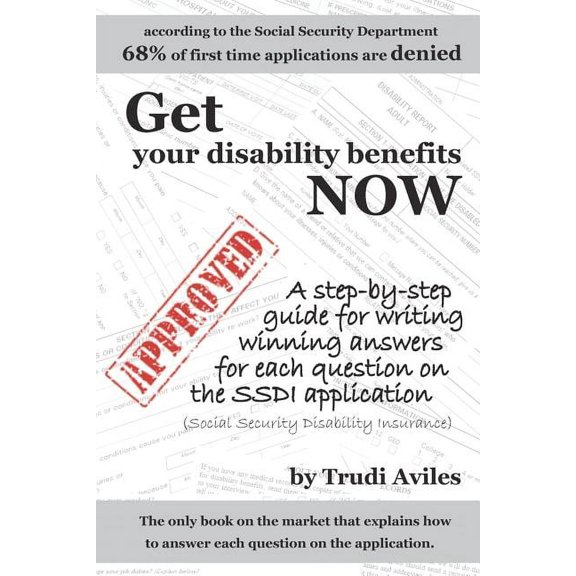
If you're helping a parent or spouse, you may want books that break down applications into clear steps. You can also look for caregiver checklists, document lists, and scenario-based examples that reduce confusion.
State-specific content matters when you review Medicaid, because eligibility details can vary by state. You should look for books that explain federal basics first, then show where state rules may differ.
Your planning may also involve legal timelines, income reviews, and spend-down concepts explained in simple terms. You can narrow choices faster when a title states whether it covers general education or detailed planning reference.
Matching reader level and format to your needs
You should think about your experience level before choosing senior healthcare guides. Your needs may be very different if you're a first-time reader, a caregiver managing forms, or a professional researching policy details.
Beginner-friendly books usually help you with definitions, examples, and shorter chapters you can follow in order. Professional references often give you citations, denser layouts, and deeper explanations for case-based research.
You may also prefer a handbook if you want to check facts quickly during appointments or family discussions. A textbook can work if you want a more structured path through terminology, systems, and planning concepts.
Your format choice can affect how easily you revisit information later. You should look for indexes, chapter tabs, summaries, and worksheets when repeat reference matters to your routine.
Using medicaid medicare books in real planning situations
If you're approaching retirement, you can use these books to compare enrollment timelines with other financial planning tasks. Your reading can support decisions around social security timing, household budgeting, and coverage coordination.
When you're caring for a family member, you may want caregiver-focused titles with forms, checklists, and plain explanations. You can keep important steps organized when a book lays out records, deadlines, and follow-up tasks clearly.
If your work includes planning or legal research, you may need titles that separate federal guidance from state-specific Medicaid rules. Your reference process becomes smoother when books identify where readers should confirm local program details.
You can also use medicare guide books when you want a current overview before speaking with advisors or agencies. Your preparation feels more focused when you already understand terms, timelines, and the questions you need answered.
With medicaid medicare books, you can choose resources that match your role, your topic, and your needed level of detail. Your planning becomes clearer when your book explains current rules, practical steps, and the differences that shape real coverage decisions.