

AIDS & HIV Books in Medical Books
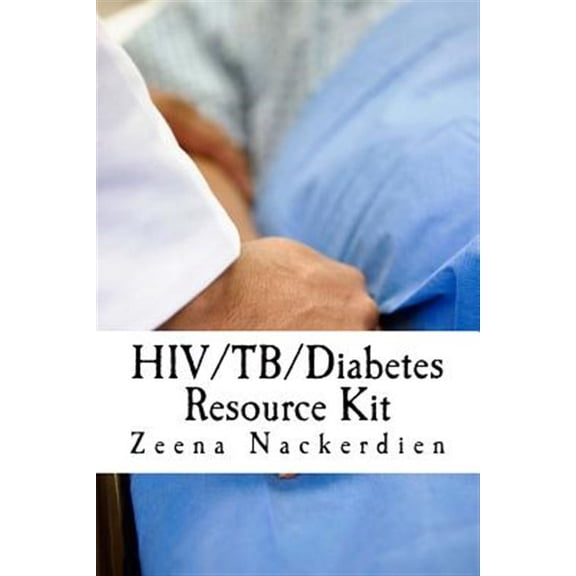


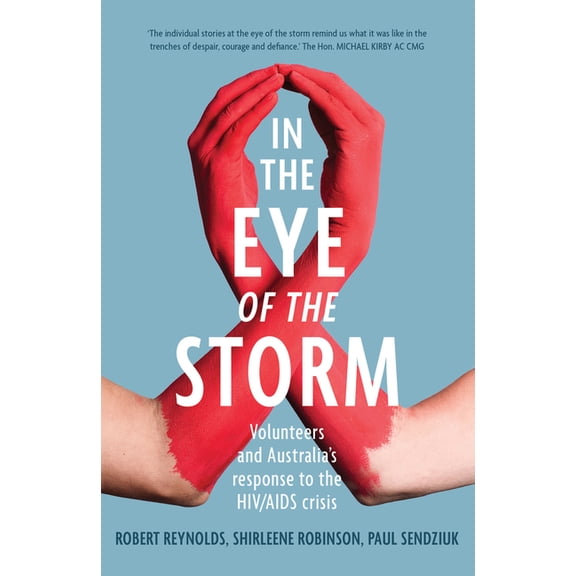






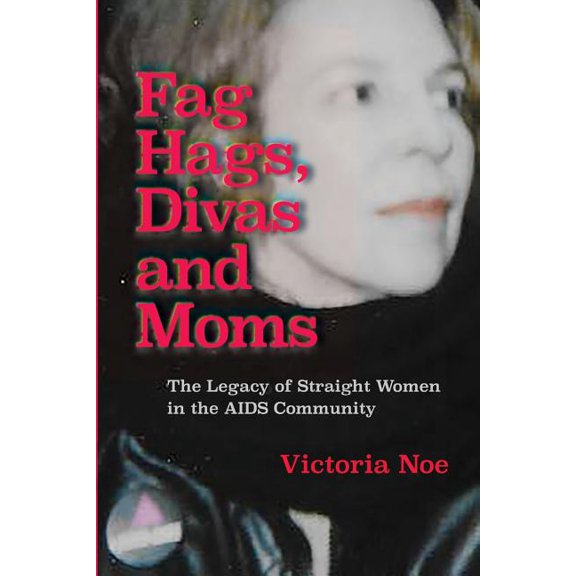


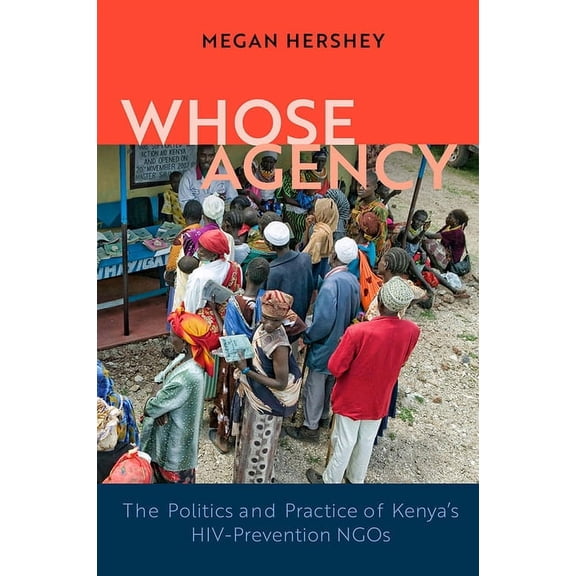


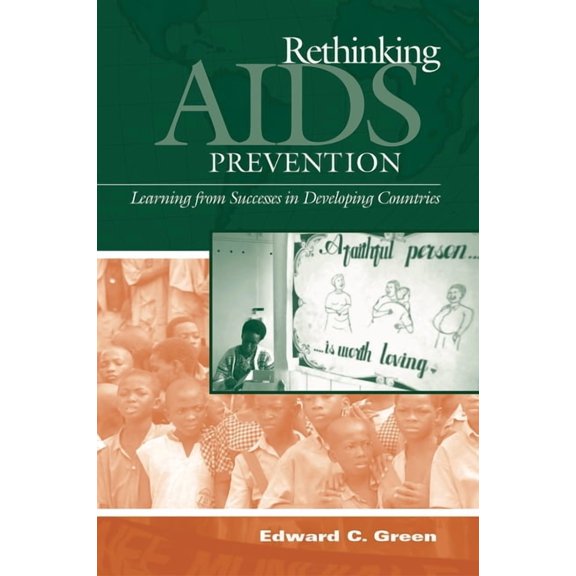
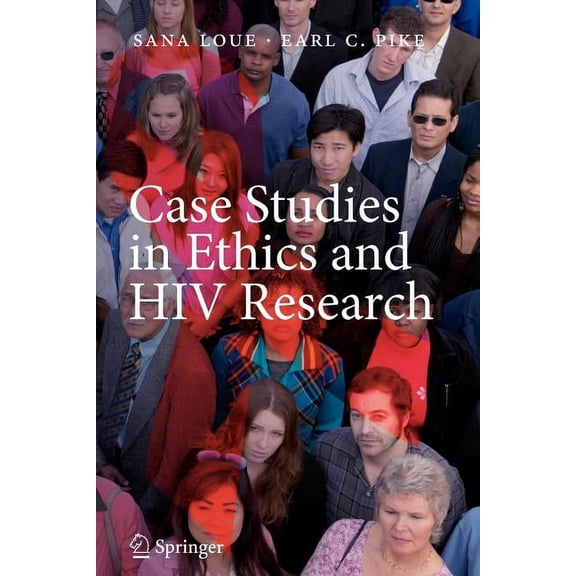
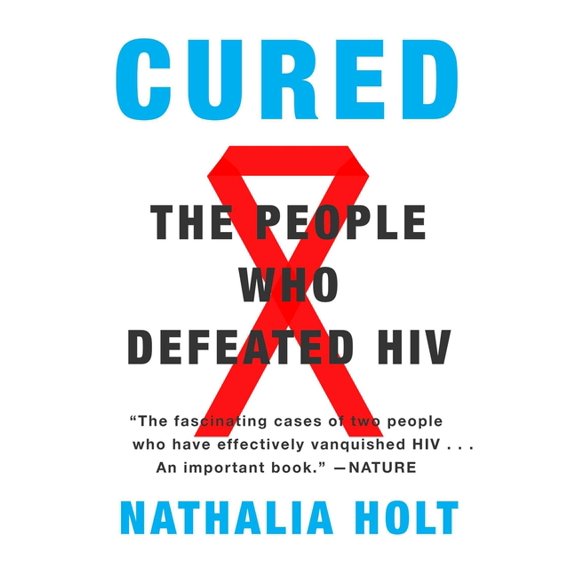
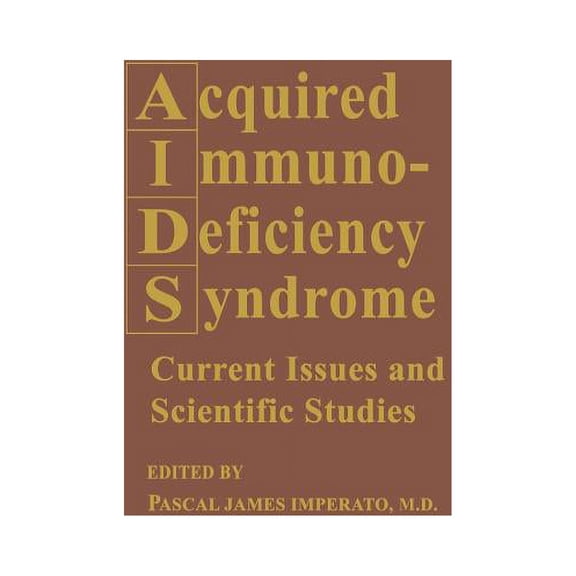
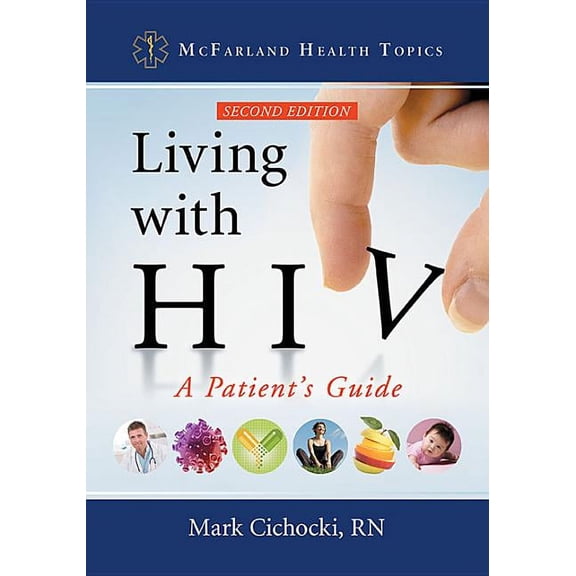


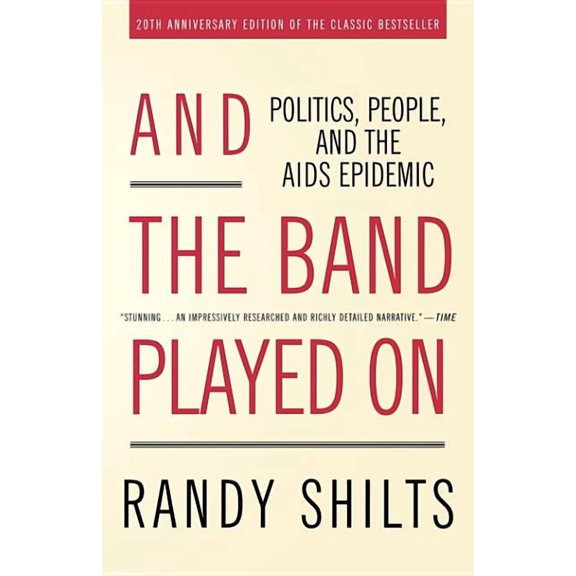
About AIDS & HIV Books in Medical Books - Walmart.com
AIDS HIV books help you compare medical references, patient guides, and historical accounts within one focused category. You can use this page to sort by format, audience, subject matter, and publication era.
If you study infectious disease or explore public health history, you need titles that fit your purpose. You can look for technical coursework support or plain-language reading that builds practical understanding.
How to choose aids hiv books
When you choose aids hiv books, you should first match the title to your reading level. You may need HIV AIDS medical books for coursework, or you may want approachable guides for personal learning.
Format shapes how you read and review complex material. You can annotate paperback and hardcover copies, or you can choose e-book and audiobook options for flexible access.
- You can compare technical textbooks with reader-friendly guides based on your background.
- You can choose paperback, hardcover, e-book, or audiobook formats for different study habits.
- You can focus on virology, immunology, clinical care, or public health history.
- You can check publication era to balance current research with historical context.
Subject matter helps you narrow your search quickly. You may want virology textbooks for virus structure and transmission, or immunology books for immune response and host interaction.
Some readers need clinical care content with treatment frameworks, terminology, and case-based discussion. Others want public health history that explains advocacy, policy shifts, and the timeline of the epidemic.
Choosing format, audience, and publication era
Book format affects how you study, reference, and revisit material. You might prefer hardcover books for repeated desk use, while e-books help you search chapters and terms quickly.
Audience level matters just as much as format. You should compare whether a title targets medical professionals, students, patients, or general readers before you choose.
If you train in nursing, medicine, or laboratory science, you may need dense chapters with citations and technical terms. If you support a household member, you may prefer books that use simple language.
Publication date is a major decision point in this category. You should look for contemporary research when you need updated science, and you can choose historical accounts for context and chronology.
Medical science changes quickly in infectious disease education. You can use recent editions when you want current terminology, recent care frameworks, and modern public health discussion.
Historical works still serve a distinct purpose in this category. You can use history of HIV AIDS books to understand activism, stigma, research milestones, and public health communication.
Comparing subjects in HIV AIDS medical books
Subject focus shapes what you learn from the first chapter onward. You should compare whether your goal is molecular science, immune function, clinical practice, or social and policy history.
Virology textbooks help you follow virus classification, replication concepts, and laboratory-focused discussion. You can use them for coursework, background reading, or deeper topic review.
Immunology books often center on how the immune system responds over time. You may choose them when your classes or reading goals focus on host response and immune mechanisms.
Clinical care books help you understand care pathways, terminology, and professional communication in medical settings. You should check whether the writing assumes prior training or explains concepts for new learners.
Public health history titles offer a different lens on this category. You can trace early reporting, policy debates, community response, and the cultural record surrounding the epidemic.
That subject variety supports several reading goals. You can compare academic references, patient education resources, and history-focused works within the medical books category.
Matching books to your learning goals
If you build a course reading list, you may want current editions, technical language, and detailed references. You can pair HIV AIDS medical books with broader infectious disease, nursing, or epidemiology materials.
If you teach or present, you may need books that explain both science and social context clearly. You can combine contemporary research with historical accounts for a full understanding of the topic.
If you read for personal education, you may want approachable structure and less specialized terminology. You can focus on patient guides, general-reader histories, or introductory texts that explain key concepts clearly.
If you research the epidemic's timeline, you may prefer books centered on public health history and policy change. You can use those works to connect medical milestones with activism, media coverage, and community response.
If you study on the go, digital formats may fit your routine easily. You can choose an e-book for searchable text or an audiobook when you want flexible listening during travel.
With the right mix of audience level, subject focus, and publication era, you can choose books that support serious study. You also gain a clear path to relevant, readable material for your exact purpose.
A focused selection of aids hiv books helps you narrow choices by format, reader level, and topic. You can choose titles that align with your study goals and subject interests with confidence.