

Osteopathy Books in Medical Books


















About Osteopathy Books in Medical Books - Walmart.com
Osteopathy books help you compare study tools, clinical references, and technique guides for focused learning. You can use this category to sort materials by audience, format, and osteopathic approach.
If you're building a student library or updating your office shelf, you need content that matches your training level. You can compare board review titles, foundational texts, and hands-on manuals without guessing what each type covers.
How to choose osteopathy books
When you choose osteopathy books, you should start with your goal and your experience level. You may need exam review, daily clinical reference, or a broad introduction to osteopathic principles.
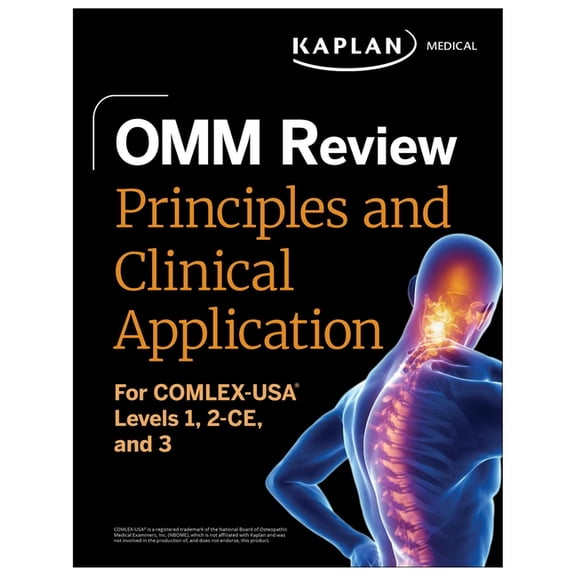
Some titles support COMLEX prep and OMT review with concise summaries and practice-focused explanations. Others guide your understanding of anatomy, palpation concepts, and treatment frameworks thoroughly.
You should also compare whether a book teaches step-by-step techniques or emphasizes theory and philosophy. That difference matters when you need quick technique refreshers or longer-form classroom study.
- You can choose board review books when your focus is COMLEX prep and OMT review.
- You can choose clinical references when you need fast technique lookup during training or practice.
- You can choose foundational theory texts when you want context for osteopathic concepts and history.
- You can compare diagrams, anatomical illustrations, and video access when visual learning shapes your study style.
Choosing focus areas in osteopathic medicine books
You should compare focus areas before you choose osteopathic medicine books for coursework or practice. You may want broad manual therapy coverage or a specific subject like cranial or visceral approaches.
If you study manual therapy books, you can expect movement-based techniques, palpation guidance, and treatment positioning details. If you prefer cranial osteopathy, you may look for light-touch concepts and region-specific illustrations.
When you compare visceral osteopathy titles, you should look for organ-related anatomical relationships and gentle manual approaches. If you need myofascial release coverage, you can focus on tissue tension patterns and practical hand placement cues.
You may also want books that connect focus areas to osteopathic manipulative medicine books used in structured training. That helps you compare specialized topics with broader OMM coursework and review needs.
Comparing format and visual learning tools
You should match format to how and where you study each week. You may prefer hardcover durability, paperback portability, spiral-bound convenience, or e-book access across devices.
If you annotate heavily, you may like spiral-bound books that stay open on a desk or lab table. If you carry texts between class and clinic, you may prefer paperback options with light weight.
You can choose hardcover editions when you want a long-term shelf reference for repeated use. You can choose e-book formats when you need searchable content and flexible reading during travel or rotations.
Visual aids also shape your experience with osteopathy textbooks and technique guides. You should look for diagrams, anatomical illustrations, photos, or video access when you learn through movement and structure.
Matching target audience and study category
You should check whether a title targets medical students, practitioners, physical therapists, or general readers. That choice helps you avoid books that feel too advanced, too broad, or too introductory.
If you're a medical student, you may want structured chapter flow, review tables, and exam-oriented organization. If you're already practicing, you may prefer quick-reference layouts and case-based explanations.
When you compare books for physical therapists or general readers, you should look for scope and terminology that match your background. That helps you find practical instruction without assuming a full osteopathic medical curriculum.
You should also sort by study category before you commit to a title. Board review supports exam prep, clinical reference supports treatment lookup, and foundational theory supports classroom learning and concept building.
Using osteopathic manipulative medicine books in real study scenarios
You can use osteopathic manipulative medicine books differently depending on your schedule and setting. You may need one type for exam blocks and another for hands-on refreshers before lab or clinic.
During COMLEX prep, you can focus on concise review books that organize OMT concepts for quick recall. During coursework, you may pair those with broader osteopathic medicine textbooks for detailed explanations.
In clinical training, you may want books that show positioning, contact points, and sequence details in clear images. In office practice, you may prefer references that help you revisit specific techniques between appointments.
If you're comparing practical and theoretical resources, you should decide how much direct instruction you need. Practical books usually emphasize steps and visuals, while theoretical texts explain principles, models, and clinical reasoning.
You can also build a balanced library by combining one foundational text, one board review guide, and one technique-focused reference. That mix gives you context, recall support, and procedure detail in one category.
Why organized osteopathy books support focused study
You can narrow complex choices quickly when you organize osteopathy books by focus area, format, audience, and study category. You end up with resources that match your training path and your daily learning habits.
Whether you need osteopathic medicine books for class or manual therapy books for technique review, you can choose with clear criteria. You gain a useful study shelf and an efficient reference routine.