

Oncology Books in Medical Books







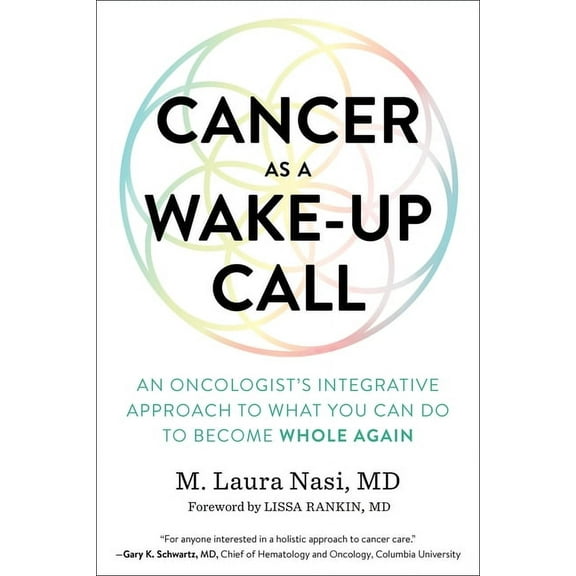



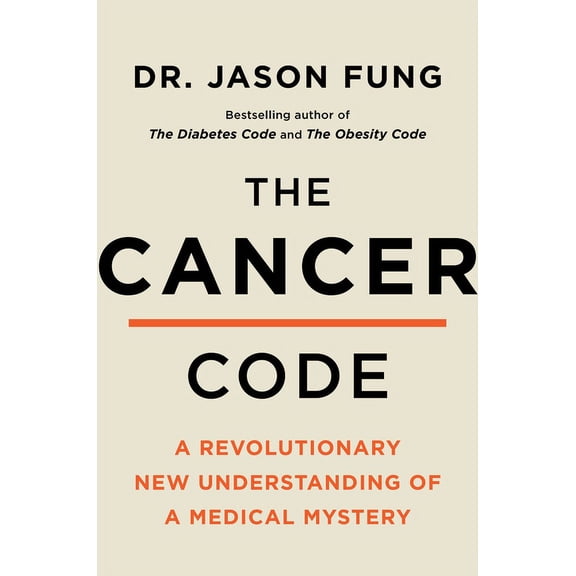
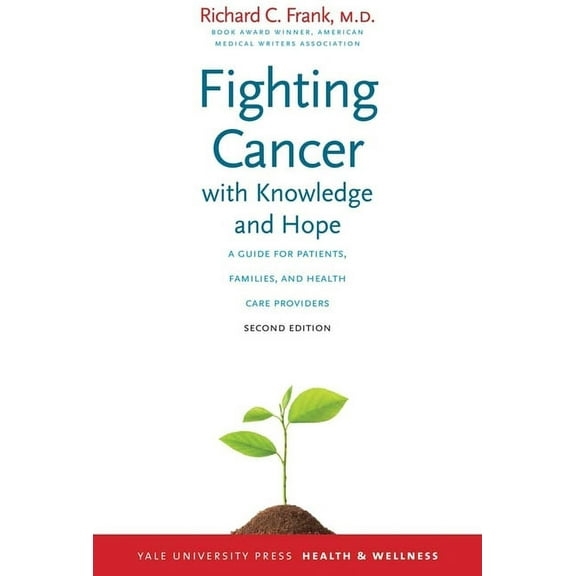
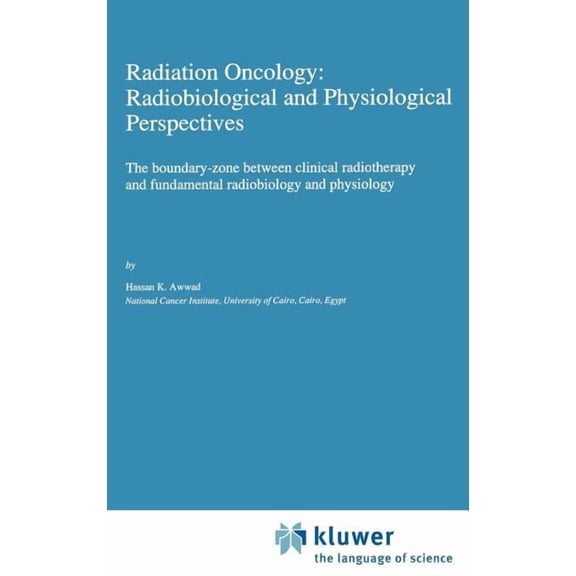








About Oncology Books in Medical Books - Walmart.com
Oncology books help you study complex cancer care with clear structure and strong specialty focus. You can compare titles for medical oncology, radiation oncology, surgical oncology, and pediatric oncology in one place.
You may need texts for class, board review, or daily reference during training and practice. You can narrow your options by specialty, format, audience level, and edition recency before you commit.
How to choose oncology books
You should start with the medical specialty that matches your coursework or clinical role. You can focus faster when your book aligns with radiation plans, tumor pharmacology, surgical management, or pediatric cases.
You may also want oncology textbooks that match your training stage and reading goals. You can look for student-friendly overviews, resident-level review books, or detailed references for practicing oncologists.
- You can use board review titles for concise summaries, exam-style organization, and rapid refresh sessions.
- You can choose clinical reference books when your work calls for deeper protocols, staging details, and treatment pathways.
- You can pick classroom study texts when you need foundational explanations, illustrations, and chapter-based learning.
- You can compare hardcover, paperback, e-book, and loose leaf formats based on how and where you study.
You may notice that the right format can shape your daily workflow. You can keep a hardcover at your desk, carry a paperback, or switch to an e-book for quick searching.
Choosing specialty and audience level in oncology books
You should compare specialty coverage first because oncology training is highly specific. You can save time by choosing books on oncology that reflect the cases, terminology, and treatment decisions you actually review.
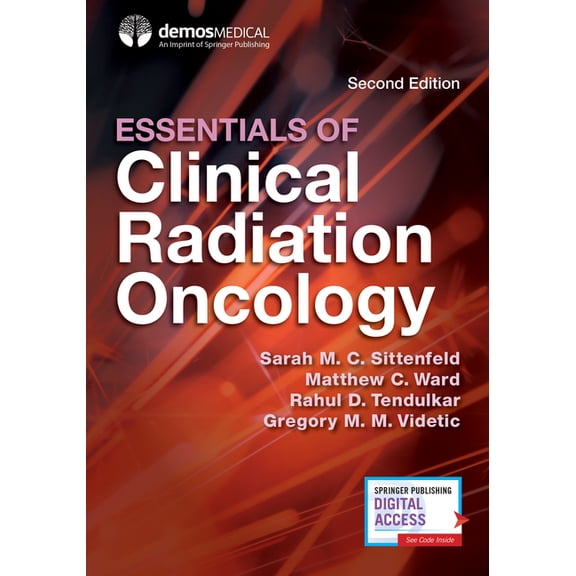
If your focus is medical oncology, you may look for systemic therapy topics, staging frameworks, and disease-specific management chapters. If your focus is radiation oncology, you may compare texts with planning concepts, dose discussions, and case-based explanations.
When you study surgical oncology, you may want books that organize procedures, tumor biology, and perioperative decision points. When you study pediatric oncology, you may need age-specific cases, developmental context, and childhood cancer coverage.
You should also match the reading level to your current responsibilities. You can use foundational oncology textbooks for coursework, while fellows and practicing oncologists may prefer denser references.
If you’re in residency, you may need books that balance depth with fast retrieval during rotations. You may prefer concise chapter layouts, review tables, and summaries that support efficient recall.
What to look for in editions and formats
You should check edition recency before you choose any oncology books. You need current editions because cancer classification, treatment approaches, and guideline language can change quickly.
You can often judge a book’s usefulness by how clearly it reflects current practice frameworks. You may want updated chapters, recent citations, and revised review content for exams and coursework.
You should compare format based on how you read during long study blocks or clinical days. You can mark up a loose leaf version, keep a paperback in your bag, or use an e-book for searchable content.
If you share space between lectures, libraries, and hospital settings, format flexibility matters. You can move between print and digital options based on portability, note-taking style, and screen preference.
You may also want to check whether the publisher includes companion materials with your selection. You can use online questions, image banks, or supplemental resources when your course requires extra review.
Matching books on oncology to real study and practice needs
You can use classroom study titles when you’re building core understanding from the ground up. You may prefer books with structured chapters, visuals, glossaries, and end-of-chapter review sections.
For board preparation, you should look for concise oncology textbooks with focused summaries and quick-reference layouts. You can review high-yield topics faster when authors organize the content around exam themes.
If your day includes patient-facing training or case discussion, you may need deeper reference support. You can turn to detailed books on oncology for staging systems, treatment algorithms, and multidisciplinary context.
You might also compare titles by audience to avoid overbuying or underbuying the level of detail. You can keep your study more efficient when the text matches your coursework, rotation, fellowship, or practice needs.
When you build a personal library, you can combine a broad core text with a specialty-specific review book. You can cover foundational oncology concepts while keeping a focused resource for your chosen discipline.
Why the right oncology textbooks matter
You can make an informed choice when you compare specialty, audience level, purpose, format, and edition date together. You can end up with oncology books that fit your training path and support confident study sessions.
You deserve texts that match real oncology workflows, not generic medical reading. You can stay organized with resources built for current learning goals and practical clinical reference.