

Medical Research Books in Medical Books



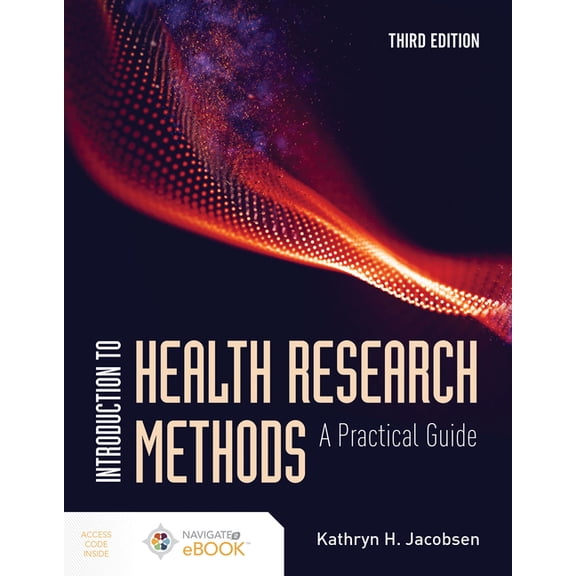


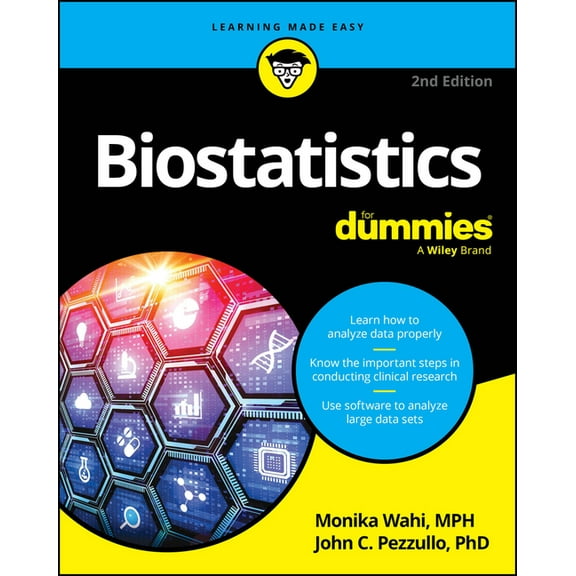













About Medical Research Books in Medical Books - Walmart.com
Books about medical research help you compare methods, specialties, and study levels before you choose texts for coursework or professional reference. You can use this category to narrow titles by field, format, and edition needs.
If you study medicine, public health, nursing, or clinical science, you often need sources that match your current training level. You can also look for books that explain trial design, statistics, and evidence review in clear steps.
How to choose books about medical research
When you compare books about medical research, you should start with your academic or professional level. You may need introductory explanations, or you may need advanced clinical terminology and statistical formulas.
Introductory and undergraduate texts usually help you build core vocabulary, research ethics awareness, and basic study design knowledge. Graduate and professional clinician titles often give you denser analysis, journal references, and applied interpretation.
You should also match the book to your research field before you commit to a title. A text on epidemiology won't guide your pharmacology reading in the same way.
- You can use epidemiology books to study population data, outbreak patterns, and study validity.
- You can choose clinical trials titles when you need protocol design, randomization, and outcome measurement guidance.
- You can compare biostatistics books if you need help with tests, formulas, and data interpretation.
- You can review pharmacology research texts when your work centers on drug studies, dosing literature, and trial reporting.
Key differences in medical research books
You should check methodology focus because qualitative, quantitative, and mixed methods books support different assignments and research goals. A qualitative title usually helps you examine interviews, themes, and observational findings.
A quantitative title often helps you work through variables, statistical testing, and measurable outcomes. A mixed methods text can help you connect numerical analysis with narrative findings.
You should review publication date and edition because medical research changes quickly across specialties and standards. Newer editions may help you follow updated terminology, revised examples, and current citation practices.
Format matters when you plan to read across campus, in clinics, or at your desk. Paperback editions can feel easier to carry, hardcover copies can suit shelf reference, and e-books can support portable reading.
You may also want tables, charts, sample datasets, and glossary sections that support faster review. These details can make complex topics like regression, cohort studies, and blinding easier to follow.
Choosing by academic level and research field
You can narrow medical research books faster when you pair your level with the exact subject area you study. An undergraduate epidemiology reader often explains incidence, prevalence, and bias with classroom-friendly examples.
If you're in graduate study, you may need denser biostatistics content with formulas, model interpretation, and software-oriented examples. If you work in clinical practice, you may prefer concise references that connect evidence appraisal to real documentation.
You should compare field coverage closely because two titles can share a category but solve different problems. One book may center on clinical trial phases, while another focuses on observational design and population sampling.
When your coursework includes pharmacology, you may look for titles that explain study protocols, dosing analysis, and literature review structure. When your focus is epidemiology, you may prefer surveillance methods and public health datasets.
You can also use this category to find books that support thesis planning, classroom assignments, and journal club preparation. Those needs often depend on whether you need broad foundations or specialty-specific depth.
When each format and method makes sense
You may prefer paperback books when you carry readings between classes, libraries, and study sessions. You may choose hardcover copies when you want a durable reference for repeated consultation.
If you switch between locations, e-books can help you keep your notes and readings in one device. That format can also help you search terms like cohort, p-value, or confidence interval quickly.
You should choose qualitative books when your project involves interviews, focus groups, or thematic coding. You should choose quantitative books when your assignment depends on measurement, testing, and statistical comparison.
If your course or project combines patient perspectives with numerical outcomes, mixed methods texts can give you a practical framework. You can use them to connect survey data with narrative interpretation.
You may also compare editions when an instructor assigns a recent framework or updated evidence standards. That step helps you align your reading with current classroom expectations and citation needs.
What to look for before you decide
You should check the table of contents for topics that match your syllabus, project plan, or review goals. You can look for chapters on study design, sampling, ethics, data analysis, and evidence appraisal.
You may also compare indexes, reference lists, and worked examples before you choose a title. Those elements often show whether a book supports quick review or deeper academic study.
With the right books about medical research, you can build solid course preparation and a clear understanding of methods across specialties. You can move from basic concepts to applied interpretation with resources that fit your level and format needs.