

Hematology Books in Medical Books


















About Hematology Books in Medical Books - Walmart.com
Hematology books help you study blood disorders, lab methods, and clinical decision-making with focused content for your training or practice. You can compare textbooks, atlases, and review guides by audience, format, and sub-specialty before you choose.
If you're building a course list or updating a professional library, you need content that matches your level and daily tasks. You may also want current editions, detailed visuals, and digital tools that support faster review.
How to choose hematology books by audience and goal
You should start with your training level because introductory explanations and board review formats serve different needs. If you're a medical student, you may prefer step-by-step concepts, chapter summaries, and end-of-chapter questions.
Residents often need tighter clinical focus, faster recall tools, and case-based explanations for rounds or exam prep. If you're a hematologist or lab technician, you may look for deeper interpretation, morphology guidance, and reference-heavy content.
You can narrow your options faster when you match content type to your goal. If you're learning foundations, textbooks usually give you broader coverage, while board review titles support concise revision.
- You can use textbooks for structured learning across anemia, coagulation, and malignant blood disorders.
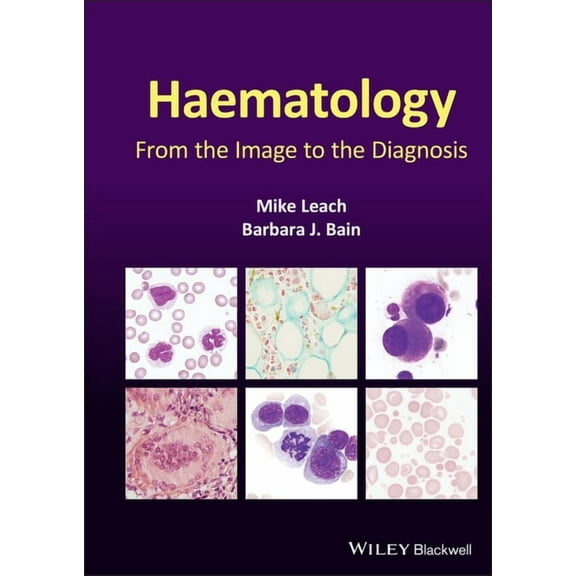
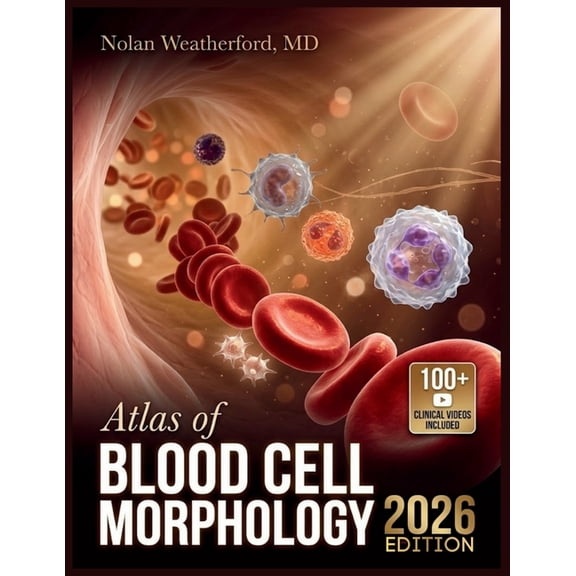
- You can use atlases when you need blood smear images, marrow findings, and side-by-side visual comparison.
- You can use case studies when you want applied reasoning tied to patient presentation and lab data.
- You can use board review books when you need rapid recall, practice questions, and exam-focused organization.
You may also want a hematology atlas if visual recognition matters in your coursework or lab setting. You can spot differences more clearly when images and captions align with common morphology patterns.
What to look for in hematology textbooks and formats
You should compare format options based on how and where you study. If you carry books between class, clinic, and home, paperback and e-book formats may feel easier to manage.
You may prefer hardcover editions when you want a sturdier reference for repeated shelf use. If you annotate heavily, spiral-bound formats can help you keep pages flat during note-taking.
Edition currency matters because you need material that reflects newer classifications, terminology, and diagnostic approaches. You should check the publication year when you want content that feels aligned with current coursework.
You can also review whether a title includes online access codes, question banks, or interactive cases. If your schedule is packed, digital resources can help you switch between quick review and deeper reading.
Clinical hematology books often differ from broader internal medicine texts because they focus on blood counts, marrow findings, and transfusion topics. You can use that narrower focus to study with less unrelated material.
Hematology reference books may also organize content differently than standard textbooks. You might prefer tables, algorithms, and quick-look charts when you need a faster answer during study sessions.
Comparing sub-specialties and visual detail
You should choose sub-specialty coverage based on the questions you need to answer most often. Clinical hematology titles usually center on diagnosis, treatment pathways, and interpretation of common lab patterns.
If your work or coursework leans microscopic, hematopathology content may matter more to you. You can look for high-resolution pathology slides, marrow images, and blood smear illustrations with clear labels.
Pediatric hematology books can help you focus on age-specific presentation and developmental differences in blood values. You may want that narrower lens when adult-focused chapters don't match your assignments.
Transfusion medicine titles can support learning around blood products, compatibility workflows, and laboratory procedures. If you spend time in a lab setting, you may find that scope especially practical.
Visual quality deserves close attention when you're choosing an atlas or case-based title. You should look for sharp images, readable legends, and layouts that let you compare normal and abnormal findings.
You can often judge usefulness by how well visuals connect to explanations and differential points. If captions simply name an image, you may get less study support than you want.
Using hematology books for study, boards, and daily reference
You may need different books for different moments in your training. If you're preparing for class, a full textbook can support chapter-based reading, while shorter guides can help you review later.
During board preparation, hematology board review titles can help you focus on tested patterns and rapid recall. You can pair those books with question banks when you want timed practice.
If you're reviewing cases, clinical hematology books can help you connect symptoms, laboratory data, and morphology findings. You may find that case studies make abstract concepts easier to apply.
In lab-focused settings, you might use hematology reference books to compare staining patterns, cell lines, and specimen interpretation. You can work more efficiently when the layout supports quick scanning.
If you split time across rotations, commute study, and desk review, format choice becomes more important. You may choose an e-book for portability and a spiral-bound option for active annotation.
These decision points can help you choose hematology books that fit your audience, study style, and specialty focus. You can build a more useful library when your format, visuals, and edition needs match your work.