

Office Supplies & Stationery Essentials | Walmart
























About Office Supplies & Stationery Essentials | Walmart - Walmart.com
Office supplies help you keep work, school, and planning on track with everyday essentials, specialized office equipment, and journals that fit how you stay organized. You can compare paper, writing tools, binders, planners, and desk essentials in one place, so your setup feels ready for meetings, homework, and daily tasks.
You may be restocking a busy workplace, updating your home office, or choosing guided notebooks for more structured planning. You’ll find that this category covers both routine basics and decision-heavy items, including printer needs, binder sizes, paper weights, and journal layouts.
How to choose office supplies for your space
You’ll want to start with product type, because paper, writing instruments, binders, and planners support different workflows. You can match each choice to filing, note-taking, scheduling, or presentation tasks without overcomplicating your desk.
When you compare office supply options by use, you make faster decisions about what belongs in your cart. You can choose compact items for a home office, classroom-ready basics for school, or structured journals for personal wellness routines.
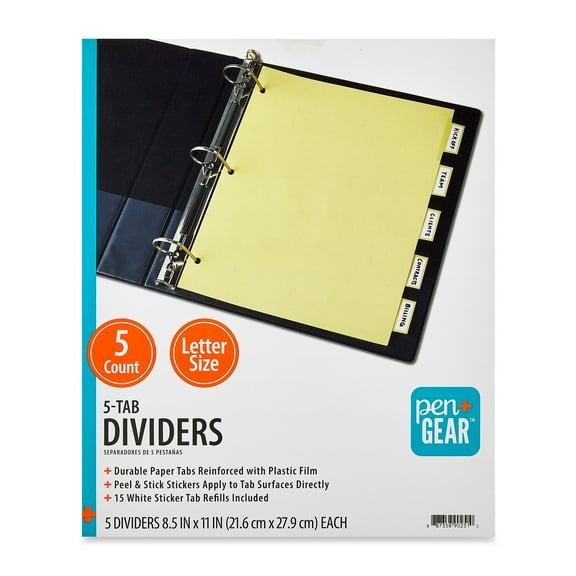
- You can keep paperwork organized with binders, dividers, and labels that support filing and handouts.
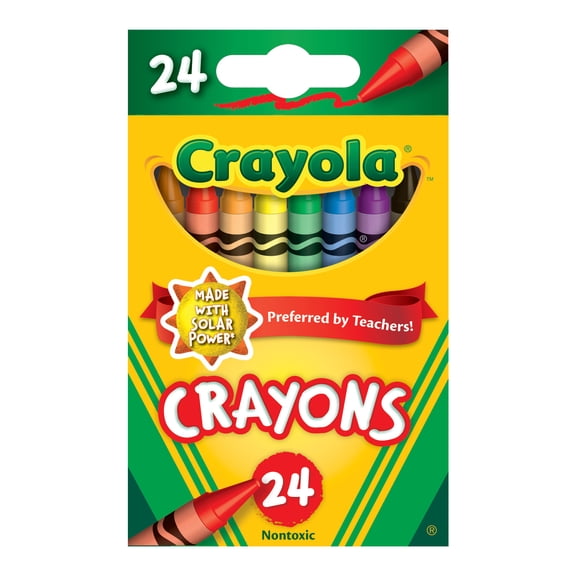
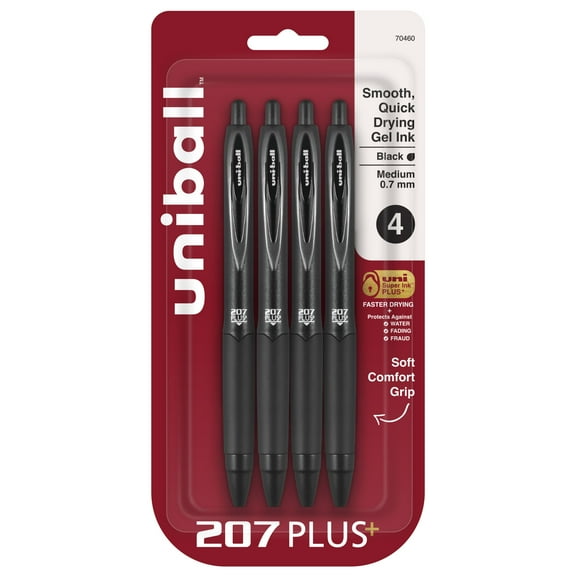
- You can write, mark, and revise clearly with pens, pencils, markers, and highlighters for different surfaces.
- You can plan projects and appointments with planners, calendars, and guided notebooks that add structure to your day.
- You can support desk flow with calculators, shredders, printers, and desk organizers that fit routine office tasks.
You’ll also notice that quantity matters when you restock shared spaces or small desks. You can choose single packs for occasional use or larger counts for classrooms, front desks, and supply closets.
Choosing product type and office equipment
You should compare paper by purpose, because copy paper, notebook paper, sticky notes, and cardstock each handle tasks differently. You can also check paper weight, since heavier sheets often feel sturdier for presentations, covers, and double-sided printing.
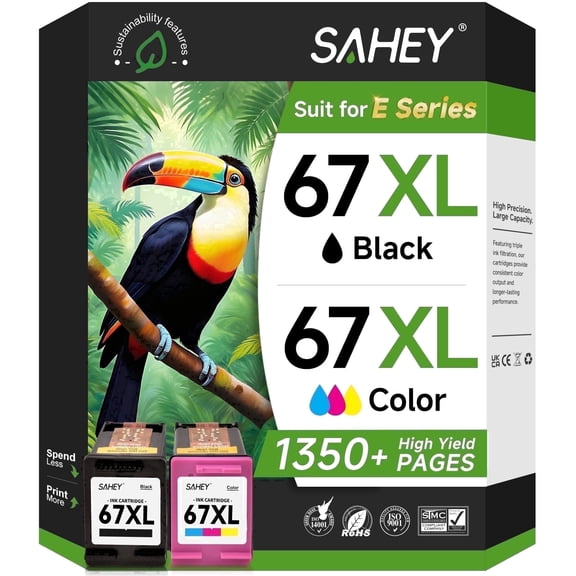
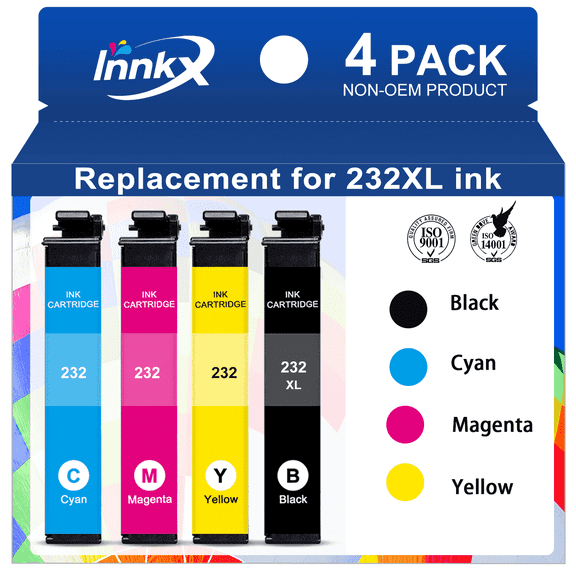
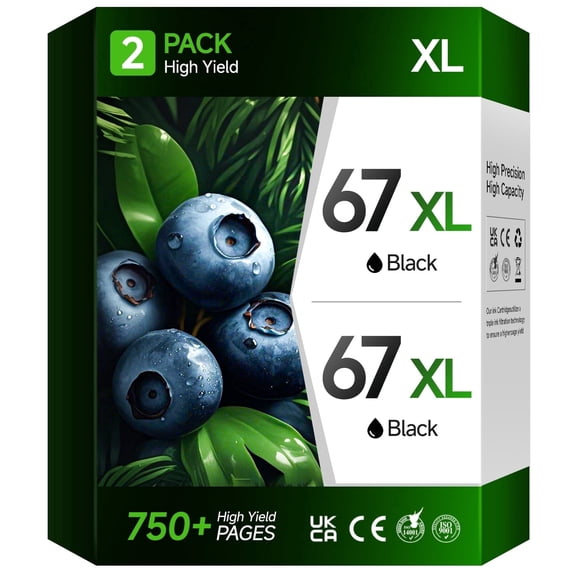
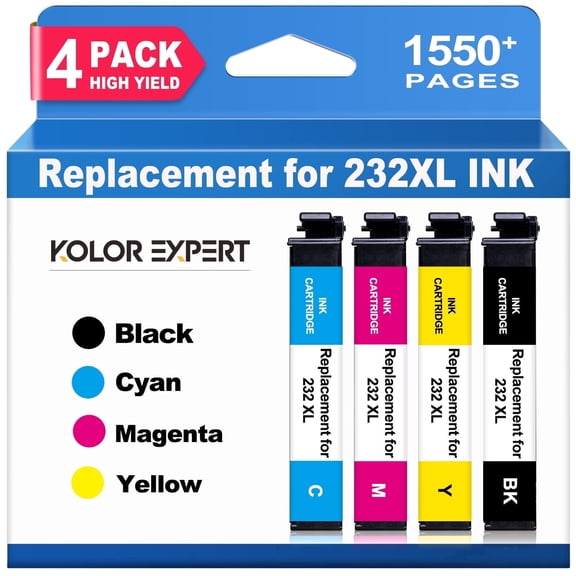
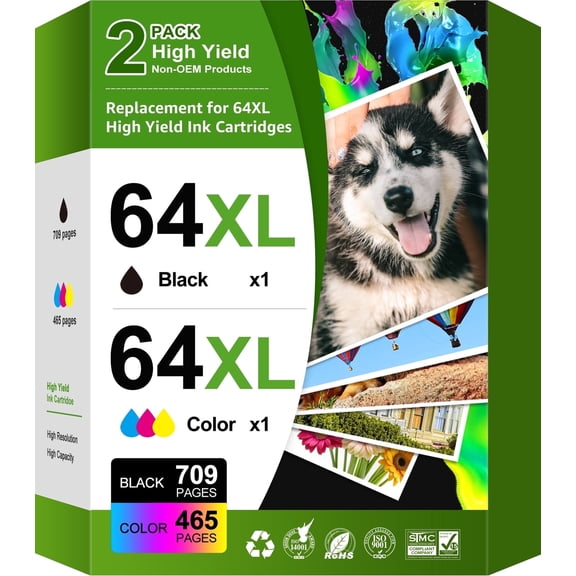
If you’re buying for printers, you should check compatibility details before you choose. You can match ink cartridge numbers to your machine, confirm paper size, and avoid guesswork when you refill office equipment.
You may also compare binder ring sizes when you need classroom materials, project files, or reference manuals. You can fit lighter stacks into smaller rings, while larger rings hold more pages for training packets or ongoing records.
For writing instruments, you should think about how your notes look and where you’ll use them. You can choose ballpoint pens for everyday writing, gel pens for smoother lines, pencils for edits, or markers for bold labels.
When you’re selecting desk tools, you should consider footprint and frequency of use. You can keep calculators, desk organizers, and shredders within reach when your workspace handles receipts, forms, or daily paperwork.
Matching use cases to your routine
You may need different office supplies for home office tasks than for school or business settings. You can keep a home desk efficient with compact organizers, printer paper, and a planner that helps you track deadlines.
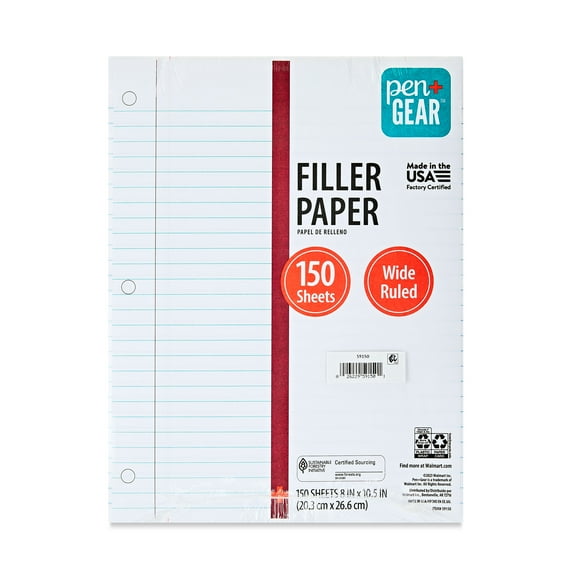
If you’re shopping for school, you’ll often need writing tools, binders, filler paper, and folders that move easily between classes. You can also add planners or bullet layouts when your assignments change from week to week.
For business use, you may focus on presentation-ready paper, filing systems, calculators, and office equipment that supports frequent printing. You can also choose bulk pack sizes when several people share the same supply area.
You may be shopping for personal wellness or reflective planning, and layout matters more in that case. You can compare a well being journal, a mental health planner, or guided notebooks based on prompts, spacing, and scheduling style.
With guided journaling, you’ll usually get more structure for routines, check-ins, and written reflection. If you prefer flexibility, you can choose blank pages, while bullet formats help you build your own system line by line.
Comparing journal styles and planner layouts
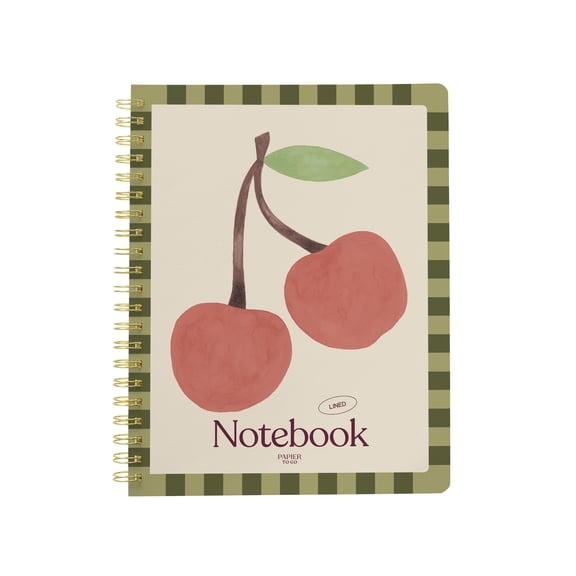
You should look at page structure first, because guided, blank, bullet, and planner formats support different habits. You can use guided notebooks when you want prompts, or choose blank pages when you prefer open writing space.
If you’re deciding between dated and undated formats, you should think about consistency. You can start an undated planner anytime, while a dated layout gives your schedule a fixed daily or weekly structure.
You may also compare journals for mental health and a mental fitness journal by how much direction you want. You can use prompts for a more structured routine, or choose open layouts for notes, lists, and sketches.
When you’re buying planners for work and personal tasks together, you should check page size and section design. You can keep monthly overviews, weekly blocks, and to-do areas in one place when your schedule shifts often.
Where can you buy office supplies with less guesswork
You can simplify your search when you compare office supplies by compatibility, quantity, and intended use before you choose. You’ll spend less time sorting through options when you know your printer model, preferred paper weight, and planner style.
At Walmart, you can find everyday office basics, specialized office equipment, and structured journals in one category. You’ll leave with supplies that fit your routine, your workspace, and the way you organize each day.