



Pool Covers in Pool Supplies
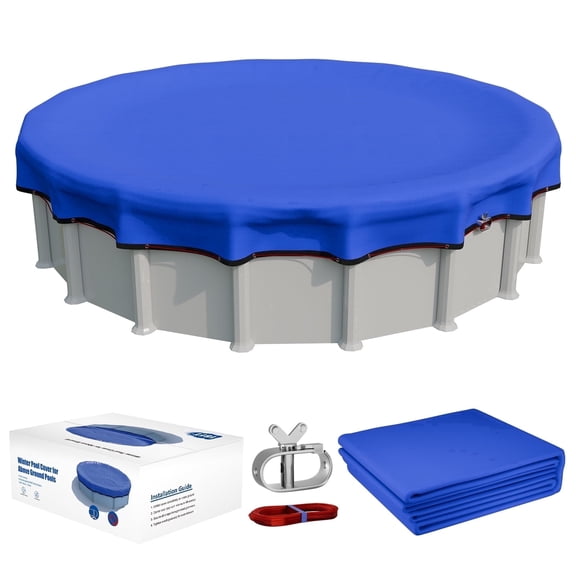
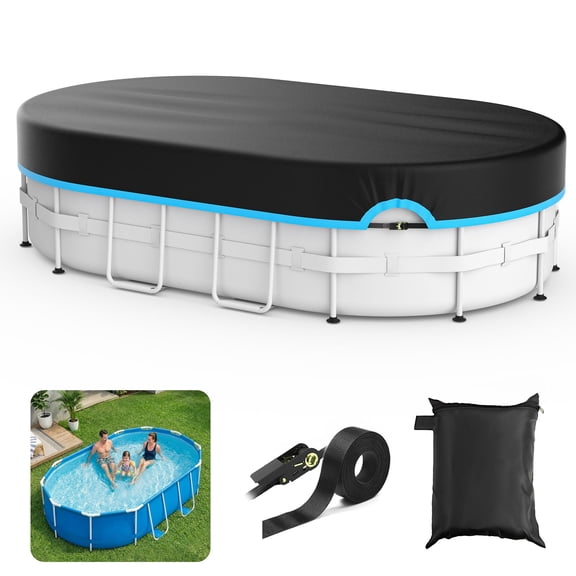

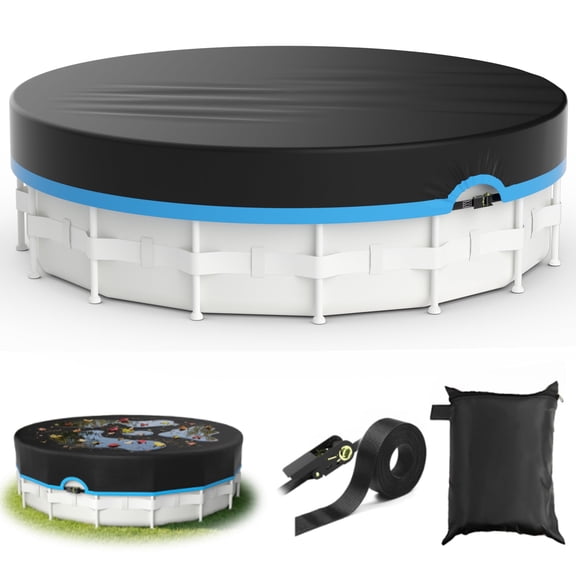






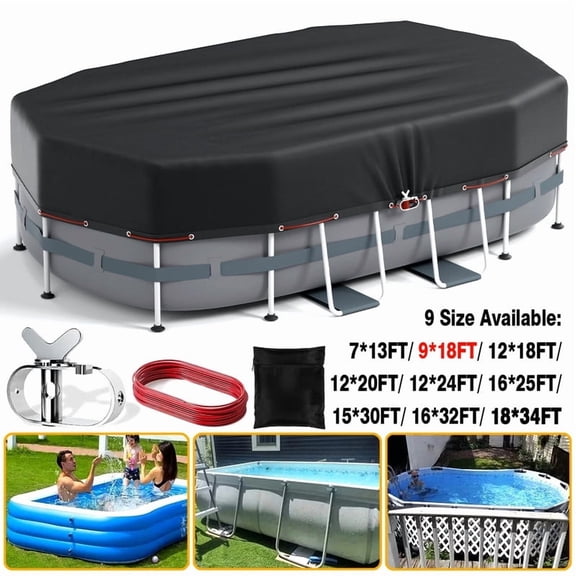


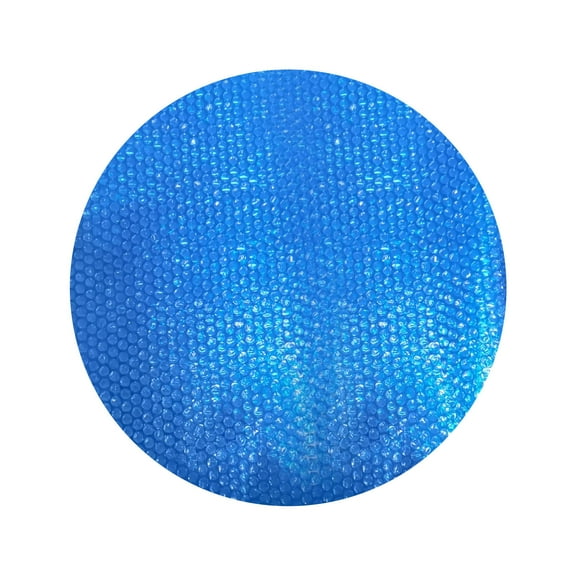
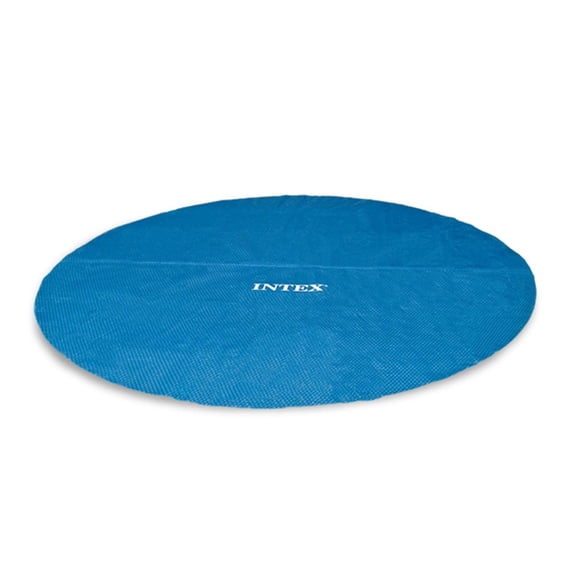
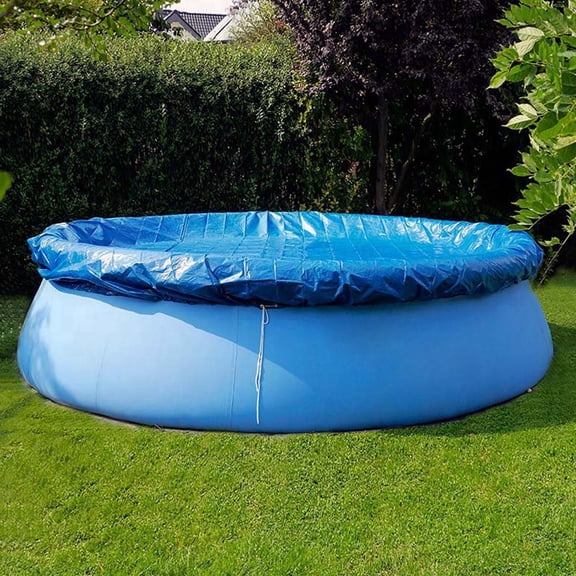

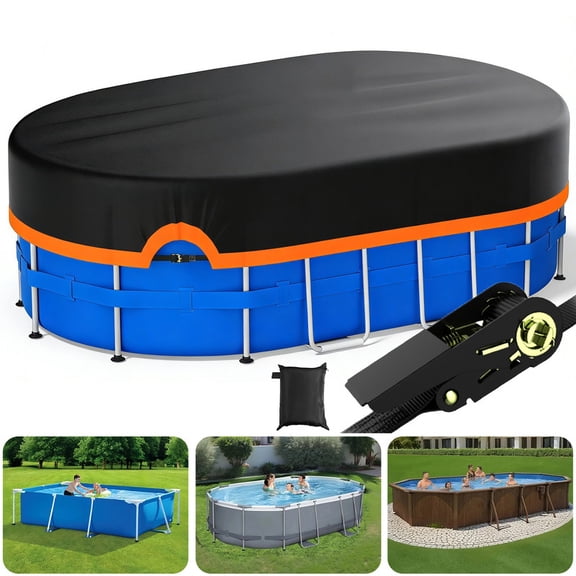


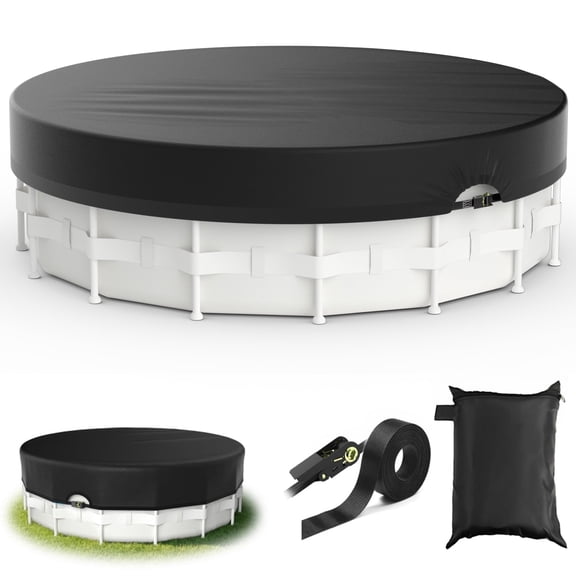
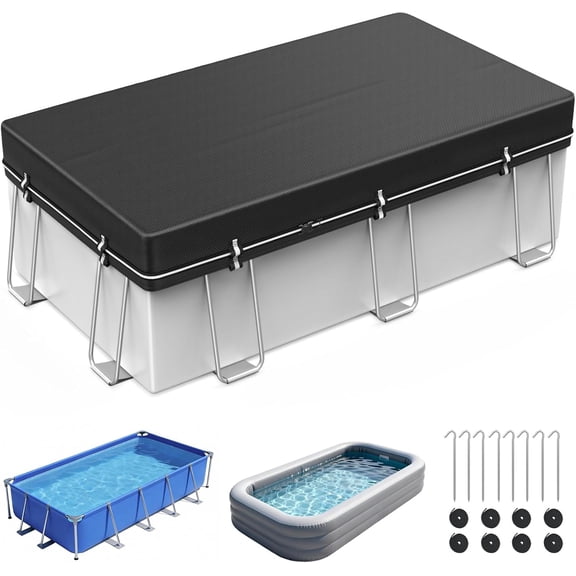
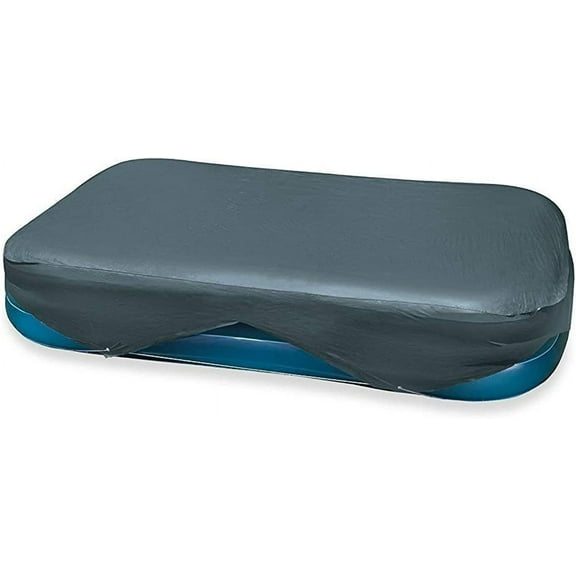

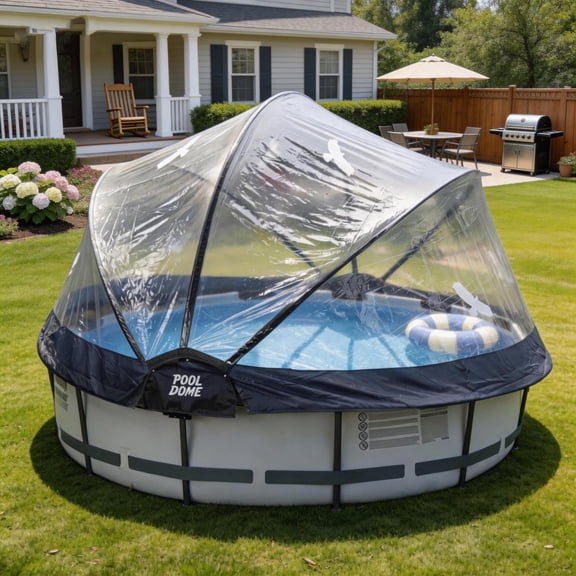
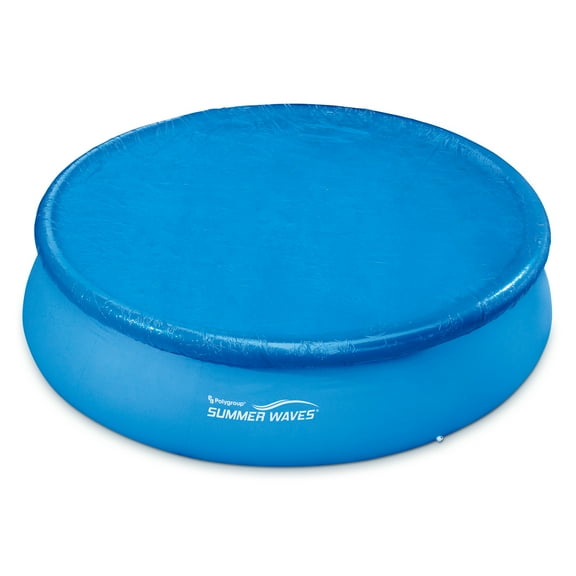
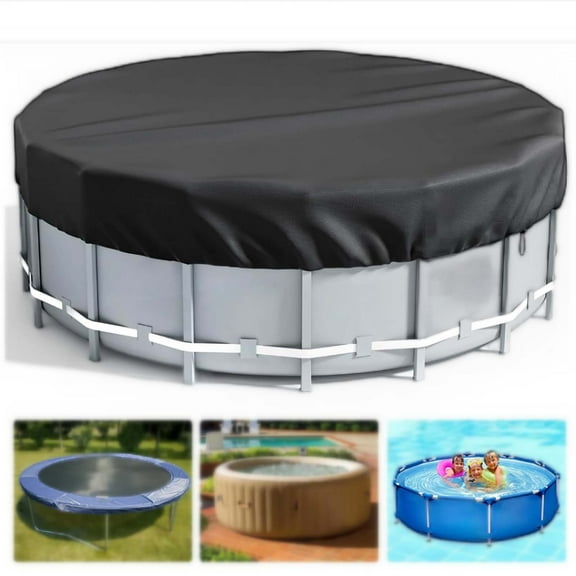
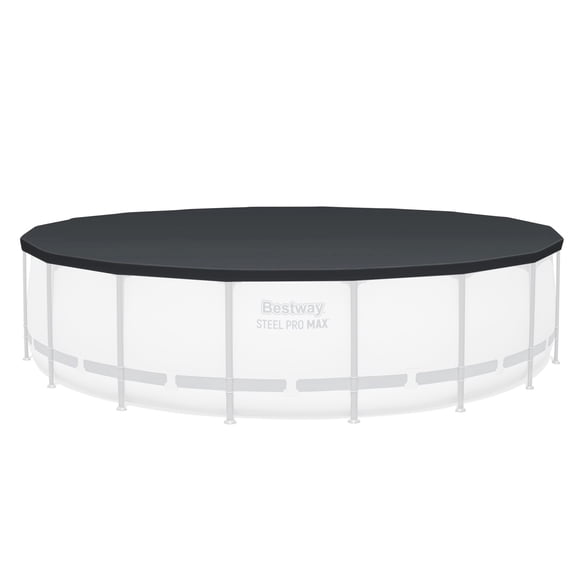
About Pool Covers in Pool Supplies - Walmart.com
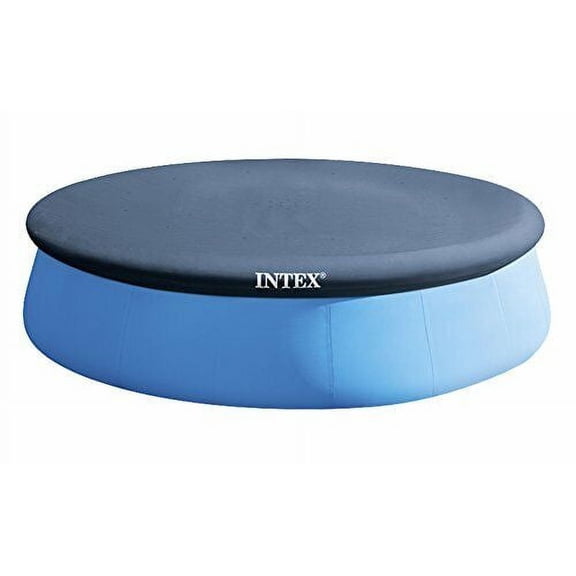
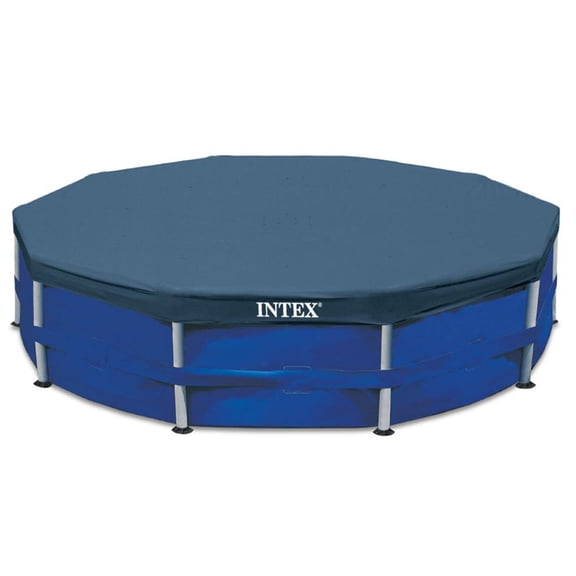
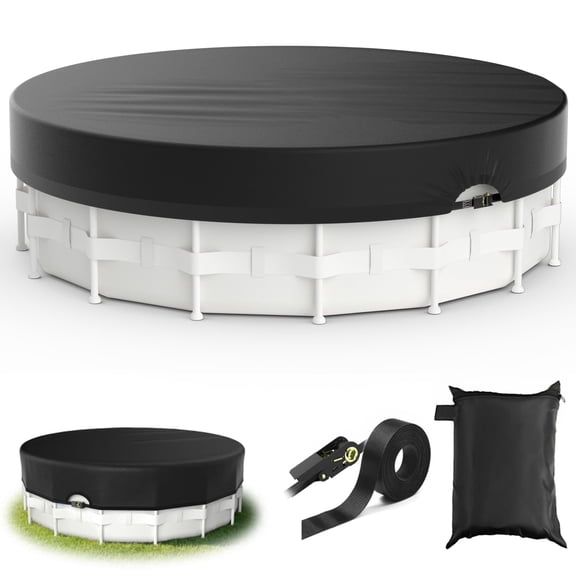
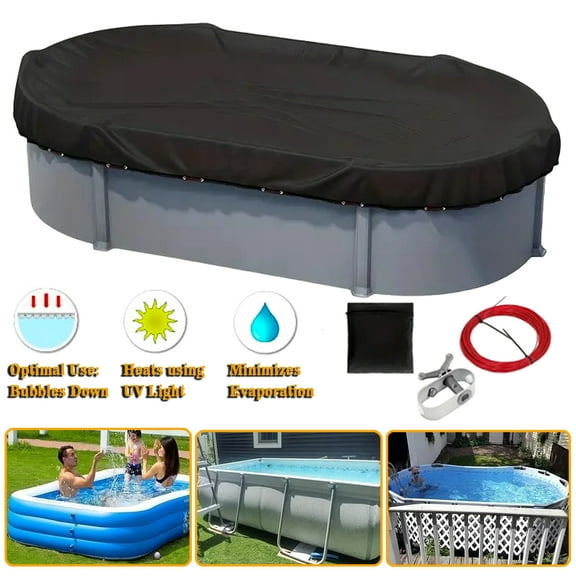
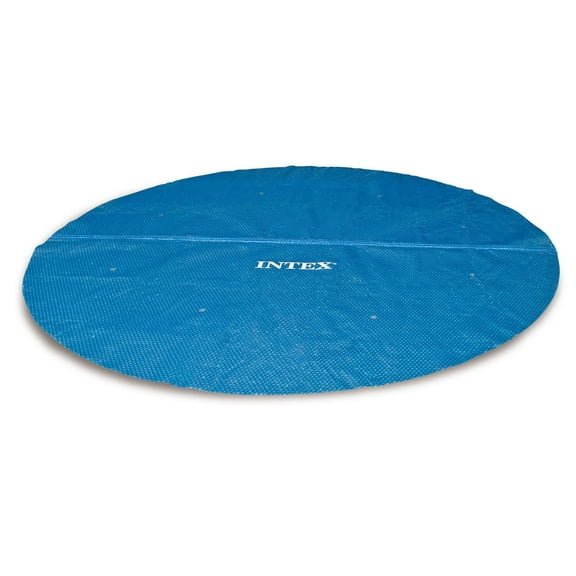
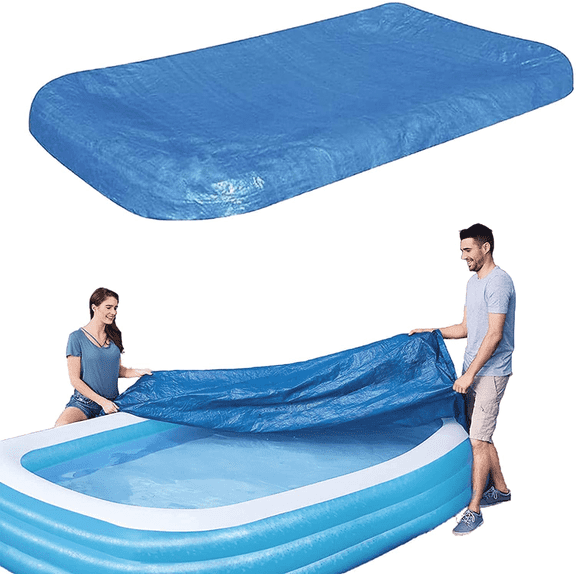
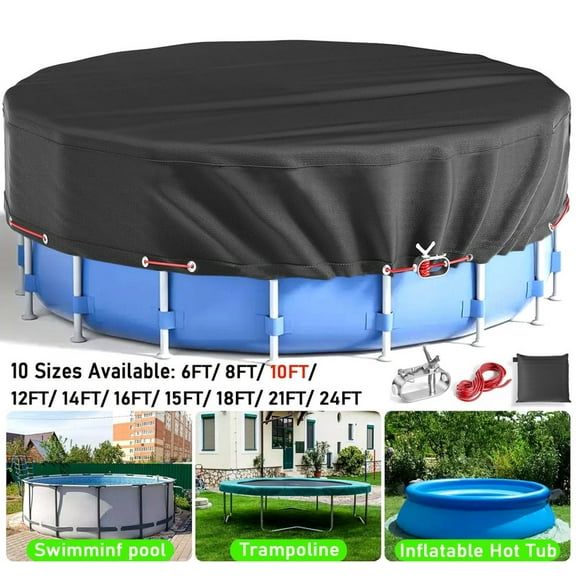
Pool covers help you keep your water cleaner and match your pool setup with the right fit. You can compare pool covers by pool type, cover function, shape, and material before you choose.
If you maintain a backyard pool, you may notice the right cover can simplify daily care and seasonal prep. You can also narrow your options quickly when you focus on exact fit, attachment style, and intended use.
How to choose pool covers by pool type
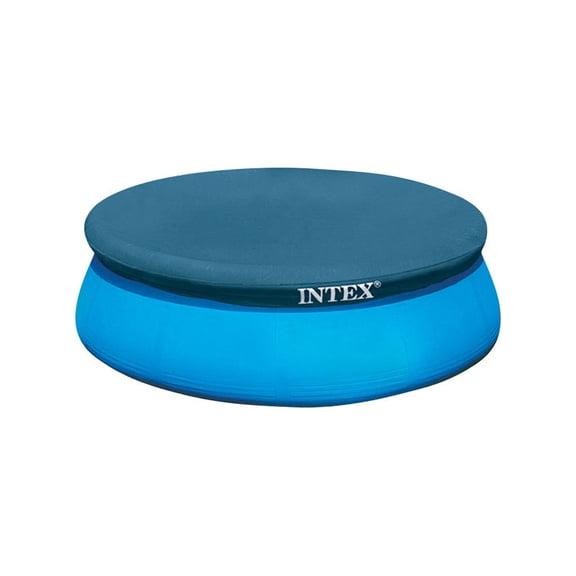
Start with your pool type, because above ground pool covers and inground pool covers attach in different ways. You should check whether your pool needs a cable and winch, deck anchors, or another fastening system.
For above ground setups, you can compare overlap measurements that extend past the wall edge. For inground pools, you can measure the inside opening and confirm the anchor layout.
You should also consider how often you remove the cover during the season. If you want frequent on and off use, you may prefer designs that simplify positioning and securing.
Choosing cover functionality for your season
Your intended use shapes the kind of coverage you need through summer, fall, or winter. You can compare solar pool covers, winter pool covers, safety pool covers, and leaf pool covers by what they help you manage.
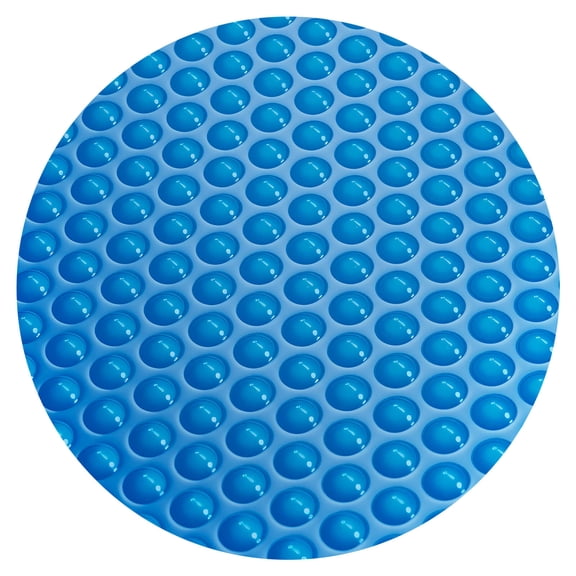
- You can use solar styles when you want a lighter cover that supports heat retention and helps limit evaporation.
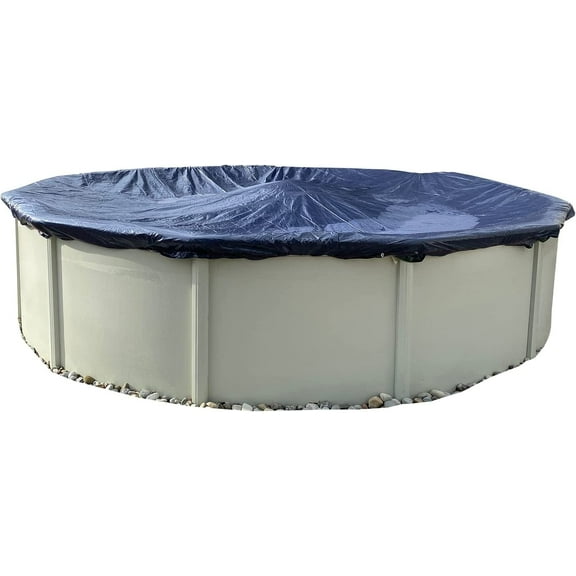
- You can choose winter styles when you want broader seasonal coverage during colder months and less debris in the water.
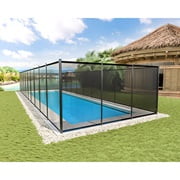
- You can consider safety styles when your pool setup requires a more secure anchored design across the pool opening.
- You can add leaf pool covers or leaf nets when falling leaves are your main cleanup challenge.
When you compare these categories, you should think about removal frequency, storage space, and your cleanup routine. You can make a clearer choice when your cover type matches your pool calendar.
What to look for in solar pool covers and winter options
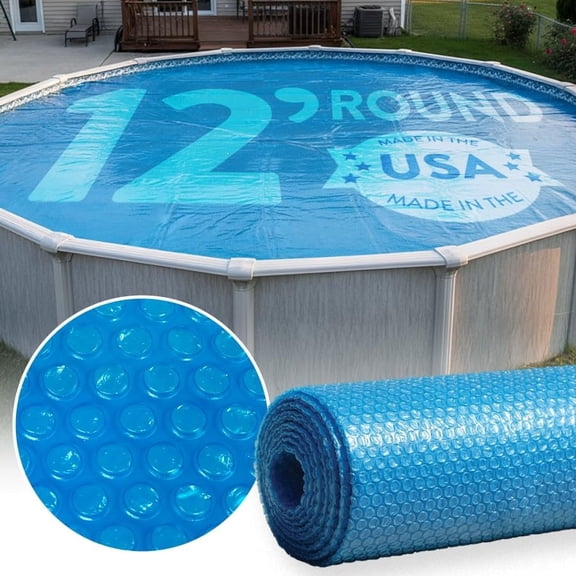
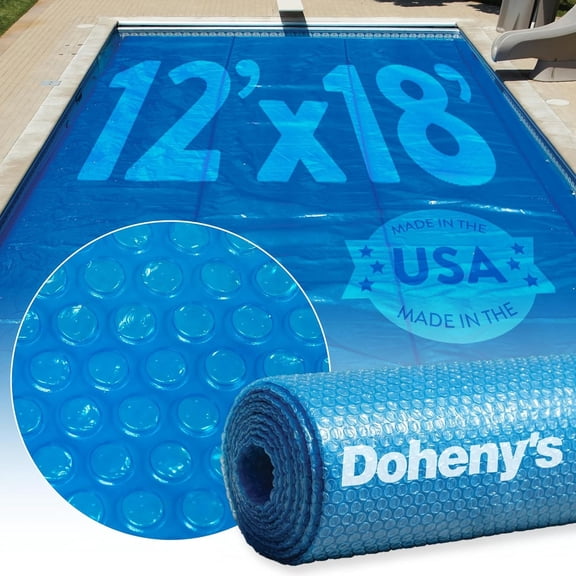
Solar pool covers usually focus on floating coverage that sits on the water surface. You can trim some styles for a closer fit, and you can pair them with reels for convenient handling.
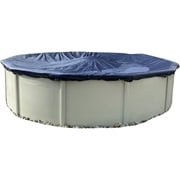
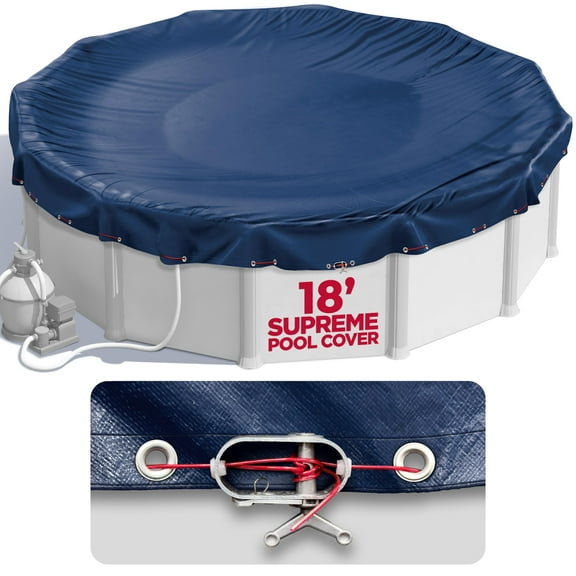
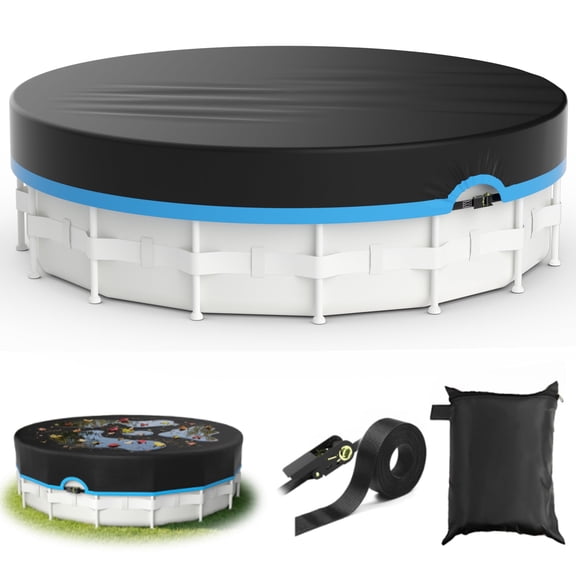
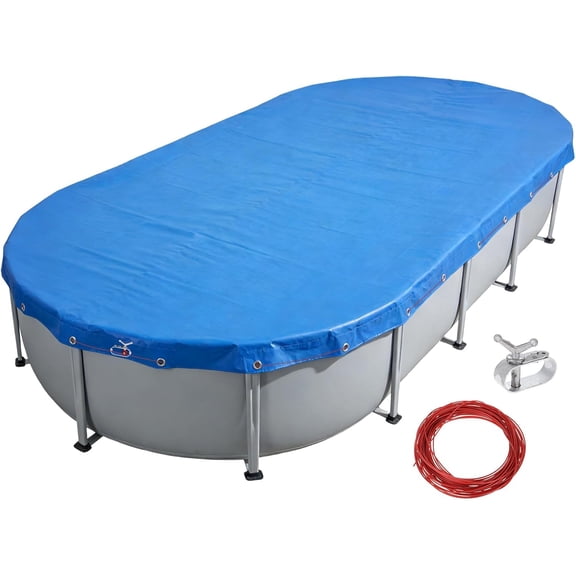
Winter covers usually extend beyond the pool edge and fasten around the perimeter. You should look for enough overlap, because coverage that’s too tight can complicate installation.
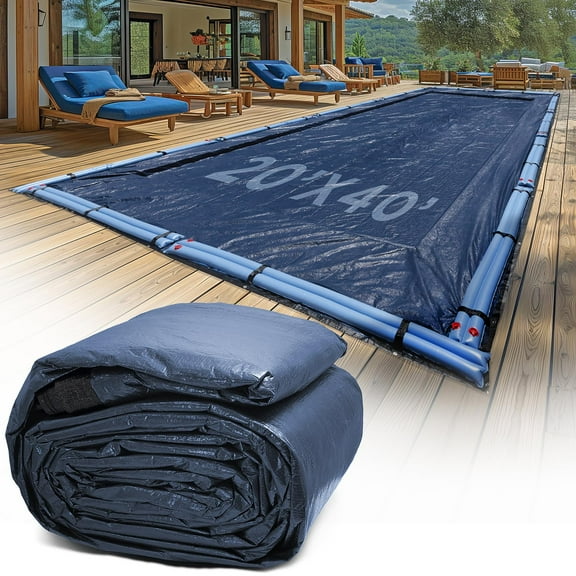
Safety pool covers often use mesh or solid panels with anchor points around the deck. You’ll want to check whether the package includes hardware and whether your surface supports that installation method.
Choosing the right size and shape
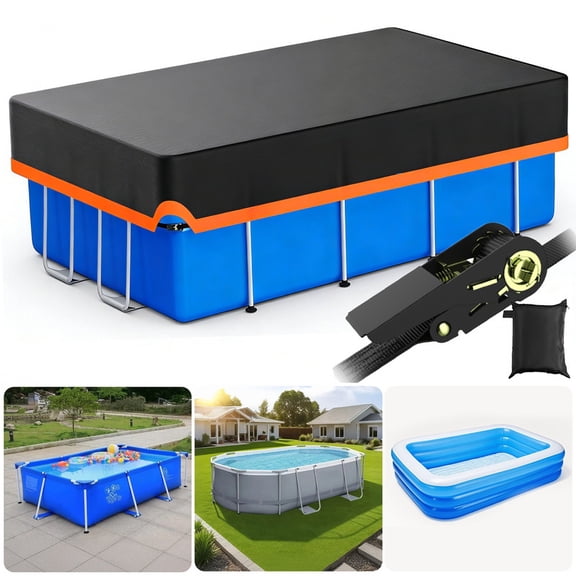
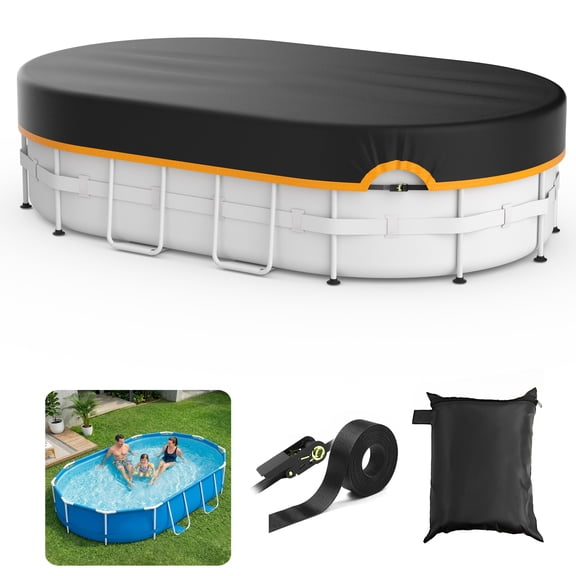
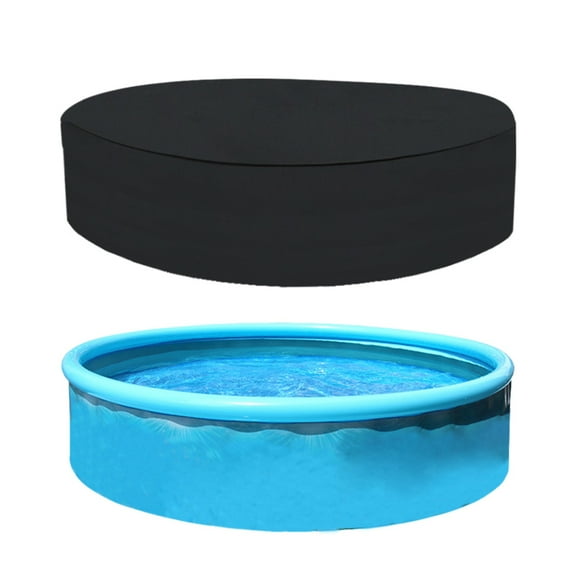
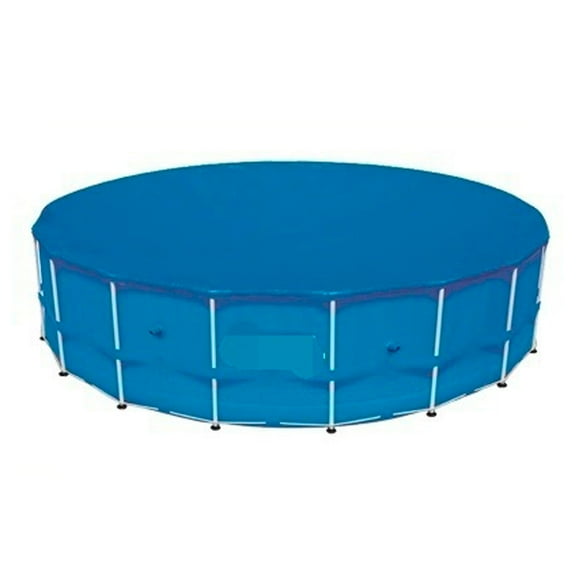
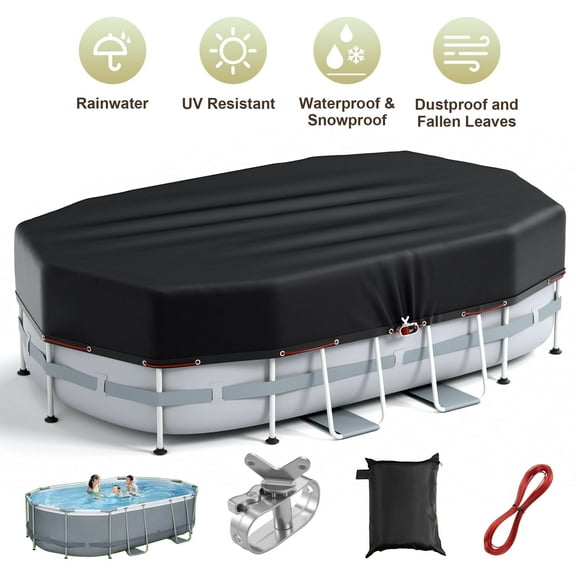
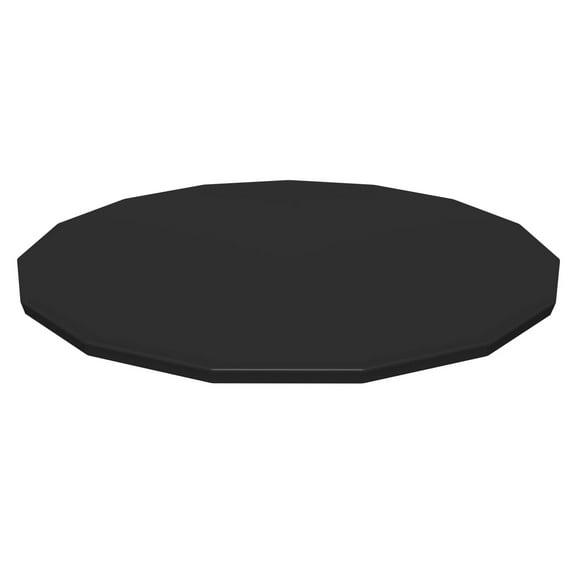
Exact measurements matter because round pool covers, oval options, and rectangular pool covers fit differently. You should measure your pool carefully in feet, then compare that number with the listed cover size.
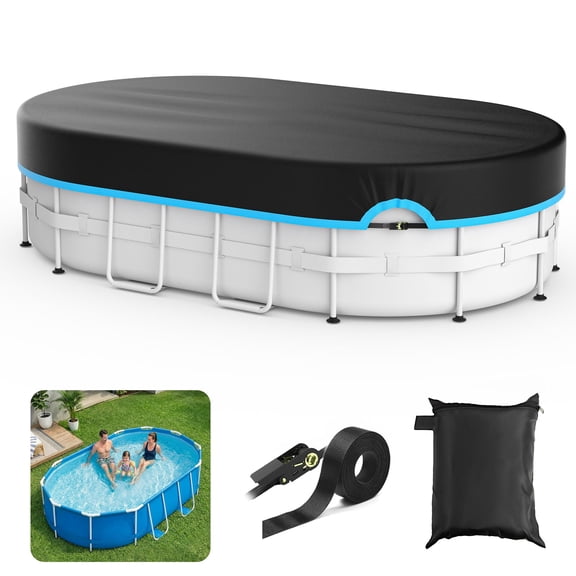
For round pools, you can measure the diameter straight across the center. For oval and rectangular pools, you can measure both length and width and check any stated overlap.
You should also confirm whether steps, rails, or unusual edges affect the cover area. If your pool has a unique layout, you may need extra material or a cover designed for that shape.
Comparing materials and construction details
Material changes how your cover feels, folds, and performs across the season. You can compare polyethylene, mesh, and heavy duty vinyl based on weight, drainage, and handling.
Polyethylene styles often work when you want a common seasonal cover material with straightforward setup. Mesh options can allow water to pass through, which may change how you manage standing water on top.
Heavy duty vinyl designs can feel thicker and more structured during placement. You should compare grommets, seams, edge reinforcement, and tie-down components before you decide.
Checking installation and accessories
Installation details can affect how often you use your cover and how long setup takes. You should check for anchors, winches, cables, pillows, water tubes, or reels before you choose.
If you’re covering an above ground pool, you may need a cable and winch to secure the edge. If you’re covering an inground pool, you may need deck hardware that matches your surface.
You can also consider storage when the cover is off the pool. A reel can help with some solar pool blanket styles, while folded winter covers may need a dry storage spot.
Using pool covers for real backyard needs
If you open your pool often in warm weather, you may prefer a lighter cover that you can remove without much effort. In that case, you might focus on solar pool blanket styles and reel compatibility.
If your yard collects heavy leaf fall, you may want a leaf net layered over a seasonal cover. You can spend less time pulling leaves from the water when cleanup matches your yard conditions.
If you close your pool for colder months, you’ll likely compare winter pool covers by overlap, material, and tie-down method. You can prepare more confidently when your cover matches your pool type and dimensions.
When you choose pool covers with the right shape, function, and hardware, your setup feels simple to manage season after season. You can find a cover that fits your pool routine, not just your pool size.
Popular in Pool Covers in Pool Supplies - Walmart.com
- Pool Debris Covers
- Best Pool Cover Prevent Evaporation
- Winter Pool Cover Weights
- The Swim Foot Round Leaf Net Cover Above Ground Pools
- Ground Pool Covers
- Pool Dome Cover
- Pool Cover 16x32
- Winter Pool Cover Step
- Pool Ground Cover
- Mesh Pool Cover Above Ground
- Above Ground Pool Cover Clips
- Winter Pool Covers Inground Pools