

Antifreeze & Coolants
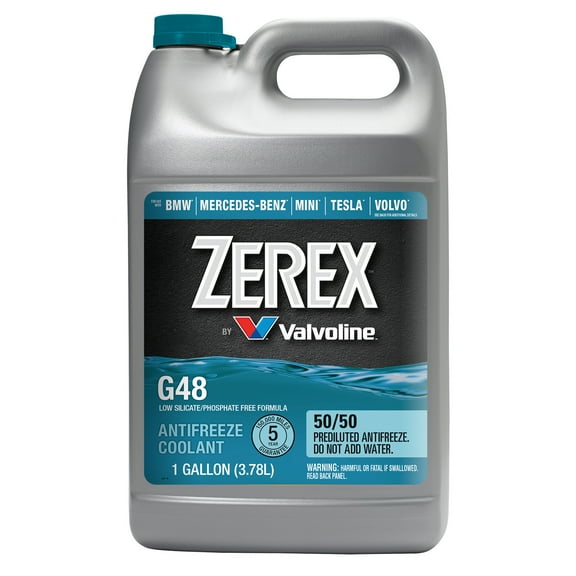

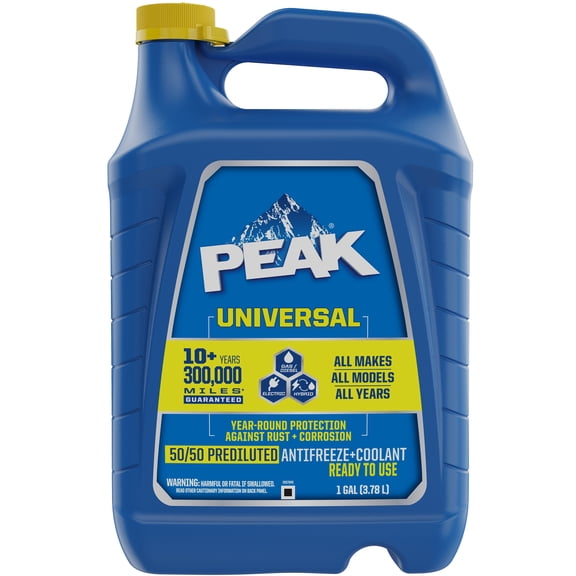


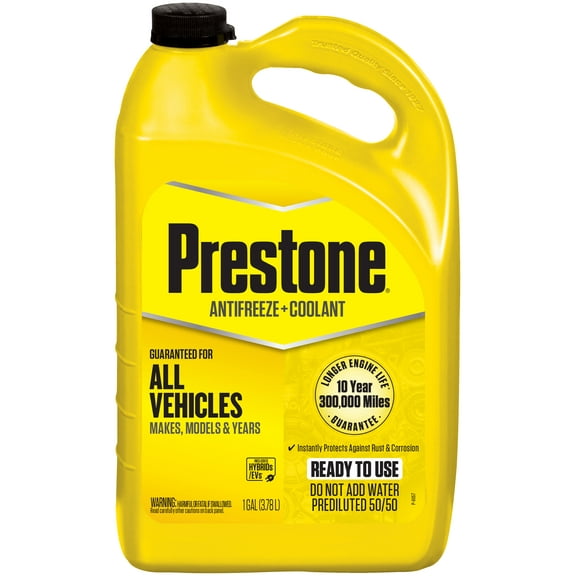
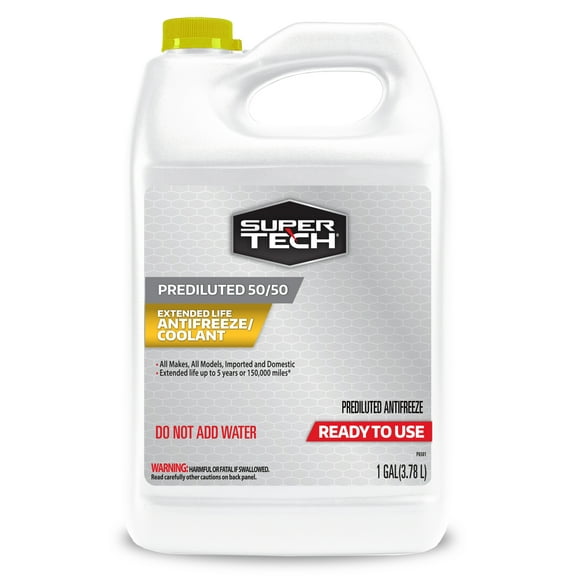











About Antifreeze & Coolants - Walmart.com
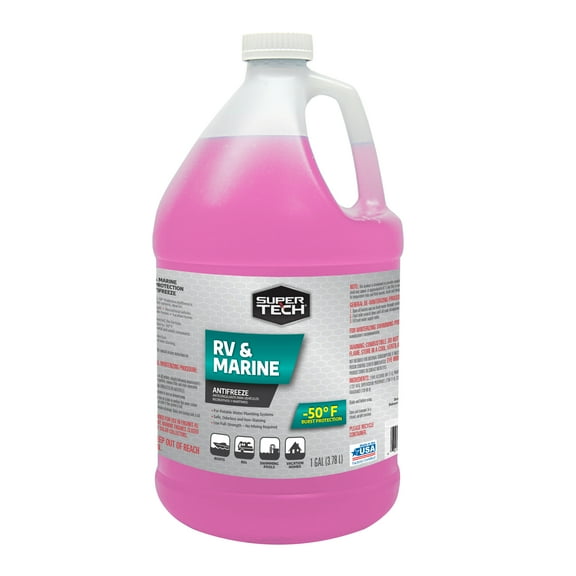
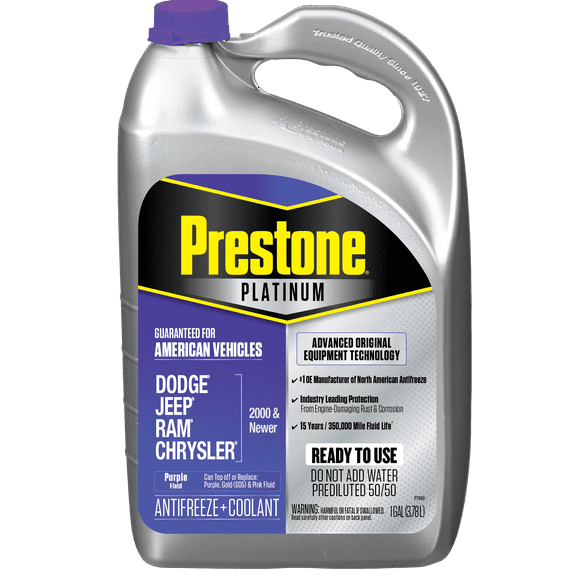
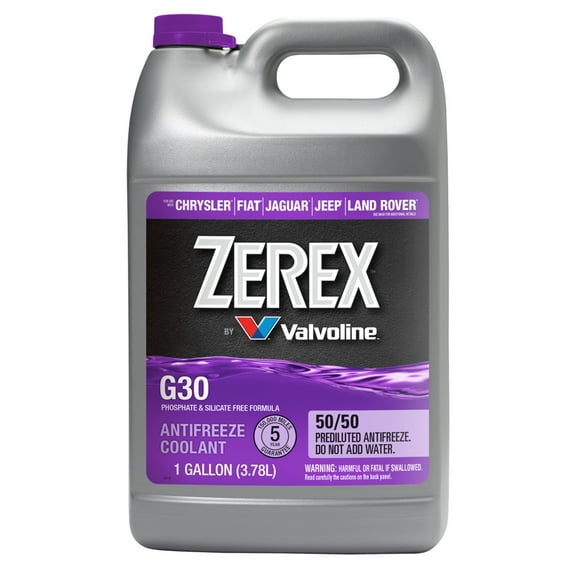
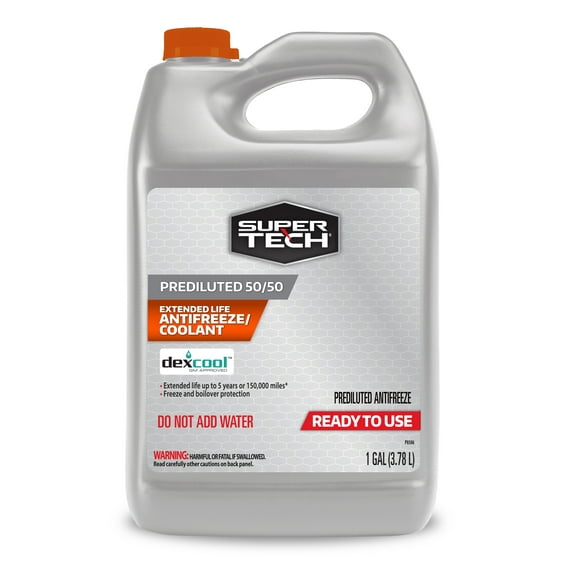
Coolant for car maintenance helps protect temperature control, supports steady performance, and matches specific vehicle requirements across changing seasons and driving conditions. This category includes engine coolant, antifreeze coolant, and coolant fluid options for different chemistries, colors, and service intervals. You can compare formulas made for older systems, newer aluminum components, and manufacturer-specific compatibility needs before refilling or topping off.
Why coolant for car upkeep matters
Your vehicle depends on the right fluid mixture to circulate through the radiator, water pump, and engine passages. The correct formula supports clean flow and helps maintain consistent operating temperatures during daily commutes and long highway drives.
Not every bottle fits every system. OAT, HOAT, and IAT formulas use different additive packages, so matching your owner information matters when selecting car coolant. Color can help with identification, but the formula and vehicle compatibility matter first.
- Helps support consistent temperature control in stop-and-go traffic and highway driving.
- Works with specific cooling system materials, including aluminum radiators and mixed-metal components.
- Offers concentrated and pre-mixed options for routine top-offs or complete service.
- Supports maintenance planning with formulas designed for different replacement intervals.
Choosing engine coolant by type
Engine coolant comes in several chemistry types, and each serves different vehicle designs. IAT coolant is commonly associated with many older vehicles and traditional cooling system designs. OAT coolant is often used in newer vehicles with longer service intervals. HOAT formulas combine characteristics used by select domestic and imported models.
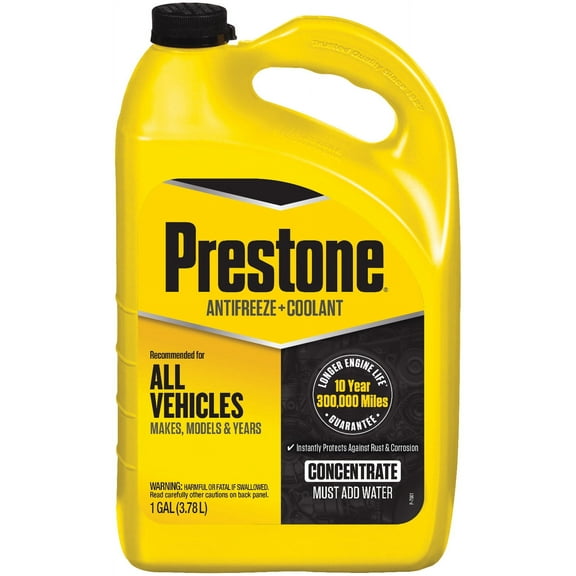
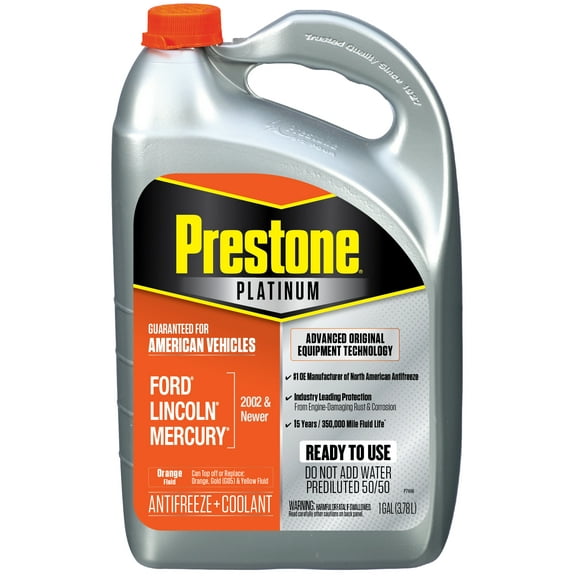
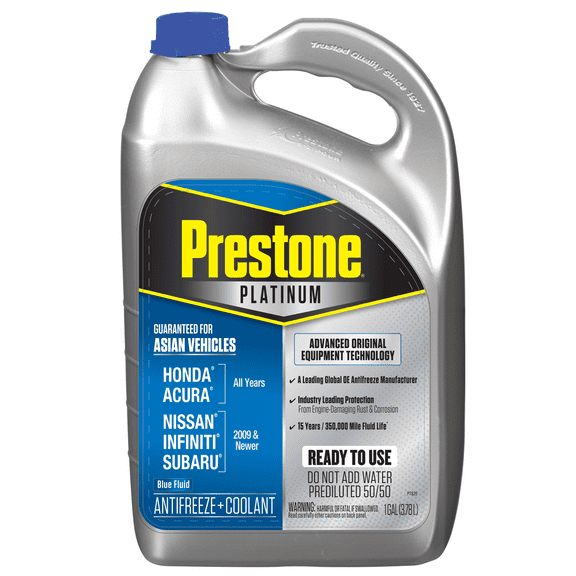
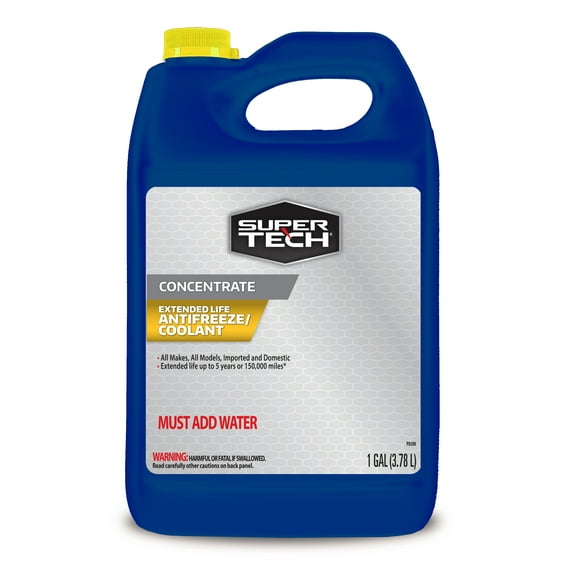
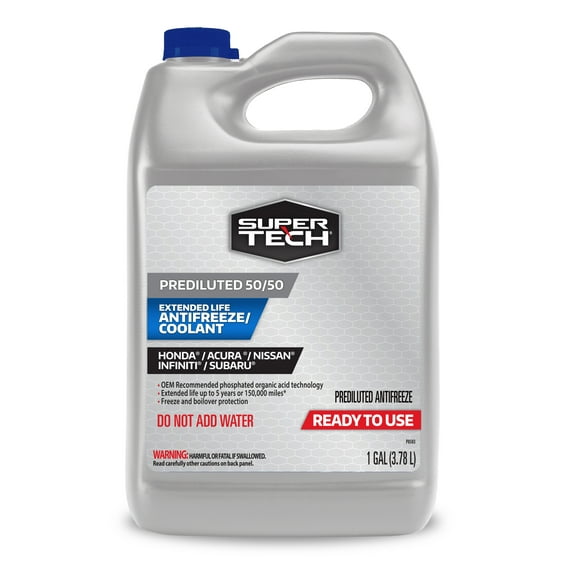
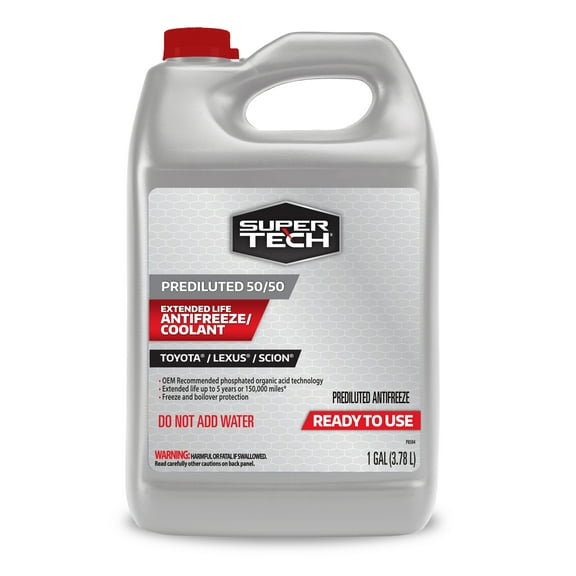
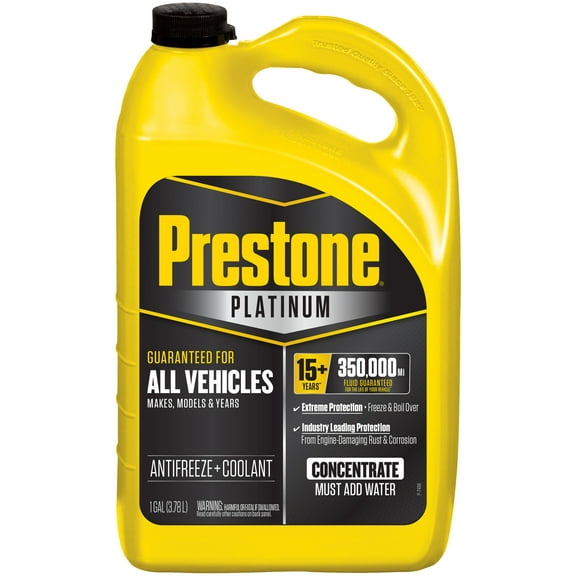
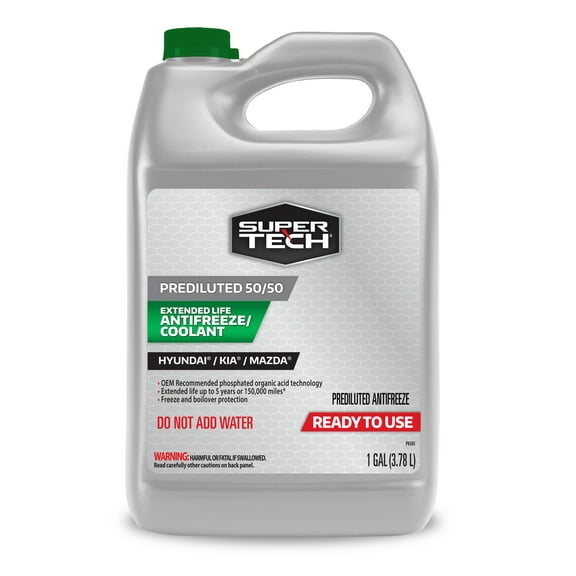
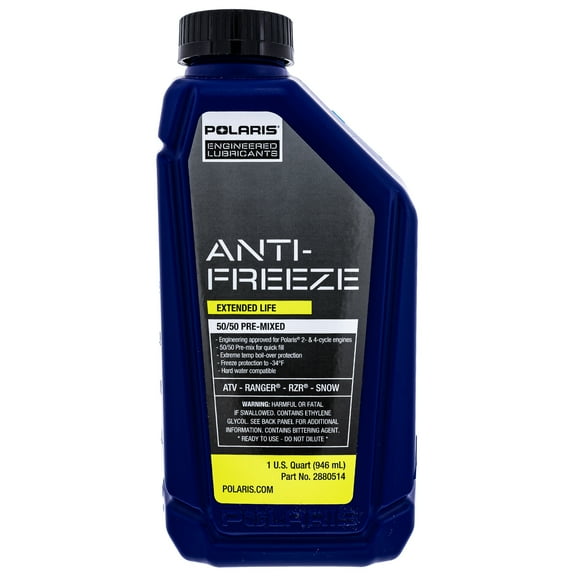
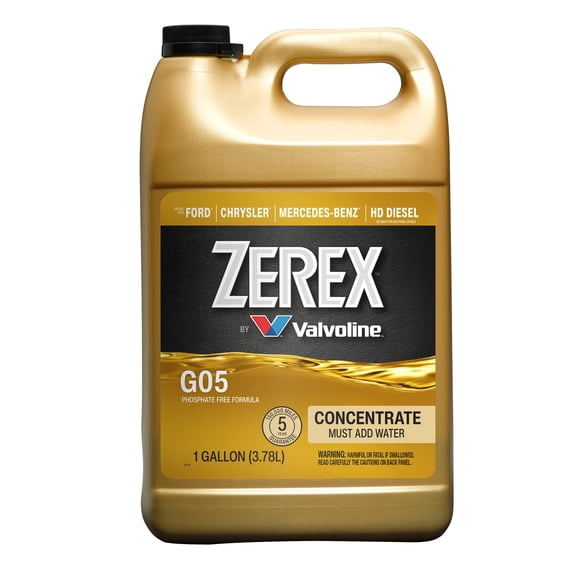
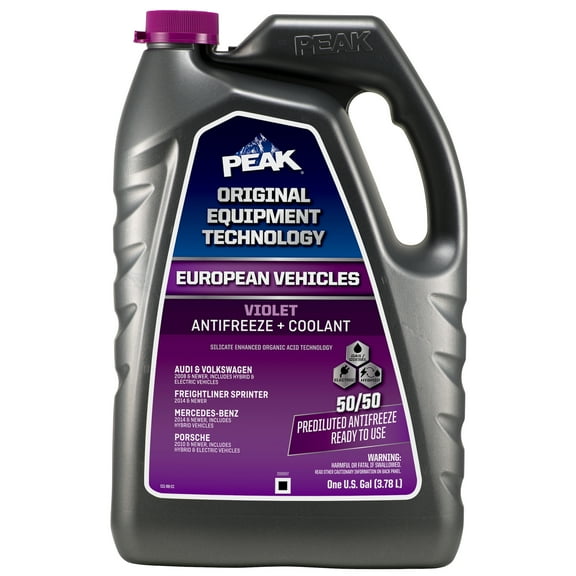
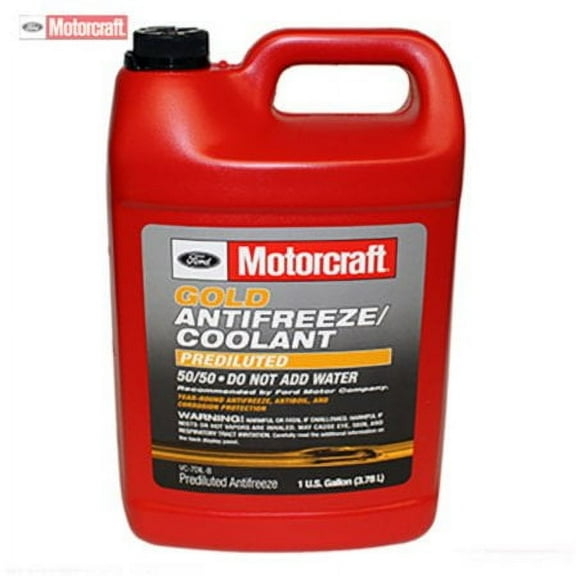
Coolant fluid also comes as concentrate or ready-to-use mixtures. Concentrate gives you flexibility during full system service. Prediluted options simplify topping off because the water ratio is already balanced for immediate use.
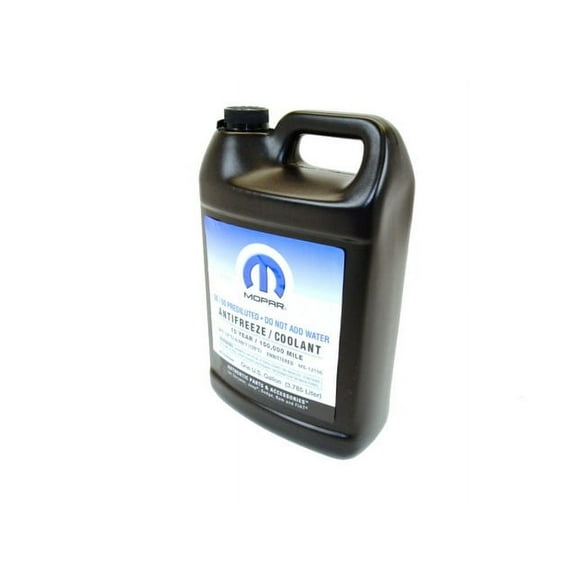
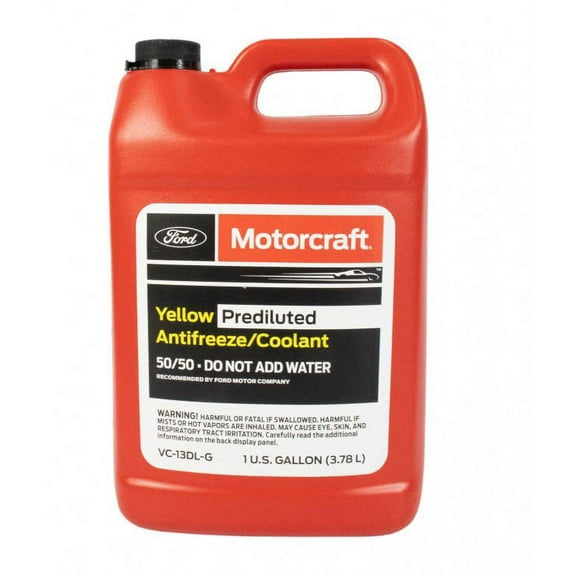
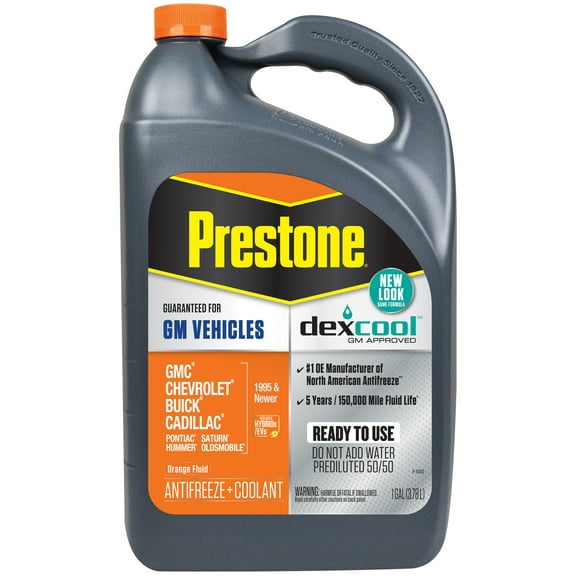
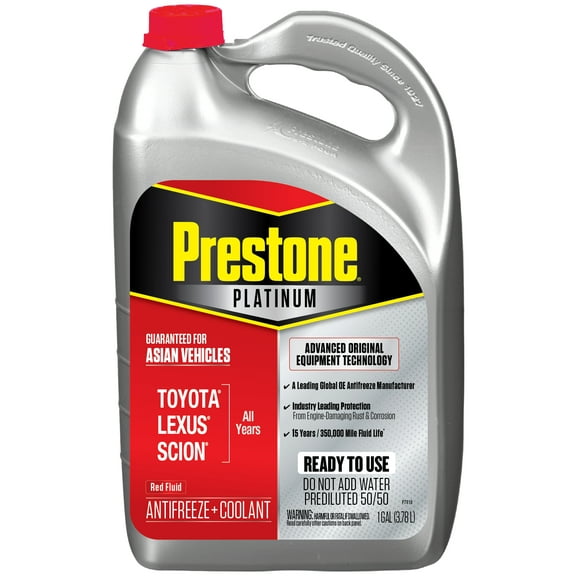
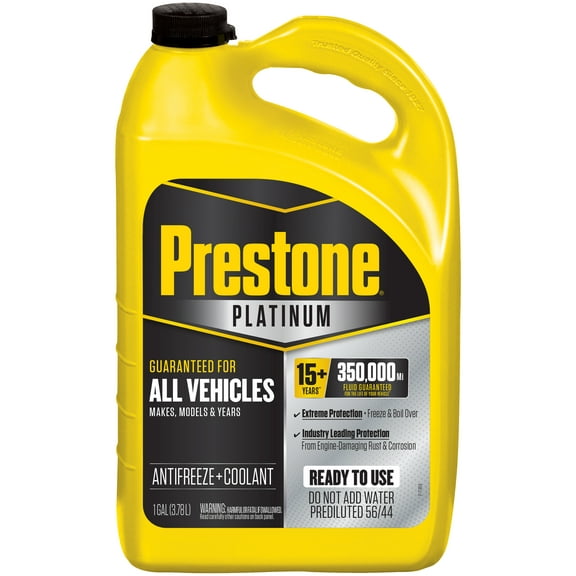
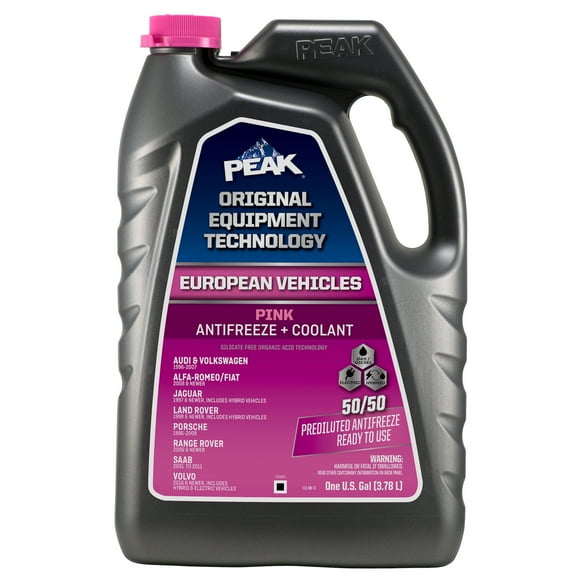
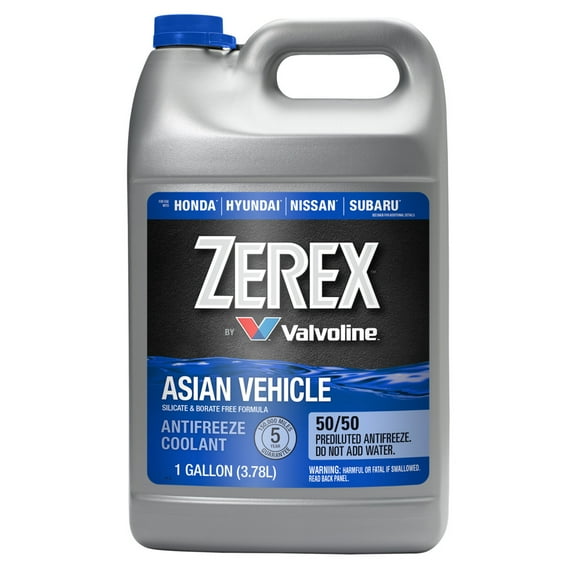
Vehicle compatibility should guide every selection. Many shoppers check year, make, model, and manufacturer specification before choosing antifreeze coolant. That step is especially useful when comparing universal formulas with brand-specific products. It also helps when narrowing options for Ford, GM, Chrysler, Asian, or European vehicles.
Experienced buyers also compare bottle size, freeze protection range, and application notes on the label. Those details matter when you're maintaining a commuter sedan, towing pickup, performance vehicle, or family SUV.
Use cases for antifreeze coolant
Antifreeze coolant supports several common maintenance situations. You might need a small bottle for a low reservoir, a larger container for a drain-and-fill service, or concentrate for a more complete cooling system refresh.
Seasonal driving creates different demands on the cooling system. Summer traffic, winter starts, mountain driving, and towing can all increase attention to coolant condition and fluid level. Compatibility with your vehicle's cooling components matters throughout each season.
This category also helps when you're pairing fluid service with related parts and tools. Shoppers often look for radiator accessories, thermostats, water pumps, and radiator flush supplies during the same maintenance cycle. That makes it easier to plan a more complete cooling system update in one stop.
If you're comparing options for a work truck, compact car, or crossover, label details can narrow the choice quickly. Look for manufacturer approvals, chemistry type, and mix instructions that align with your vehicle's cooling system design.
What to look for in car coolant
Clear product information makes selection easier. Start with the recommended coolant specification. Then compare chemistry type, container size, and whether the formula is concentrate or premixed.
For many shoppers, coolant for car service is really about fit, maintenance timing, and formula type. When those details line up, you're set up for a smoother refill process and dependable cooling system performance.