


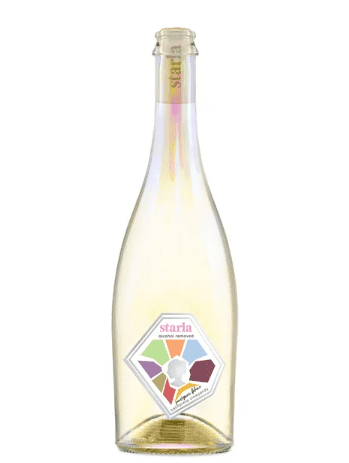


White Wine - Chardonnay, Riesling & More | Walmart
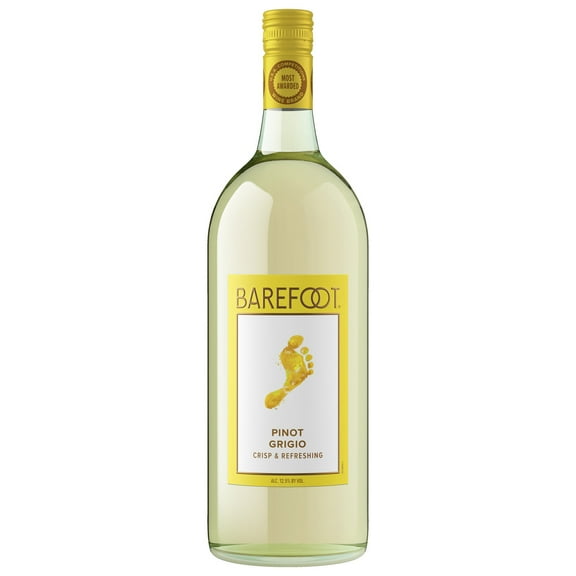


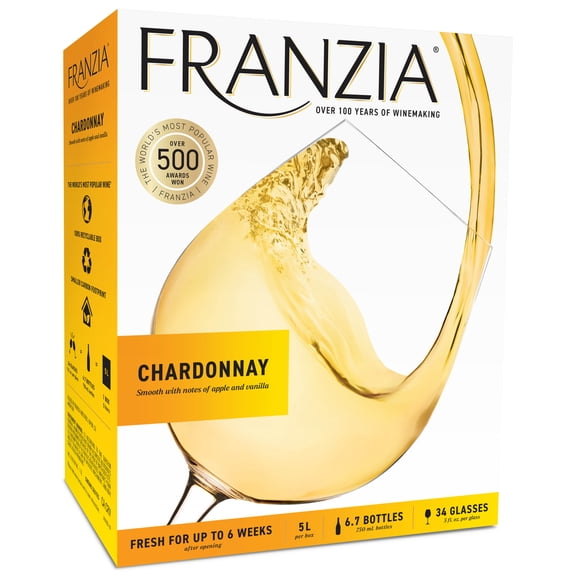


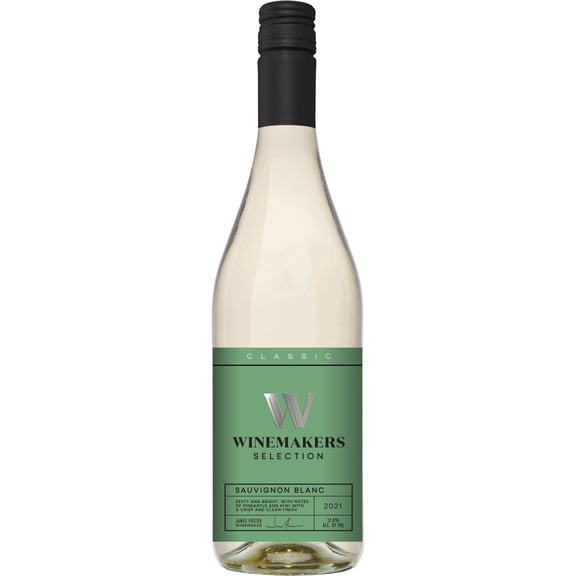
















About White Wine - Chardonnay, Riesling & More | Walmart - Walmart.com
White wine helps you match flavor, sweetness, and serving style to your table with less guesswork. You can compare crisp bottles, fuller pours, and easy entertaining formats in one place.
How to choose white wine by taste
You’ll usually start white wine by deciding how sweet or dry you want each sip to taste. You can expect dry white wine to feel crisper, while sweet white wine tastes softer and fruitier.
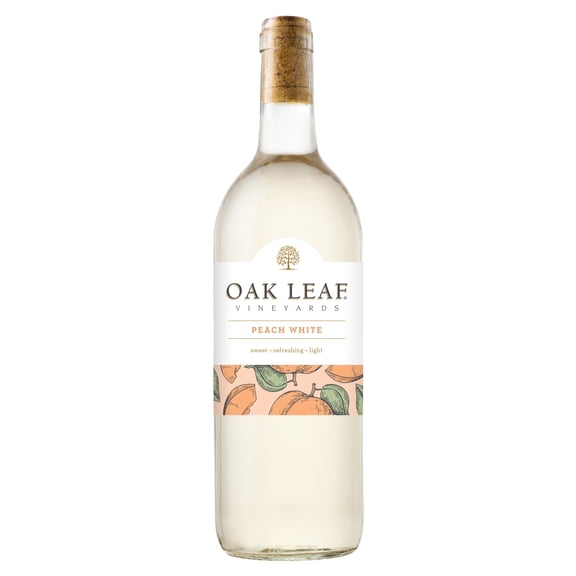
If you prefer tart, refreshing notes, you can look for dry styles with bright acidity. If you want peach, honey, or floral hints, you may prefer off-dry, semi-sweet, or sweet picks.
You can use sweetness as a shortcut when you’re planning dinner, gifts, or casual get-togethers. Your choice often shapes whether a bottle feels zesty with seafood or mellow with dessert.
- You can choose dry styles for crisp, clean finishes and lighter foods.
- You can choose off-dry or semi-sweet styles when you want fruit-forward balance.
- You can choose sweet styles for dessert pairings or easy sipping.
- You can compare light, medium, and rich body levels to match your menu.
Choosing between white wine varietals
You can narrow white wine options faster when you compare varietals by flavor profile. Your choice of grape often tells you whether a bottle leans crisp, creamy, citrusy, or floral.
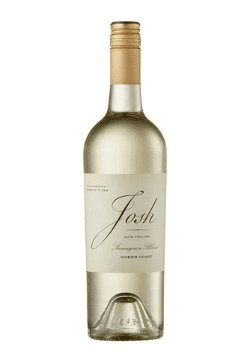
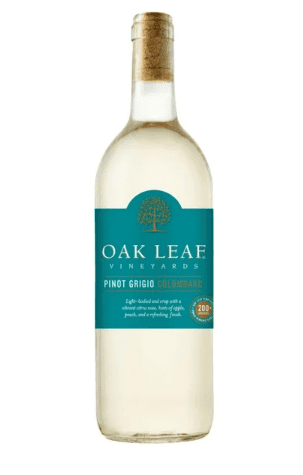
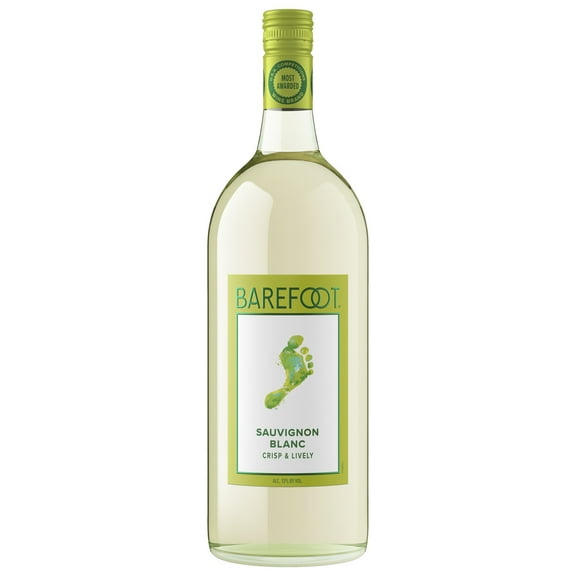
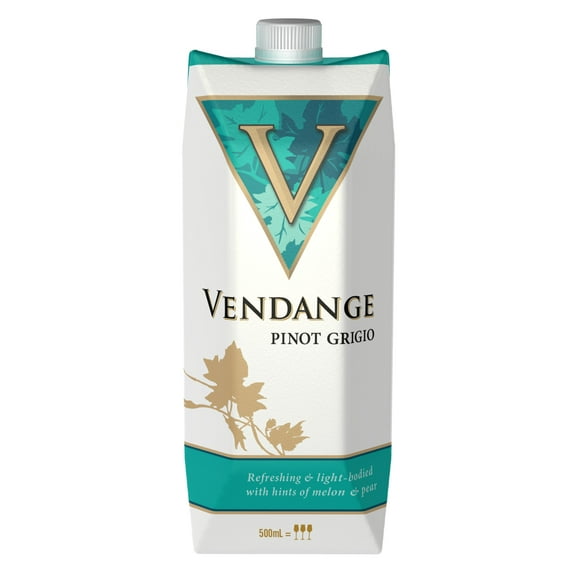
If you like light and crisp pours, you may reach for pinot grigio or sauvignon blanc. You’ll often notice pinot grigio tastes clean and subtle, while sauvignon blanc brings brighter citrus and herb notes.
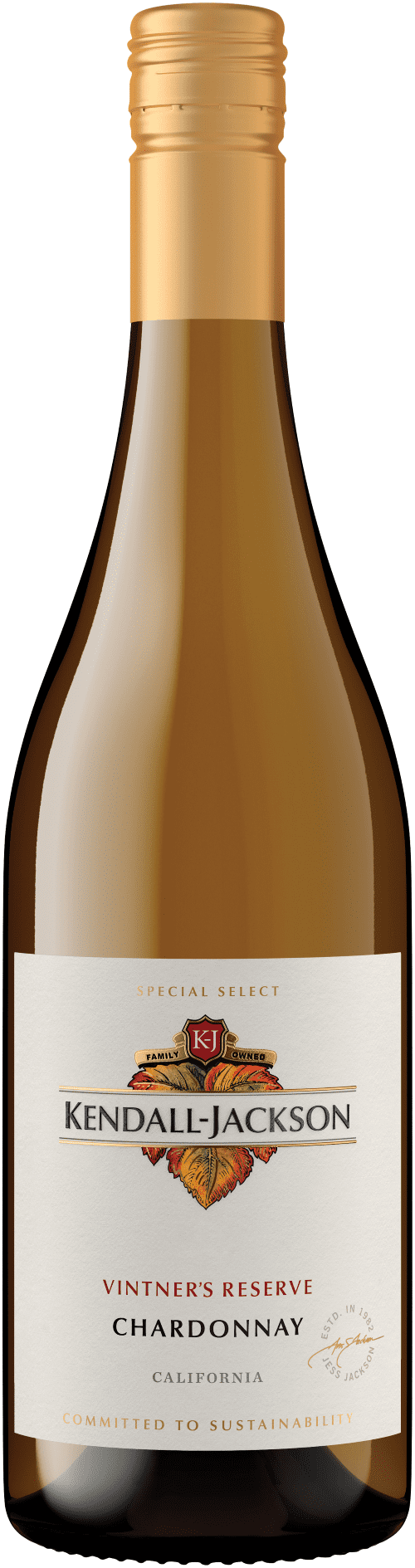
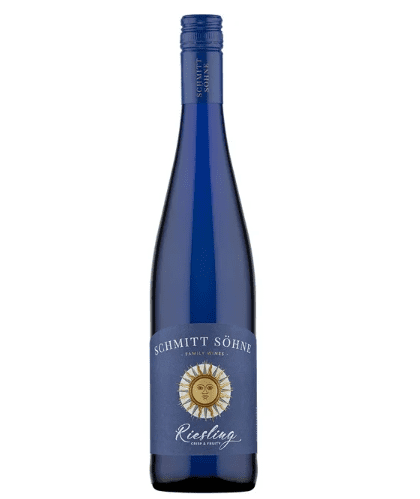
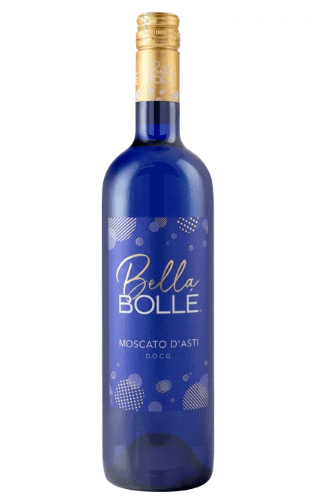
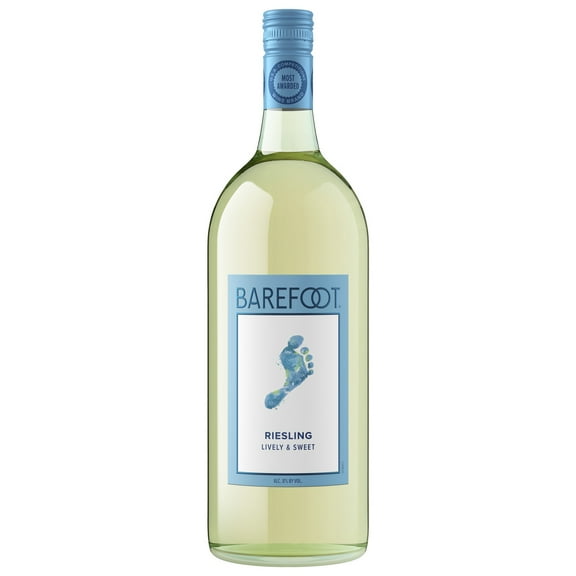
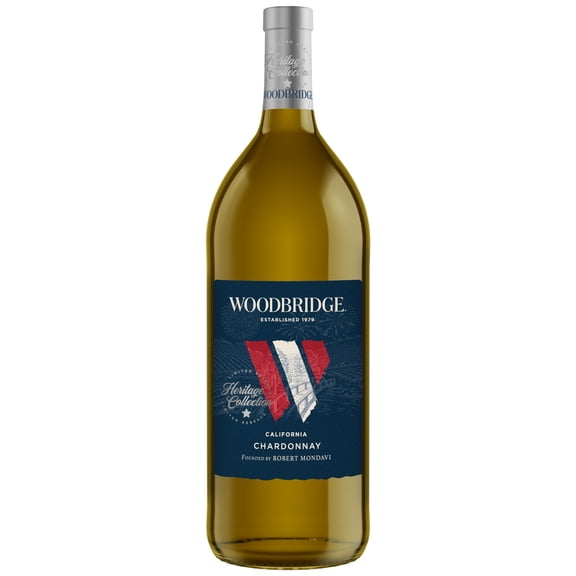
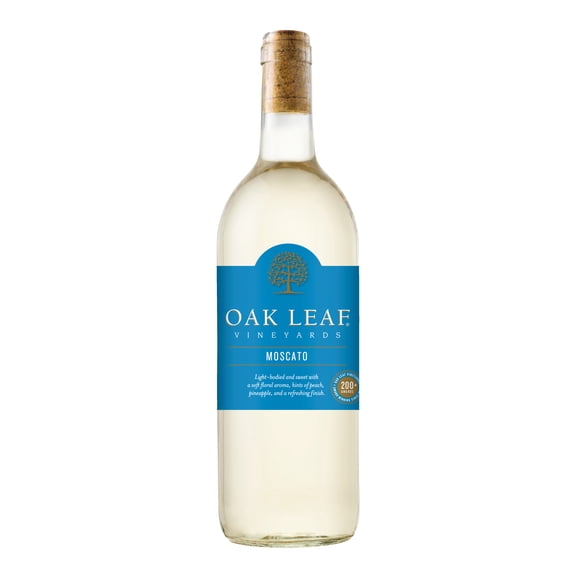
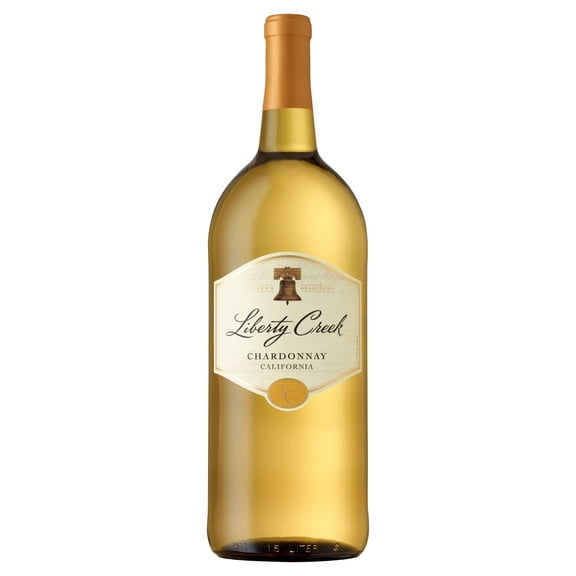
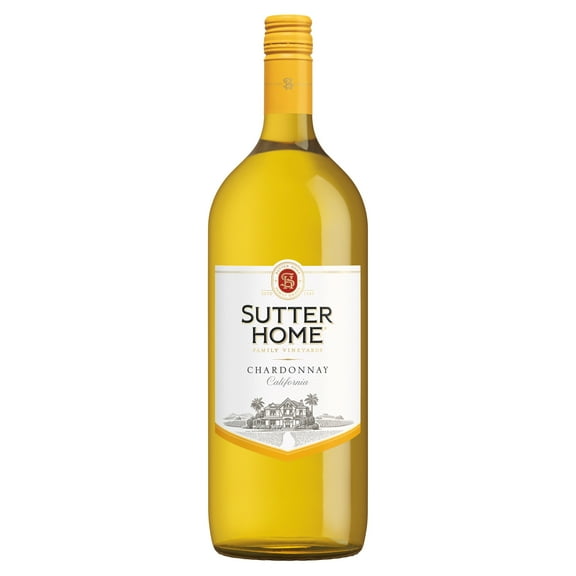
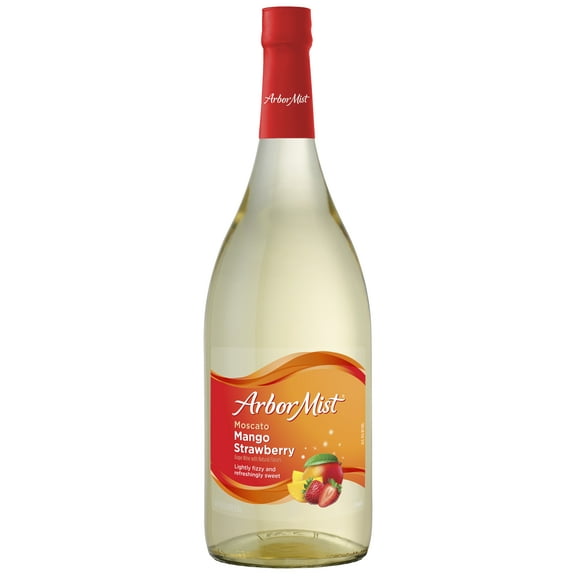
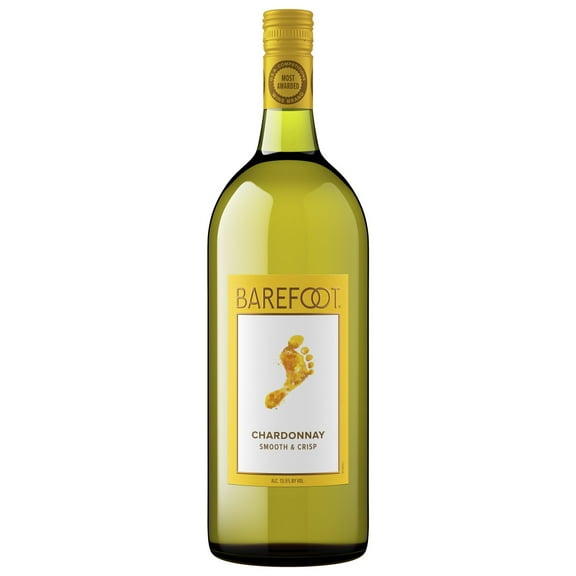
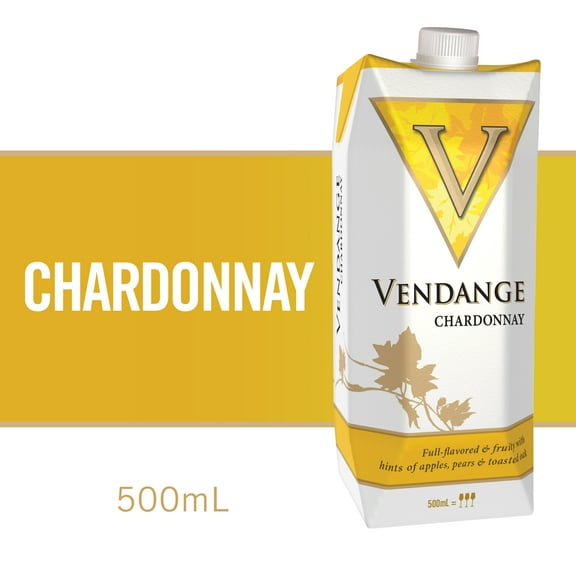
If you want rounder texture, you may look at chardonnay for fuller body and richer fruit. If you enjoy fragrant sweetness, you may prefer moscato or riesling for softer, fruit-led character.
You can also compare body and style before you choose a bottle for the occasion. Your options may range from light and crisp to medium and fruity, then to full and rich.
Comparing sweet white wine and dry white wine
You can use sweetness profile as a simple decision tool when labels feel overwhelming. Your palate may prefer crisp and tart flavors, or you may lean toward juicy and sweet notes.
Dry white wine usually works well when you want a brisk finish with salads, shellfish, or roasted vegetables. Sweet white wine can feel smoother when you’re serving spicy foods, fruit, or lighter desserts.
You can also think about acidity when you plan pairings at home. Higher acidity often gives you a brighter taste that cuts through creamy sauces and complements seafood.
When you’re serving cheese boards, you can match style to texture and saltiness. Your dry bottles can feel lively with goat cheese, while sweeter picks can soften stronger flavors.
What to look for in region and packaging
You can compare region of origin to understand common style differences before you buy. Your California choices may taste fruit-forward, while Italy, New Zealand, and France often signal distinct regional character.
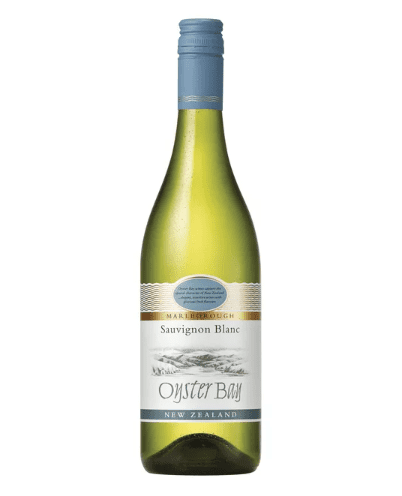
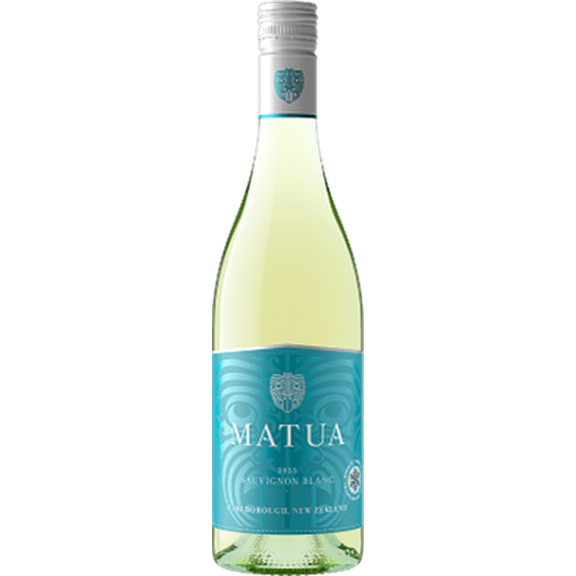
If you want bright citrus and grassy notes, you may look toward New Zealand sauvignon blanc. If you want easy-drinking versatility, you may consider Italian pinot grigio or California chardonnay.
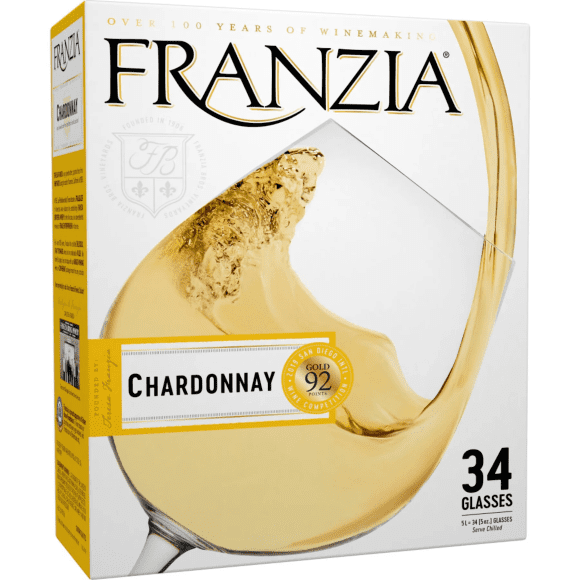
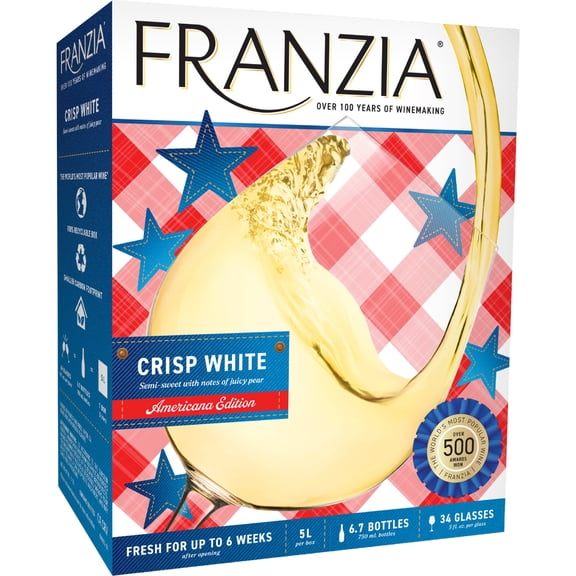
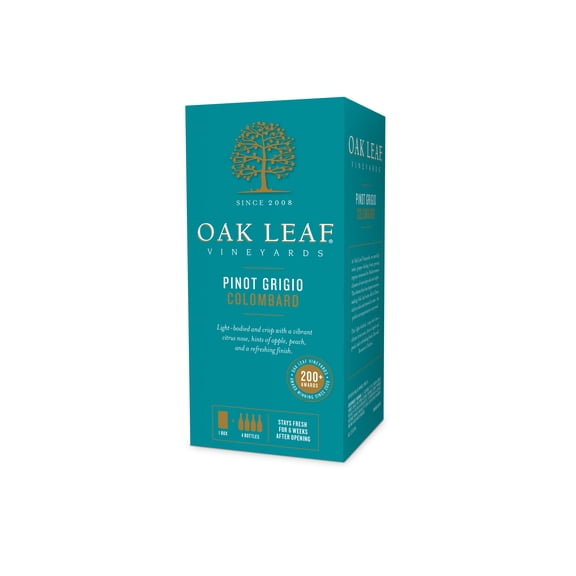
You can also choose packaging based on how you plan to serve and store your wine. Your bottled wine works well for gifting and dinners, while boxed wine supports larger gatherings.
If you want grab-and-go convenience, you may consider canned wine for picnics and casual outings. Your packaging choice can shape portion control, portability, and how quickly you finish an opened container.
Using white wine for meals, hosting, and cooking
You can match white wine to weeknight meals, holiday tables, and relaxed outdoor gatherings. Your lighter styles pair easily with fish tacos, salads, grilled chicken, and simple pasta dishes.
If you’re hosting brunch, you may choose a fruity riesling or moscato for pastries and fruit. If you’re planning dinner, you may want sauvignon blanc with seafood or chardonnay with creamy pasta.
You can also keep cooking white wine in mind when you stock your kitchen. Your recipes for risotto, pan sauces, and seafood dishes often benefit from a white wine style with bright, clean flavor.
When you serve white wine, you’ll usually want it chilled for a fresher taste. Your unopened bottles store well in a cool, consistent spot until you’re ready to pour.
You can feel more confident when you compare varietal, sweetness, body, region, and packaging together. Your final choice becomes easier when the bottle fits your menu, your guests, and your preferred taste.