

Timberland




























About Timberland - Walmart.com
Timberland helps you compare rugged footwear, work-ready builds, and everyday styles in one place. You can sort through timberland options faster when you focus on product type, fit, and weather-ready details.
If you're shopping this brand, you likely want clear differences between casual pairs and job-focused designs. You can use this guide to compare silhouettes, waterproof construction, and sizing notes before you choose.
How to choose timberland boots by product type
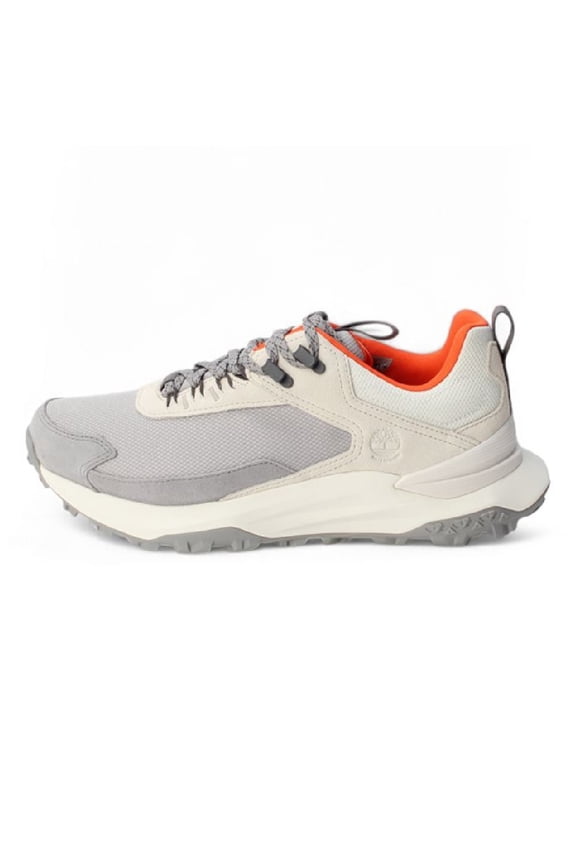
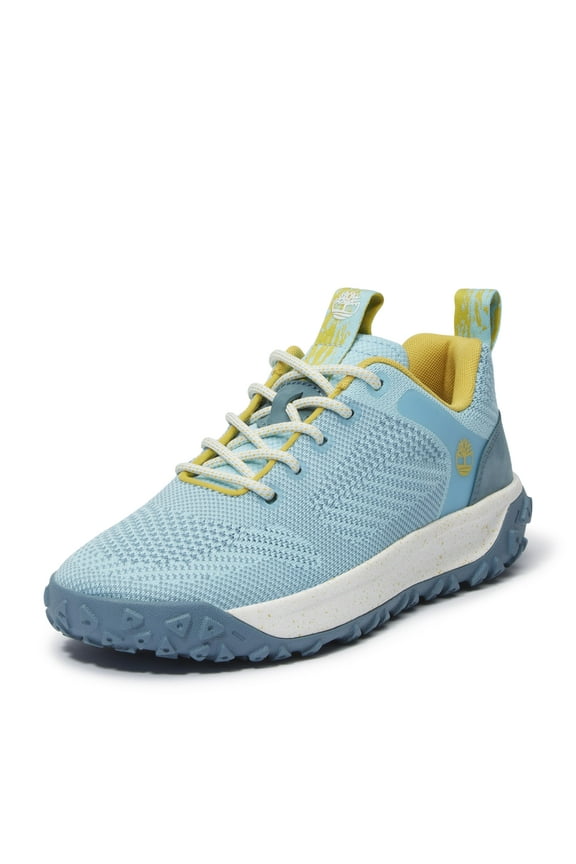
You should start with product type because boots, shoes, work boots, and hiking boots support different routines. You can match each shape and build to your commute, job, or weekend plans.
For everyday outfits, you may prefer boots or shoes that pair easily with denim, cargos, or casual layers. You can keep your look grounded while getting the brand's outdoor-inspired style.
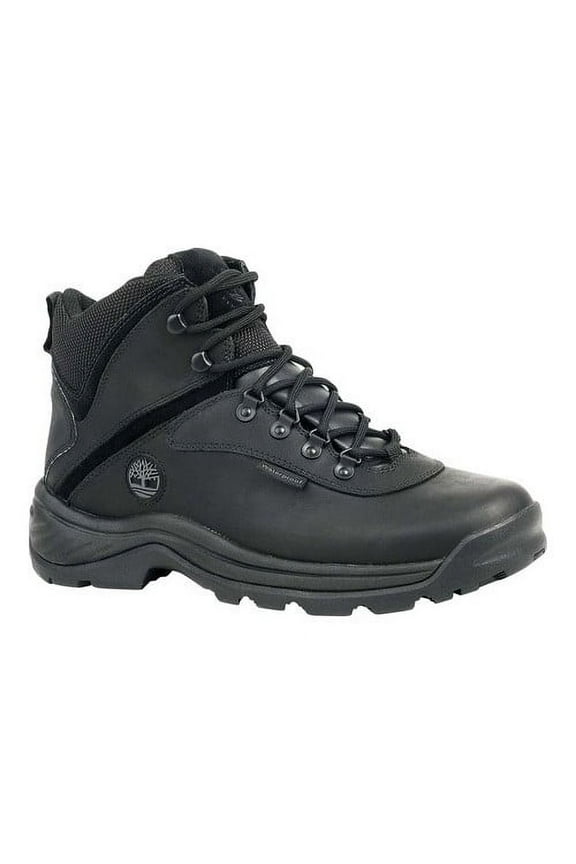
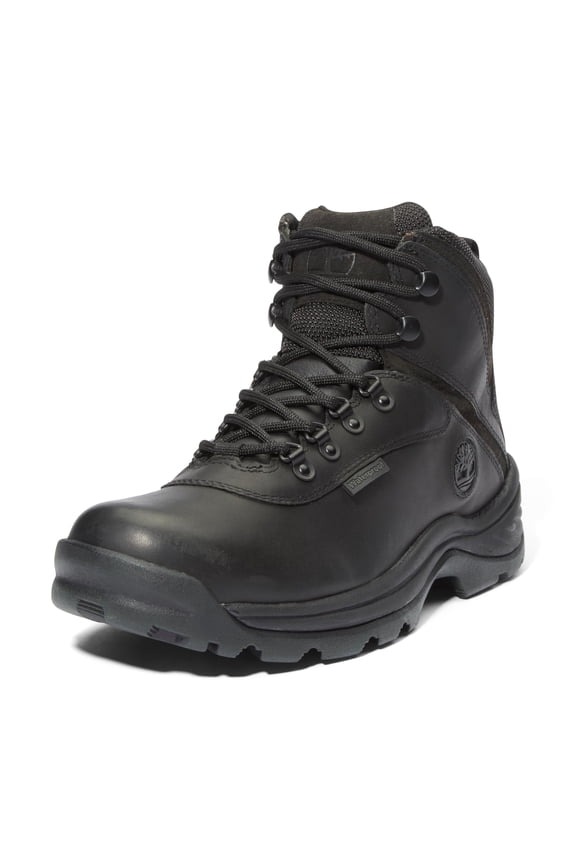
If your day includes tougher tasks, you should compare timberland work boots with casual pairs right away. You can look for job-focused builds, steel toe options, and supportive midsoles.
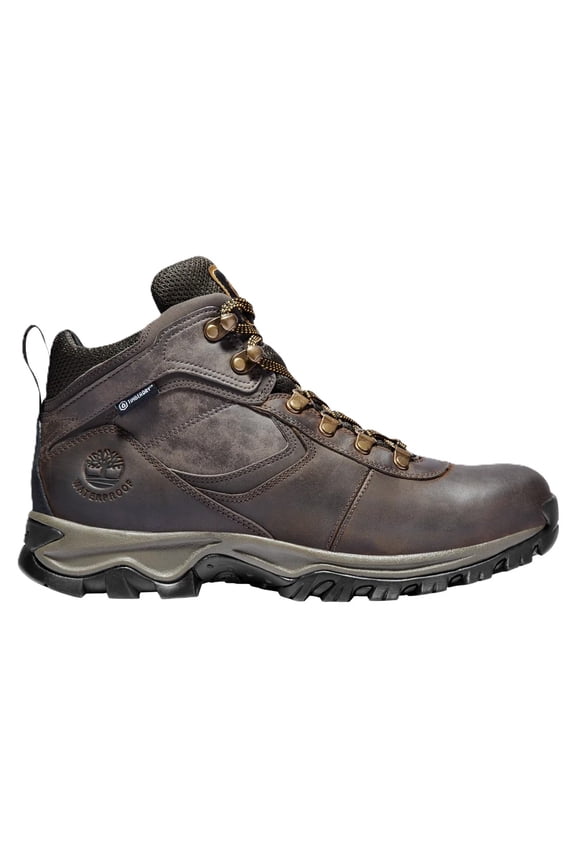
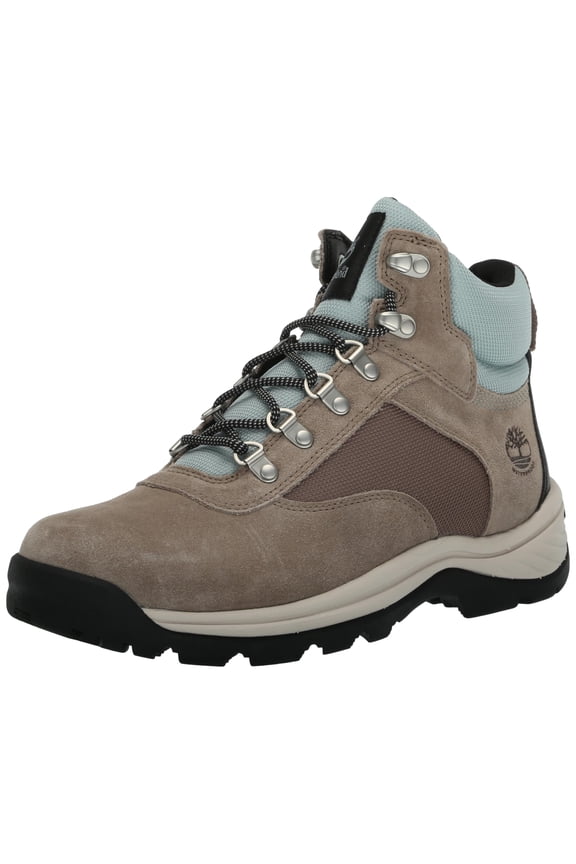
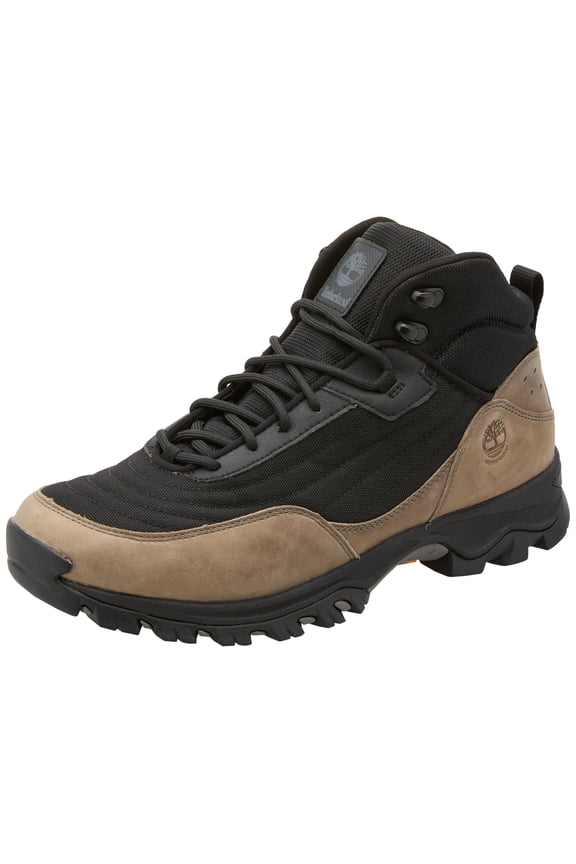
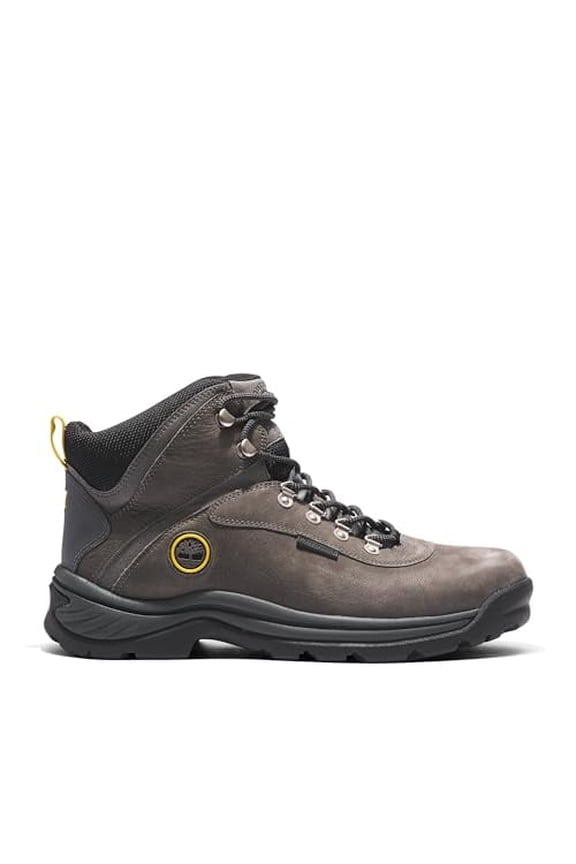
When trails, uneven paths, or changing forecasts matter, you can compare hiking boots with street-focused styles. You should check tread shape, ankle height, and waterproof construction for steadier coverage.
What to look for in mens timberland boots and womens timberland boots
You should compare fit by sock choice, daily use, and your preferred toe room. You can often make a clearer choice by checking whether you want a close fit or extra space.
If you're considering mens timberland boots, you may want room for thicker socks and layered cold-weather outfits. You should measure your usual boot size and compare it with the product details.
When you're reviewing womens timberland boots, you may focus on ankle shape, shaft height, and outfit flexibility. You can compare lace-up and pull-on styles for different routines.
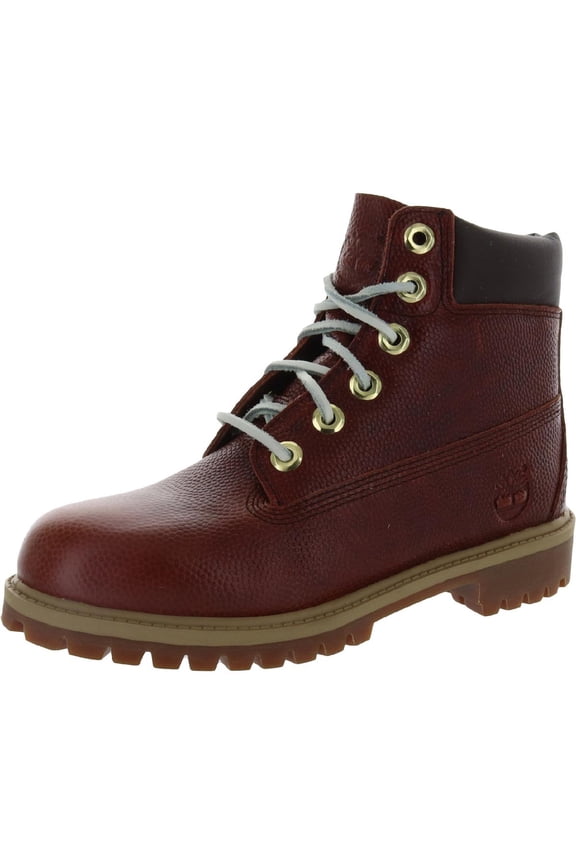
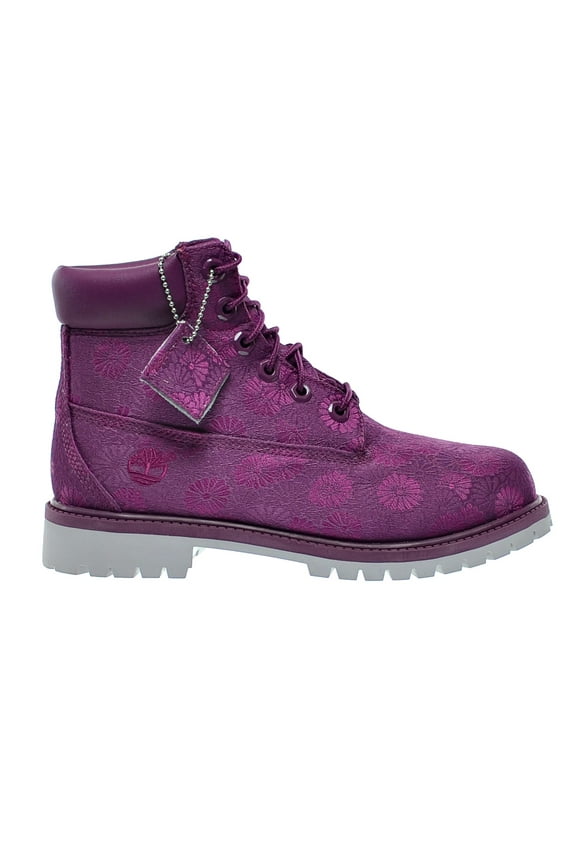
If you're shopping for kids' pairs, you should check closure type, collar padding, and outsole grip. You can make busy mornings easier with easy-on designs and durable materials.
- You can choose shoes when you want lighter everyday wear.
- You can choose work boots when you need job-focused protection features.
- You can choose hiking boots when you want trail-ready traction and coverage.
- You can compare men's, women's, and kids' sizing details before ordering.
Choosing timberland boots by key feature
You should treat features as decision criteria, not extra details. You can use waterproof, insulated, steel toe, and anti-fatigue options to match how you actually wear your footwear.
If you need waterproof boots, you should check material notes and construction details first. You can look for waterproof uppers or sealed designs when wet sidewalks, slush, or rain are common.
For colder conditions, you may prefer insulated pairs that add warmth without changing your outfit plan. You can compare insulation with shaft height when you expect winter commutes.
If your work setting calls for added structure, you should look at steel toe options within timberland work boots. You can separate those pairs from casual leather boots by reading the feature list closely.
When long days are part of your routine, you may want anti-fatigue cushioning or supportive footbeds. You can use those comfort features for commuting, warehouse shifts, or all-day city wear.
Comparing the 6-inch premium, chukka, chelsea, and field boot
You can narrow your choice faster when you understand the main silhouettes. You should compare height, lacing, and overall structure before focusing on color or finish.
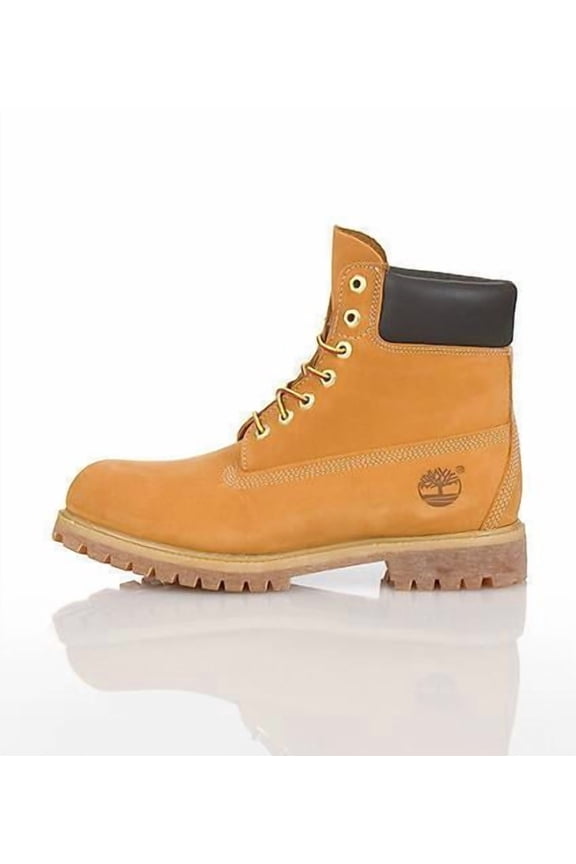
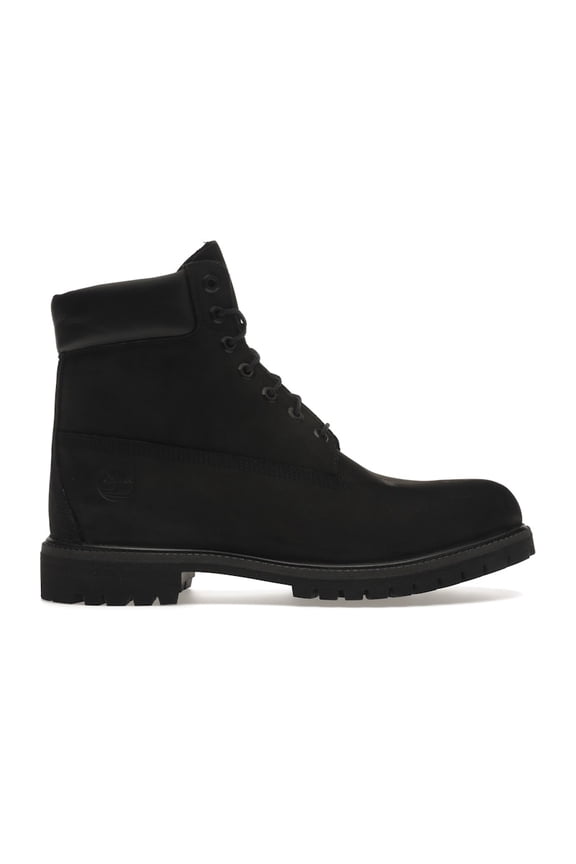
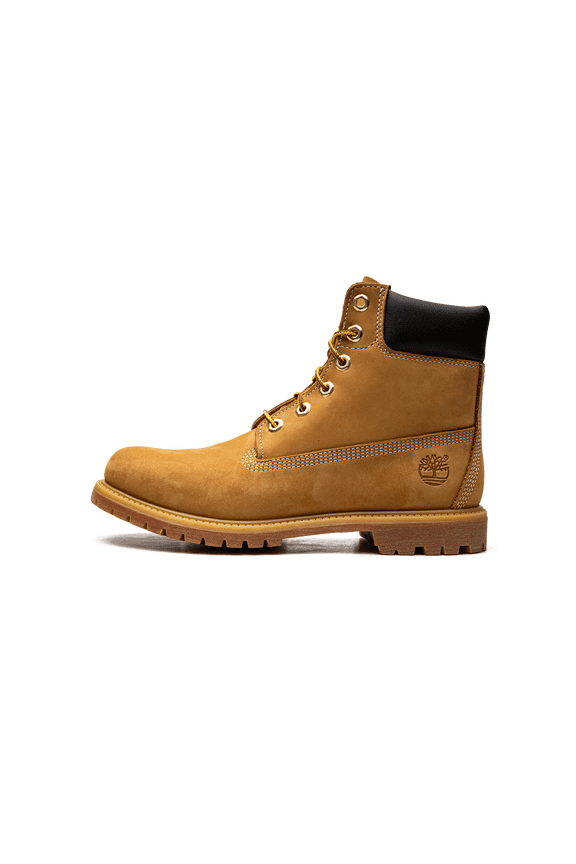
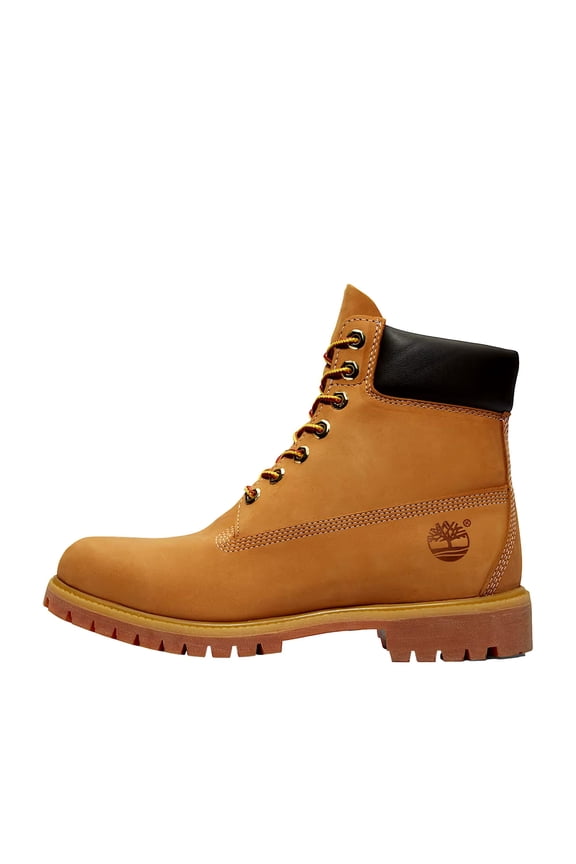
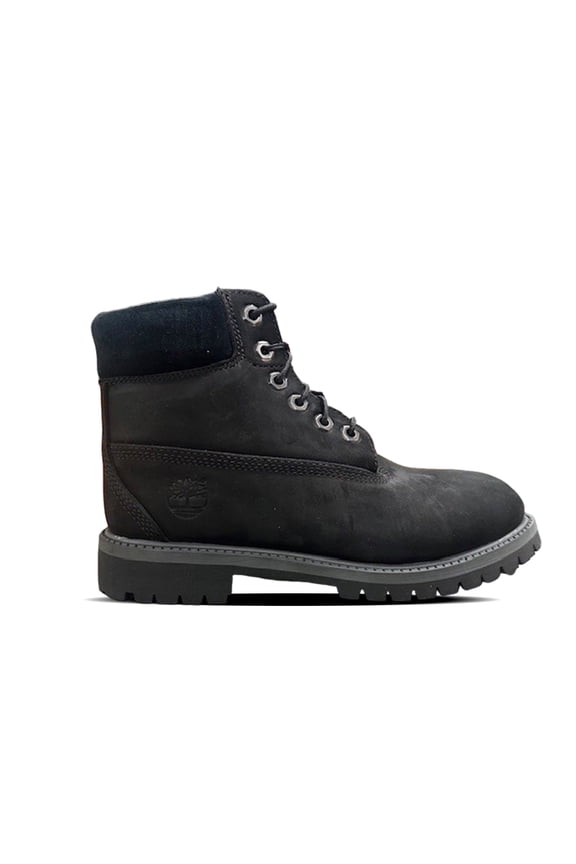
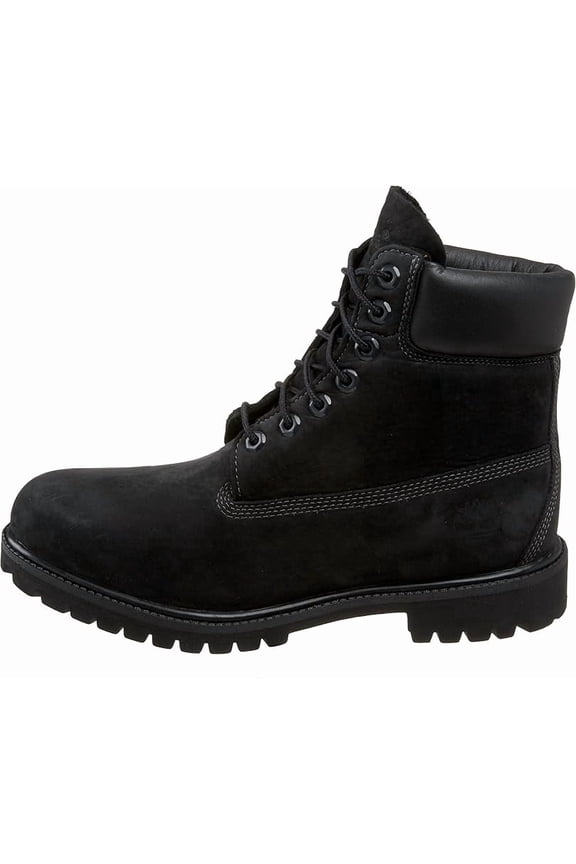
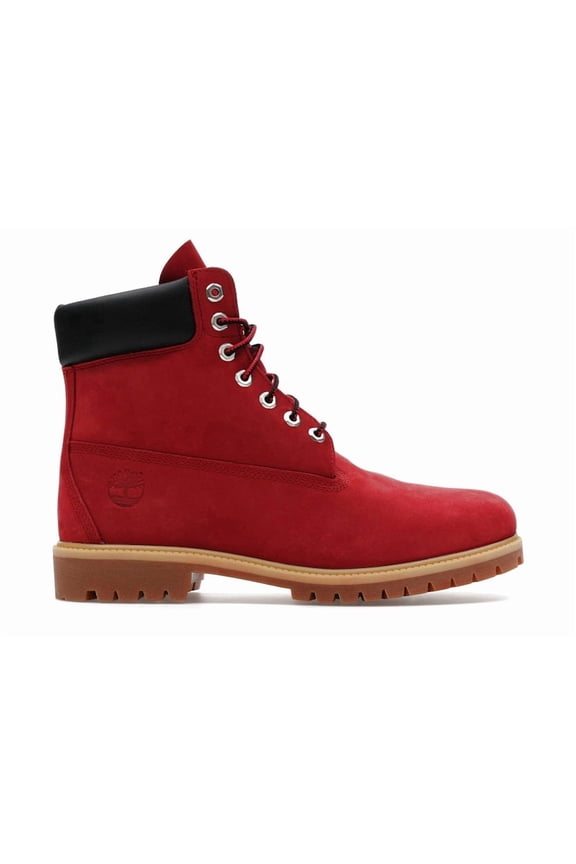
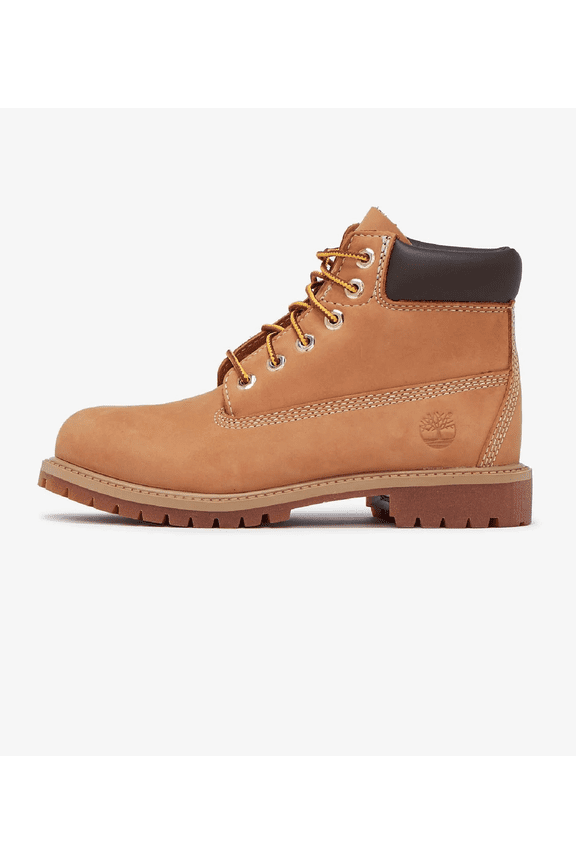
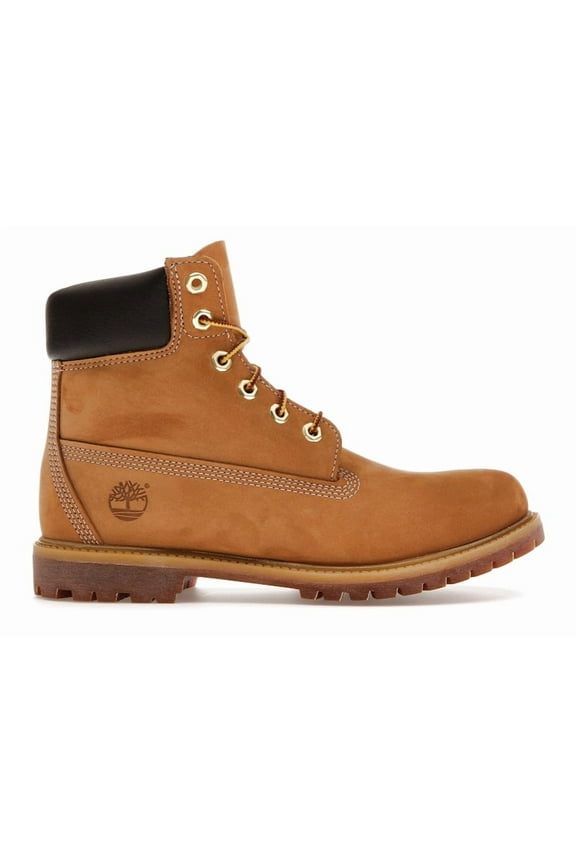
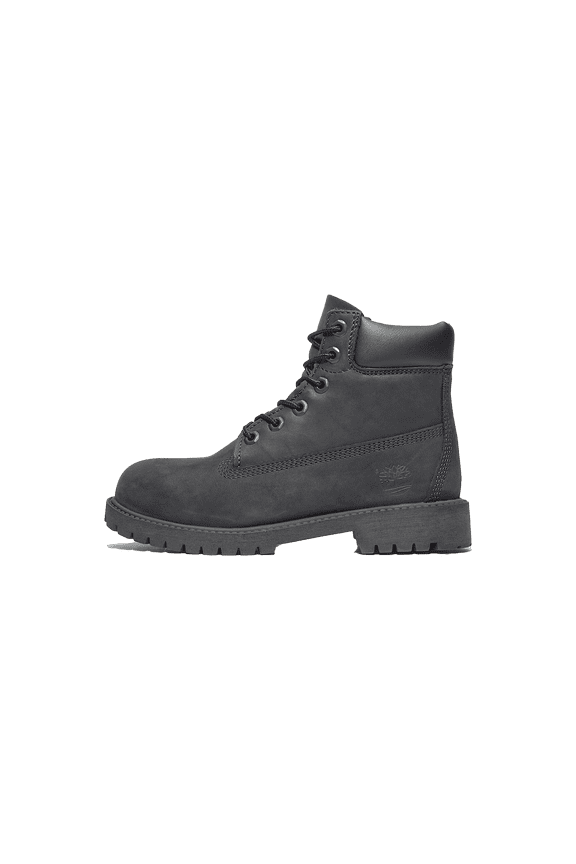
If you want the iconic look, you may start with the 6-inch premium shape. You can expect a taller profile, sturdier visual weight, and a style that stands out with denim.
When you want something lighter around the ankle, you should compare chukka options. You can wear timberland chukka boots for casual days, office settings, or weekends that don't need taller shafts.
If convenience is your priority, you may prefer chelsea styles with pull-on wear. You can get a cleaner profile that works quickly when you're heading out the door.
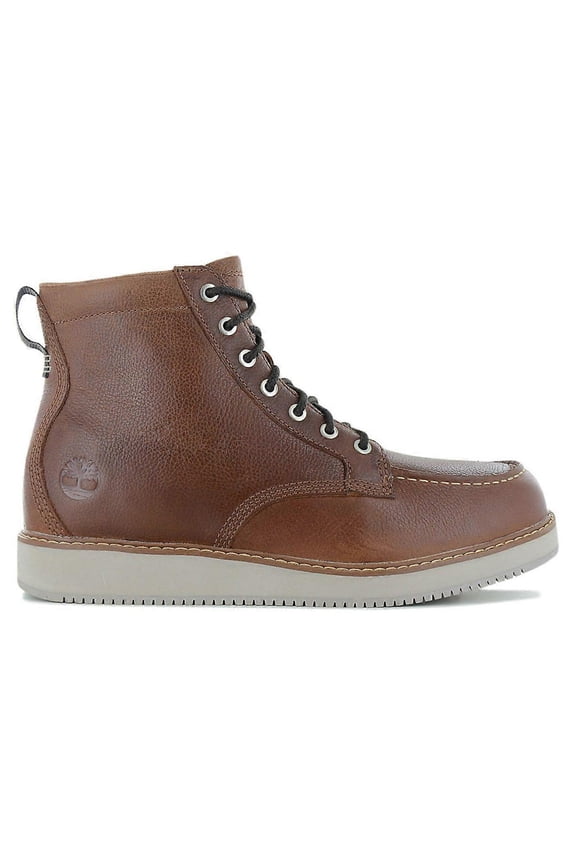
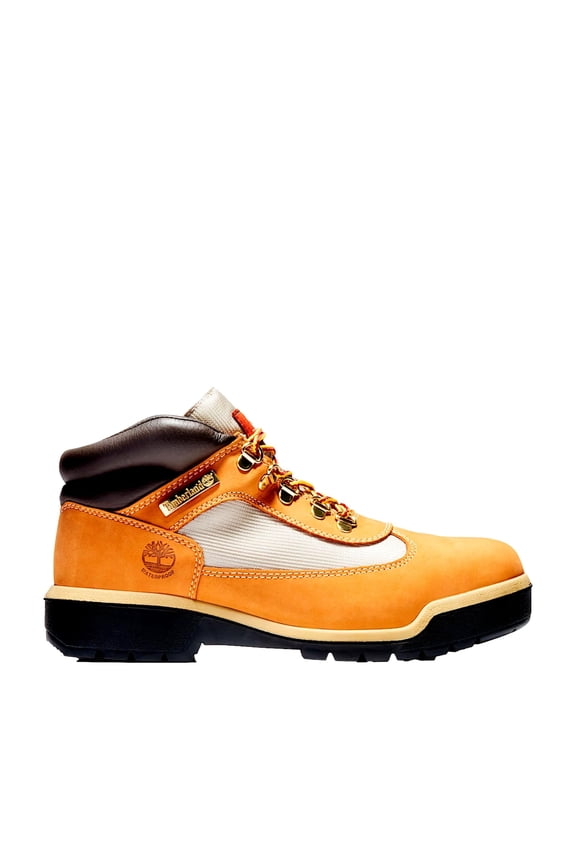
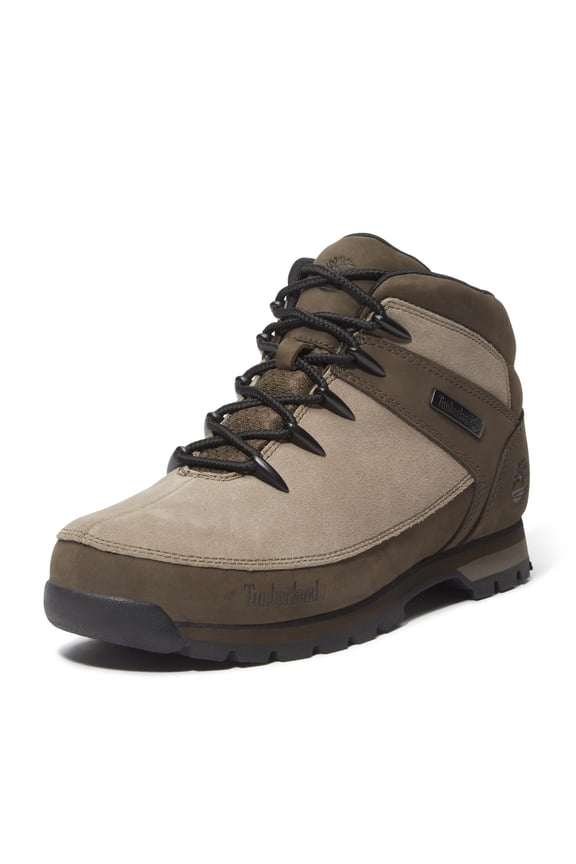
For mixed outdoor and street use, you should look at the field boot design. You can balance rugged traction, supportive structure, and everyday versatility in one silhouette.
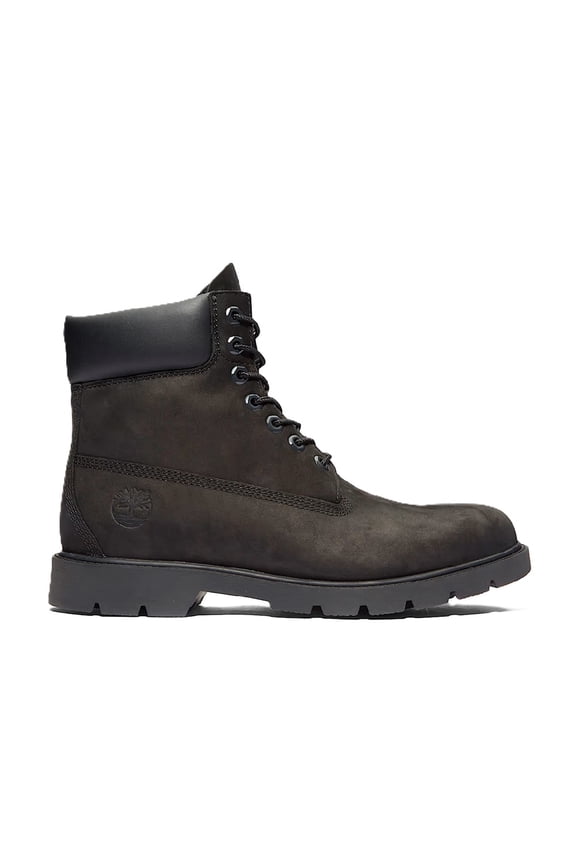
If you're wondering about the difference between the 6-inch premium and basic boots, you should compare materials and construction notes. You can often spot differences in leather, hardware, padding, and overall detailing.
Using timberland styles for work, weather, and everyday wear
You can match Timberland styles to specific routines instead of choosing by appearance alone. You should think about commute length, weather, outfit needs, and surface conditions.
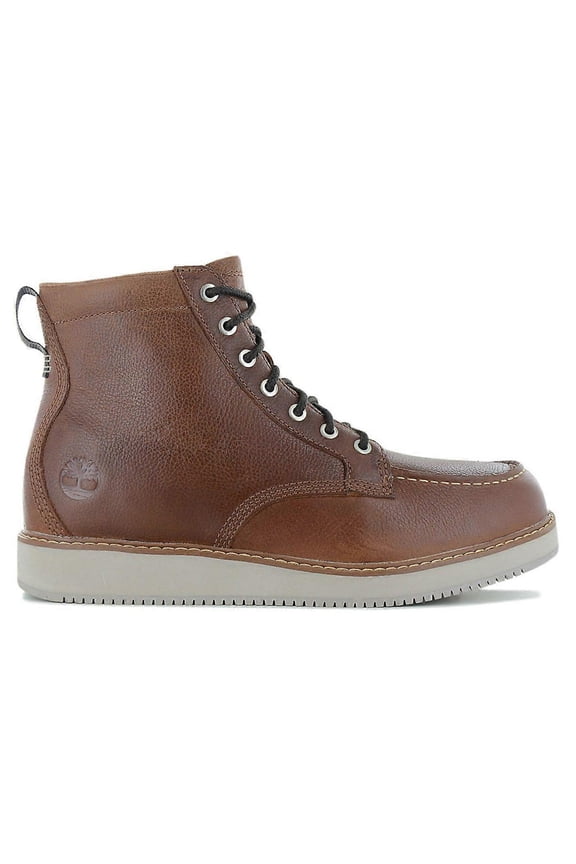
For city wear, you may want leather boots that handle sidewalks, stairs, and changing forecasts. You can pair them with denim, work pants, or utility-inspired outfits across several seasons.
If you're dressing for colder months, you should compare timberland winter boots with insulated or waterproof builds. You can focus on traction, coverage, and lining details for snowy days.
For demanding shifts, you may need timberland work boots that prioritize support and structure over casual styling. You can separate fashion-first pairs from PRO-style options by checking toe type and outsole design.
If you want one pair for casual errands and outdoor weekends, you should compare hiking boots and classic lace-up boots. You can choose based on tread depth, ankle support, and how rugged you want the look.
You can shop this category with more confidence when you compare product type, fit, feature set, and silhouette together. You should end up with footwear that matches your routine, your weather, and your style goals.