






Flashlights & Lanterns in Camping Gear





























About Flashlights & Lanterns in Camping Gear - Walmart.com
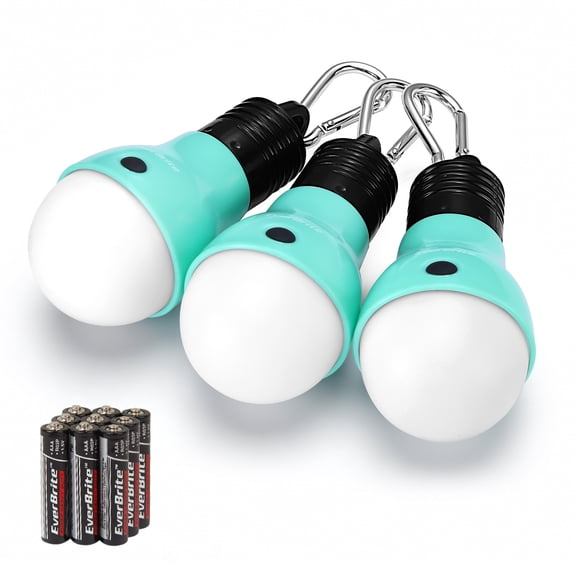
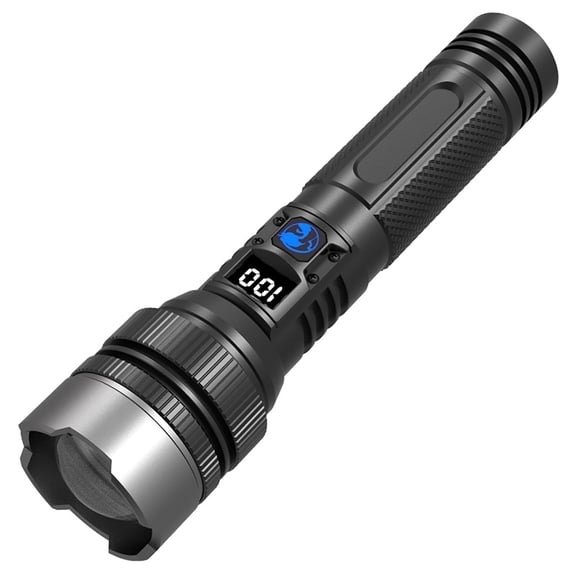
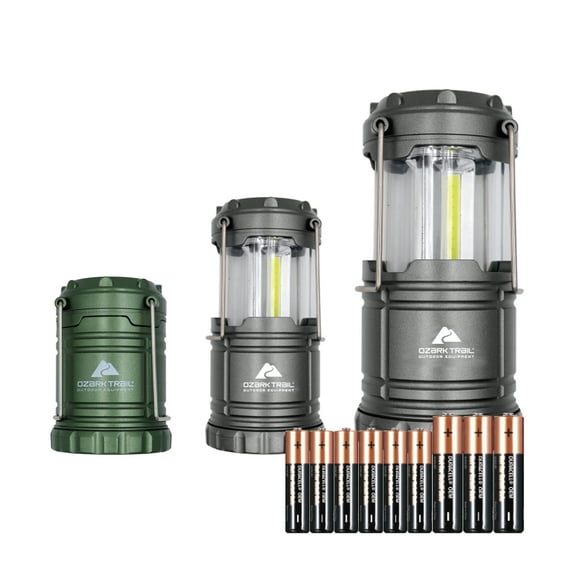
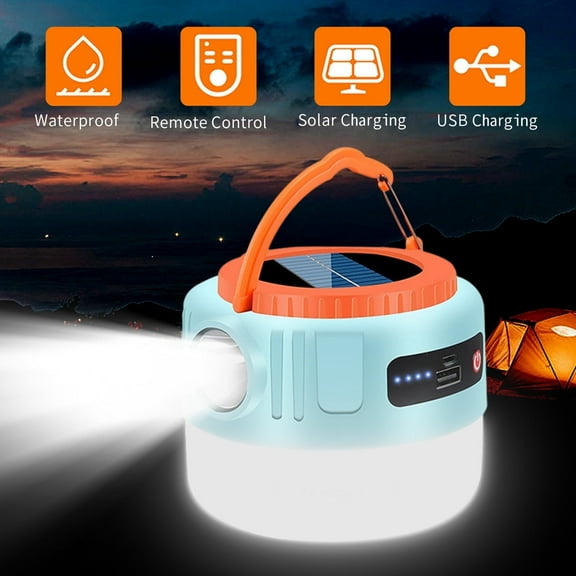
Flashlights and lanterns help you cover campsites, outages, and after-dark tasks with the right beam, runtime, and carrying style. You can compare handheld lights, area lights, and charging options in one place, so your gear fits how you use it.
How to choose flashlights and lanterns
When you compare this category, you should start with power source, brightness, and form factor. You may also want to check runtime, weather resistance, and pack size before you narrow your options.
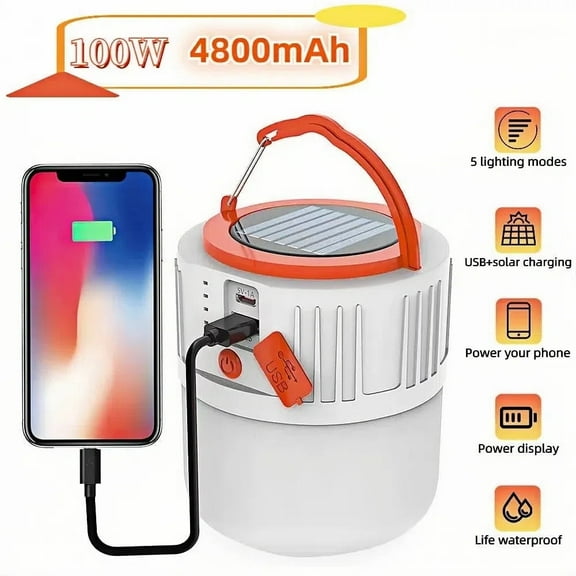
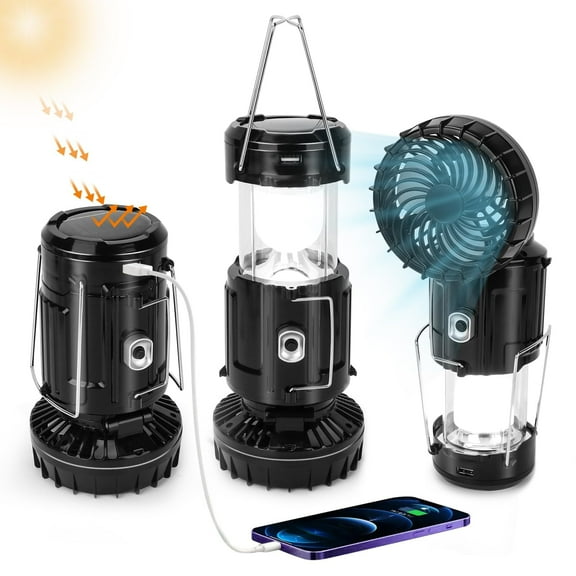
Power source shapes how you recharge, store, and use your light over time. You may prefer rechargeable flashlights for repeat use, battery powered lanterns for easy swaps, solar options for extended trips, or dual-fuel flexibility.
Light source also changes what you notice in the field. You may often choose LED flashlights for bright output and clear visibility, while COB panels can spread wider light across a table or tent.
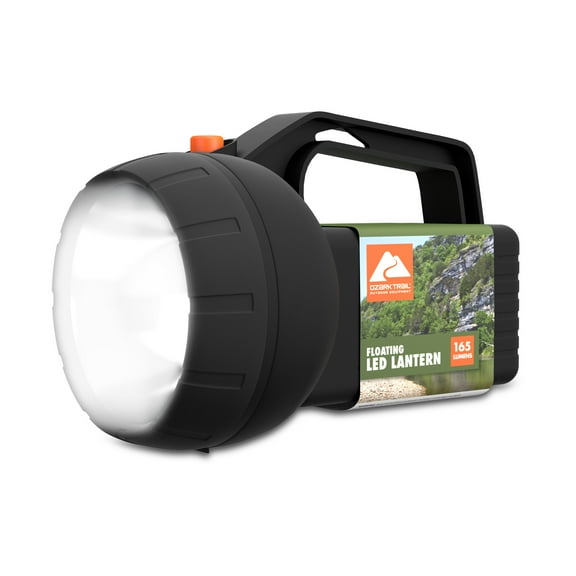
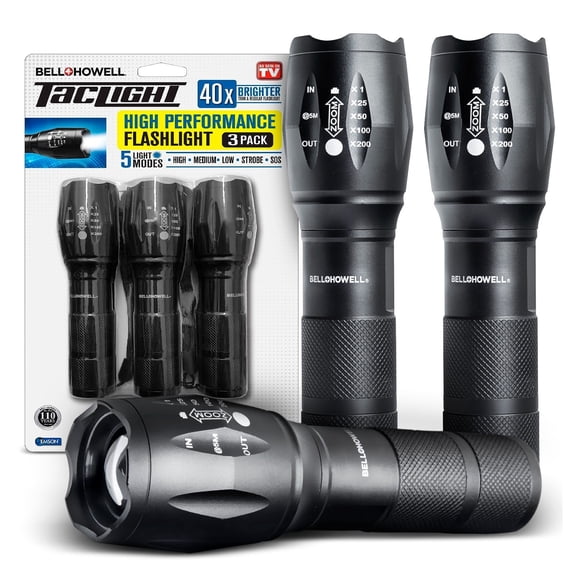
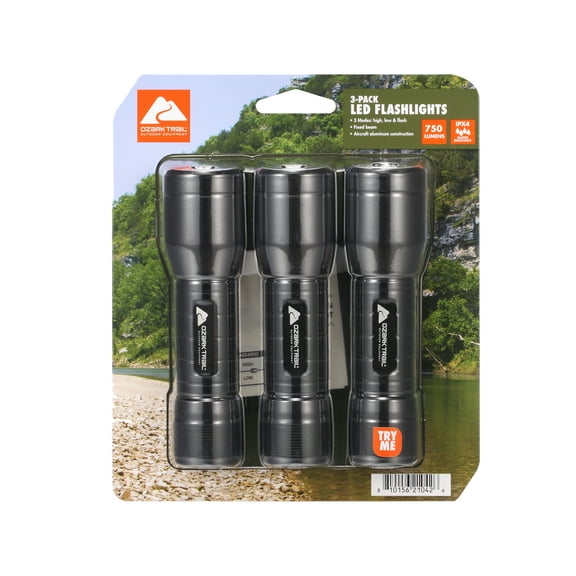
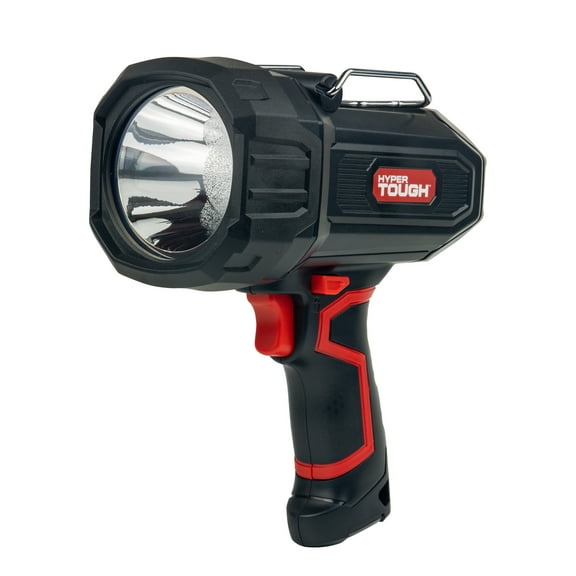
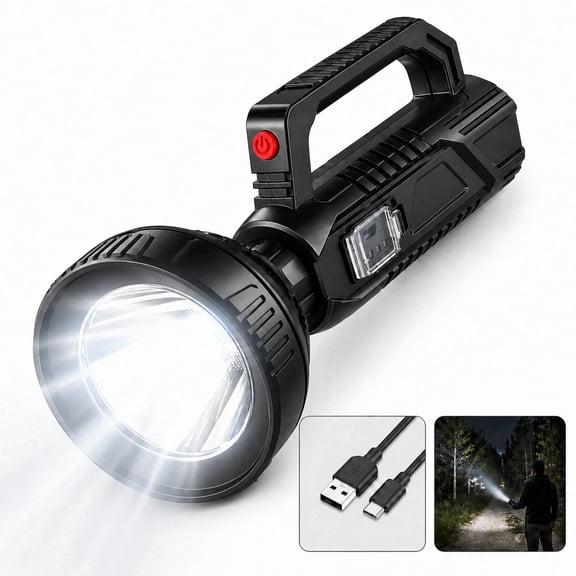
- You can match handheld flashlights to trails, glove boxes, and tool kits.
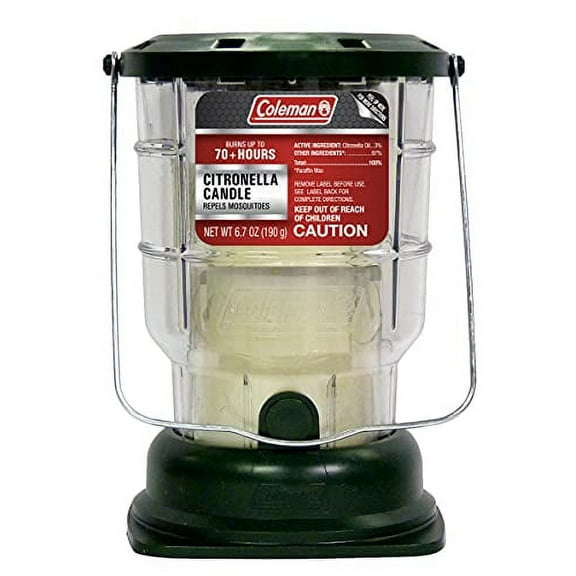
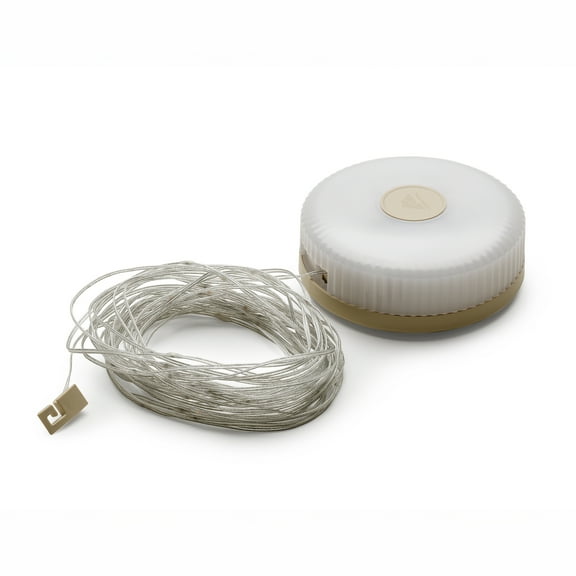
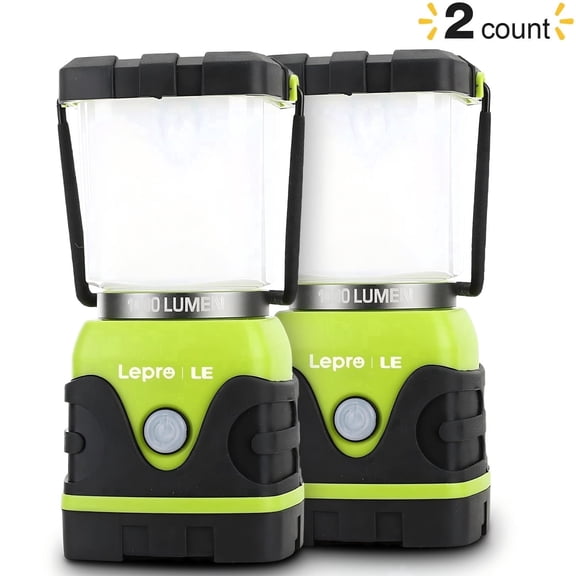
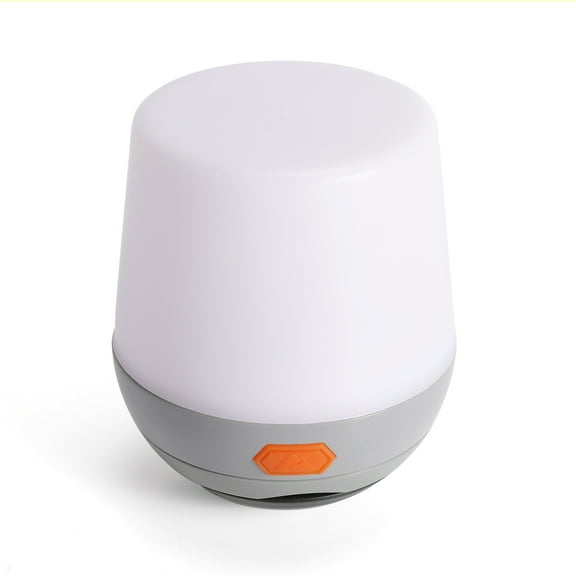
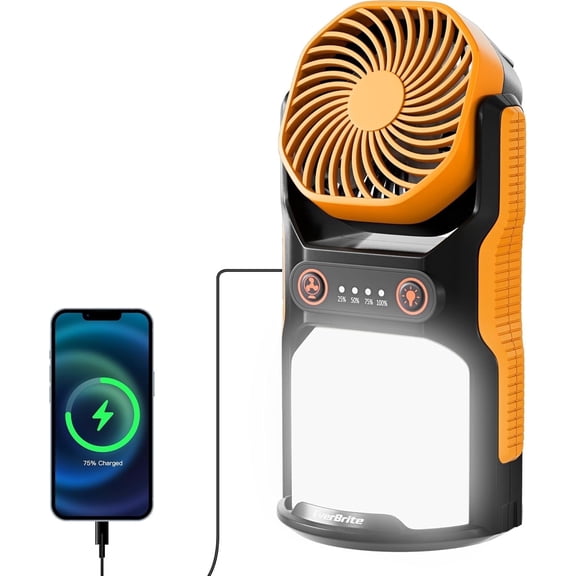
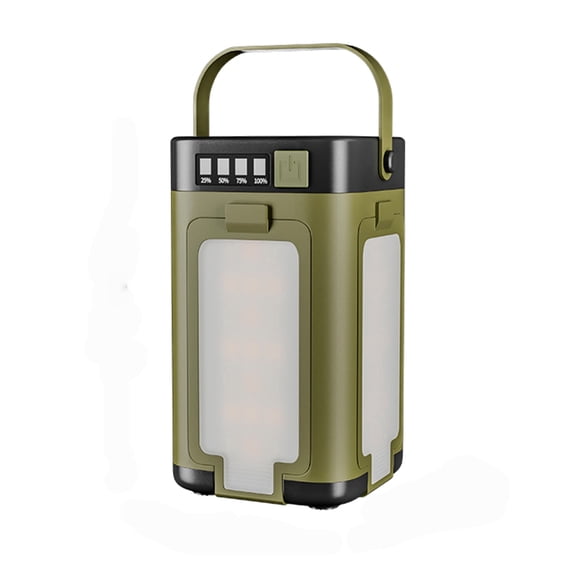
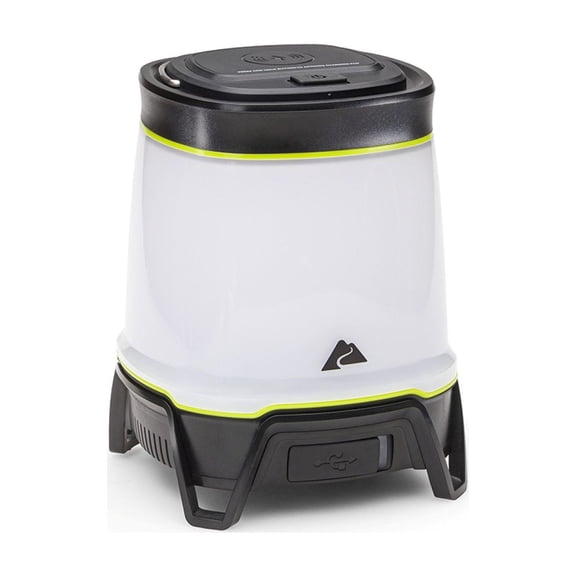
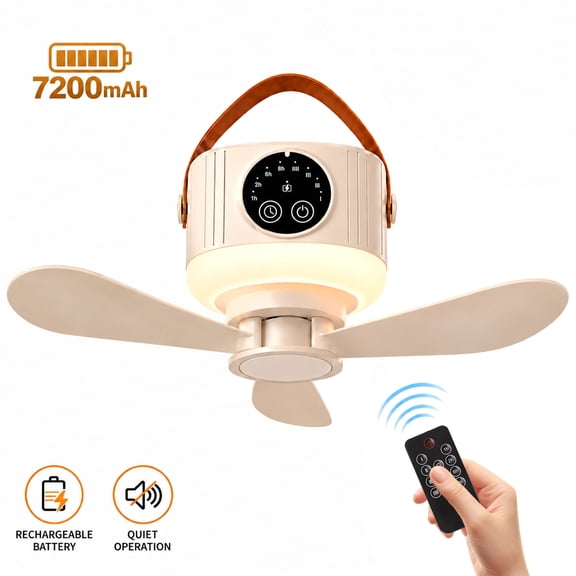
- You can use lantern styles when you need broad light for campsites and shared spaces.
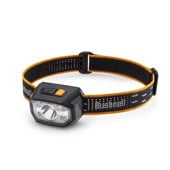
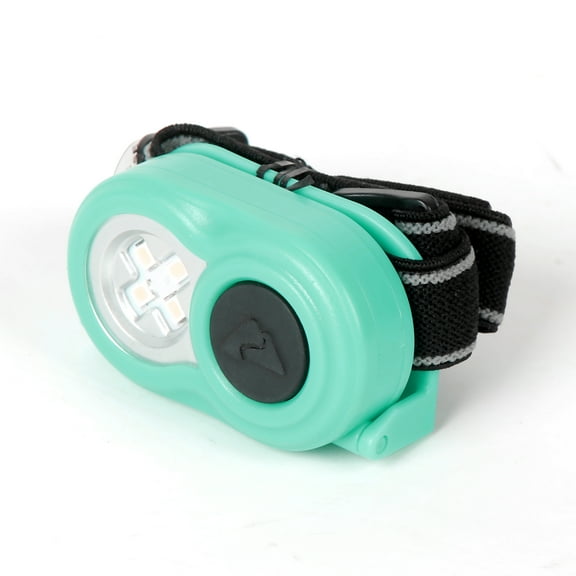
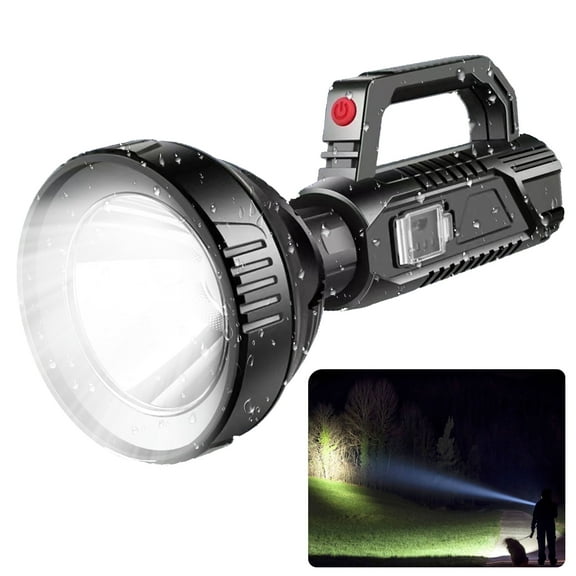
- You can compare headlamps and spotlights when hands-free use or longer beam distance matters.
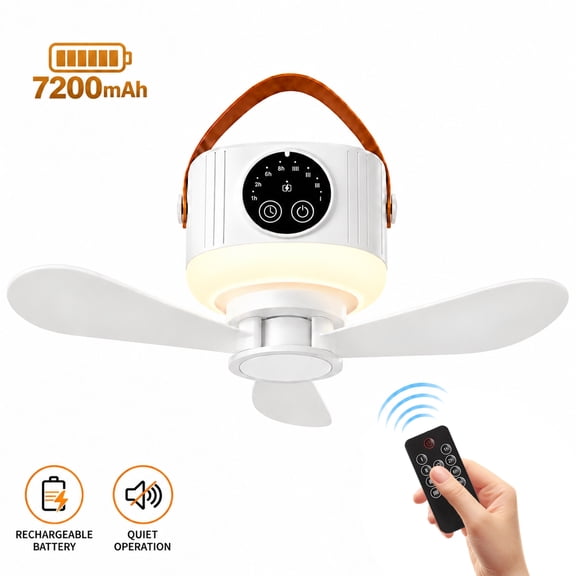
- You can check runtime hours and mAh capacity to understand how long your light can keep going.
Choosing power, brightness, and runtime
Brightness matters greatly when you match lumens to your environment. You may use under 100 lumens for close tasks, 100 to 500 lumens for general use, and 500 plus lumens for larger outdoor spaces.
If you need longer reach, you should compare beam distance with lumen output. You can often find that focused beams help you see farther, while lantern coverage helps you light a wider area.
Runtime tells you how long your light stays useful between charges or battery changes. You should check continuous run-time hours and mAh capacity, because those numbers help you compare convenience across similar sizes.
Rechargeable flashlights can suit frequent use when you want cable charging or dock charging at home or in your vehicle. Battery powered lanterns can fit backup kits when you want replaceable cells ready in storage.
Comparing LED flashlights and camping lanterns
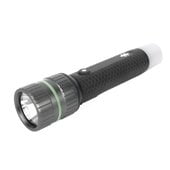
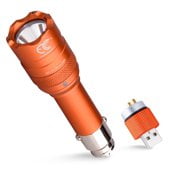
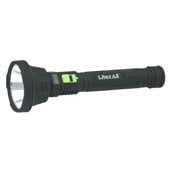
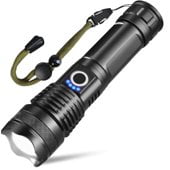
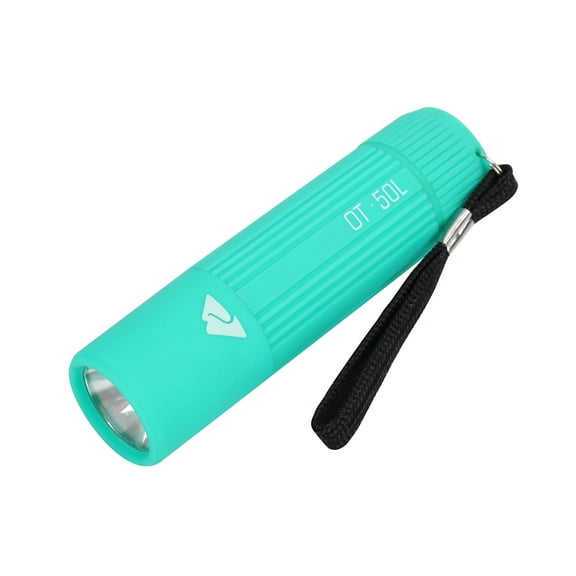
LED flashlights work well when you want a directed beam for walking paths, checking gear, or searching dark corners. You can carry compact handheld flashlights easily, and you can store them in small spaces.
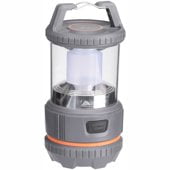
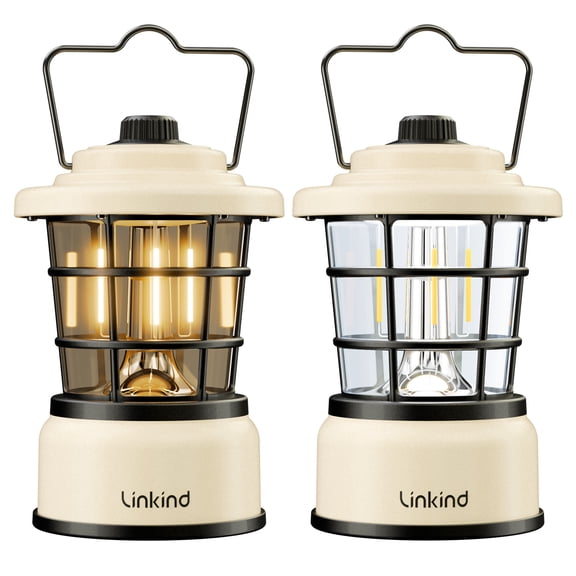
Camping lanterns make more sense when you need area light inside tents, on picnic tables, or around cooking setups. You may notice that a lantern spreads light around your group instead of focusing it in one narrow line.
Form factor should match how you move and pack. You may choose a handheld model for everyday carry, a headlamp for setup tasks, a spotlight for distance, or a lantern for shared lighting.
Portability matters when your gear rides in backpacks, drawers, or emergency bins. You should compare overall weight and body size, because lighter lights feel easier to carry and store.
What to look for in rechargeable flashlights
Rechargeable flashlights can make repeat use simpler when you don’t want to keep extra cells on hand. You should compare charging ports, battery capacity, and runtime, so your light fits your routine.
Some shoppers want a compact light for daily use, while others need a larger body for longer runtime. You may usually trade a smaller size for shorter run time, so it helps to measure carrying comfort first.
Weather durability also matters when your light leaves the house, tent, or truck. You should check IPX ratings for water resistance and drop-test height, because those details help you compare outdoor readiness.
If you camp in changing weather, those ratings can guide your choice without guesswork. You may also want textured grips, stable bases, and simple controls when you use lights with gloves or cold hands.
Matching lights to camping and emergency use
For camping, you may want one directed beam and one area light instead of relying on a single format. You can pair handheld flashlights for walking with camping lanterns for cooking, cards, and tent organization.
For emergency preparedness, you should think about storage life, easy controls, and quick access. You may keep emergency lights in hall closets, vehicles, or power outage kits where grab-and-go placement matters.
If you need tactical or distance-focused use, you should compare beam pattern, body grip, and spotlight form. You may want enough throw for longer sightlines, but you may still prefer moderate weight for comfort.
For everyday carry, compact size often matters more than broad coverage. You can choose a slimmer body for pockets or bags, while still checking runtime and brightness for after-dark errands.
When you compare flashlights and lanterns with these decision points, you can narrow choices faster and avoid gear that feels wrong in use. You can end up with lighting that fits your space, your packing style, and your routine.