


Teaching Aids in Teaching and Classroom Supplies


















About Teaching Aids in Teaching and Classroom Supplies - Walmart.com
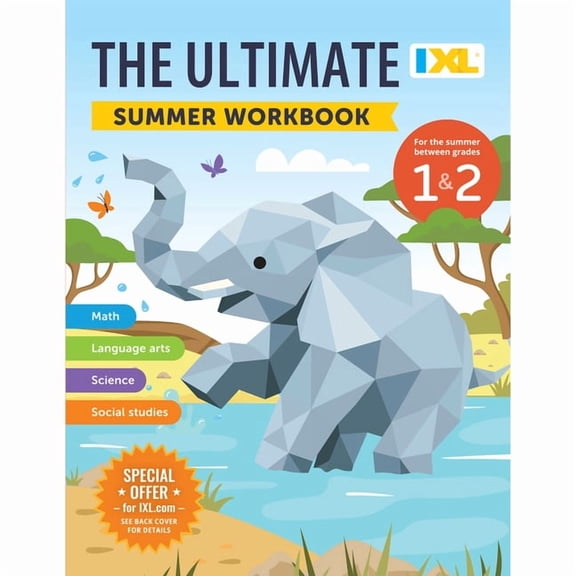
Your 1st grade workbook options can shape daily practice, skill pacing, and lesson variety for school or home. You can use this teaching aids guide to compare grade level, subject focus, material type, and learning environment with less guesswork.
When you compare options by these decision points, you can match activities to early readers, new writers, and growing math learners. You can also spot resources that fit teacher-led lessons, homeschool routines, or flexible remote schedules.
Choosing the right 1st grade workbook by grade level
You should start with grade and age fit because first graders need practice that feels challenging yet manageable. You can compare Pre-K, Kindergarten, 1st Grade, 2nd Grade, and 3rd Grade+ levels to avoid pages that feel too simple or too advanced.
If your child is moving into first grade, you may want review pages with letter sounds, counting, and simple directions. If your learner is ready for extended passages or double-digit math, you can look slightly above standard first-grade practice.
You can often tell the right fit by page density, instruction length, and how much independent work the lesson requires. You should look for activities that build confidence through brief tasks, repeated skills, and steady progression.
How to compare subject matter and writing with ease
You can narrow your choice quickly when you decide which subject needs focused attention. You may focus on reading, writing, math, science, or English depending on current classroom goals and homework patterns.
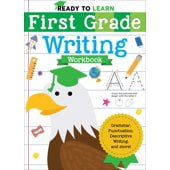
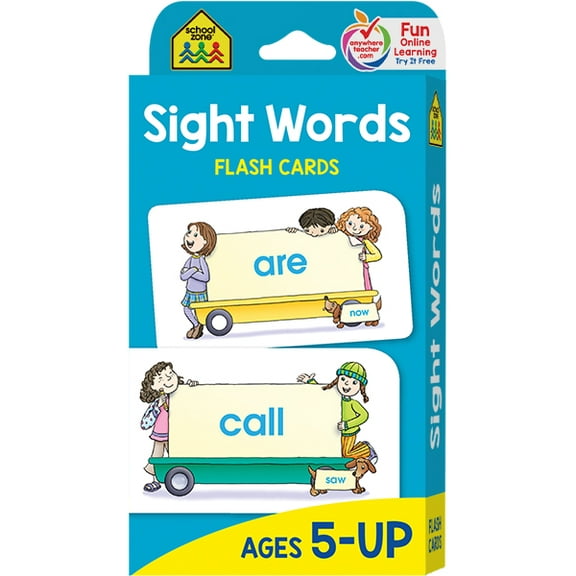
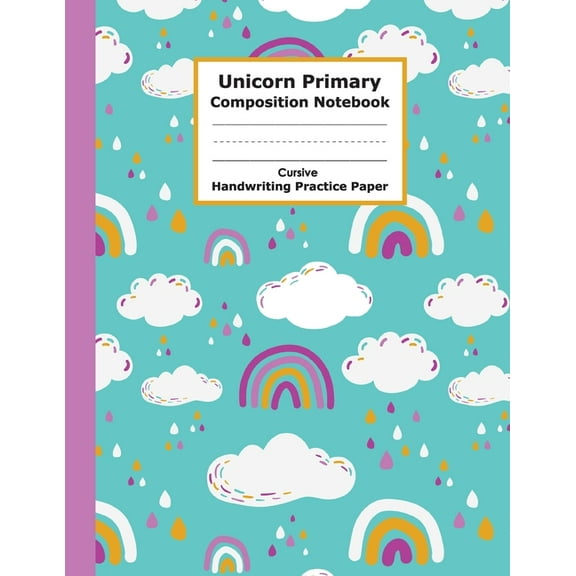
For reading, you can look for phonics, sight words, brief passages, and comprehension checks. For writing with ease, you can compare handwriting practice, sentence building, punctuation, and simple composition prompts.
In math, you may want number bonds, place value, addition facts, and story problems. In science or English, you can choose age-appropriate vocabulary, observation activities, and grammar practice that fits early elementary learners.
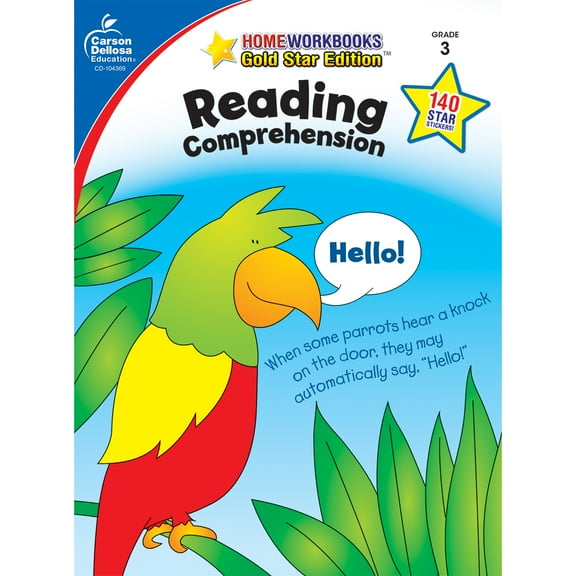
- You can use reading activities to build decoding, fluency, and simple comprehension.
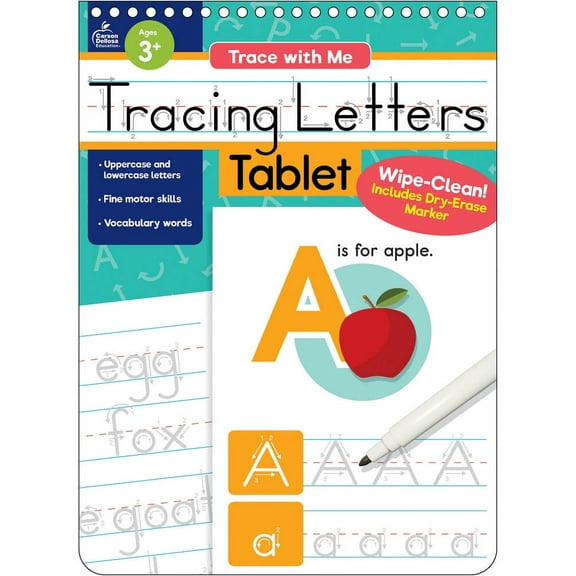
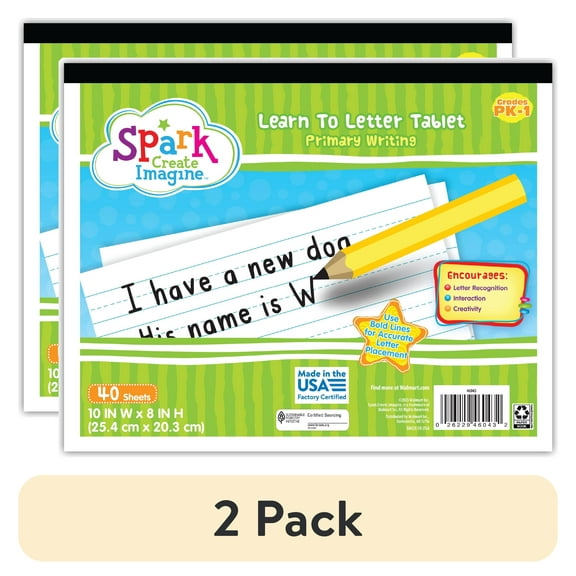
- You can use writing pages to practice letter formation, spacing, and sentence structure.
- You can use math resources to reinforce counting, fact practice, and problem-solving steps.
- You can use science and English materials to add vocabulary, themes, and cross-subject practice.
What to look for in teaching aids and material types
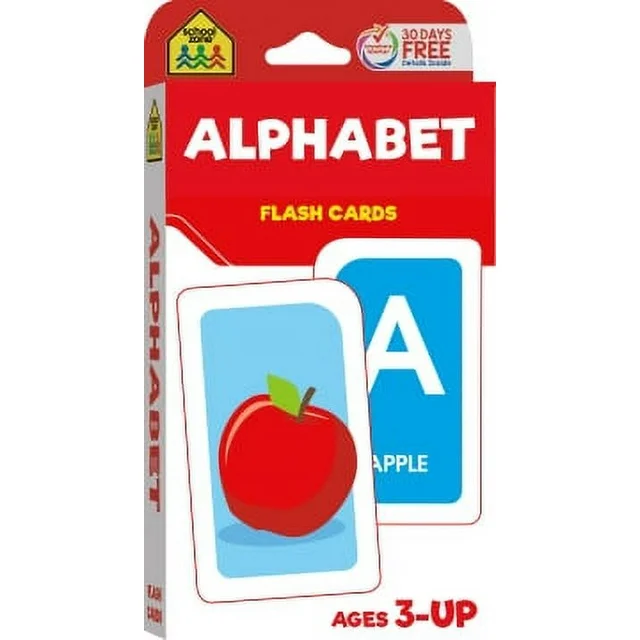
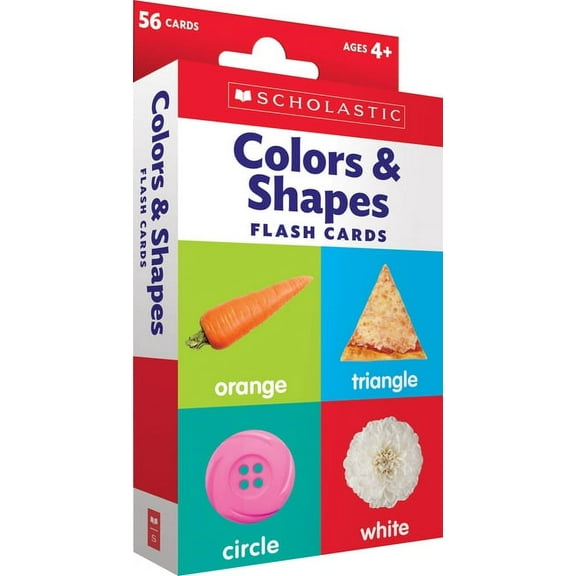
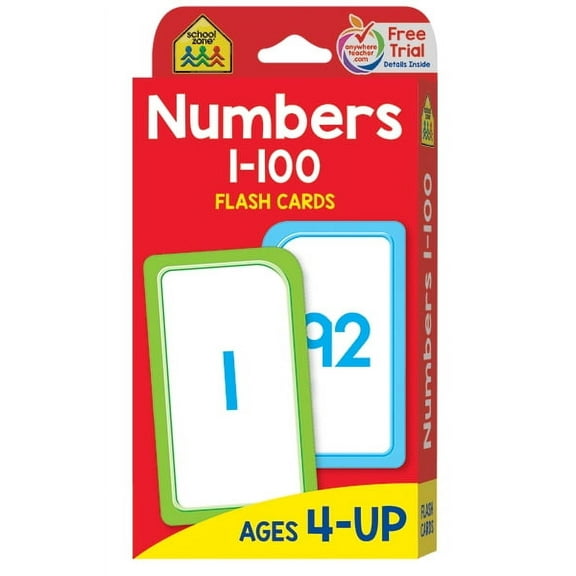
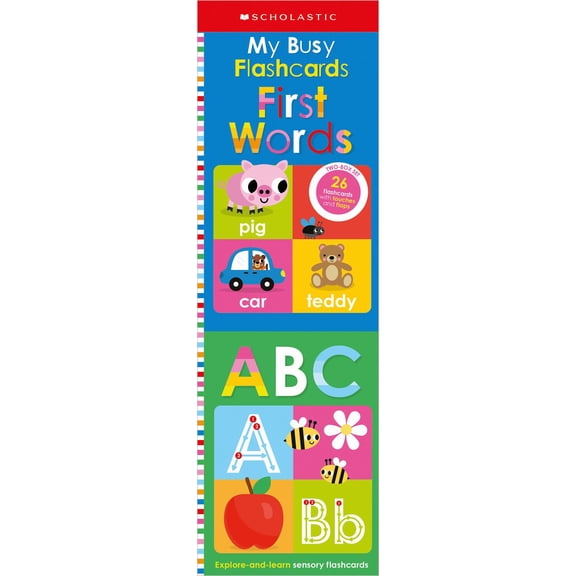
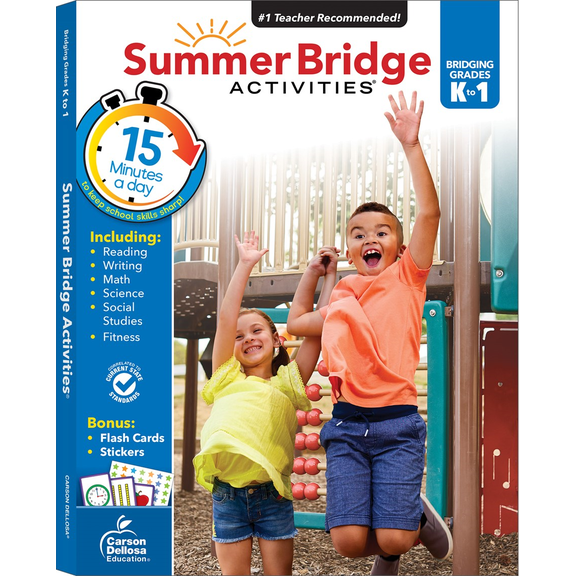
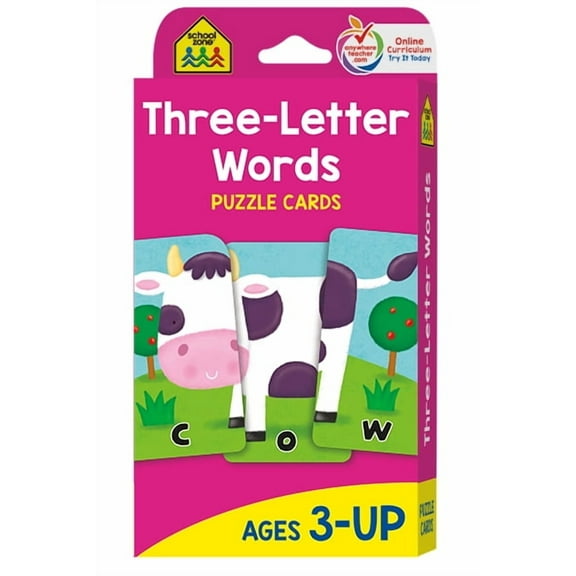
You should compare workbooks, flashcards, manipulatives, and posters because each format supports a different teaching style. You can use workbooks for structured practice, while flashcards support quick review during brief learning blocks.
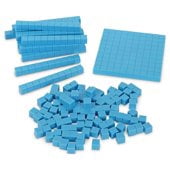
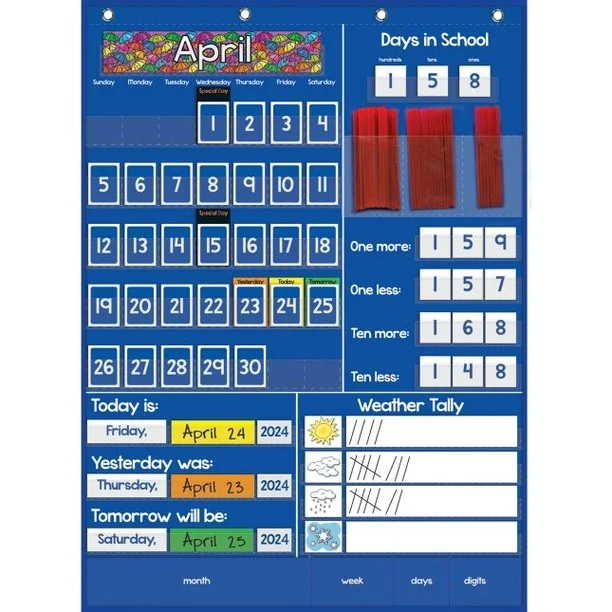
If you want hands-on lessons, you can consider manipulatives for counting, sorting, matching, and pattern work. If you need visible reminders, you can choose posters that keep letter sounds, number lines, or classroom routines in view.
You may also want to check whether pages are single-use, reusable, or easy to copy for repeated practice. You can match that format to your routine if you need morning work, centers, homework packets, or independent review.
Another useful decision is how much guidance appears on each page. You can compare answer spaces, visual cues, and examples to see whether your learner can work with little support.
Matching curriculum alignment to your routine
You can make confident choices when you check whether activities follow common first-grade skills taught across many schools. You should look for sequencing that moves from letter sounds to reading, or from counting to addition and place value.
If you homeschool, you may prefer materials that let you teach one subject deeply before moving on. If you follow a classroom routine, you may want resources that break practice into brief lessons with clear daily goals.
You can also compare how resources present directions, review, and new concepts across the week. You should look for a pace that supports steady repetition without making practice feel random.
Choosing for classroom, homeschool, or remote learning
You can narrow the category quickly when you think about where learning happens frequently. You may need different teaching aids for a busy classroom table, a homeschool desk, or a remote setup with parent support.
For classrooms, you can look for group-friendly formats like posters, flashcards, and quick-scan skill sheets. For homeschool use, you may want workbook sequences that support daily pacing and easy subject switching.
In remote learning, you can benefit from clear directions, brief activities, and pages that don't need constant setup. You should also consider storage, portability, and whether your learner can return to the same format each day.
When you match the format to the setting, you can create seamless transitions between reading time, writing practice, and math review. You can keep lessons consistent even when your schedule changes from day to day.
Using teaching aids for specific skill gaps
You can use this category to target common first-grade practice areas without building an entire lesson from scratch. You may focus on handwriting, sight words, reading comprehension, addition facts, or sentence formation based on current progress.
If your learner rushes through writing, you can choose pages with tracing, spacing practice, and brief-copy exercises. If reading needs support, you can compare decodable activities, simple passages, and question sets with clear directions.
You can also pair a 1st grade workbook with posters or flashcards for review before independent practice. You get a connected routine when the main lesson and follow-up activity reinforce the same skill.
With the right mix of grade level, subject matter, format, and setting, you can build a teaching routine that feels clear and manageable. You can choose resources that support steady first-grade progress across reading, writing, and math.