









Canoes in Paddling


















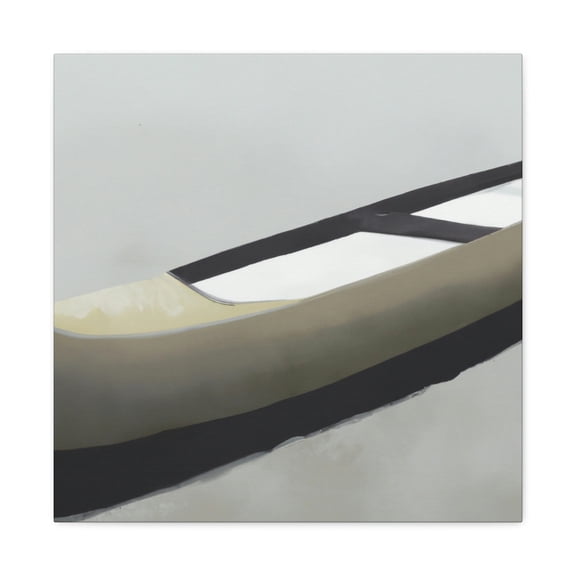

About Canoes in Paddling - Walmart.com
Canoes give you a quiet, gear-friendly way to explore lakes, rivers, and campsites with steady tracking and open storage. You can compare lengths, seating layouts, and hull shapes here, so your pick matches your water, crew, and hauling needs.
Choosing canoes by size and seating
Size changes how your canoe feels on the water and how much room you get for people and gear. You should compare length first, because it affects tracking, turning, and carrying capacity.
If you want a small canoe under 12 feet, you can get easier transport and simpler storage between trips. You may prefer that size when your launches are short, your waters are calm, or your paddling is solo.
When you choose a medium canoe from 12 to 16 feet, you balance speed, stability, and usable space. You may often find that range fits two paddlers, a cooler, and day-trip gear without feeling oversized.
Large canoes over 16 feet give you added room for family outings, camping loads, and longer touring routes. You can carry more packs and keep a steadier glide across open water with each stroke.
- You can choose 1-person seating when you want lighter handling and simpler loading.
- You can pick 2-person layouts for shared paddling and balanced tracking on weekend trips.
- You can consider 3-person or family-size options when your crew needs extra room for kids, tackle, or camping bags.
- You can check width and seat spacing, because your comfort depends on how easily you paddle and shift gear.
Understanding canoe prices and material choices
Canoe prices often reflect material, size, and intended use, so you should compare construction before you focus on shape details. You may usually notice that heavier builds favor durability, while lighter builds help with carrying and roof loading.
If you want inexpensive canoes for casual outings, you may often start with polyethylene construction. You get a rugged shell that handles docks, gravel launches, and frequent family use with less worry.
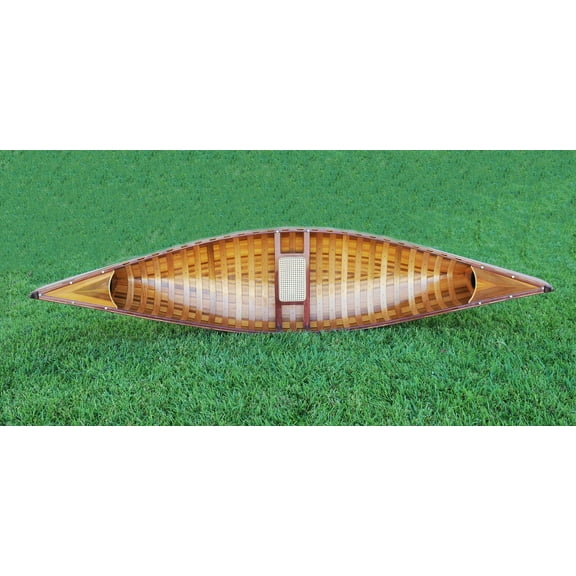
Fiberglass canoes can give you a lighter feel on portages and a smoother glide on longer trips. You may like fiberglass when your priority is easier carrying and more efficient touring strokes.
Aluminum canoes appeal to paddlers who want a familiar hard-shell build and simple upkeep over time. You can appreciate that material when your canoe spends time at cabins, camps, or repeated shoreline launches.
You may also compare aramid fiber when weight is a key factor on long carries between access points. You may usually see aramid fiber in lighter builds that help you lift, transport, and launch with less effort.
As you compare canoe price ranges, you should look at what your paddling routine demands each season. You can make a smarter choice when your material matches your transport method, storage space, and water conditions.
Comparing hull design for calm lakes and moving water
Hull shape changes how your canoe sits, turns, and tracks, so you should treat it as a key buying decision. You can feel those differences quickly when you paddle across flat water or guide through current.
A flat bottom gives you reassuring initial stability, which many recreational paddlers like on calm lakes and easy shore launches. You can step in, organize gear, and settle your seating with a steadier platform.
A shallow arch hull gives you a balanced feel between stability and smooth movement through the water. You may choose that design when you want all-around versatility for lakes, slow rivers, and mixed weekend trips.
A shallow V-bottom helps you track straighter, especially when you cover longer distances or paddle into light wind. You can benefit from that shape when touring routes matter more than quick turns near shore.
If your route includes gentle current, you should compare how much maneuvering you want at bends and crossings. You may often prefer a shape that matches your usual water, not just one-day conditions.
Matching canoes to recreational, fishing, touring, and expedition use
Your use case should guide every other choice, because canoe length, capacity, and hull shape work together on the water. You can narrow options faster when you know whether your trips are casual, gear-heavy, or mileage-focused.
For recreational paddling, you may often want easy entry, steady balance, and enough room for a cooler or dry bag. You can focus on medium lengths and stable hulls for relaxed afternoons on sheltered water.
If you’re choosing a fishing setup, you should look for open interior space and seating that leaves room for tackle boxes. You may also want stable hull geometry, because reaching for rods and nets changes your balance.
For touring, you may prefer a longer canoe that tracks efficiently over distance and carries camp gear neatly. You can pair that goal with lighter materials when your route includes loading, unloading, or short portages.
Expedition paddling asks for cargo room, dependable glide, and construction that fits repeated travel days. You should compare larger lengths and load capacity carefully, so your canoe handles food packs, shelter, and spare layers.
If you’ve searched for a small canoe or even a kanoo boat, you’re likely balancing transport convenience with paddling space. You can use those terms as a starting point, then compare exact dimensions and seat counts before deciding.
When you choose canoes with the right length, material, seating, and hull design, you set yourself up for steadier paddling and easier trip planning. You can feel that difference at launch, on the water, and during every carry back to your vehicle.