




Scoop Litter Box & Cat Litter Scoops - Walmart


































About Scoop Litter Box & Cat Litter Scoops - Walmart - Walmart.com
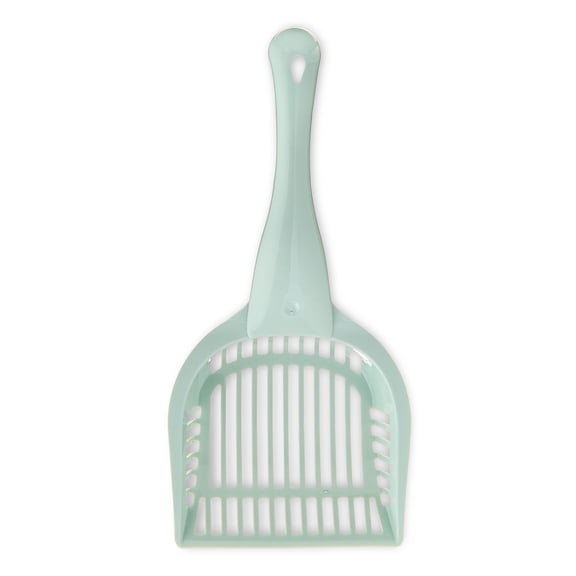
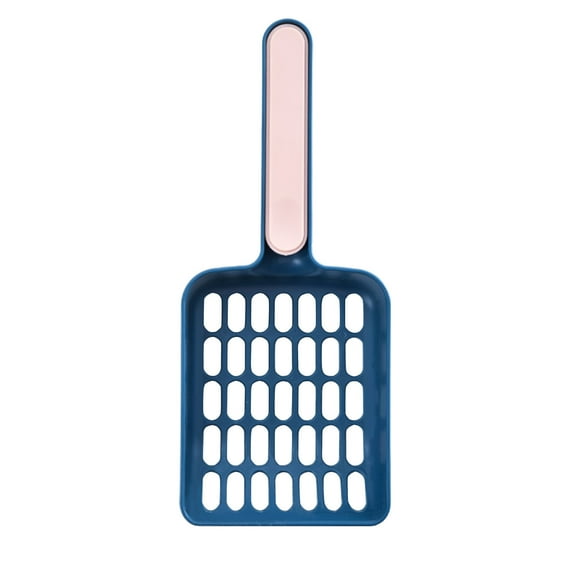
When you need to scoop litter box messes quickly, the right tool helps you sift quickly, lift heavy clumps, and keep cleanup simple. You can compare cat litter scoop styles by material, slot width, scoop depth, and handle design. This ensures your choice matches your litter and daily habits.
You may also want details that generic pet tools don't cover. You can use this guide to compare fine mesh sifters, deep litter shovel designs, and sturdy cat scooper options that fit different boxes.
Choosing the right scoop litter box tool
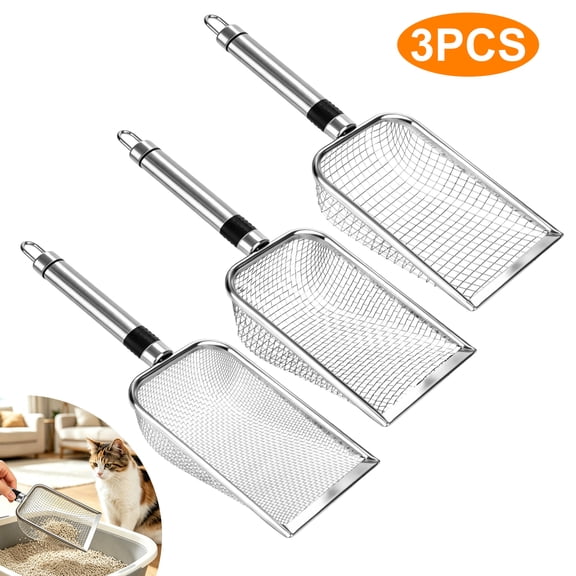
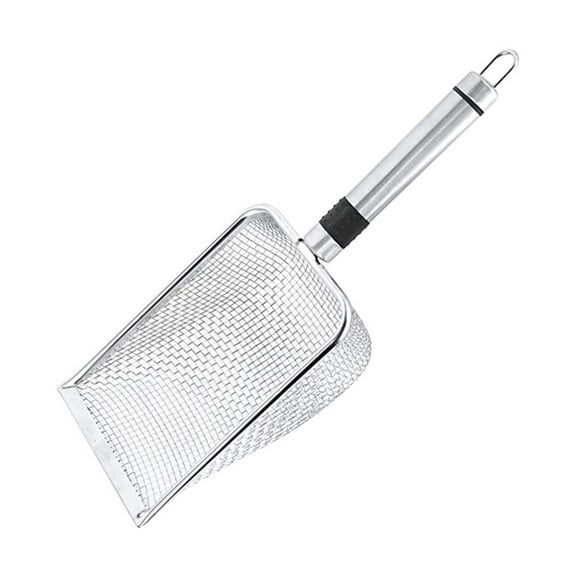
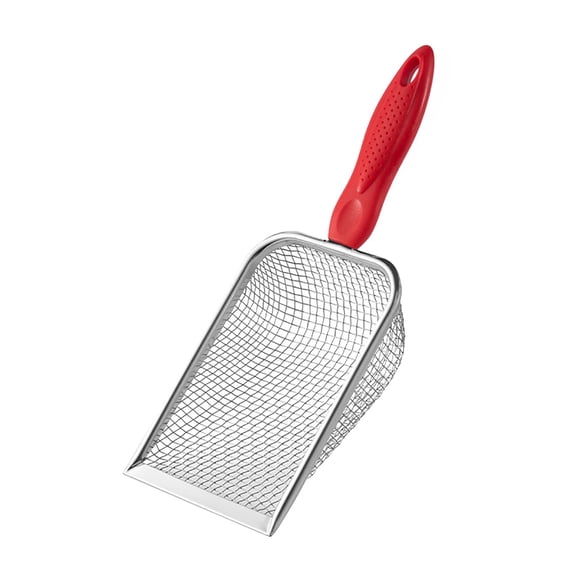
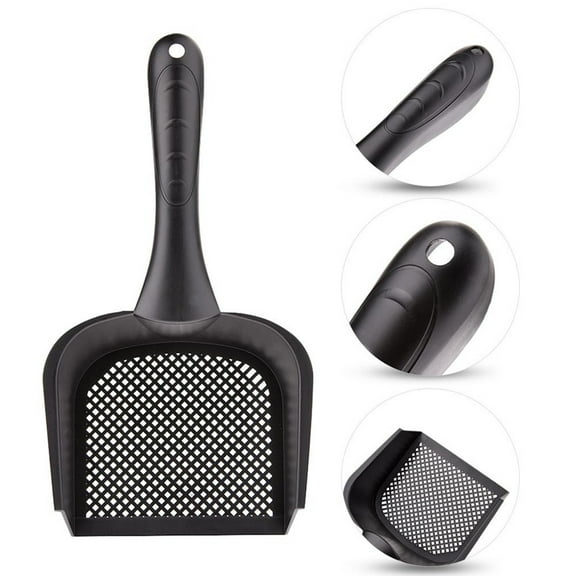
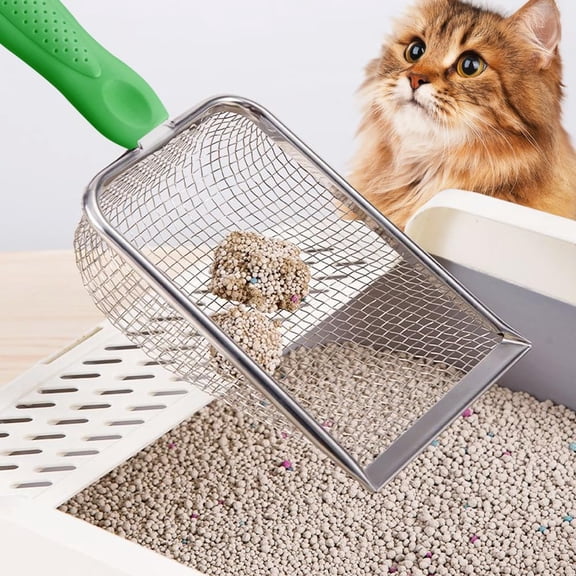
If you use fine clay litter, you should consider a fine mesh cat litter scoop with tighter spacing. You can catch smaller waste pieces while letting clean litter fall back into the box.
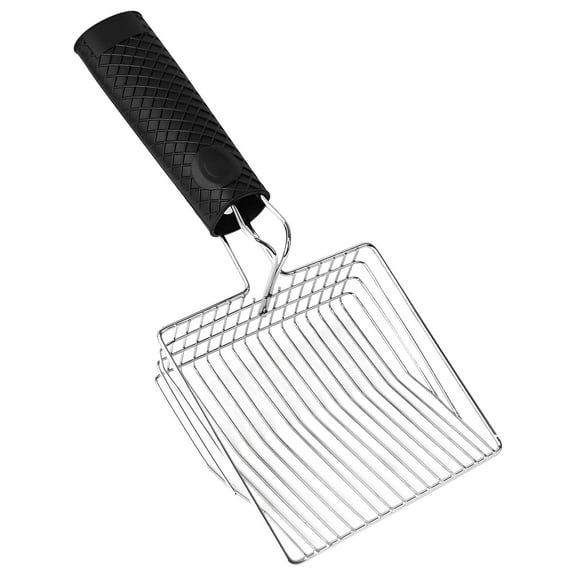
When you use pellet litter or larger granules, you may prefer standard slots or wide slots. You can move through the box quickly because larger openings release clean litter more easily.
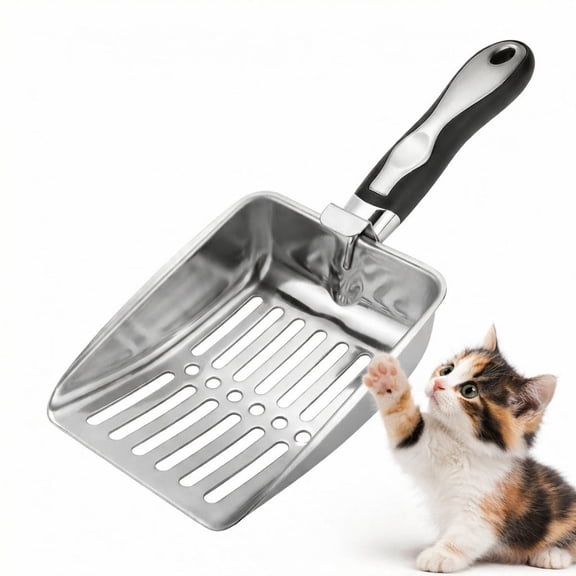
Material also shapes how your scoop feels during daily use. You can choose aluminum alloy, stainless steel, or reinforced plastic based on box size, clump weight, and cleaning frequency.
- You can use fine mesh styles for small-grain litter that needs tighter sifting.
- You can choose wide-slot designs for larger pellets and quicker passes.
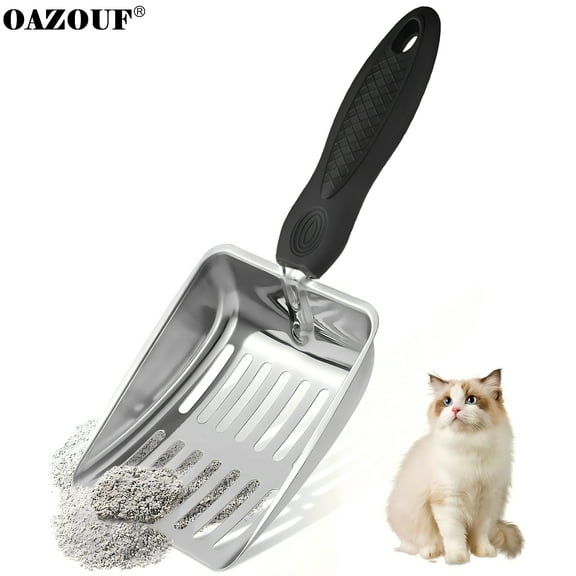
- You can pick deep shovel shapes when you want to lift heavier clumps in one motion.
- You can look for long handles or ergonomic rubber grips when you want steadier control.
How to compare a cat litter scoop by material
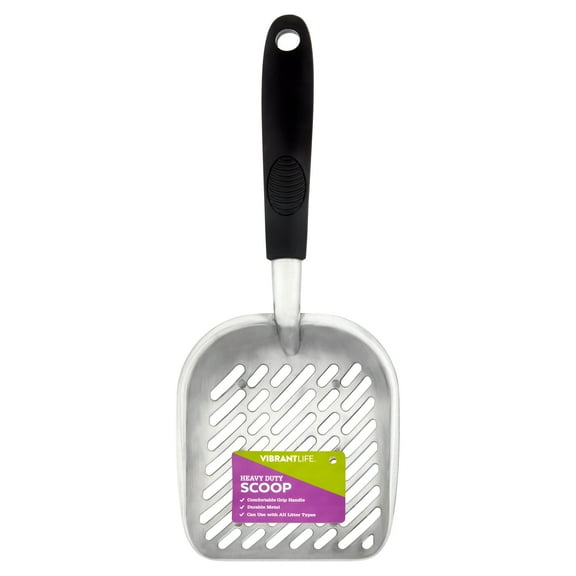
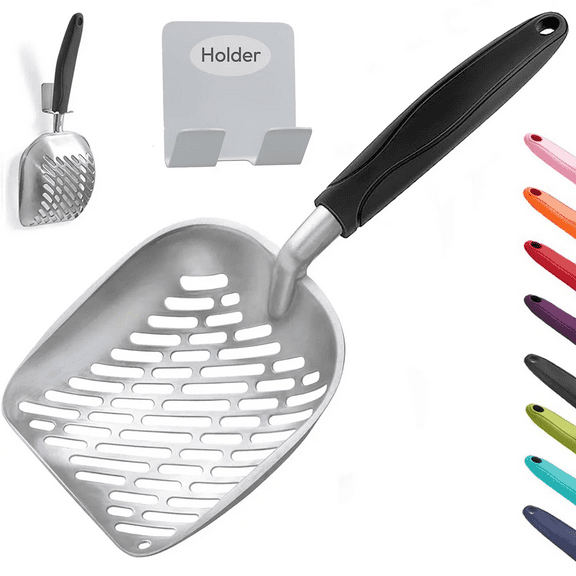
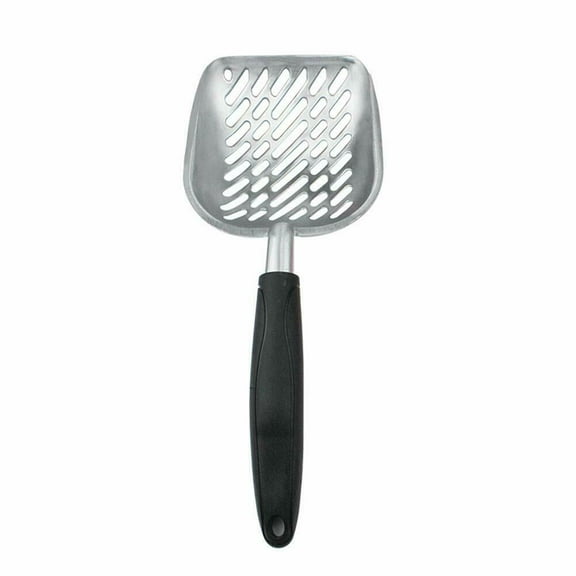
If your box forms dense clumps, you may want a heavy duty cat litter scoop made from aluminum alloy or stainless steel. You can expect a firmer feel when you lift heavier loads from the bottom of the pan.
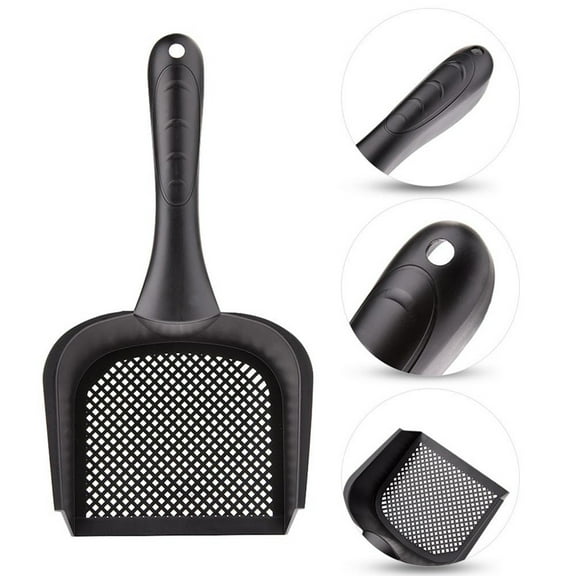
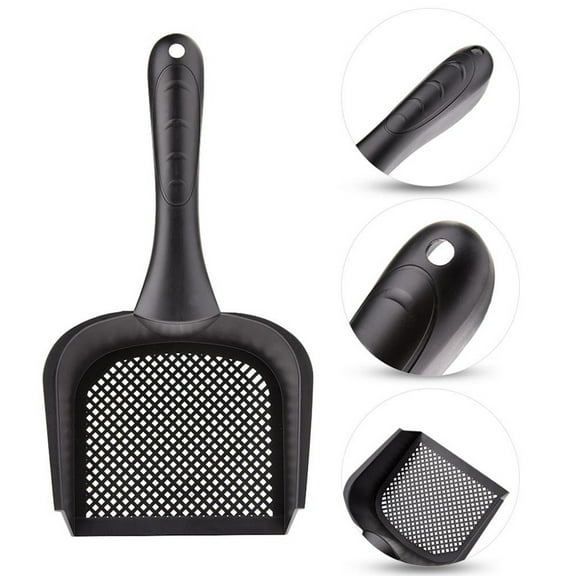
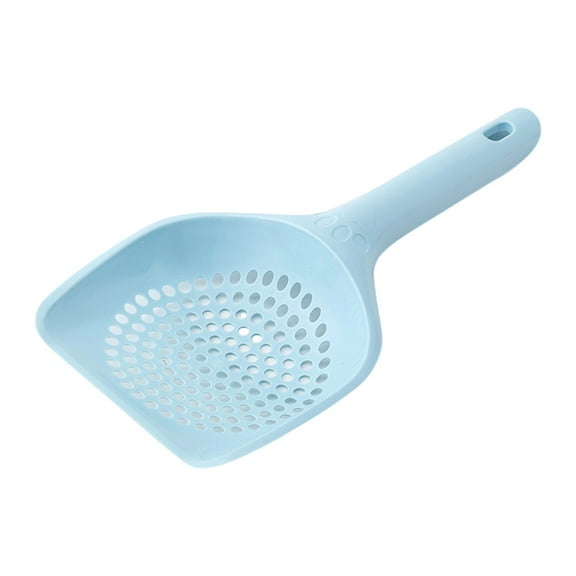
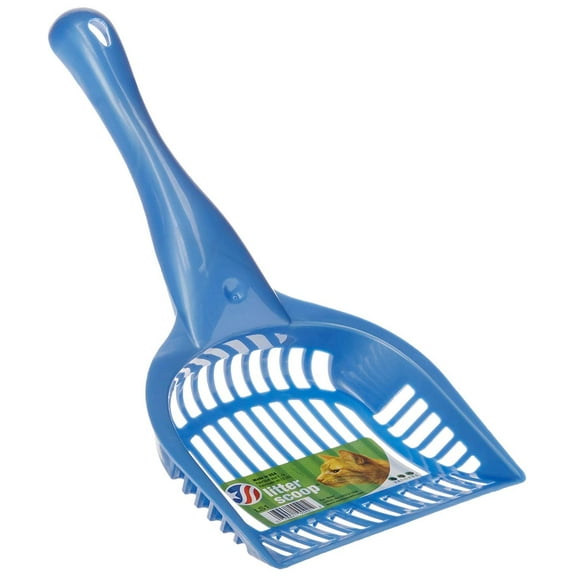
Reinforced plastic can work well when you want a lighter tool in your hand. You can move quickly through daily cleanups without the scoop feeling bulky during short sessions.
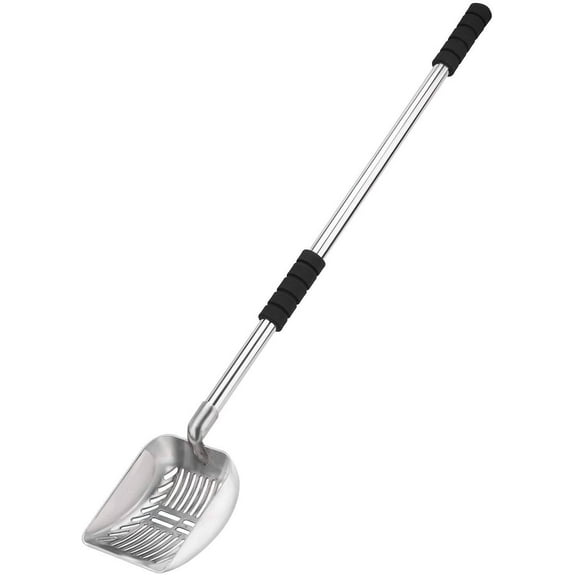
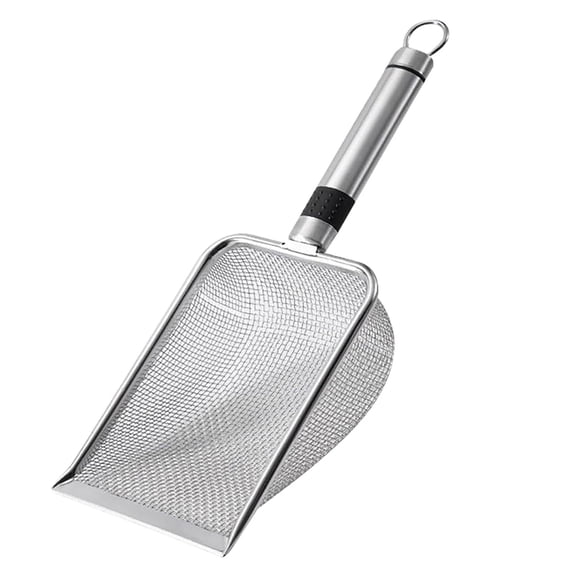
Stainless steel often appeals when you want a smooth surface that rinses clean easily. You can also check for a solid core handle when you want extra stiffness during repeated scooping.
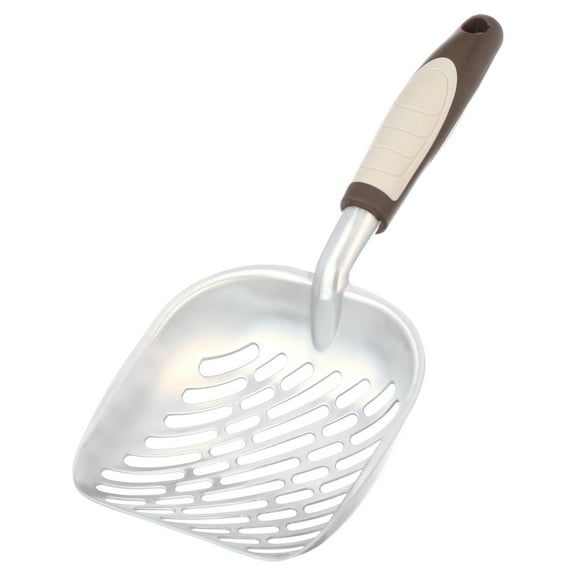
Aluminum alloy can feel lighter than steel while still offering dependable strength. You can balance easier handling with the support you want for larger clumps and deeper boxes.
Choosing slot width for your litter type
Slot width matters because your litter scoop should separate clean litter from waste without extra shaking. You can get clean passes when the opening size matches your litter grain.
If you use fine clay litter, a fine mesh cat litter scoop can help you hold smaller clumps together. You can reduce leftover crumbs that make the box look freshly stirred instead of fully cleaned.
If you use crystal litter or mixed granules, standard slots can offer a balanced sift. You can keep cleanup moving without clogging the basket or dropping large clumps too soon.
Wide slots often work well for pellet litter and larger pieces. You can avoid repeated tapping because the clean material falls through with less resistance.
You may also want to compare sifter spacing in millimeters when product details include it. You can use that measurement to match very fine grains or larger pellets more precisely.
Deciding between deep shovel and flat sifter designs
Scoop depth affects how quickly you finish each cleaning session. You can carry more litter per pass with a deep shovel, which helps in larger boxes or multi-cat setups.
A flat sifter can feel easier to slide under clumps that stick close to the pan floor. You can use that shape when you want a thinner edge for scraping and lifting.
If your box has high sides, you may prefer a narrower deep shovel that reaches corners well. You can clear edges and back walls without turning your wrist awkwardly.
When you clean smaller pans, a flatter litter shovel may feel easier to maneuver. You can make controlled passes without overfilling the scoop on every lift.
What to look for in handle ergonomics and cleanup details
Handle design affects comfort, control, and storage. You can compare ergonomic rubber grip styles, long handles, and solid core builds based on how your scoop feels in your hand.
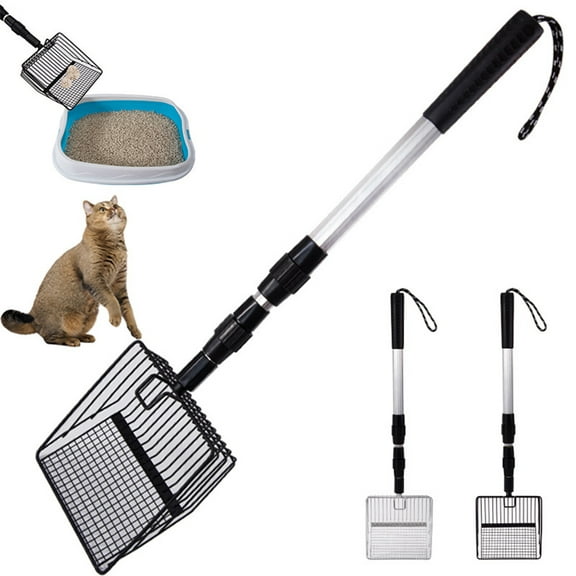
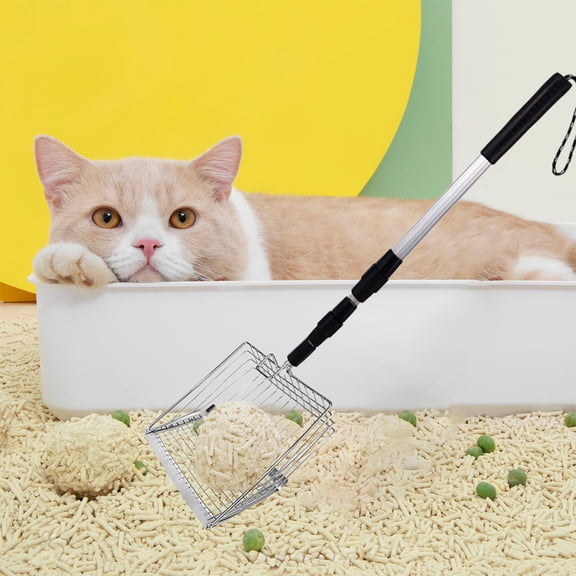
A long handle can help you reach deeper boxes with less bending over the pan. You can also keep more distance between your hand and the litter during quick daily cleanings.
An ergonomic rubber grip can feel steadier when your hands are wet from rinsing. You can keep a secure hold while lifting heavier clumps or scraping along the bottom.
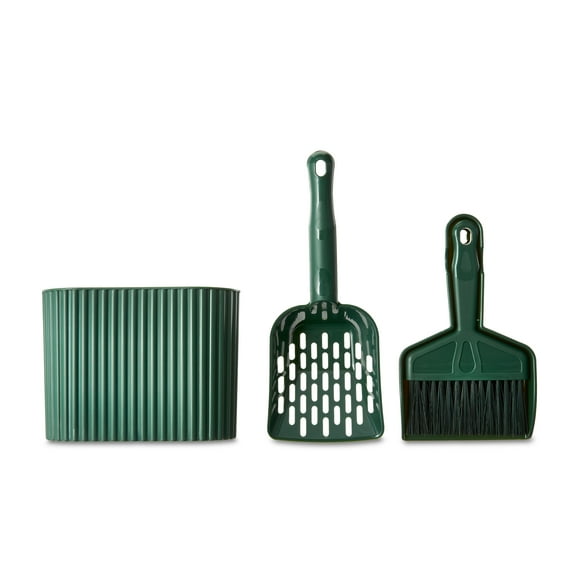
You may also look for easy-rinse finishes, hanging hooks, or holders. You can keep the scoop cleaner between uses and store it neatly beside the litter box area.
When a cat scooper style is highly practical
If you clean once or twice a day, you may want a cat litter scoop that balances speed and control. You can pair standard slots with reinforced plastic for lighter, routine maintenance.
If you manage a larger box or multiple cats, you may lean toward a cat poop scooper with a deeper basket. You can remove larger clumps in fewer passes and finish the task quickly.
For fine-grain litter, you may want a mesh litter scoop that catches smaller pieces cleanly. You can keep more usable litter in the box instead of tossing excess with each scoop.
If stubborn clumps are part of your routine, a heavy duty cat litter scoop with a solid handle can help. You can scrape, lift, and sift with a steadier feel from start to finish.
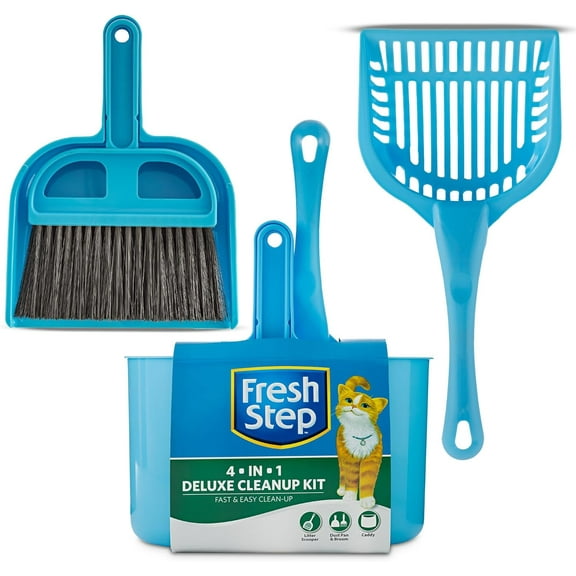
You can also pair your scoop with cat litter boxes, cat litter, and litter box mats for a more organized setup. You can create a cleanup area that feels quicker to maintain each day.
With the right scoop litter box tool, you can match sifter size, basket shape, and handle strength to your litter type. You can make each cleaning pass more efficient and leave less usable litter behind.