

Liquid Foundation & Liquid Makeup | Walmart
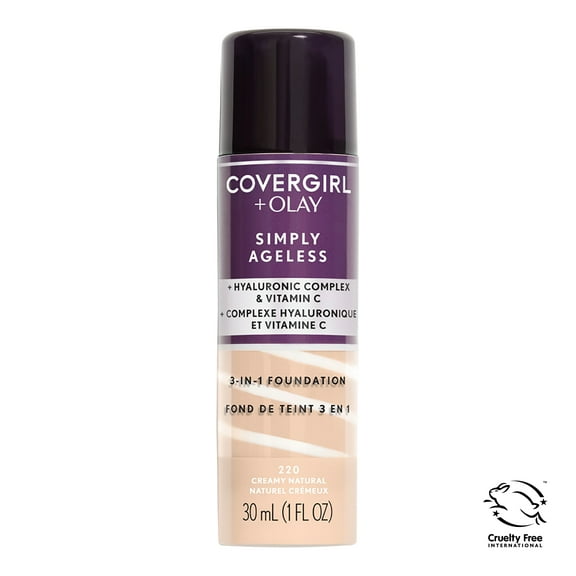


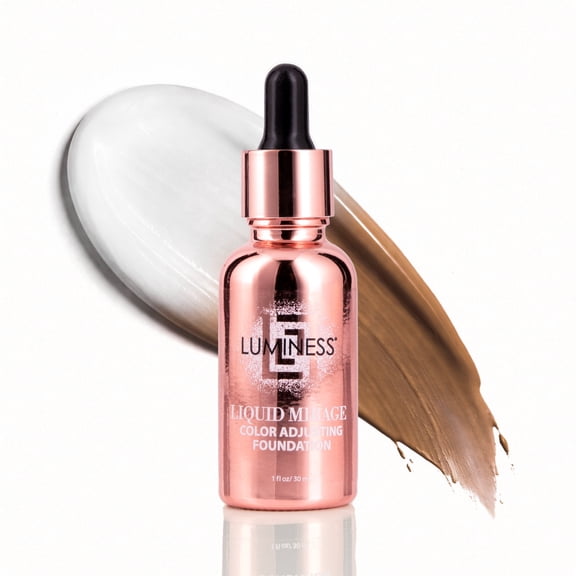
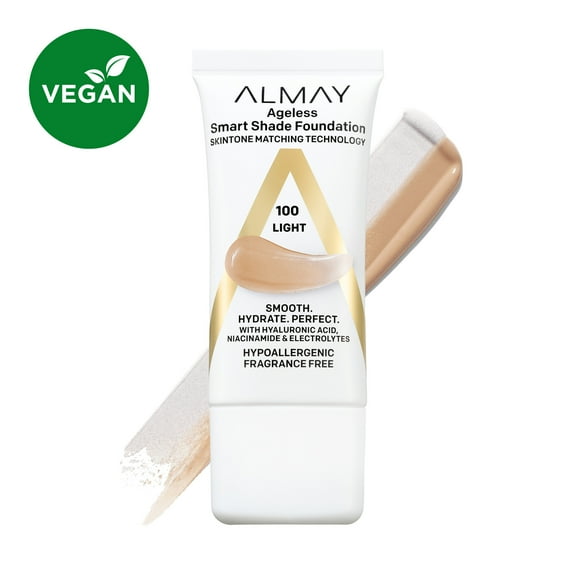
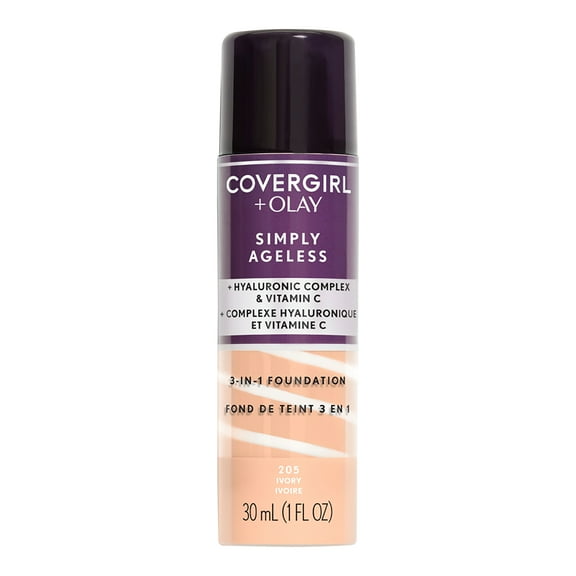




















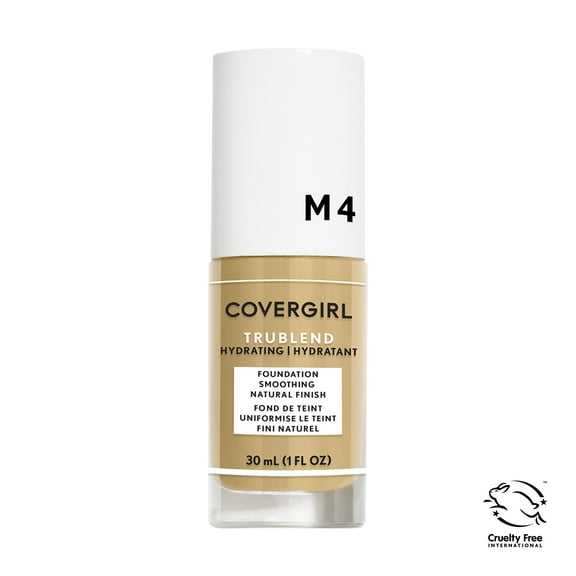


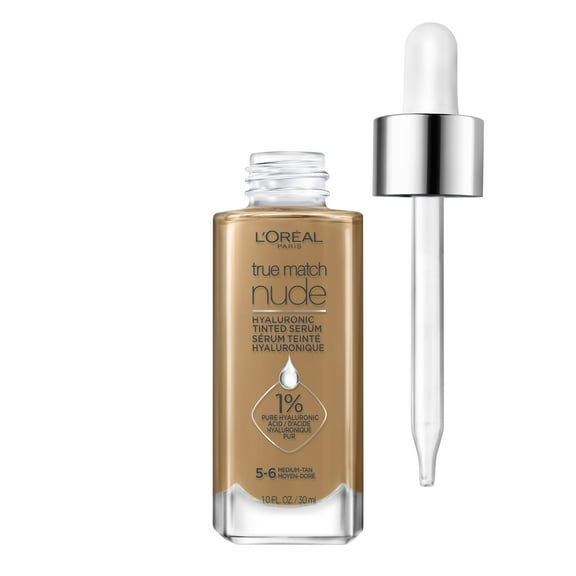


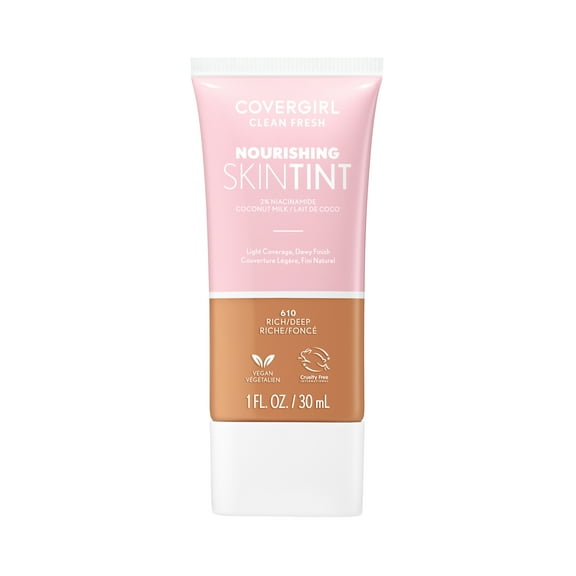


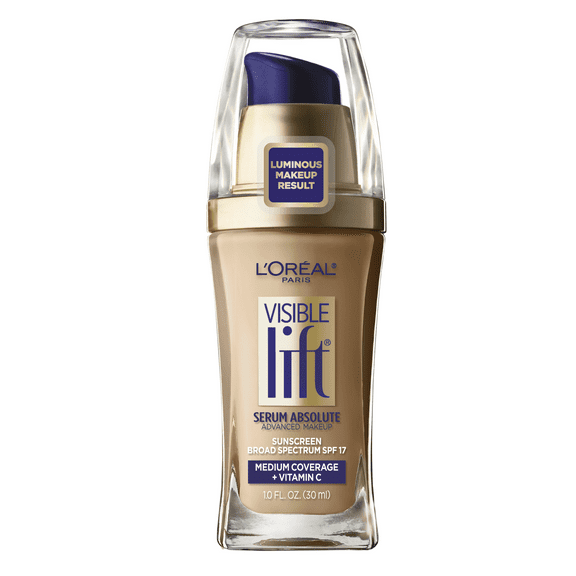


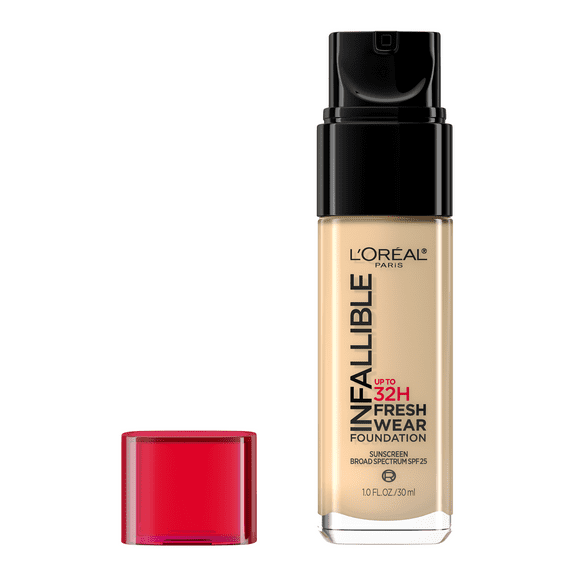


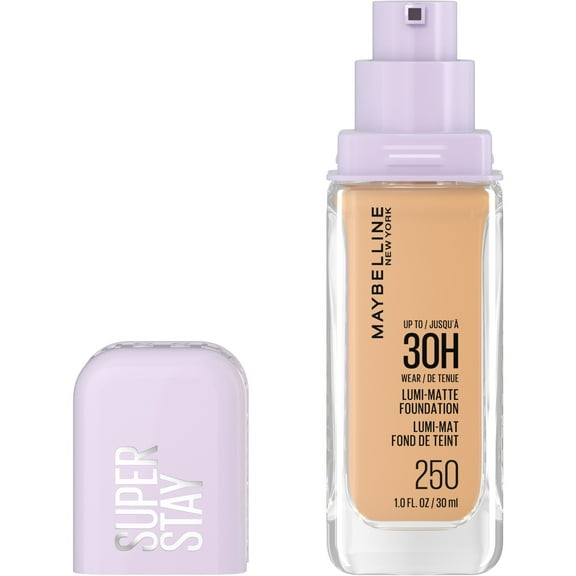




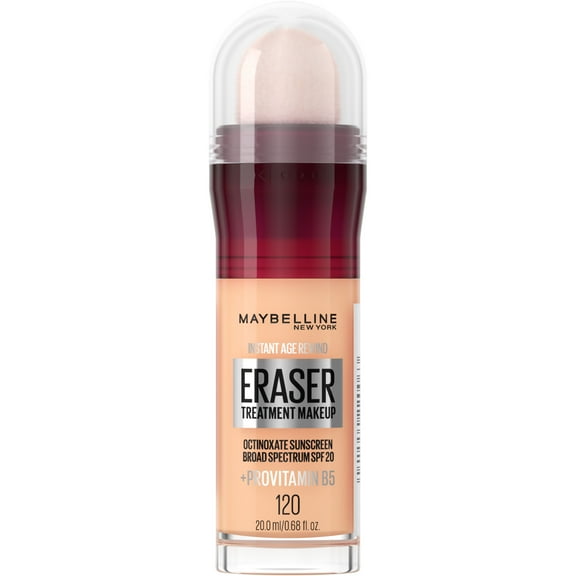


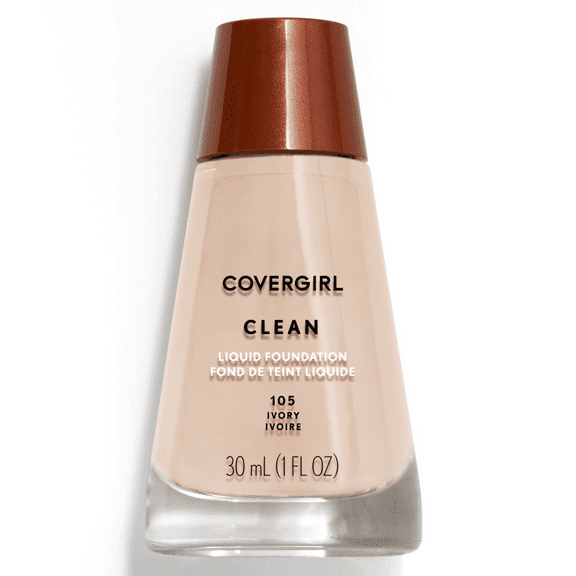


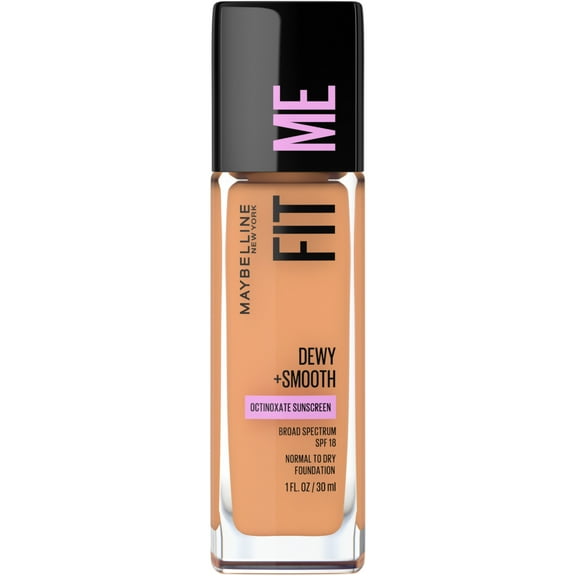


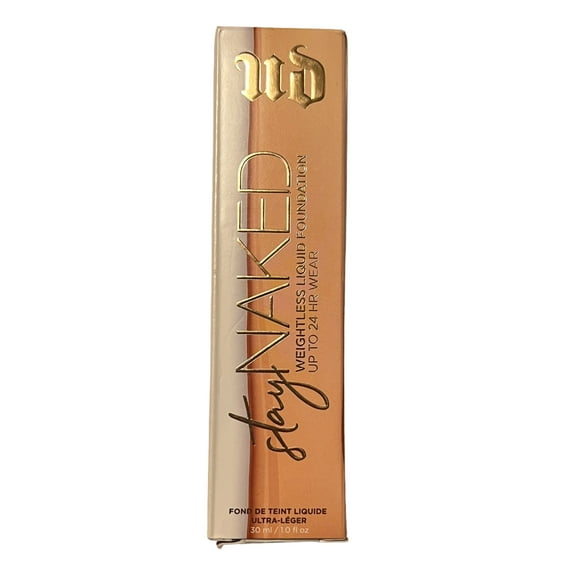


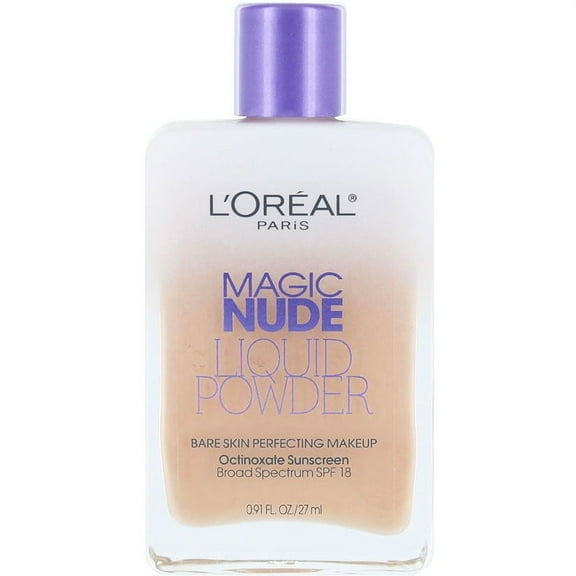














About Liquid Foundation & Liquid Makeup | Walmart - Walmart.com
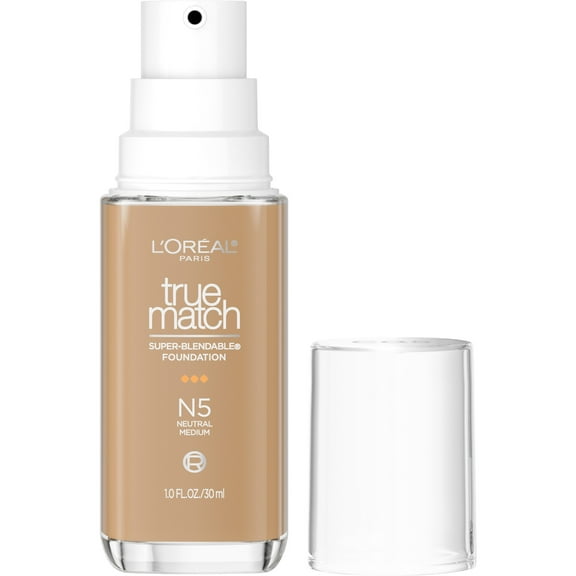
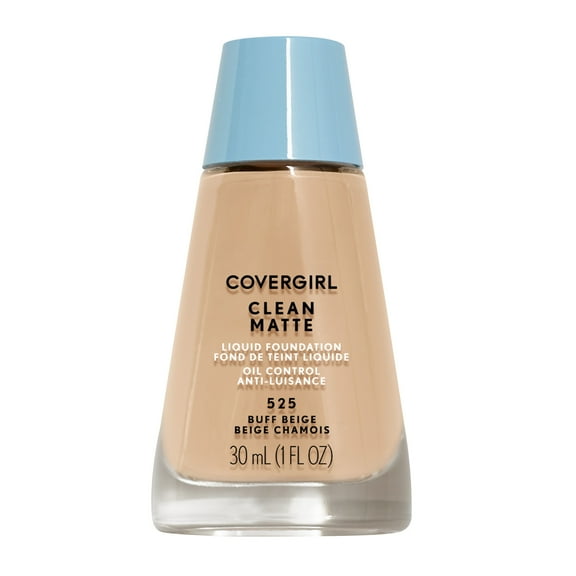
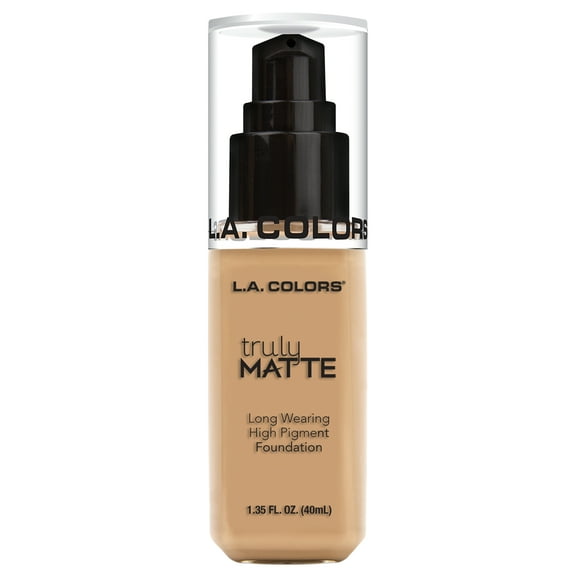
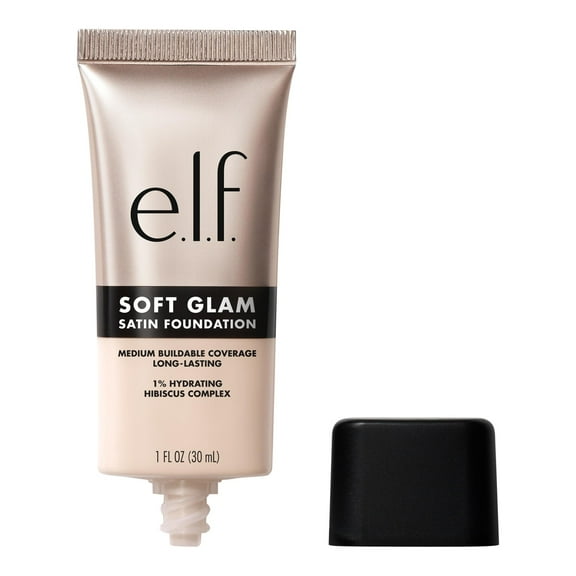
Liquid foundation helps you even out your complexion with blendable coverage and finish options that match your skin type. You can compare coverage, finish, formula, and undertone so your makeup looks smooth in daylight.
Choosing liquid foundation by coverage
You should start with coverage because it shapes how much of your natural skin you want to show. You can choose sheer coverage for a light veil, medium coverage for balance, or fuller options for a more polished look.
When you compare coverage levels, you’ll notice that buildable formulas give you more control with each layer. You can keep your look soft for daytime or add more product where you want extra evening out.
- You can use sheer coverage when you want a natural look that still helps tone appear more even.
- You can choose medium coverage when you want flexibility for workdays, weekends, and quick touchups.
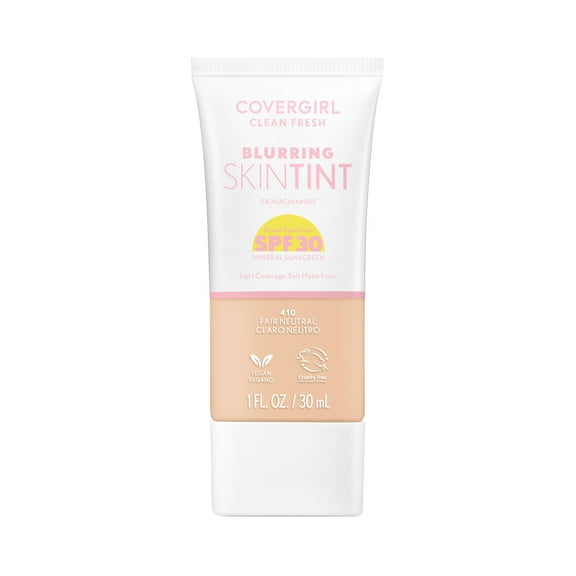
- You can look for full coverage liquid foundation when you want more noticeable coverage in fewer layers.
Coverage also affects how your other face products sit on top. You’ll usually find that the right level helps your concealer, blush, and powder blend more evenly.
Comparing matte liquid foundation and dewy liquid foundation
You should compare finish next because it changes how your skin looks throughout the day. You can choose matte, dewy, satin, or natural finishes based on the effect you want.
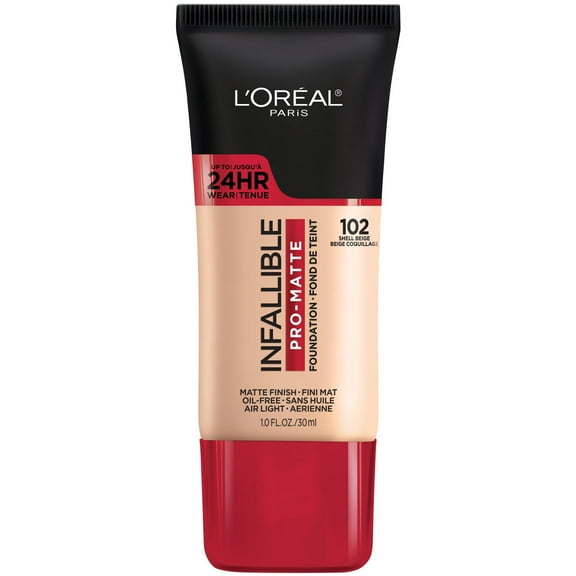
If you prefer a shine-controlled look, you may reach for matte liquid foundation with a soft-focus appearance. If you like a fresh glow, you may prefer dewy liquid foundation that reflects more light.
Satin and natural finishes give you a middle ground when you want skin to look balanced. You can wear these finishes when you want coverage that doesn’t look too flat or too radiant.
Your finish choice also matters under different lighting conditions. You may notice matte styles look more velvety in photos, while dewy options can make your makeup appear more luminous.
Matching liquid foundation to your skin type
You’ll want to match your formula to your skin type before you choose a shade. You can make your routine easier when your foundation texture fits how your skin usually behaves.
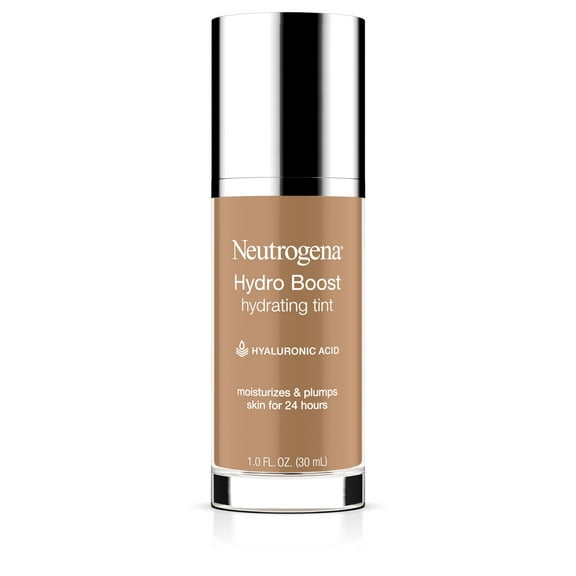
If you’re shopping for liquid foundation for dry skin, you may look for hydrating formulas with a smoother, more flexible feel. You can often pair that choice with dewy or satin finishes for a fresher appearance.
If your skin gets shiny, you may prefer oil free liquid foundation or other lightweight options. You can also look for non-comedogenic formulas, which usually means the texture feels less heavy on skin.
When you have combination skin, you may want medium coverage with a natural finish for balance. If your skin feels reactive, you may prefer simple formula types and lighter textures you can layer gradually.
- You can consider hydrating formulas when your skin often looks dull or feels tight after cleansing.
- You can compare oil-free and non-comedogenic options when you want a lighter-feeling base.
- You can check finish and coverage together because those choices affect how comfortable your makeup feels.
Understanding formula types and wear
You should also compare water-based and silicone-based formulas before you commit to a product. You can often get smoother application when your primer and foundation use similar base types.
Water-based formulas can feel lighter and more fluid during application. Silicone-based formulas can help your makeup glide across texture and create a more blurred look.
You’ll also want to think about how you apply your foundation each day. You can use fingers for quick blending, a sponge for a softer finish, or a brush for more targeted coverage.
Your setting routine can influence the final result just as much as the formula itself. You can keep a dewy look with light powder placement, or keep matte coverage with more powder through oily areas.
Finding your shade and undertone
You should choose your undertone as carefully as you choose your depth. You can usually narrow your match by deciding whether your skin looks cool, warm, or neutral.
Cool undertones often lean pink, red, or rosy in appearance. Warm undertones often look golden, peach, or yellow, while neutral undertones can sit between those ranges.
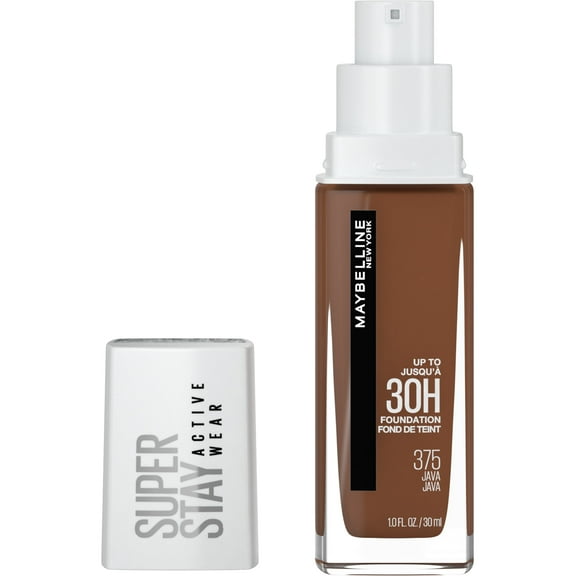
You may get a closer match when you compare shade names with undertone labels instead of depth alone. You can also check how your foundation looks along your jawline in natural light.
Your shade match should blend into your face and neck without leaving an obvious line. You’ll usually get a more natural result when your undertone and finish work together.
How to choose liquid foundation for everyday use
You can simplify your decision by matching coverage, finish, skin type, and formula in that order. You’ll create a routine that feels easier when each choice supports how you actually wear makeup.
For quick mornings, you may want medium coverage with a natural finish and easy blending. For longer events, you may prefer fuller coverage, a matched undertone, and a formula that layers smoothly with primer and powder.
You can feel more confident choosing liquid foundation when you know what each option means in practice. Your final pick can give you a more even, comfortable look that fits your day.