


Small Lightweight Tents & Backpacking Tents | Walmart































About Small Lightweight Tents & Backpacking Tents | Walmart - Walmart.com
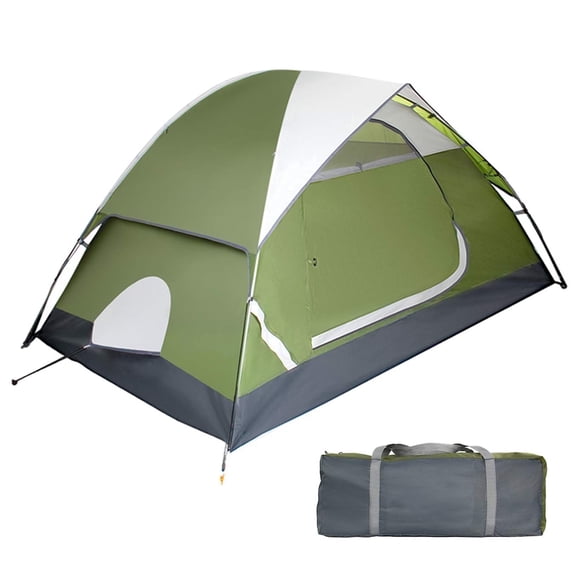
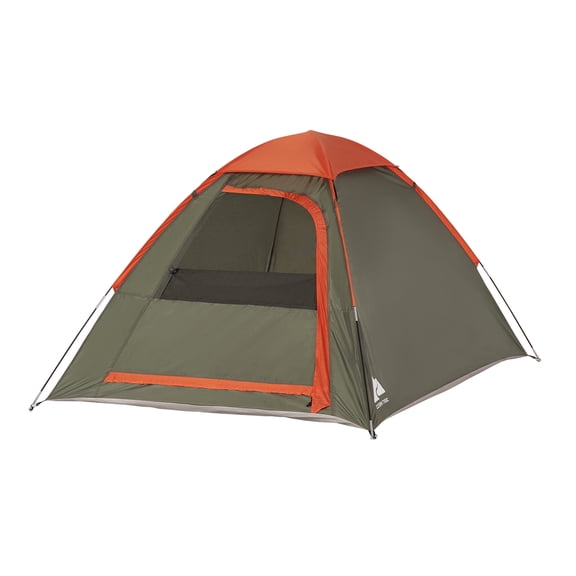
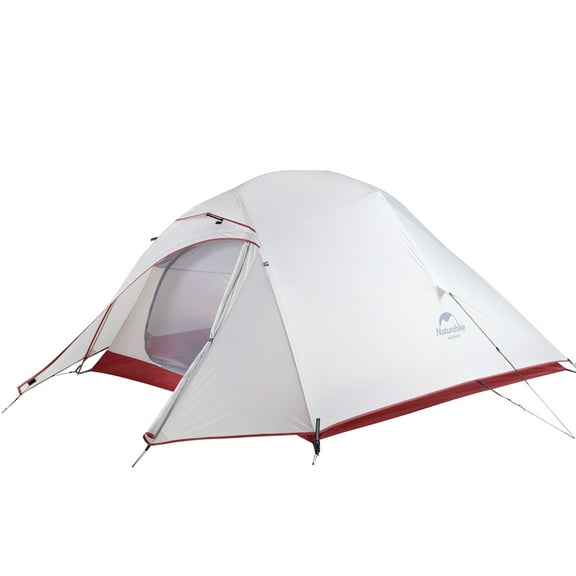
Backpacking tents help you cut pack weight without giving up dependable shelter on the trail. You can compare trail weight, season rating, capacity, and setup style to match your route and camp routine.
How to choose backpacking tents
When you compare backpacking tents, you should start with the tradeoff between interior room and trail weight. You'll want a shelter that feels manageable in your pack and comfortable after long miles.
Trail weight usually covers the tent body, rainfly, and poles you carry on the hike. Packaged weight includes extras, so you should check both numbers before you commit.
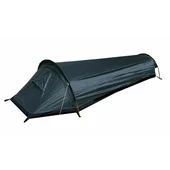
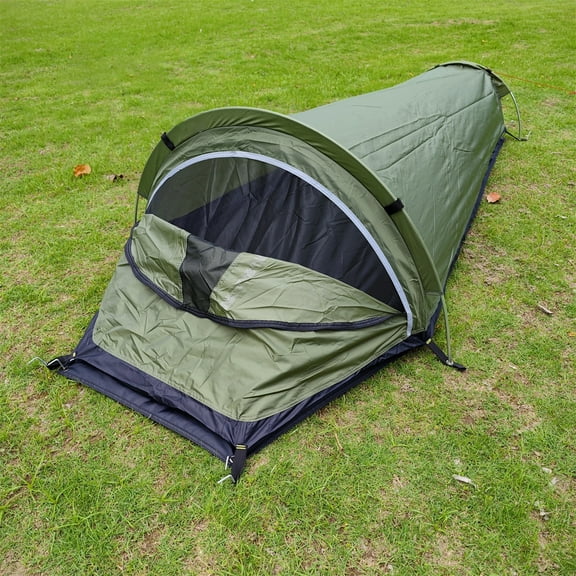
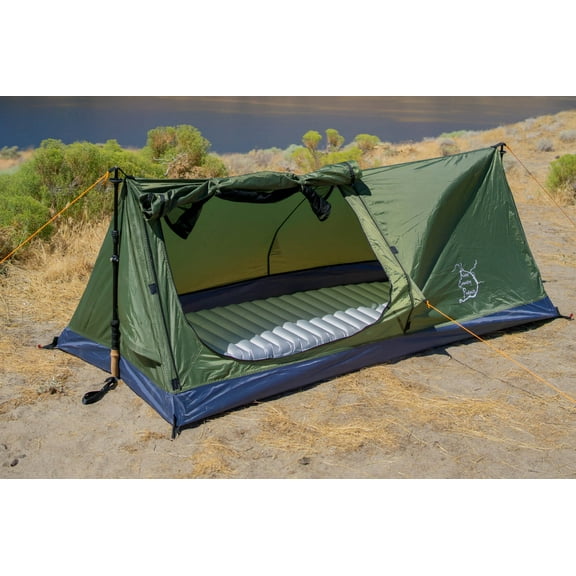
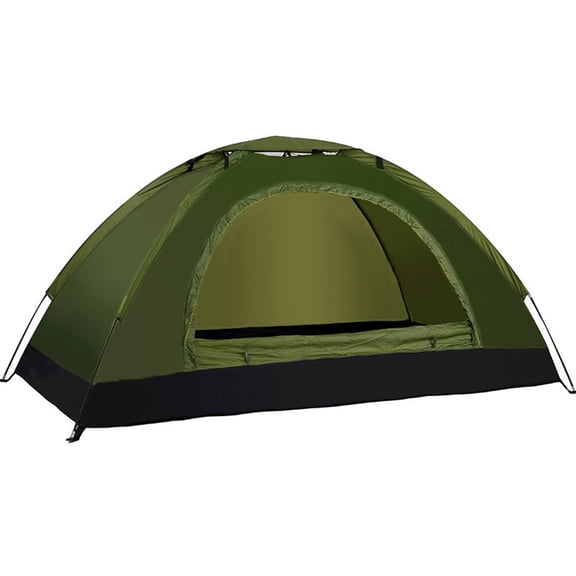
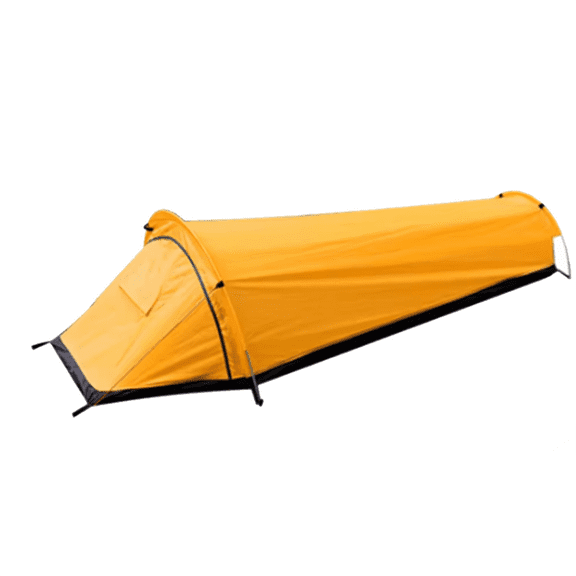
Capacity also changes your experience more than many shoppers expect. You may prefer 1 person backpacking tents for solo trips, while 2 person backpacking tents can give you extra elbow room.
- You can trim ounces with ultralight backpacking tents for longer routes and fast-moving weekends.
- You can gain more interior space by moving from a one-person layout to a two-person or three-person design.
- You can match weather coverage to your season with 3 season backpacking tents or 4 season backpacking tents.
- You can simplify camp setup by comparing freestanding backpacking tents with semi-freestanding and tarp tent styles.
Choosing capacity and weight class
You should compare capacity first because sleeping width, gear storage, and headroom affect your night on the trail. You'll often notice that higher capacity adds ounces, so balancing space and load matters.
If you hike solo, you may choose a one-person shelter to keep your base weight lower. If you want extra room for a pad, pack, or dog, you might size up.
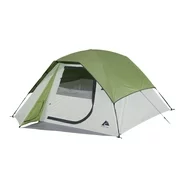
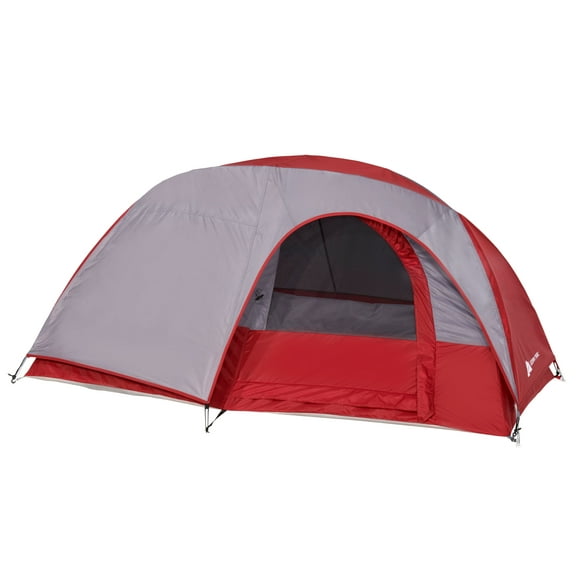
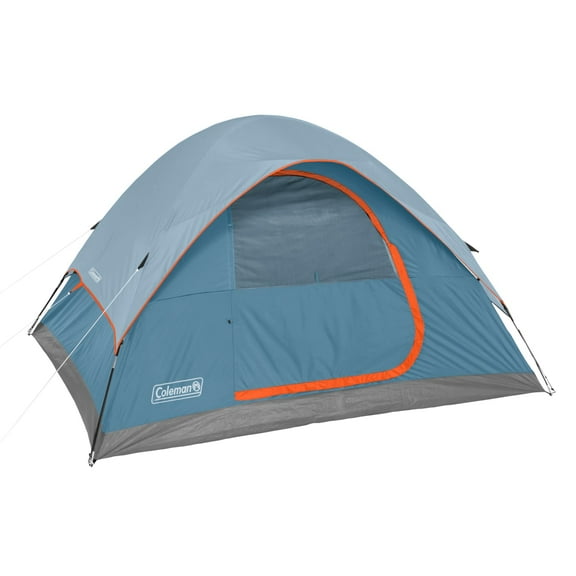
For pairs, 2 person backpacking tents can give you shared shelter without pushing bulk too far. If you need more space for family trips, you can also compare three-person and four-person options.
Weight class tells you how the tent may feel over repeated miles. You should look at ultralight, lightweight, and standardweight options with your route length and comfort goals in mind.
Ultralight backpacking tents can appeal when you want fewer pounds on steep climbs or multi-day treks. Lightweight tents for backpacking can balance easier carrying with a little more room or structure.
You should also check denier ratings on the floor and fly fabric. Lower denier fabrics can reduce pack weight, while higher denier materials can feel sturdier during repeated campsite use.
Comparing seasonality and weather coverage
You should pick your season rating based on where and when you camp frequently. A tent that fits summer trails may not match shoulder-season wind, colder nights, or exposed campsites.
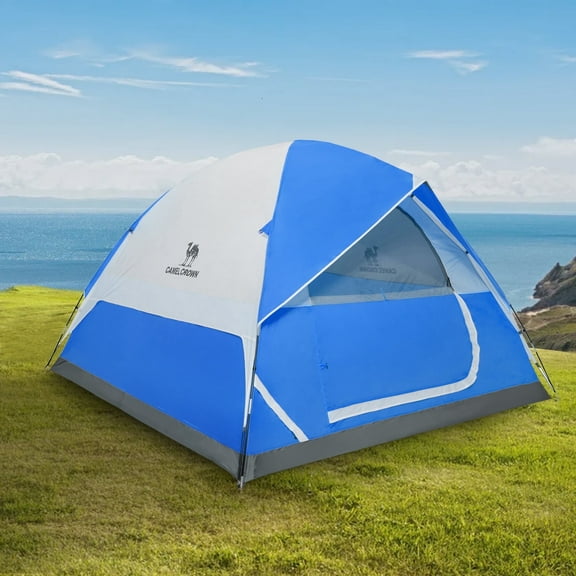
3 season backpacking tents usually fit spring, summer, and fall trips with a balance of airflow and rain coverage. You'll often find mesh panels, bathtub floors, and rainflies that support versatile trail use.
When you expect rougher weather, you may compare 4 season backpacking tents with stronger pole structures and more fabric coverage. You'll typically trade extra ounces for added stability and reduced drafts.
Some shoppers also look at all-weather options for broad trip planning. You should still compare vents, vestibules, and pole architecture because labels alone don't tell the whole story.
Ventilation matters because your comfort often depends on managing interior moisture. You'll want to compare double-wall and single-wall designs based on airflow, setup preference, and packed size.
Double-wall tents use an inner body and separate fly, which can help you manage condensation during changing weather. Single-wall shelters can cut weight, and you should check vent placement carefully.
Evaluating setup style and interior features
You should think about setup style before your trip, especially if you reach camp late or pitch on uneven ground. Freestanding backpacking tents can be easier to move and reposition before staking.
Semi-freestanding designs can reduce weight while keeping some structure for easier setup. Tarp tent styles can trim ounces further, and you should confirm whether you need trekking poles.
If you already hike with poles, a trekking-pole pitch may make sense for your loadout. If you want a familiar setup, you may prefer pole-based shelters with color-coded attachments.
You should also compare vestibule space, door count, and peak height. These details affect how easily you store boots, change layers, and move around inside after dark.
Floor dimensions matter because sleeping pad widths vary. You should measure your pad and compare tent floor taper so your sleep setup fits without crowding your gear.
Packed size can matter just as much as total ounces. You'll want a tent that fits your backpack vertically or horizontally without making the rest of your gear harder to organize.
Matching backpacking tents to your trip
You can narrow backpacking tents quickly when you match features to the trip ahead. A solo overnight may call for a compact shelter, while a longer route may reward more livable space.
For thru-hike style mileage, you may focus on ultralight backpacking tents with small packed size and fast setup. You'll likely care more about carried weight when every ounce adds up.
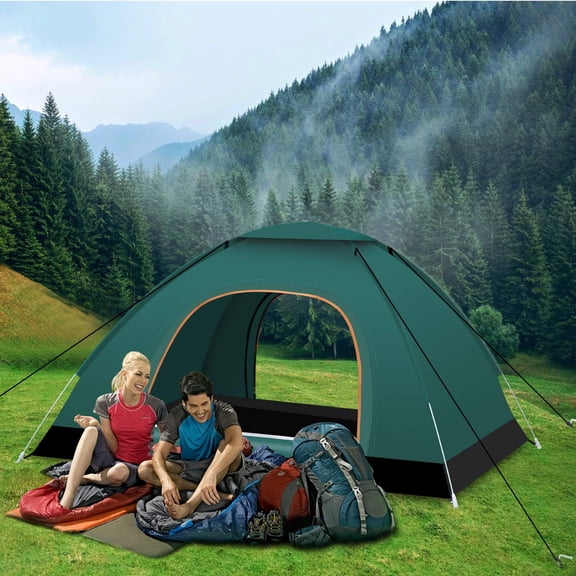
For weekend loops with a partner, you might compare 2 person backpacking tents with two doors and two vestibules. You'll appreciate easier entry and gear storage when camp space feels tight.
For shoulder-season ridgelines, you should consider stronger poles, fuller fly coverage, and reduced mesh exposure. You'll get a setup that aligns closely with colder wind and variable forecasts.
If you camp at mixed sites, freestanding designs can work well on platforms, compacted soil, or rocky ground. You won't rely as heavily on perfect stake placement to hold the shape.
When low pack weight matters but flexibility still counts, lightweight tents for backpacking can be a practical middle ground. You'll get trail-ready shelter with decision points that fit how you actually camp.
You can shop with more clarity when you compare weight class, capacity, seasonality, and setup style together. Your tent choice can feel more dialed in for miles, camp comfort, and easier nights outdoors.