



Kites in Sports Toys













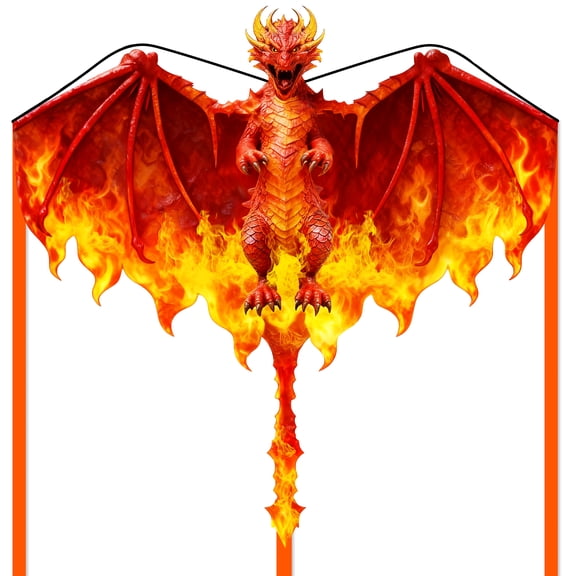


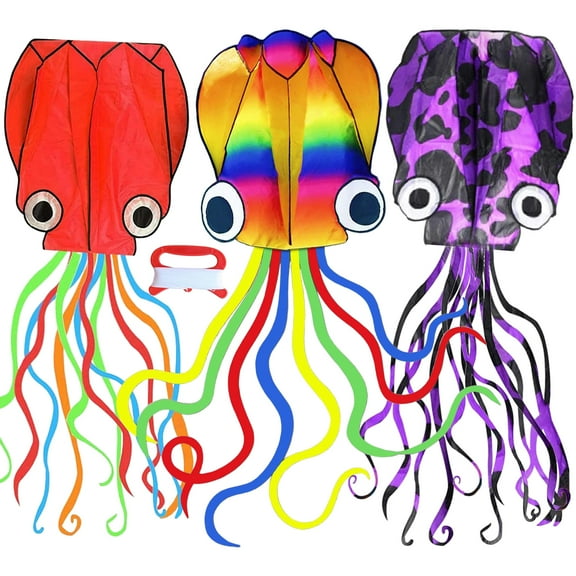


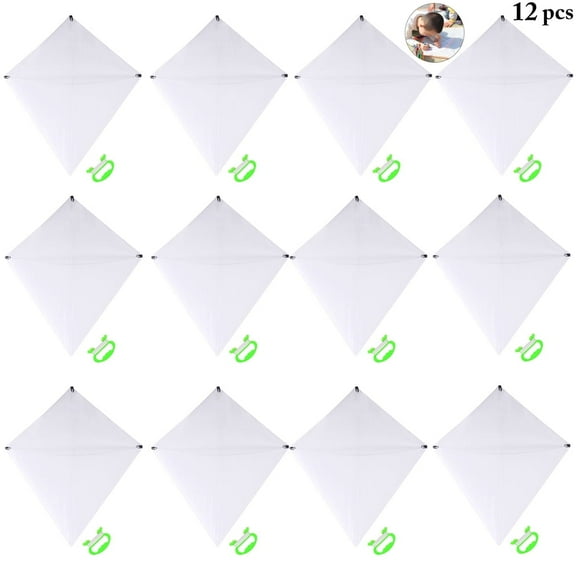



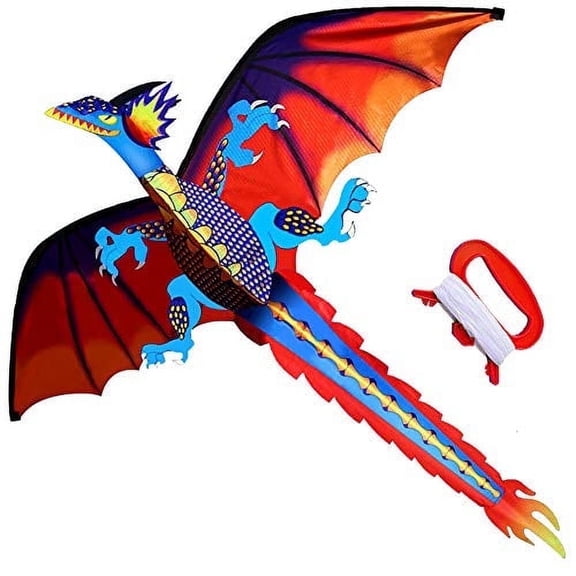


About Kites in Sports Toys - Walmart.com
Kites help you turn a breezy afternoon into active outdoor play, and you can compare types, wind ranges, and materials before you choose. You can find options for beginners, family outings, and stunt flying, with guidance that makes the category easier to shop.
If you’re deciding where to buy kites, you likely want clear differences between shapes, control styles, and setup needs. You can use this guide to compare single-line, dual-line stunt, parafoil, delta, and diamond designs with more confidence.
How to choose kites by type
You should start with kite type, because shape changes how your launch, steering, and wind performance feel. You can usually choose single-line styles for simpler handling, while dual-line stunt designs give you more control in the air.
When you compare single-line kites, you’ll notice they suit casual flying and younger users who want a straightforward launch. You can often keep these designs steady with less hand coordination than a stunt model.
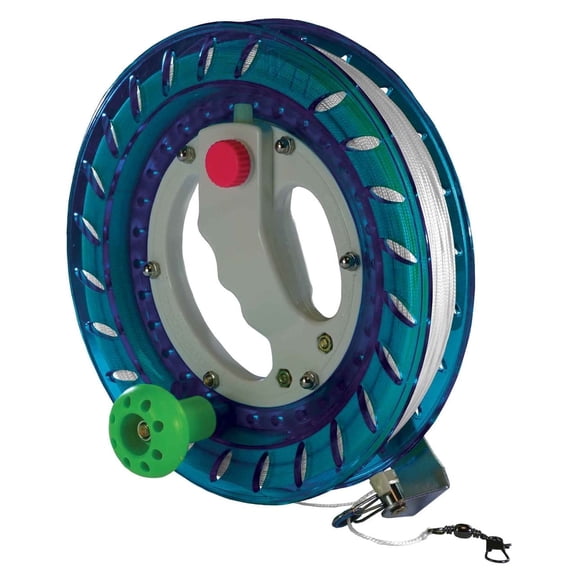
If you want turns, dives, and figure-eight motion, you should look at dual-line stunt kites. You can control each side separately, which supports dual-line tracking and more precise stunt maneuverability.
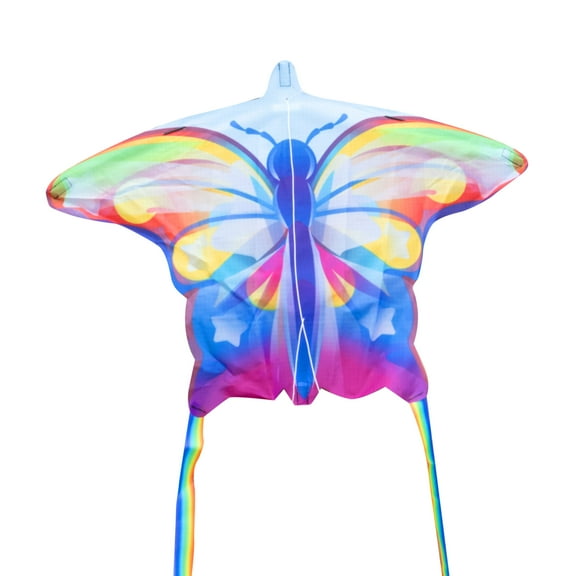
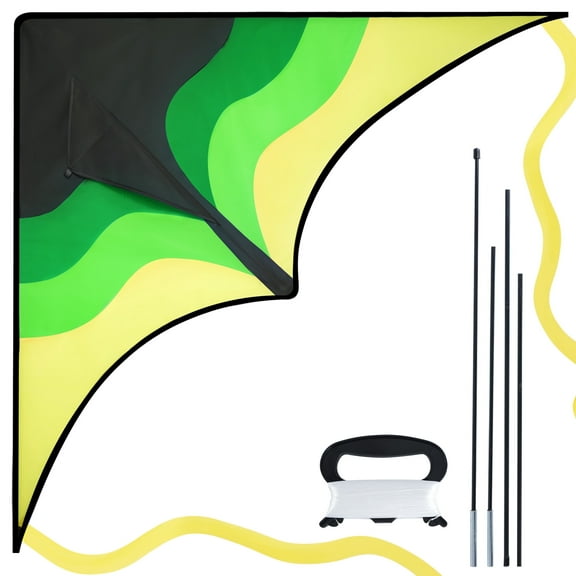
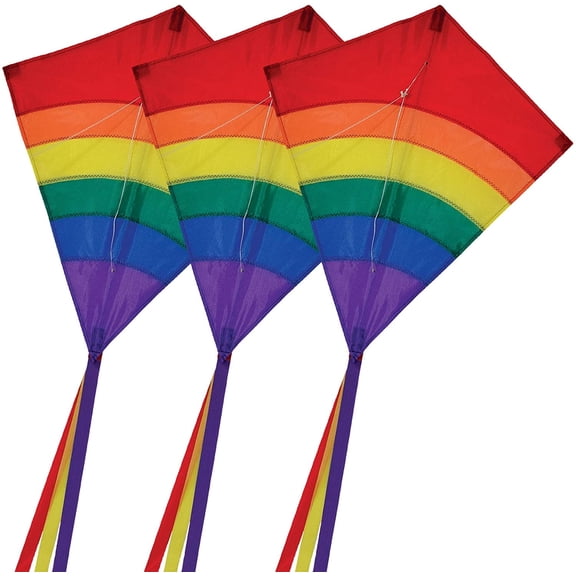
Parafoil kites can appeal to you if you want a softer packable design with no rigid frame sections. You may prefer delta kites when you want easy lift, while diamond kites give you a classic silhouette.
- You can choose single-line designs for easy launches and simpler handling.
- You can choose dual-line stunt kites for steering practice and trick-focused flying.
- You can choose parafoil shapes for flexible packing and frame-free construction.
- You can choose delta or diamond styles based on the look and lift you prefer.
Choosing materials and frame strength
You should check materials early, because fabric and frame parts affect how your kite handles repeated outdoor use. You can often see ripstop nylon or polyester canopies paired with fiberglass frame pieces or carbon fiber frame sections.
Ripstop nylon matters when you want a lightweight sail that resists small tears from regular flying sessions. Polyester can also work well when you want dependable shape retention and familiar everyday handling.
If you’re comparing frame parts, fiberglass rods are a key term to know. You can often choose fiberglass when you want a flexible frame that handles routine bumps during practice.
Carbon fiber frame sections can matter if you want a lighter, stiffer feel during advanced control inputs. You should compare that added responsiveness with your skill level, because not every flyer needs the same setup.
You may also want to consider assembly details before you buy. You can usually set up faster when you choose fewer frame pieces and clear connectors.
Matching kites to your skill level
You should match your kite to your experience, because control demands can change quickly across shapes and line systems. You may want beginner designs that launch easily and recover smoothly after uneven pulls.
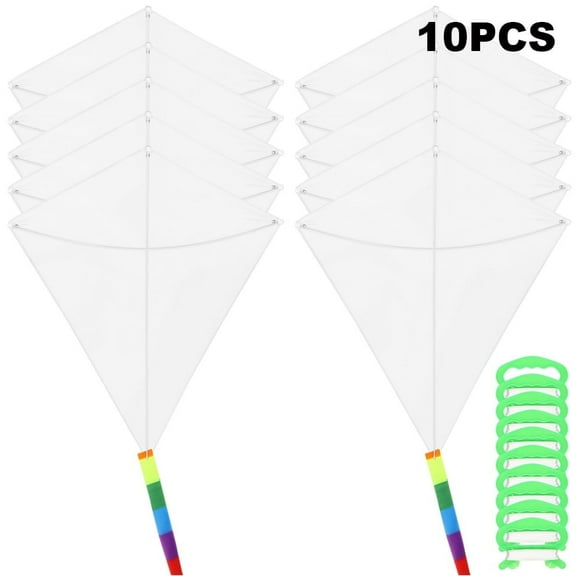
For beginner use, you should look for stable shapes, simpler assembly, and forgiving handling in open spaces. You can often feel more comfortable with single-line, delta, or diamond styles before moving into stunt control.
If you have some flying experience, you may enjoy intermediate options that respond faster to hand movement. You can explore dual-line models once you’re ready to guide turns, climbs, and directional changes.
If you want advanced control, you can compare frame stiffness, sail tension, and tracking response before choosing a model. You should focus on how quickly your inputs translate into motion during repeated stunt patterns.
Understanding wind range before you choose kites
You should always compare wind range, because your kite’s shape and build need the right breeze to stay stable. You can often see light wind, medium wind, and strong wind guidance listed in product details.
Light wind ranges, around four to 10 mph, can suit larger sails or efficient shapes that lift easily. You may prefer these conditions when you want a calmer feel and easier family flying.
Medium wind ranges, around eight to 18 mph, often give you balanced lift and steady pull. You can use this range when you want dependable sessions without extreme force on the line.
Strong wind ranges, around 15 to 25 mph, call for designs built for firmer handling and control. You should compare frame strength and flyer experience carefully before choosing a kite for breezier conditions.
If you’re unsure how much do kites cost, you’ll notice the answer often depends on type, size, material, and control system. You can narrow choices faster when you first decide on wind range and skill level.
Using kites for real outdoor play
You can use kites for park outings, beach days, school field play, and family gatherings in open spaces. You’ll want to match the flying setting with the kite’s size, line style, and wind needs.
For a simple afternoon with kids, you may want a single-line delta or diamond shape with easy assembly. You can spend less time sorting parts and more time practicing launches and line control.
If you’re planning active flying at the beach, you might compare parafoil and stunt designs for packability and handling. You can carry parafoils more easily, while dual-line styles support sharper steering in steady coastal wind.
When you want to practice control skills, you should look for a dual-line kite with responsive tracking. You can work on turns, climbs, and controlled dives as your coordination improves.
You can also use this category guide when you’re deciding where to buy kites for gifts or seasonal outdoor activities. You can make a more informed choice when you compare kite type, materials, skill level, and wind range together.
With the right kites, you can match your outdoor plans to the control style, frame design, and wind conditions you expect. This helps you achieve a smoother launch, steadier flight, and more enjoyable time outside.