

Cast Iron Skillets in Pots & Pans
























About Cast Iron Skillets in Pots & Pans - Walmart.com
Cast iron skillets give you steady heat, oven-ready versatility, and a cooking surface that fits everyday meals. You can compare seasoning, size, depth, and finish to match your stove, oven, and routine.
How to choose cast iron skillets
When you compare cast iron skillets, you should start with seasoning status, size, depth, and coating. You can narrow your options quickly when you match those details to your cookware habits.
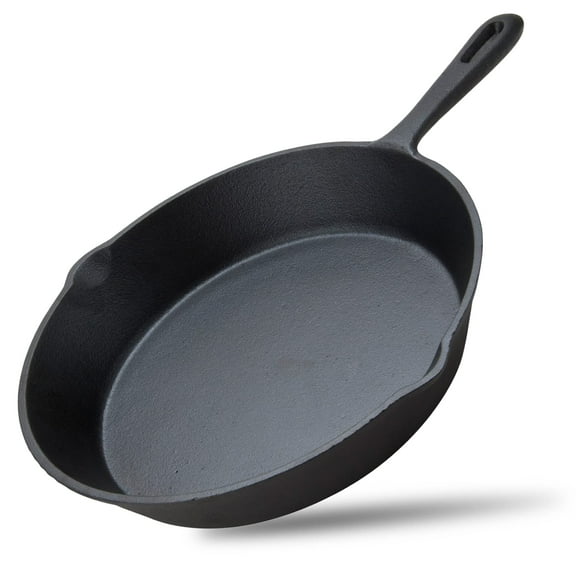
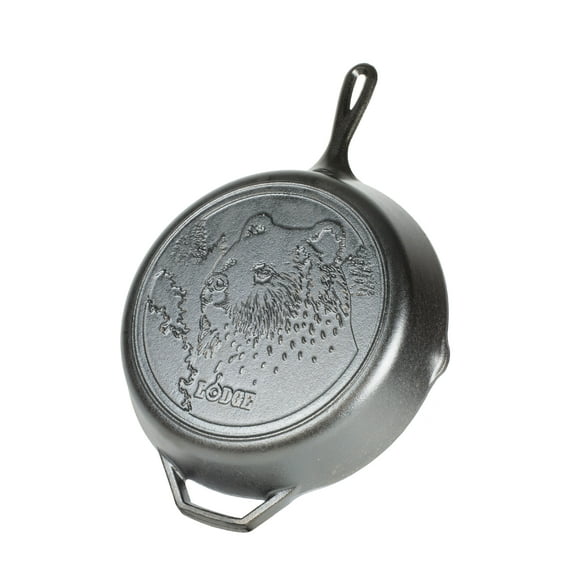
A pre-seasoned cast iron skillet gives you a surface that feels ready for regular cooking right away. An unseasoned option gives you control if you want to build that surface yourself.
- You get strong heat retention that helps you keep cooking temperatures steady.
- You can move many skillets from stovetop to oven for one-pan meals.
- You can choose standard or deep shapes based on what you cook often.
- You can find sizes that fit solo meals, couples, or family portions.
You may also notice that cast iron cookware supports searing, baking, frying, and table service in one pan. You can keep meals moving with fewer pan swaps during dinner prep.
Choosing a pre-seasoned cast iron skillet
If you want less setup, you may prefer a pre-seasoned cast iron skillet for everyday cooking. You can start with eggs, cornbread, burgers, or roasted vegetables with fewer prep steps.
If you like a hands-on approach, you may choose unseasoned cast iron cookware instead. You can season it yourself and build your preferred finish through repeated use and simple care.
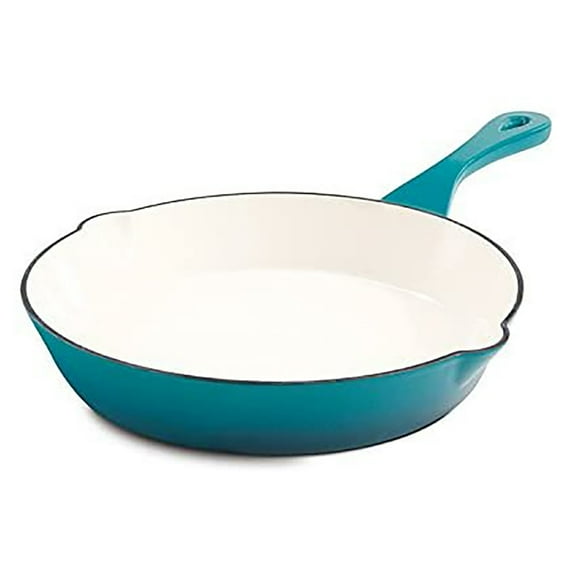
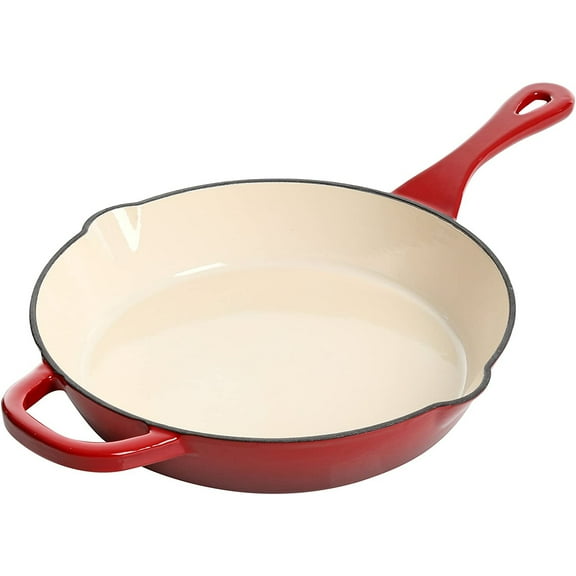
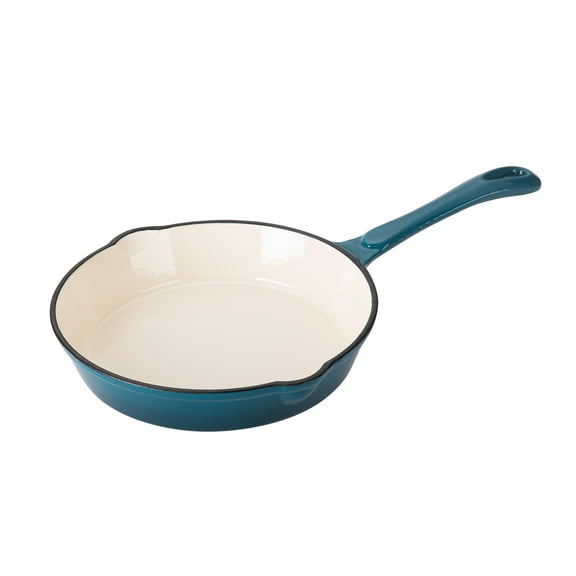
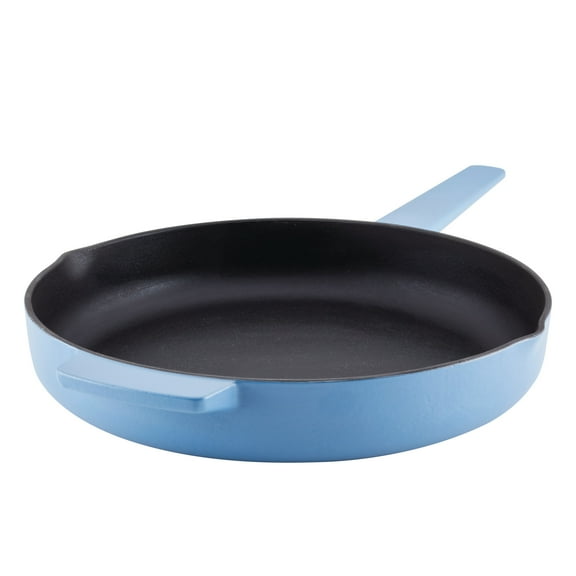
You should also compare traditional raw cast iron with an enameled cast iron skillet. You get the classic cooking style with raw iron, while enamel can simplify serving and cleanup.
Choosing the right cast iron frying pan size
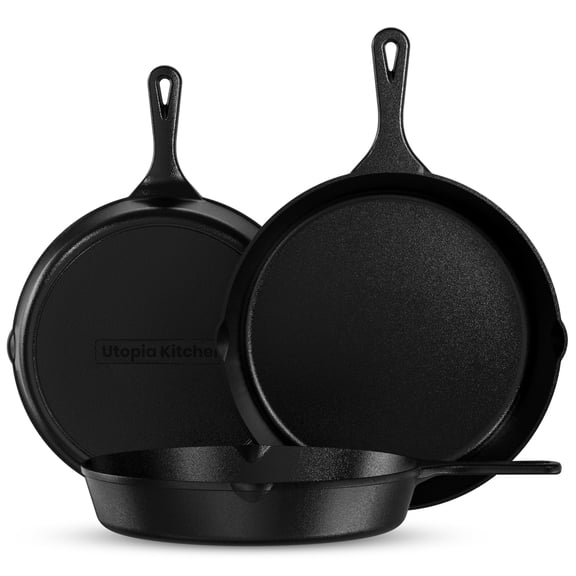
Size affects how much food you can cook and how easily you can lift the pan. You should measure your burners and storage space before choosing an 8-inch, 10-inch, 12-inch, or 15-inch skillet.
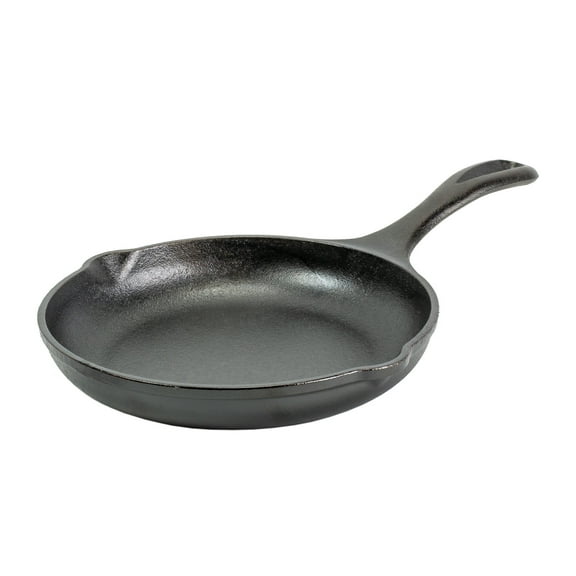
An 8-inch skillet often suits single servings, sides, and compact breakfasts. A 10-inch cast iron frying pan often works well when you cook for one or two people.
A 12-inch skillet gives you room for family dinners, large cuts, and skillet desserts. A 15-inch option can help when you cook large batches, though you should expect extra weight.
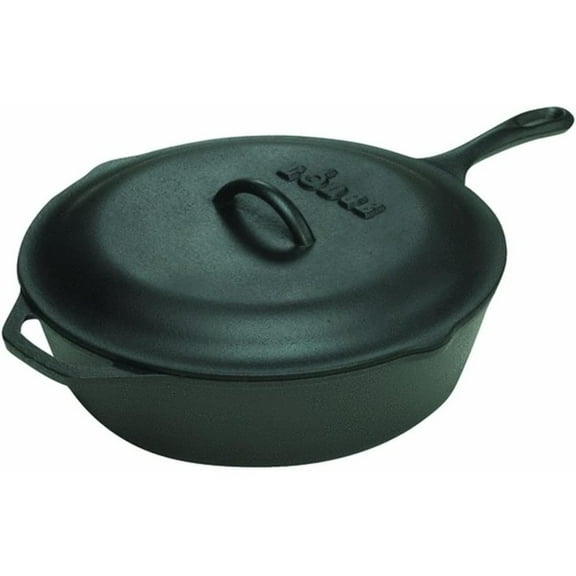
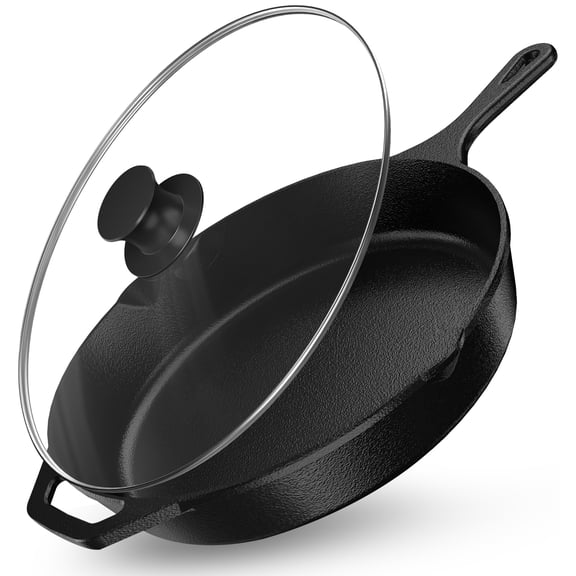
You should also think about pan depth before you decide. A deep cast iron skillet gives you high sides for sauces, cobblers, braises, and recipes that need more stirring room.
What to look for in handles and pan design
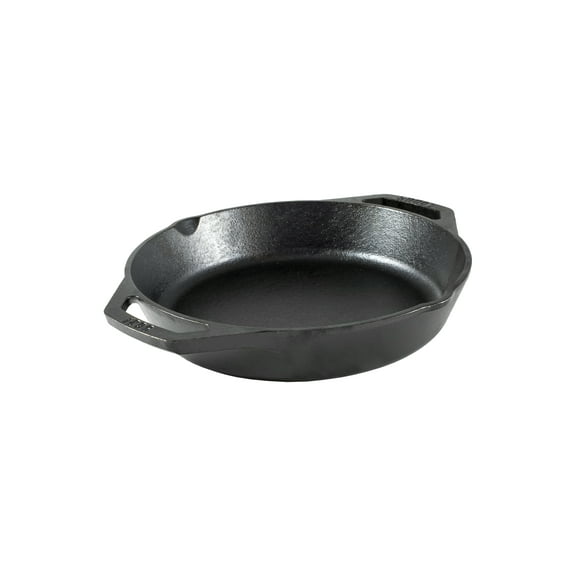
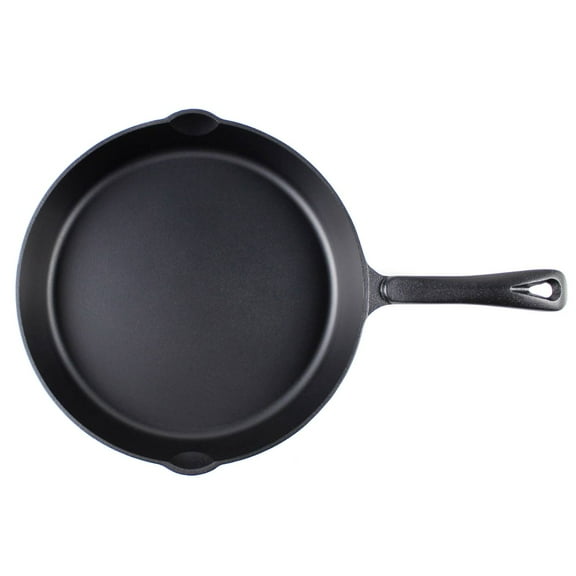
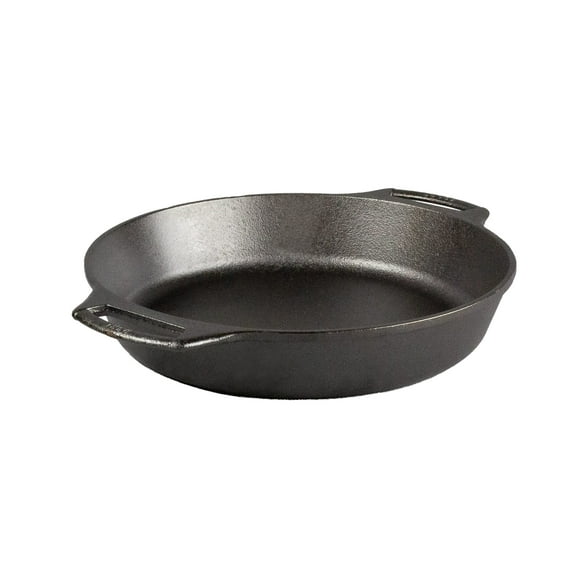
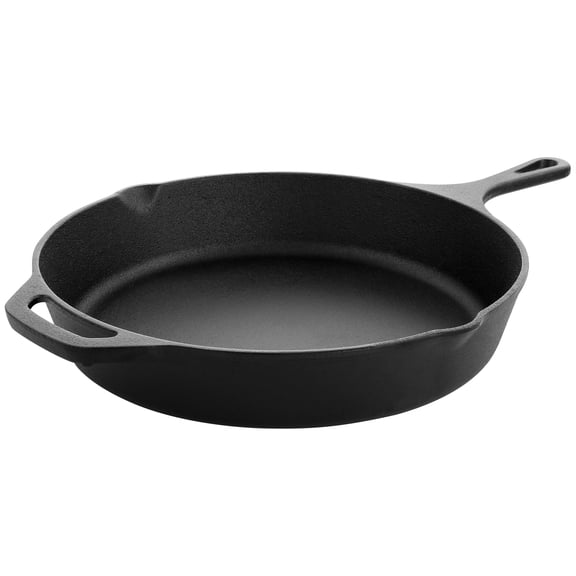
Weight and handling matter because cast iron feels substantial in your hands. You should look for helper handles or a dual-handle design when you want more control moving a full pan.
A long main handle can help you guide the skillet from stovetop to oven. A helper handle can give you a second grip point when you carry heavy meals to the table.
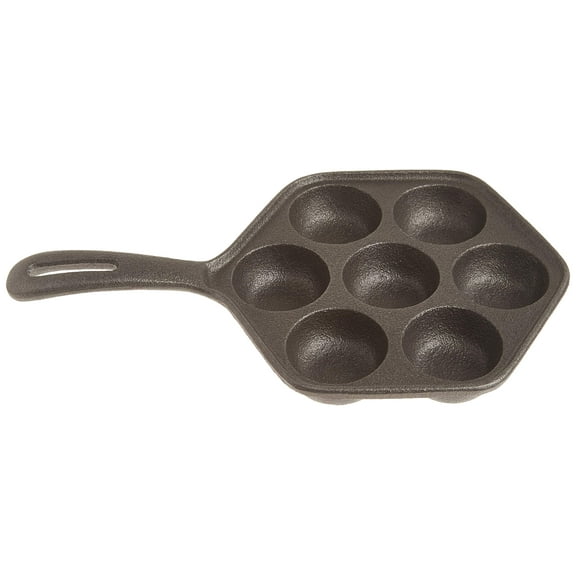
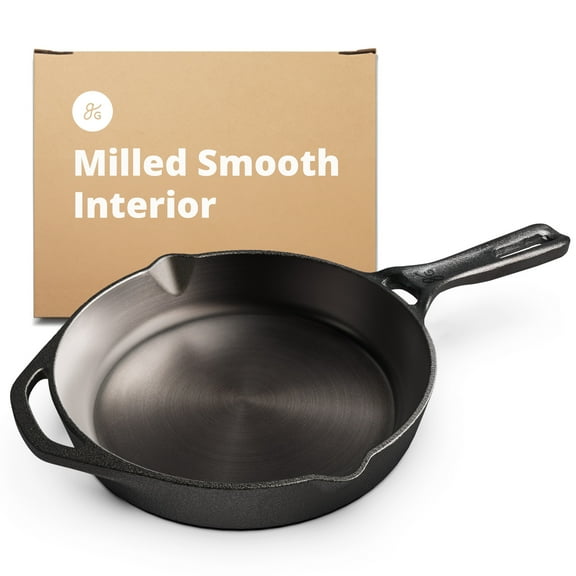
You should check whether the interior shape matches how you cook most often. A smooth surface, pour spouts, and deep walls can each support different recipes and cleanup preferences.
If you want one pan for browning and oven finishing, you should confirm oven compatibility details. You can also compare standard skillets with deep designs for baked dishes and casseroles.
How to care for your cast iron cookware
You don't need a complicated routine to keep cast iron cookware in regular rotation. You can clean it with simple steps, dry it well, and add a light coat of oil when needed.
If you choose raw cast iron, you should expect some hands-on maintenance after cooking. You may find that routine easier once you use the pan often and learn your preferred process.
If you want a low-maintenance option for serving and cleanup, you may prefer enameled styles for some meals. You should still check care instructions because handles and finishes can vary by design.
You can keep cleanup simple by matching the pan to the job. A deep shape can help with hearty sauces, while a standard skillet can suit pancakes and crisp cornbread.
Matching cast iron skillets to your cooking routine
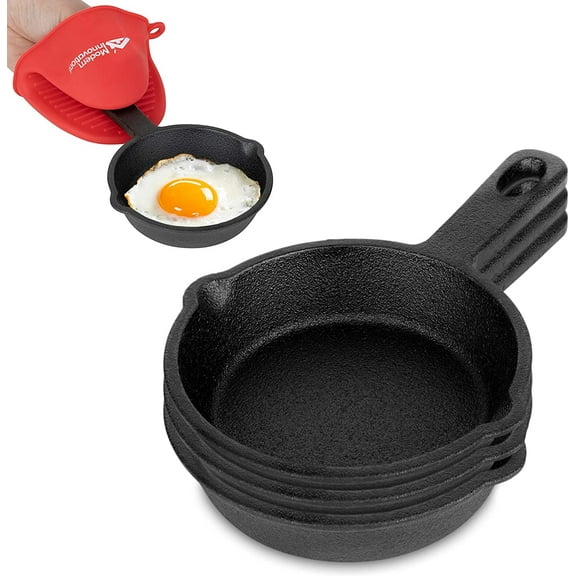
If you make quick breakfasts, you may want a small skillet that stores easily and heats steadily. You can use it for eggs, biscuits, hash browns, or warm dips without crowding the stove.
If you cook for couples, you may lean toward a 10-inch or 12-inch pan with balanced handling. You can get enough room for chicken thighs, vegetables, or one-pan pasta bakes.
If you cook for a family, you may want a 12-inch or 15-inch skillet with a helper handle. You can manage family portions more comfortably when the pan gives you two grip points.
If you bake often, you may prefer raw or enameled cast iron depending on your cleanup style. You can use these pans for cobblers, cookies, cornbread, and oven-finished frittatas.
When you choose cast iron skillets with the right size, depth, and finish, you make everyday cooking feel predictable. You get steady heat and flexible stovetop-to-oven use that supports meal after meal.