








Hibiscus Plants in Garden Bushes















About Hibiscus Plants in Garden Bushes - Walmart.com
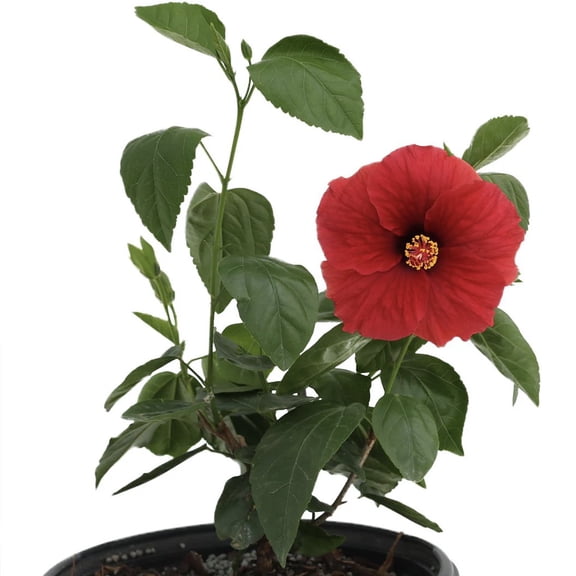
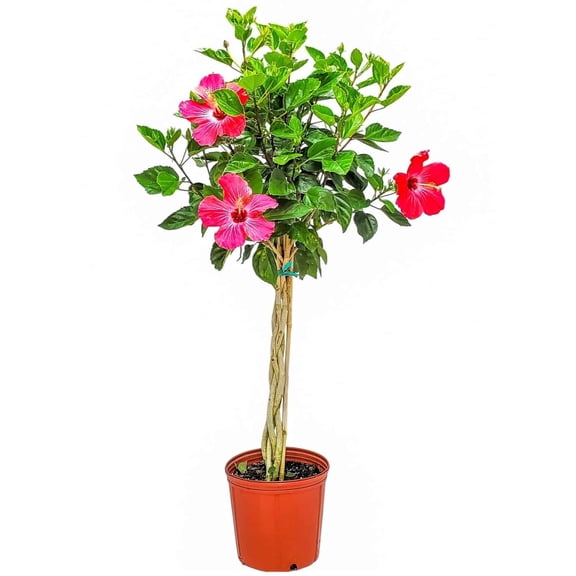
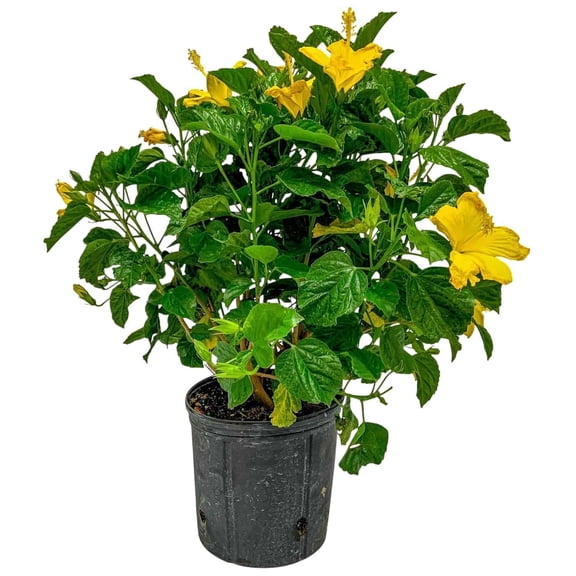
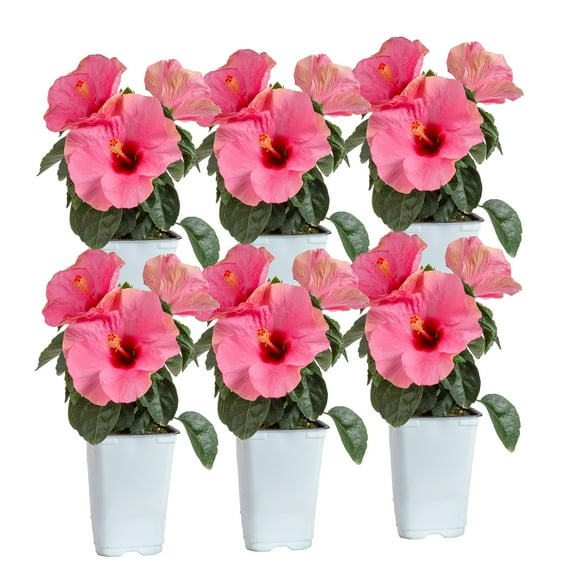
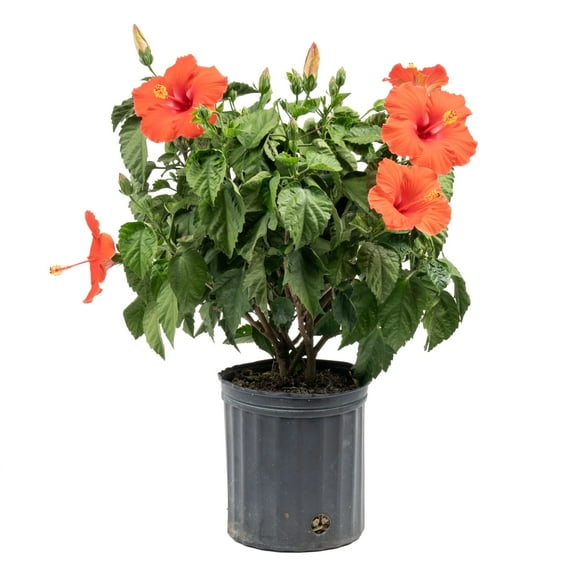
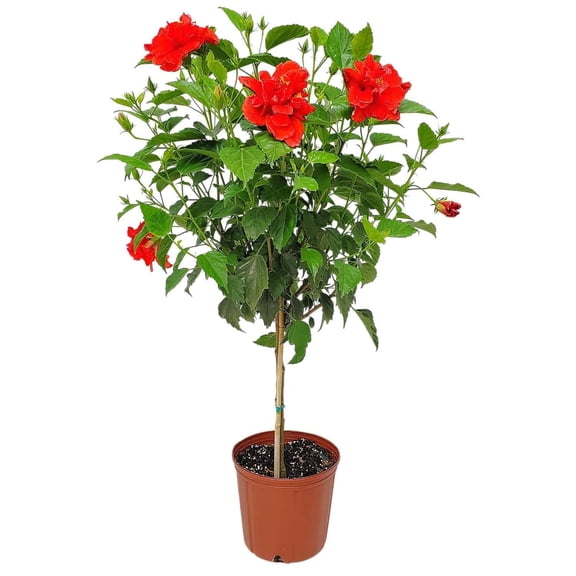
Live hibiscus plants bring bold hibiscus flowers to patios, porches, and garden beds with fast color. At Walmart, you can choose tropical or hardy types, plus pot sizes that fit containers. Many varieties arrive as live plants, ready for sun and regular watering. Pick options that match your space, your climate, and your bloom goals.
Some hibiscus plant types stay compact for pots, while others grow into landscape shrubs. You’ll also find color choices that stand out against green foliage. With the right placement, blooms can keep coming through the warm season. That means more color for gatherings, entryways, and everyday curb appeal.
Why live hibiscus plants work so well outdoors
A hibiscus plant delivers showy, oversized blooms that read clearly from the street. It’s an easy way to add a focal point near doors, patios, and pool areas. Many growers love how quickly buds appear once the plant settles in. Consistent sunlight and moisture can reward you with repeat flowering.
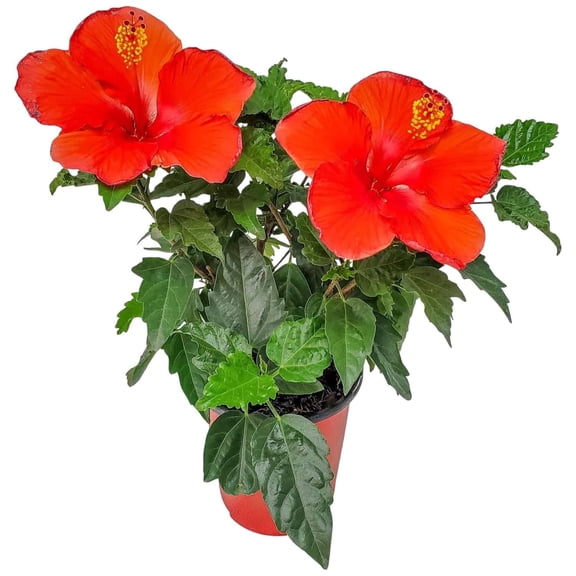
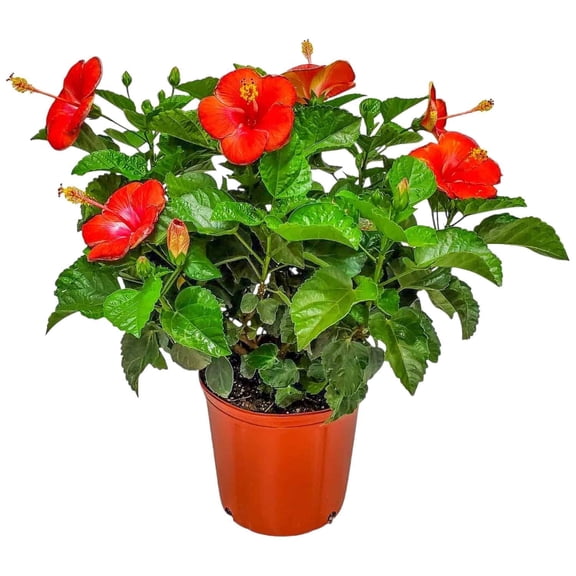
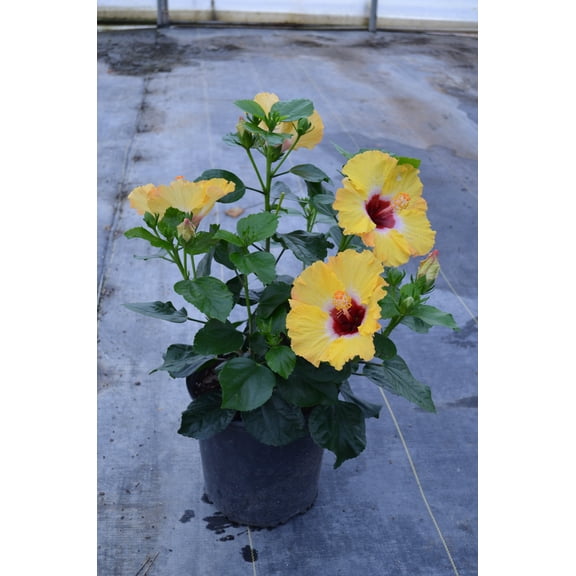
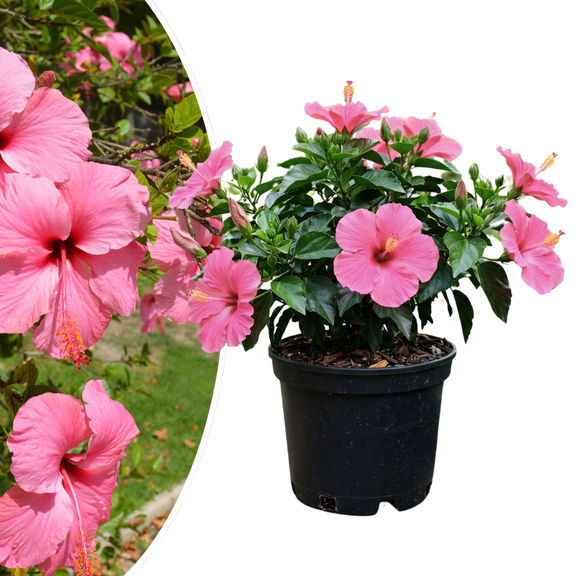
Tropical hibiscus plants also shine in containers because you can move them as weather shifts. That flexibility helps you protect blooms from wind, heavy rain, or cool nights. In warm regions, they can stay outside for long stretches. In cooler zones, you can overwinter them indoors with bright light.
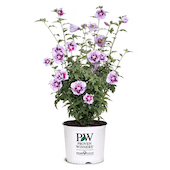
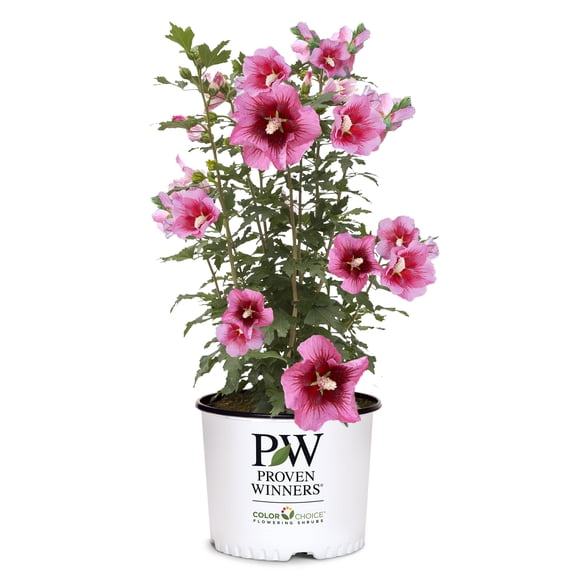
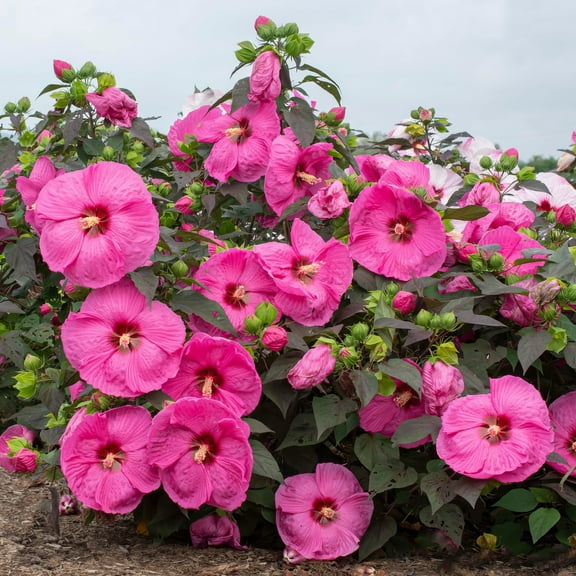
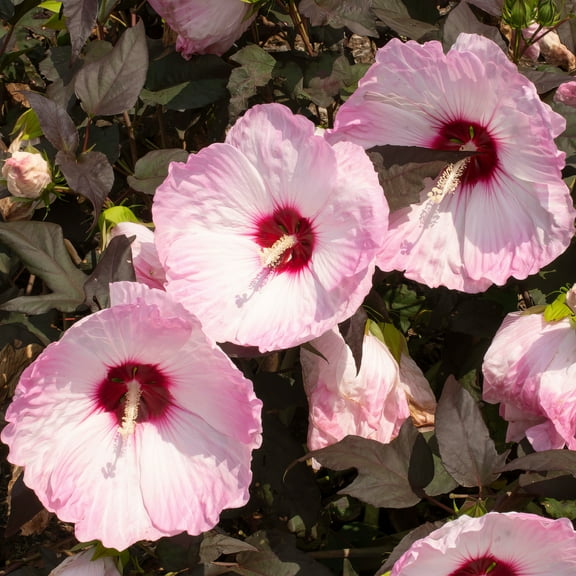
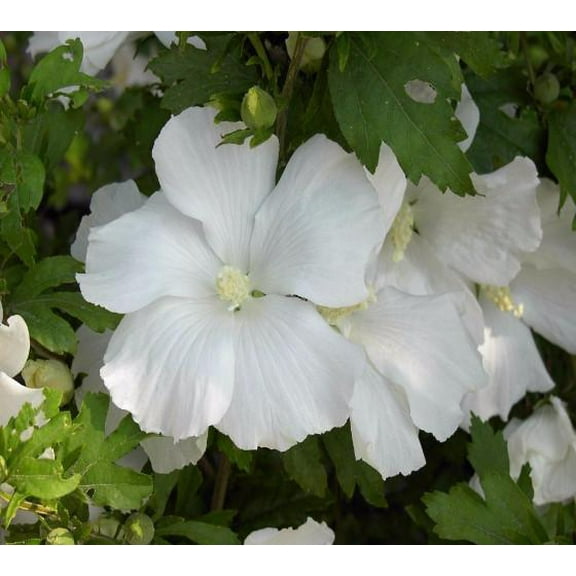
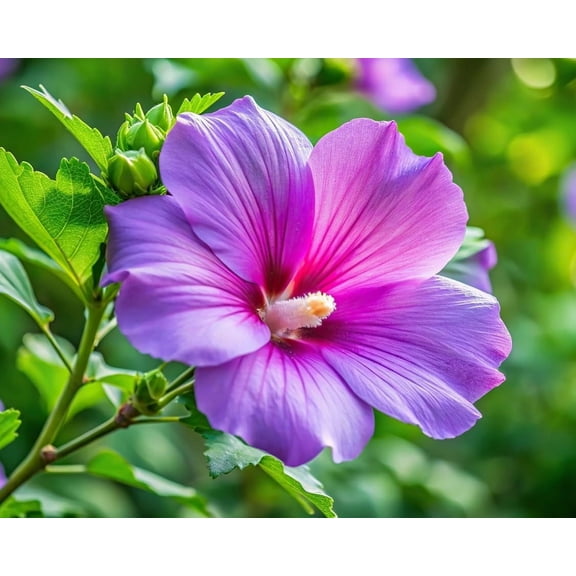
Hardy hibiscus brings big flowers back from the roots after winter dormancy. That makes it a strong pick for beds when you want reliable seasonal color. New stems often emerge later in spring, so patience helps. Once established, mature plants can fill space with dramatic blooms.
- Get patio-ready color with hibiscus flowers that pop in pots and planters.
- Choose tropical or hardy growth habits to match your climate and care routine.
- Create a focal point fast, thanks to bold blooms and lush foliage.
- Support pollinators in your garden with nectar-rich hibiscus blossoms.
Features to compare when choosing a hibiscus plant
Start with plant type, because tropical and hardy hibiscus handle cold very differently. Tropical hibiscus plants prefer warm nights and steady heat. Hardy hibiscus tolerates winter dormancy in many zones. Check the listing for hardiness guidance before you commit.
Sun requirements matter for flowering and bud set. Many hibiscus plants bloom strongest with full sun for several hours daily. Too much shade can reduce flowers and stretch growth. If your light is limited, choose a brighter placement or a movable container.
Pot size and root health affect how quickly plants establish. Larger pots can mean stronger roots and faster early growth. Smaller starters can work well with careful watering and feeding. Look for well-rooted plants that aren’t dried out or overly soggy.
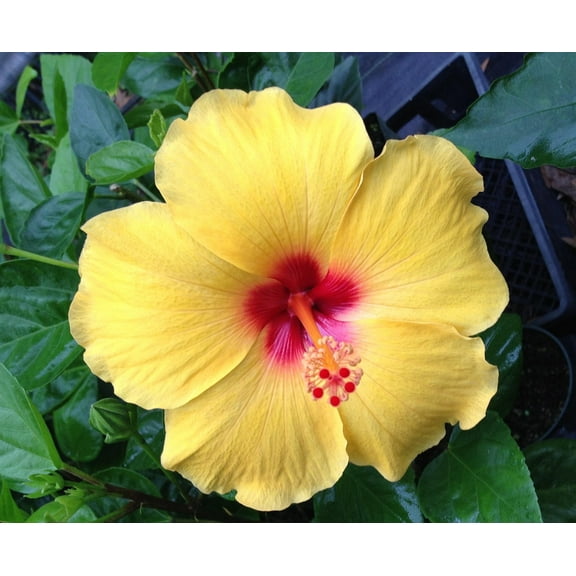
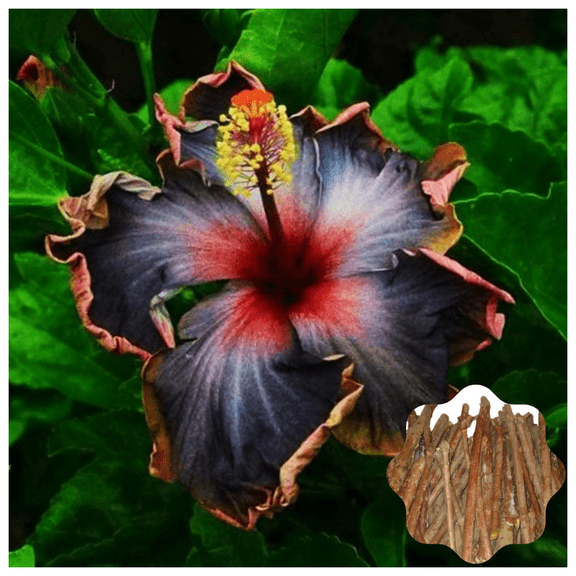
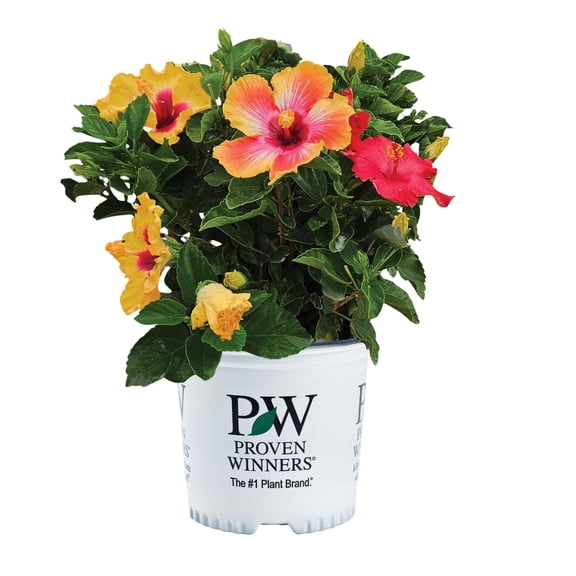
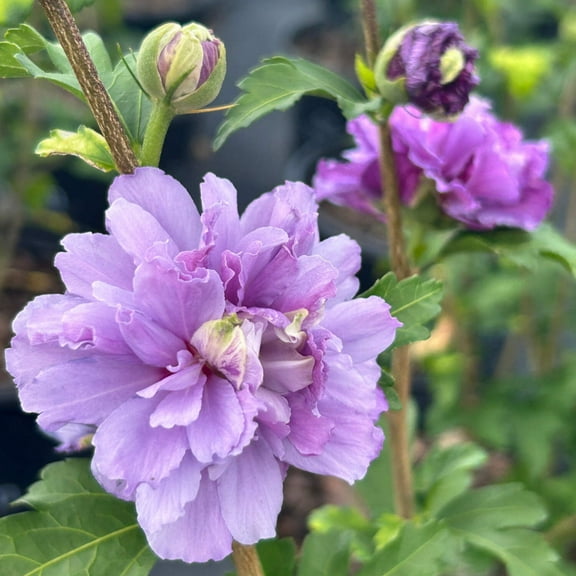
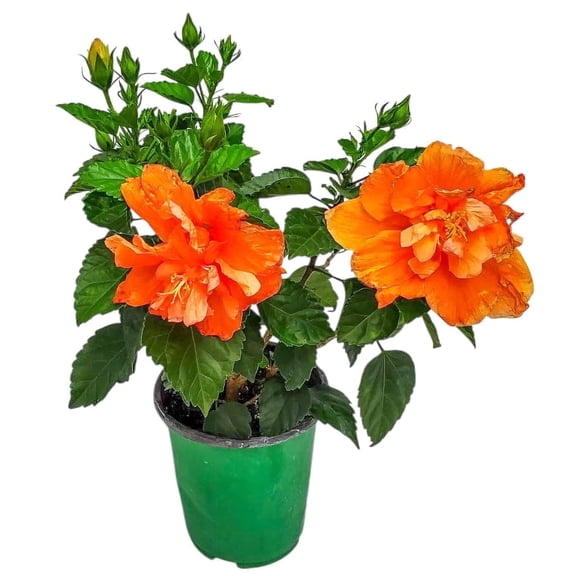
Bloom color and form vary by variety, even within the same hibiscus group. You’ll see single blooms, ruffled petals, and standout eye patterns. Color can shift slightly with heat and sunlight. Match tones to your outdoor decor and companion plants.
Plan for mature size and spacing so plants don’t crowd each other. Some options stay compact for containers and small beds. Others become shrubs that need room for airflow. Good spacing helps leaves dry faster after watering.
Use cases for hibiscus flowers in your space
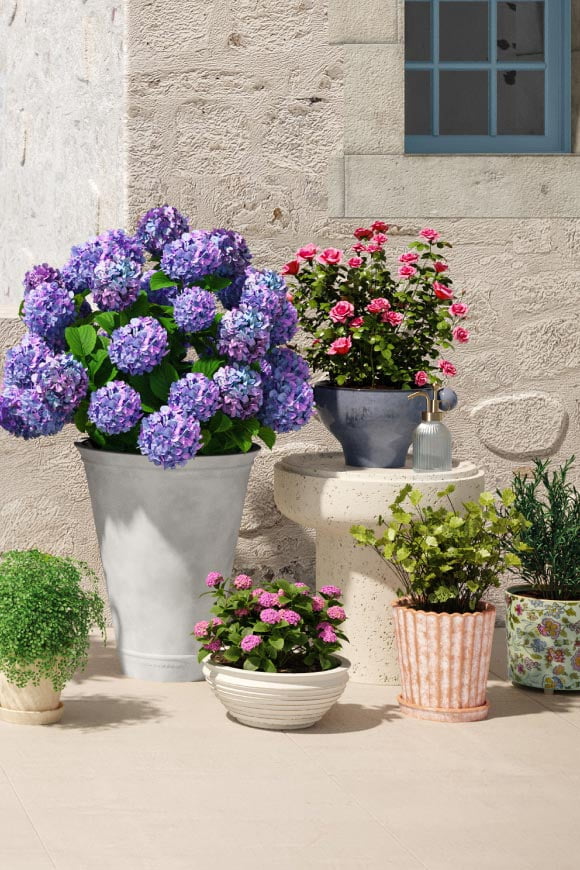
Style a front entry with matching containers for instant curb appeal. A pair of live hibiscus plants can frame steps and walkways. Choose pots with drainage and a stable base. Add saucers only if you can empty excess water.
Create a patio privacy screen with several hibiscus plants in a row. Use larger planters and consistent spacing for an even look. This setup works well along railings and fences. Regular pruning can keep height and shape under control.
Brighten balconies with tropical hibiscus plants you can move easily. Rollable caddies help you chase sun through the day. Bring plants inside before cold snaps in cooler regions. A sunny window or grow light can support winter rest.
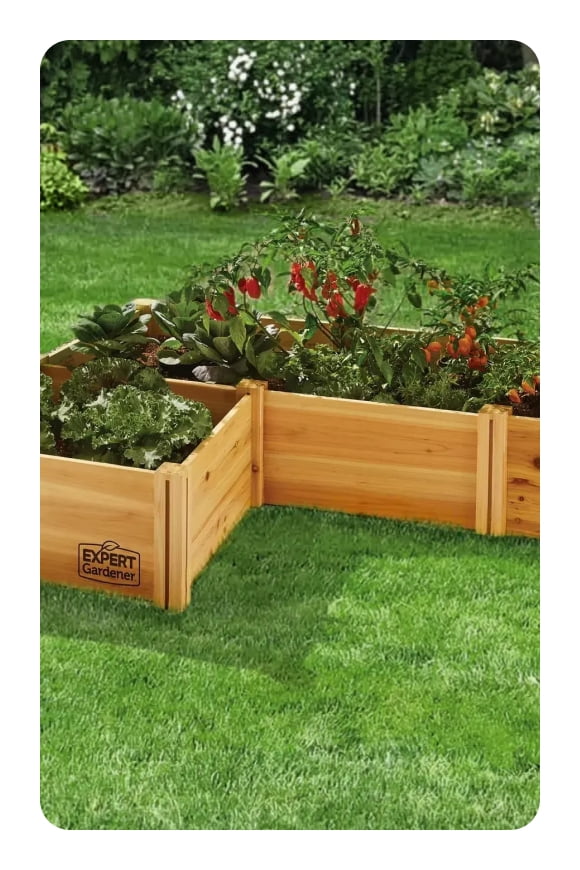
Build a summer color bed with hardy hibiscus as a seasonal anchor. Pair it with ornamental grasses for texture contrast. Add mulch to help hold moisture during hot weeks. Water deeply so roots grow down instead of staying shallow.
Round out your setup with the right supplies for container success. Use potting soil that drains well and holds moisture evenly. Add plant pots sized for growth, not just today’s root ball. Fertilizer options can support steady foliage and blooms.
Hibiscus care tips shoppers often need
Watering is the biggest day-to-day factor for bloom performance. Containers dry faster, especially in heat and wind. Check moisture often, and water until it drains. Avoid letting pots sit in standing water for long periods.
Feed during active growth to support buds and repeat flowering. Many gardeners use a flowering fertilizer on a schedule. Follow label directions to avoid overfeeding. Too much fertilizer can push leaves over blooms.
Pruning helps shape plants and can encourage branching. Trim lightly after a flush of blooms, or when growth looks leggy. Use clean pruners to reduce stress on stems. Remove spent flowers if you want a tidier look.
Winter care depends on type and your climate. Tropical hibiscus needs protection from cold and frost. Move it indoors before nights get chilly. Hardy hibiscus dies back and returns when temperatures warm.
Pests can show up on new growth and buds. Check undersides of leaves and along stems regularly. Rinse foliage with water to knock pests off early. Act quickly if leaves curl or buds drop.
Bring home more bloom time with live hibiscus plants
Live hibiscus plants can turn sunlit spaces into colorful outdoor rooms with bold flowers and lush leaves. With the right variety, light, and watering routine, you’ll get repeat blooms through the warm season. Choose tropical or hardy types that match your climate. Enjoy a brighter patio and garden all season long.